Camping lights are essential for outdoor adventures. Yet, knowing how to charge camping lights without electricity can enhance your experience. In recent years, the demand for off-grid lighting solutions has surged. The Global Portable Solar Generator Market is projected to grow by 27.3% annually through 2027. This growth highlights the importance of alternative charging methods.
Solar power is a popular choice. Many options exist: solar panels, battery banks, and even crank-powered devices. Each offers unique advantages. For instance, portable solar chargers can recharge within a few hours. However, relying solely on the sun may not be practical in cloudy weather.
Also, consider the limitations of rechargeable batteries. They can deplete quickly, especially in cold conditions. It's crucial to understand how to charge camping lights without electricity effectively. Exploring various methods can ensure you remain illuminated during your camping trips. Balancing convenience and reliability is key.
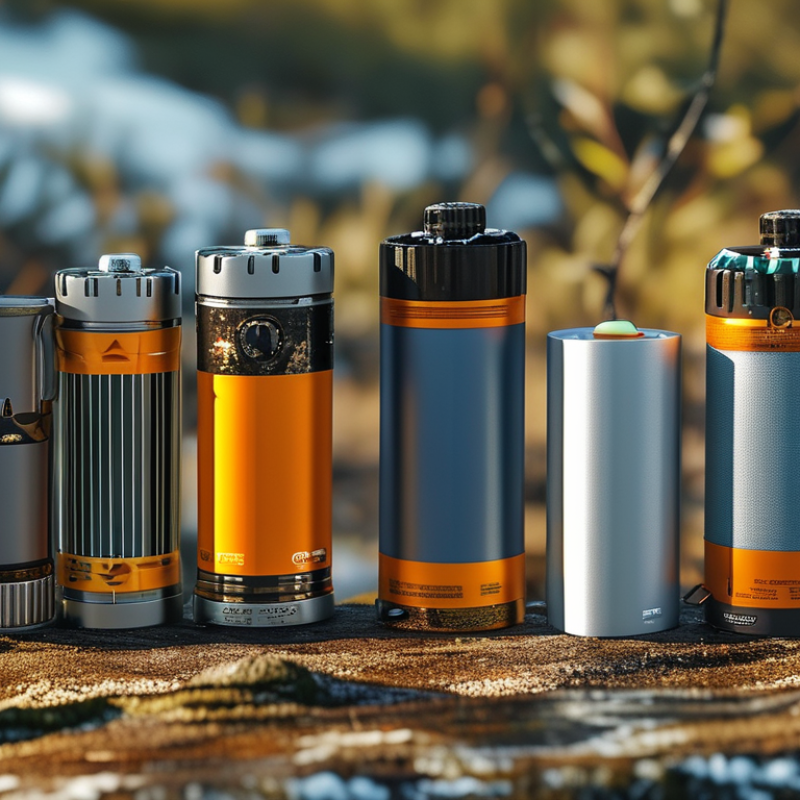
When selecting the right rechargeable camping lights for off-grid use, consider the light source type. LED lights are a popular choice. They consume less energy and last longer than traditional bulbs. Battery life can vary widely, so check specifications carefully. Some models may not last through the night.
Another important factor is charging options. Solar-powered lights can be incredibly handy. They rely on sunlight, which may be inconsistent, especially in cloudy weather. Also, some lights come with hand-crank chargers. This feature ensures you have a backup option available when sunlight is scarce.
Weight and size matter too. Larger lights often provide brighter illumination but can be cumbersome to carry. Compact options are easier to transport but might not offer the light intensity needed for larger groups. Reflect on your camping needs and choose a light that meets your specific requirements. Test several options if possible to find what works best for you.
This chart showcases various methods for charging camping lights without electricity, highlighting their efficiency. Solar panels are the most effective choice, followed by power banks and car batteries, while hand cranks and wind turbines offer lower efficiency.
When you're camping, reliable lighting is essential. Utilizing solar panels to charge your camping lights can ensure you always have illumination without relying on traditional electricity sources. Solar panels work by converting sunlight into energy, which can then be stored in batteries for later use. This method is efficient and environmentally friendly.
To maximize the effectiveness of solar charging, position your panels in direct sunlight. Even a few hours of sunlight can significantly charge your camping lights. Be mindful of the weather, as cloudy days reduce solar efficiency.
Regularly check your panel's angle and cleanliness to ensure optimal performance. It’s worthwhile to experiment with different placements; sometimes, a small shift can make a big difference.
However, solar charging does have its challenges. The reliability can vary based on the location and time of year. If you're camping in a shady area, your lights might not get charged effectively.
It's wise to have backup options, like portable battery packs, just in case. Reflecting on your experiences can help you make informed adjustments for future trips, ensuring that your camping adventures are well-lit and enjoyable.
Camping without electricity doesn’t mean you have to be in the dark. Harnessing wind power can be an effective solution for charging your camping lights. Wind turbines can easily be set up in open areas. They capture wind energy and convert it into usable electricity. Proper positioning of your turbine is essential to maximize efficiency.
Setting up a wind turbine requires careful thought. You’ll need a stable base and clear wind flow for the best results. A small, portable turbine works best for camping. It’s advisable to choose a turbine designed for low wind speeds. Monitor wind patterns at your location to optimize energy collection. Experiment with the angle of the turbine for better results.
Tips for using wind power: Always secure your wind turbine firmly to prevent damage. Ensure other camping gear does not obstruct the wind. It may take some time to adjust the placement for consistent charging. Remember, wind energy can be unpredictable. Planning for alternative lighting options is wise if the wind doesn’t cooperate.
| Method | Description | Advantages | Disadvantages |
|---|---|---|---|
| Wind Turbines | Utilizing small wind turbines to convert wind energy into electricity. | Sustainable energy source, continuous charging when windy. | Dependent on wind conditions, initial setup costs. |
| Solar Panels | Using solar panels to capture sunlight and convert it into electricity. | Available in sunlight, low maintenance, long lifespan. | Ineffective in cloudy or rainy weather, initial investment needed. |
| Bike Generator | Pedaling a stationary bike connected to a generator for power. | Effective workout while generating power, eco-friendly. | Requires physical effort, limited electricity generation capacity. |
| Portable Power Banks | Precharged battery units that can be used to charge lights. | Convenient and easy to use, no setup required. | Limited to battery capacity, requires prior charging. |
When camping, having reliable lighting is essential. However, access to electricity is often limited. One innovative solution is utilizing bicycle generators as a power source for camping lights. This method leverages kinetic energy, converting it into usable power. Reports indicate that bicycle generators can produce about 6 to 12 watts of power under optimal conditions, enough to run small LED lights.
Using a bicycle generator involves pedaling to generate electricity. This manual process offers an excellent workout while keeping your lights bright. Environmentally, it reduces reliance on fossil fuels. Many camping enthusiasts value sustainability, and this method aligns perfectly with eco-friendly practices.
Tips for efficient use include ensuring your bicycle generator is well-maintained. Regularly check connections for wear and tear. Additionally, pedal at a steady pace to maximize output. It's important to note that this method does require physical effort, which may pose challenges for some. Consider pairing this generator with a battery bank for an uninterrupted power supply during nighttime hours. Planning ahead can ensure that your camping experience remains illuminated and enjoyable.
When camping in remote areas, reliable lighting is essential. Hand-crank chargers offer a sustainable solution for camping lights. According to the Renewable Energy World report, portable hand-crank generators can produce an average of 5 to 12 watts per minute. This output is enough to keep small LED lights running, perfect for enhancing visibility at your campsite.
One effective method is to invest in a compact hand-crank generator. These devices often come with built-in storage, allowing you to charge batteries for future use. Many models are lightweight and can easily fit into a backpack. Use this opportunity to teach kids about energy generation while you crank away.
While using hand-crank chargers, remember to take breaks. It can be exhausting, especially if multiple charges are needed. Establish a routine to ensure everyone participates. This shared experience strengthens teamwork and enhances camaraderie. Test the device before your trip. Hand-crank generators rely on your physical effort, so accountability ensures reliable light when needed.
: Solar panels convert sunlight into energy to store in batteries. This ensures reliable lighting during camping.
Positioning solar panels in direct sunlight boosts charging efficiency. A small adjustment can lead to better results.
Cloudy days reduce solar efficiency. Always plan for potential weather impacts on your charging.
Yes, solar reliability can vary by location and time of year. Shady areas may hinder effective charging.
Absolutely. Portable battery packs are valuable in case solar charging fails to meet your needs during camping.
Pedaling a bicycle generator converts kinetic energy into electricity, useful for running small LED lights.
Regular maintenance and steady pedaling maximize output. Check connections often for optimal performance.
Yes, it requires physical effort, which might be challenging for some campers. Plan accordingly for your experience.
Pairing the generator with a battery bank can provide uninterrupted lighting, especially during nighttime camping.
Consider your experiences and make adjustments for future trips. Optimizing strategies will improve next-time outings.
When exploring how to charge camping lights without electricity, it is essential to choose the right rechargeable lights designed for off-grid use. These lights are typically compatible with various alternative energy sources, enabling campers to stay illuminated even in remote locations. One effective method is using solar panels, which can capture sunlight during the day to charge the lights for nighttime use.
In addition to solar power, harnessing wind energy can be another innovative solution, as small wind turbines can generate electricity for lighting. Alternatively, bicycle generators offer a physically engaging way to produce power; simply pedaling can charge the camping lights. Finally, hand-crank chargers provide a reliable emergency option, allowing campers to manually generate power when needed. By utilizing these methods, campers can effectively manage their lighting needs off the grid.
