As winter approaches, many homeowners wonder, "can I leave solar lights out in the winter?" According to solar lighting expert Dr. Emily Johnson, “Solar lights can withstand cold, but their performance may suffer.” This statement highlights the necessity of understanding how winter affects solar-powered devices.
Solar lights depend on sunlight to charge their batteries. During winter, days are shorter, and sunlight is less intense. If left outside, these lights may not provide the same illumination as in warmer months. The accumulation of snow or ice can also obstruct the solar panels, further limiting their effectiveness.
Some homeowners report that their solar lights dim in the winter. Factors such as temperature and battery health play a crucial role. Regular maintenance is essential. It’s important to check for any damage and clean the panels to ensure optimal performance. However, leaving them outside might raise concerns about resilience. Each situation is unique, which encourages further exploration into the capabilities of solar technology during colder months.
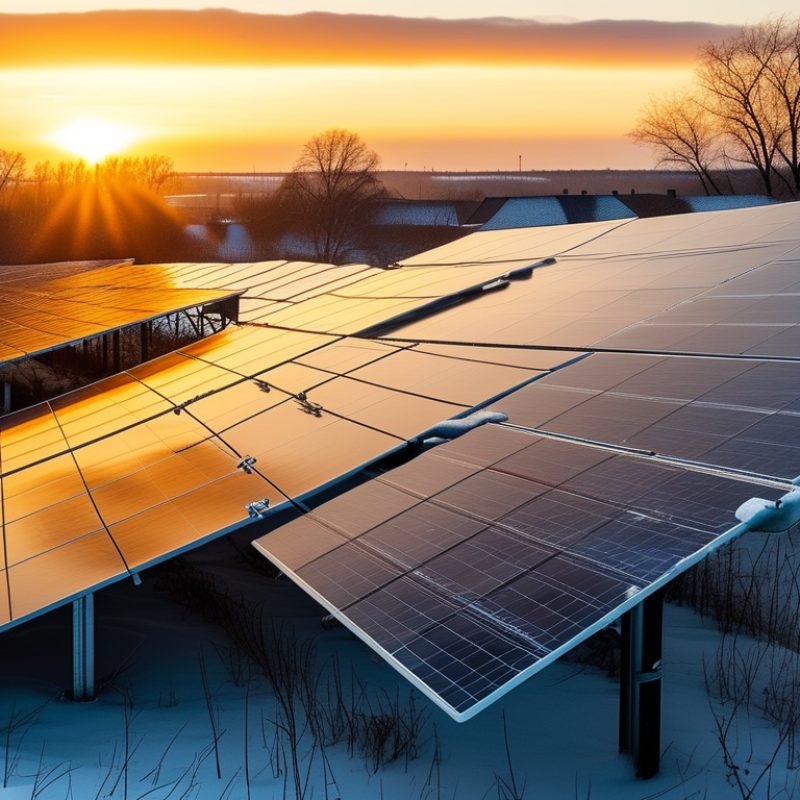
Can Solar Lights Endure Freezing Temperatures During Winter?
Solar lights can often withstand freezing temperatures, but their durability varies. Many solar lighting systems are designed to endure winter conditions. They are made from weather-resistant materials to resist rain and snow.
However, not all solar lights perform the same. Some may struggle in very low temperatures. For example, lithium-ion batteries, common in solar lights, function poorly in extreme cold. Their capacity can drop significantly. It’s wise to check for models specifically rated for cold weather.
Monitoring your solar lights during winter is crucial. Regular checks can reveal any issues early. If a light does not function, it may need a winter-friendly replacement. This proactive approach helps maintain your outdoor lighting.
Impact of Snow and Ice on Solar Light Performance and Durability
Winter poses unique challenges for solar lights. The presence of snow and ice can impact their performance and durability. Solar lights rely on sunlight to charge. In winter, shorter days limit sunlight exposure. Accumulated snow can block panels and reduce efficiency. In fact, studies indicate a 30% drop in solar output after heavy snowfall.
Ice can also inflict damage. Frozen components may lead to malfunctioning lights. High-quality models are designed to withstand some harsh conditions. However, it’s crucial to monitor their status. Regular checks for ice accumulation and snow can prolong their lifespan.
Tips: Remove any snow or ice accumulating on panels. Using a soft brush will minimize scratches. Consider tilting your solar lights for better sun exposure. In extremely cold areas, store them indoors when not in use. This helps maintain functionality and extend their overall durability. Regular maintenance is key for optimal performance despite winter challenges.
Recommended Winter Care Tips for Maximizing Solar Light Lifespan
Winter can be harsh on outdoor solar lights.
Snow, ice, and extreme temperatures can impact their performance. To ensure your solar lights last, some winter care tips are essential.
Store your solar lights in a dry place during heavy snowfall or freezing temperatures. If they have removable features, consider taking them indoors. Even a short time indoors can prevent damage from frost. Clean the panels regularly, as dirt and snow can block sunlight. This simple task boosts their effectiveness.
Position your solar lights wisely. If possible, place them in areas with maximum sunlight exposure. Trim any nearby branches that might cast shadows. If heavy snow is predicted, temporarily relocate them to sunnier spots. These steps can greatly extend their lifespan and functionality through the cold months.
Factors Affecting Solar Light Efficiency in Cold Weather Conditions
Solar lights can be left outside during the winter season, but cold weather impacts their efficiency. As temperatures drop, battery performance can decrease significantly. Research from the National Renewable Energy Laboratory indicates that solar batteries operate best at temperatures between 32°F and 77°F. Below these temperatures, the capacity of batteries diminishes, limiting the lights' output during the night.
Solar panel efficiency also declines in cold weather. Data from the Solar Energy Industries Association shows that snow and ice accumulation can block sunlight. This reduces the energy harvested during the day. Additionally, shorter daylight hours lead to less solar energy storage. Regular maintenance, like snow removal, can optimize performance. It’s essential to inspect solar panels periodically for ice or debris build-up.
Considering these factors, owners should be vigilant. Some solar lights may perform poorly in prolonged winter conditions. A performance drop can lead to dim or flickering lights. It is crucial to monitor their function throughout the season to ensure they meet expectations.
Understanding Battery Performance of Solar Lights in Low Temperatures
Solar lights are a popular choice for illuminating outdoor spaces. However, their performance can vary greatly in winter. Low temperatures can affect battery efficiency. This is crucial as batteries are essential for storing solar energy.
During winter, battery performance may significantly decline. Cold weather slows down chemical reactions inside batteries. As a result, they may not charge fully during the day. You might notice your solar lights dimming more quickly at night. Some batteries struggle to retain charge, leaving you with less light when you need it.
It's important to consider the type of batteries in your solar lights. Not all batteries perform the same in cold conditions. Some may even freeze, leading to permanent damage. Placing solar lights in a location that receives maximum sunlight can help improve their efficiency. Nonetheless, some users report diminished performance regardless of exposure. This variation can be frustrating, especially during the long winter nights when outdoor lighting is most needed.
FAQS
: Snow can block solar panels, leading to a 30% drop in output after heavy snowfall.
Cold temperatures can cause battery performance to decline, limiting light output at night.
Yes, removing snow weekly can help maintain their efficiency and performance.
Regular maintenance, like snow removal and storing them indoors during extreme cold, helps.
Flickering can occur when performance drops due to low temperatures and battery issues.
No, some batteries may freeze and get damaged in low temperatures, affecting their life span.
Yes, periodic checks for ice and debris are essential for optimal performance during winter.
Yes, maximizing sunlight exposure helps improve efficiency, but some users may still see performance issues.
It's advisable to check them regularly for snow or ice build-up, ideally once a week.
Yes, they can be left outside, but expect reduced performance due to cold weather impacts.
Conclusion
When considering the question "can I leave solar lights out in the winter," it's important to evaluate their performance under freezing temperatures. While many solar lights are designed to withstand chilly conditions, extreme cold can impact their efficiency and overall durability. Snow and ice accumulation may hinder the solar panels' ability to absorb sunlight, leading to reduced energy generation and diminished brightness.
To maximize the lifespan of solar lights during winter, it is recommended to clear off any snow or ice that collects on the panels regularly. Additionally, understanding battery performance is key; as temperatures drop, the capacity of batteries may also decrease, affecting how long the lights will shine at night. Taking these factors into account will help ensure that your outdoor solar lighting remains effective and durable through the colder months.

