Lighting can transform your living space. The floor lamp plays a significant role. Designer Sarah Mitchell emphasizes, "Knowing where to place a floor lamp in living room can change the ambiance."
A well-placed lamp brightens dark corners. It enhances both functionality and style. Consider your room layout. Is the lamp near a seating area? This can invite conversation and comfort. Avoid placing it too close to walls. The light should illuminate spaces effectively.
While experimenting with placements, make adjustments as needed. Sometimes, the first choice may not work. Observe how light interacts with your decor. Reflect on your lighting needs regularly. Are they changing as seasons pass? Each time, consider the best spot for your floor lamp.
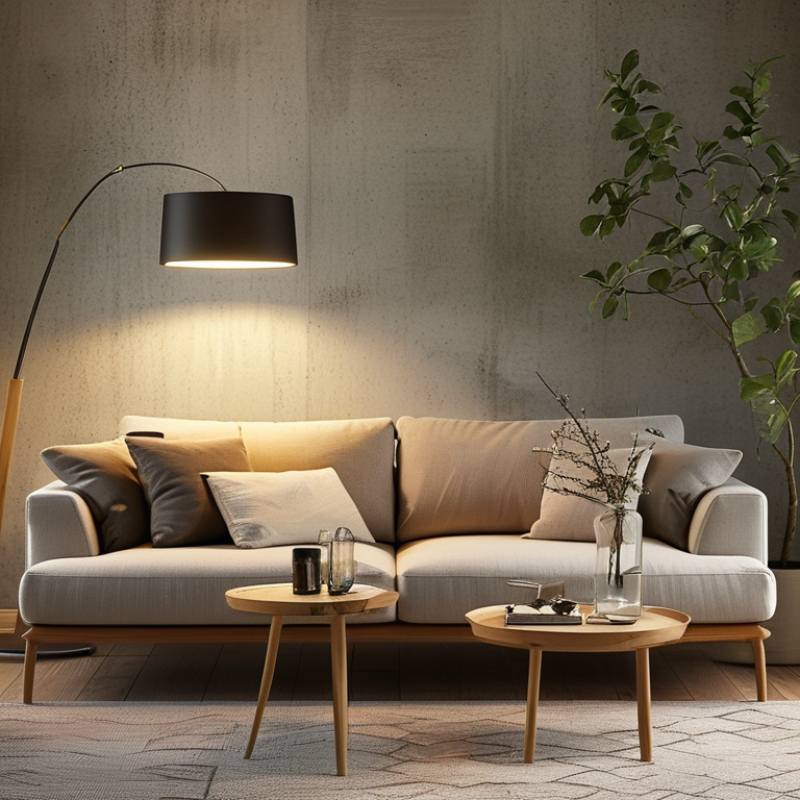
Choosing the right height and style for your floor lamp can greatly influence the ambiance of your living room. A lamp that is too tall may create harsh shadows, while one that is too short could leave spaces dim and uninviting. Aim for a height that aligns with your seating. Typically, the bottom of the lamp shade should be at eye level when seated. This placement offers comfortable lighting for reading or relaxing without straining your eyes.
Style plays a crucial role as well. A sleek, modern lamp can add a contemporary touch, while a vintage piece might evoke warmth and nostalgia. Consider the overall design of your room. The materials should complement your existing décor. A wooden lamp might warm up a metal-heavy space, while a metal lamp could enhance a minimalist design.
Don't be afraid to experiment with placements. A floor lamp in a corner can create a cozy reading nook, but it may clash aesthetically with other furniture. Reflect on the mood you want to create. Not every choice will work; learning from what doesn’t fit is part of the process. The right height and style are essential, but don't overlook the importance of personal touch and comfort.
When considering where to place a floor lamp in your living room, think about the key areas that need effective lighting. The reading nook is an obvious choice. A well-placed lamp beside a comfortable chair can enhance the ambiance. This setup invites relaxation, but ensure the lamp isn't too bright. Dim lighting is cozy, yet insufficient light can strain your eyes.
Another crucial area is the corner of the room. A lamp placed here can create depth and warmth. It helps fill dark spaces that might otherwise feel empty. However, be mindful of the overall layout. A poorly positioned lamp can obstruct pathways, making the area feel cramped. Also, consider your ceiling height. Tall lamps may overwhelm low ceilings, while short ones may not provide adequate illumination.
Lastly, think about the functionality of your lamp. Adjustable shades allow you to direct light where it's needed most. Placement is important, but so is flexibility. A lamp that doesn't serve multiple purposes may become an afterthought. Reflect on what your living room truly needs and allow the lighting to evolve with your space. Every lamp placement should tell a story, not just fill a void.
Lighting impacts the ambiance of a living room significantly. Evaluating natural light sources is essential for effective lamp placement. Notice where sunlight enters during the day. Windows can create bright spots, while corners may remain dark. This understanding will guide you in positioning your floor lamp.
Consider using your lamp to fill in the darker areas. Place it near seating arrangements or beside a reading chair. This creates a cozy nook that encourages relaxation. However, avoid putting lamps directly in front of windows. They can compete with natural light, making the space feel unbalanced.
Tips: Observe the room during different times of the day. Adjust your lamp's position to see what feels right. Don't hesitate to experiment. Sometimes a corner may feel too dark, but placing a lamp there can transform it. Reflect on how the light interacts with your room’s colors and textures. Each change offers insight into your lighting design.
Creating a balanced lighting scheme in your living room involves using multiple light sources. Natural light should be your starting point. During the day, open curtains to allow sunlight in. At night, your goal is to mimic that warmth. Floor lamps can help achieve this effect while adding style.
Place the floor lamp near a reading chair. This way, it provides focused light for activities like reading or working. A lamp with a dimmer switch gives you flexibility. It allows you to adjust brightness based on the time of day or mood. Additionally, layer your lighting. Combining floor lamps with table lamps or wall sconces creates depth.
Evaluate your current lighting arrangement. Does it feel too harsh or too dim? It’s essential to experiment with different placements. A lamp that feels cozy in one spot may feel awkward in another. Don't hesitate to tweak it until you find the right balance. Reflecting on these choices will enhance your living space.
When placing a floor lamp in your living room, consider the ambiance you want to create. Think about the lamp's height and brightness. It should complement the room's design while providing effective lighting. For instance, a tall lamp can illuminate dark corners, making the space feel larger. Position it near seating areas for optimal warmth and coziness.
Design plays a vital role in how a lamp affects the overall atmosphere. A sleek, modern lamp adds sophistication. A vintage piece can evoke nostalgia. However, be wary of clashes with existing decor. A mismatched style can disrupt flow. Keep colors and materials in mind. Ensure the lamp fits seamlessly with your theme.
Don’t forget about functionality. Test different locations and angles. Sometimes, a lamp appears perfect but doesn't illuminate effectively. Reflect on how you use the space. Is it for reading, socializing, or relaxing? Adjust the placement accordingly. Strive for a balance between aesthetics and utility. Let your preferences guide you, but remain open to experimentation.
: Aim for the lamp shade to be at eye level when seated. This ensures comfortable lighting.
Consider your room's design. A modern lamp suits contemporary spaces, while vintage pieces add warmth.
Avoid placing lamps directly in front of windows. Corner spots work well for cozy lighting.
Observe sunlight during different times of the day. Note bright spots and darker corners for lamp placement.
Mismatched styles can disrupt flow. Ensure colors and materials complement your overall theme.
Position the lamp near seating areas. This enhances warmth and encourages relaxation in the space.
Yes, don’t hesitate to try different locations. Each adjustment can offer new insights into your lighting design.
Test different angles and locations. A perfect-looking lamp may not provide effective lighting.
Absolutely. Your preferences should guide your choices. Reflect on what feels comfortable in your space.
Reflect on how you use the room. Adjust the placement based on activities like reading or socializing.
When considering where to place a floor lamp in living room, it's essential to choose the right height and style that complements the overall decor. Key areas, such as reading nooks or seating arrangements, should be prioritized for effective lighting. Additionally, evaluating natural light sources helps determine optimal lamp placement to enhance functionality without overpowering the space.
Creating a balanced lighting scheme involves integrating multiple light sources, ensuring that the floor lamp works harmoniously with existing lighting fixtures. Thoughtfully designed floor lamps can significantly enhance the ambiance of your living room, making it a cozy and inviting space. By addressing these factors, you can achieve the perfect lighting balance while strategically maximizing the impact of your floor lamp placement.
