Why Are My Solar Lights Not Turning On at Night?

Time:2026-07-04 Author:Henry
0%

Are you wondering, "why are my solar lights not turning on at night?" This common dilemma can be frustrating. Solar lights are designed to illuminate outdoor spaces after sunset. However, several factors can affect their performance. Understanding these reasons is essential for proper maintenance.

One main issue could be insufficient sunlight exposure during the day. If your solar lights do not receive enough sunlight, they won’t charge adequately. Additionally, dirt or debris on the solar panels can block sunlight, preventing the lights from working at night. Another consideration is the quality of the solar batteries. Often, older batteries lose their ability to hold a charge.

Check the positioning of your solar lights. Shadows from nearby trees or structures can inhibit proper charging. Regularly inspect the lights for any signs of damage. Sometimes, minor repairs can restore functionality. Reflecting on these factors can lead to solutions, ensuring your solar lights shine brightly at night.
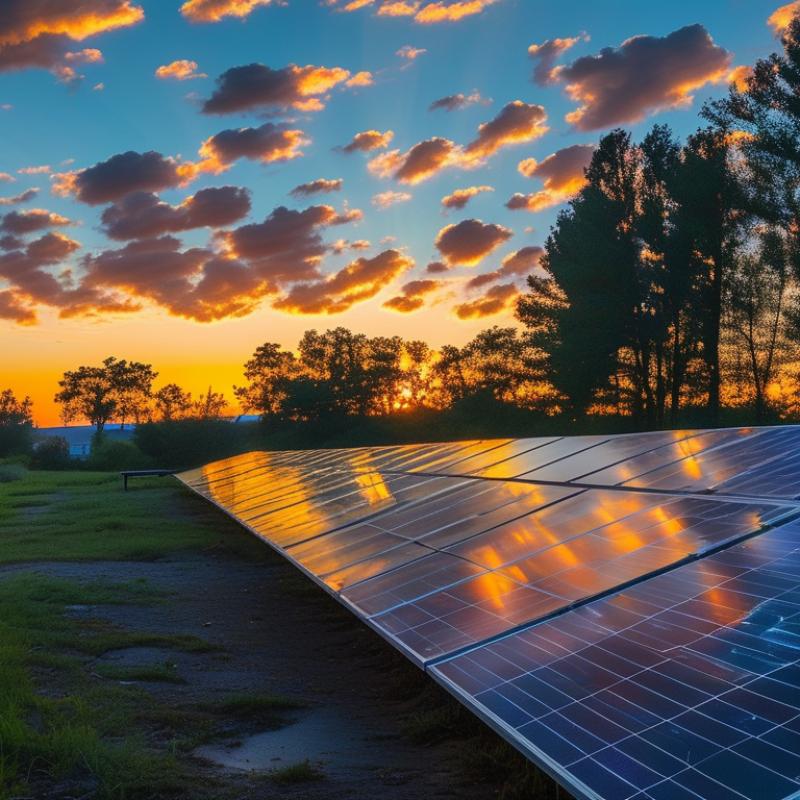
Why Are My Solar Lights Not Turning On at Night?

Common Reasons Solar Lights Fail to Turn On at Night

Solar lights are a great eco-friendly option for outdoor lighting. However, many users find that their solar lights fail to turn on at night. One common reason for this issue is inadequate sunlight during the day. Solar lights rely on solar panels to absorb sunlight, converting it into energy for nighttime use. Studies show that solar panels typically need around 6-8 hours of direct sunlight for optimal performance.

Another factor can be the age and quality of the batteries. Most solar lights utilize rechargeable batteries, which lose efficiency over time. According to industry reports, batteries should be replaced every 1-2 years to maintain peak performance. Dirt or debris on solar panels can also block sunlight, leading to poor charging. Time spent in a dusty environment can accumulate on the panel's surface.

Tips: Regularly clean your solar panels with a damp cloth to ensure maximum sunlight absorption. Check the battery health frequently. If they feel warm or swollen, it might be time for a replacement. Sometimes, the positioning of the light is crucial. Ensure your solar lights are not shaded by trees or buildings throughout the day. Adjusting their position can significantly improve their performance at night.

Understanding the Role of the Solar Panel in Performance

Solar lights are a popular choice for outdoor lighting. However, many users find their solar lights are not operating as expected at night. One key component is the solar panel, which directly affects performance. Solar panels absorb sunlight during the day, storing energy in batteries for use at night. If the solar panel is dirty or shaded, its efficiency drops significantly.

Research shows that dirt can reduce solar panel efficiency by up to 30%. Regular cleaning ensures optimal energy absorption. The angle of the solar panel also plays a crucial role. A tilt that is too steep or too flat can inhibit sunlight capture. A well-placed panel can maximize solar gain, providing enough energy for nighttime illumination.

It’s essential to consider the battery quality as well. Not all batteries store energy efficiently. Cheap batteries may lose charge faster, impacting light performance. Reviewing the specifications and ensuring proper installation can make a difference. Ultimately, understanding how solar panels function can lead to better nighttime lighting outcomes.

Solar Light Performance Analysis

This bar chart illustrates the key factors influencing the performance of solar lights. The metrics include the average number of daylight hours, battery charge duration, and how often the lights activate at night. Understanding these elements can help troubleshoot why solar lights may not operate as expected after dark.

Battery Issues That Prevent Solar Lights from Operating

Solar lights rely on solar energy to function effectively at night. When they fail to turn on, battery issues often lie at the heart of the problem. Poor battery performance can stem from several factors, including age, inadequate sunlight exposure, or faulty wiring. If the batteries are old or damaged, replacing them may be the only solution.

Did you know that solar batteries need direct sunlight to recharge? It’s crucial to position your lights in areas that receive ample sunlight during the day. If the solar panel is shaded by trees or structures, the battery may not charge fully. Check the location and adjust if necessary.

Here are some tips to keep your solar lights functioning optimally. Regularly clean the solar panels to ensure they absorb sunlight effectively. Dirt and debris can block light from reaching the panel. Additionally, inspect the battery connections for corrosion or damage. This can prevent the batteries from charging properly.

Remember, solar lights often come with rechargeable batteries. If you notice a decline in performance over time, it might indicate that the batteries are nearing the end of their lifespan. In such cases, replacing the batteries with new, high-quality options can enhance overall operation. Keep these simple practices in mind to ensure your solar lights shine brightly at night.

How Weather Conditions Affect Solar Light Functionality

Weather plays a crucial role in the functionality of solar lights. Rain, snow, and extreme temperatures can directly affect their performance. Studies show that cloudy days can reduce solar energy absorption by up to 90%. This lack of sunlight significantly affects battery charging, leading to dimmer lights at night or, in some cases, no illumination at all.

Cold temperatures also impact solar battery efficiency. Lithium-ion batteries, commonly used in solar lights, can lose up to 20% of their capacity in freezing conditions. This decline means fewer hours of operation after sunset. Additionally, dust and debris accumulating on solar panels can further limit performance. In fact, a clean solar panel can be up to 20% more efficient compared to a dirty one.

High humidity levels can cause moisture to accumulate inside the light fixtures. This may lead to corrosion and reduced lifespan of the electrical components. Unexpected fluctuations in weather can present challenges for solar light users. Reflecting on these conditions can help users troubleshoot issues and improve their solar light experience.

Why Are My Solar Lights Not Turning On at Night? - Factors Affecting Solar Light Functionality

Factor Impact on Solar Lights Recommendations
Insufficient Sunlight Solar lights may not charge fully, leading to dim or no light at night. Ensure solar panels are placed in a sunny location, free from shade.
Weather Conditions Rainy or cloudy weather can reduce charging efficiency. Consider using solar lights with larger panels or additional battery capacity.
Dirty Solar Panels Dirt and debris can block sunlight from reaching the solar cells. Regularly clean the solar panels with a soft cloth.
Battery Age Old or failing batteries may not hold a charge effectively. Replace batteries every 1-2 years, depending on usage.
Improper Installation Incorrect positioning can hinder charging or operation. Follow installation instructions carefully and adjust position as needed.

Tips for Troubleshooting and Maintaining Solar Lights

When solar lights don’t turn on at night, it can be frustrating. Troubleshooting is essential to resolve the issue. Start by checking the solar panel. Ensure it is clean and free from dust or debris. Dirt can block sunlight and reduce charging efficiency. Just a simple wipe can make a difference.

Next, inspect the position of the solar lights. They should ideally receive at least six hours of direct sunlight daily. If they are placed in shaded areas, they will not charge properly. Consider relocating them to sunnier spots. Also, check the batteries. Over time, they may need replacement. Try using a multimeter to test battery voltage.

Lastly, revisit the settings. Many solar lights have a power switch, which can be easily overlooked. Ensure it is turned on. If adjustments don’t help, it may be time to consult a professional. Solar lights can be sensitive, and sometimes, troubleshooting requires experience. Don't hesitate to seek expert advice if needed.

FAQS

: Why do my solar lights not turn on at night?

: Inadequate sunlight during the day is a common reason. Solar panels need 6-8 hours of direct sunlight.

How does the age of the batteries affect solar lights?

Batteries lose efficiency over time. Replace them every 1-2 years for optimal performance.

What should I do if my solar panels are dirty?

Clean your solar panels regularly. Use a damp cloth to ensure maximum sunlight absorption.

Can the location of my solar lights affect their performance?

Yes, ensure they are not shaded by trees or buildings. Adjusting their position can improve performance.

How does weather impact solar light functionality?

Cloudy days can reduce energy absorption by up to 90%, affecting battery charging and light performance.

What happens to batteries in cold weather?

Cold temperatures can decrease battery efficiency by up to 20%, leading to fewer hours of operation at night.

Why should I be mindful of humidity around solar lights?

High humidity can cause moisture buildup, leading to corrosion and shorter lifespan of components.

How can dirt affect solar panels?

Dirt can reduce efficiency by up to 30%. Keeping panels clean is essential for optimal energy capture.

Are all batteries suitable for solar lights?

Not all batteries store energy well. Cheap batteries may lose charge faster, affecting performance.

Should I check my solar light specifications?

Yes, reviewing specifications ensures proper installation and can affect overall performance significantly.

Conclusion

If you're wondering "why are my solar lights not turning on at night," there could be several common reasons behind this issue. The performance of solar lights primarily hinges on the efficiency of the solar panel, which collects sunlight during the day. If the panel is dirty or malfunctioning, it may not generate enough energy for the lights to function at night. Additionally, battery issues can arise, as a deteriorating or improperly charged battery can prevent lights from operating.

Weather conditions also play a significant role in the functionality of solar lights. Overcast days or extreme temperatures may impact their ability to charge effectively. To troubleshoot and maintain your solar lights, ensure that the solar panels are clean, check the battery's health, and protect the lights from extreme weather when possible. By addressing these factors, you can help ensure your solar lights work reliably throughout the night.

Henry

Henry

Henry is a dedicated marketing professional with a profound expertise in the company's offerings. With years of experience in the industry, he possesses an impressive understanding of the market dynamics and consumer behaviors that drive success. Henry is committed to sharing his insights through......