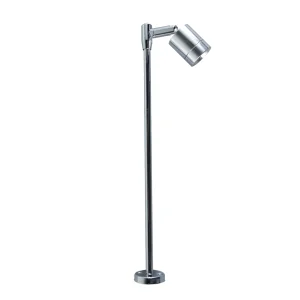
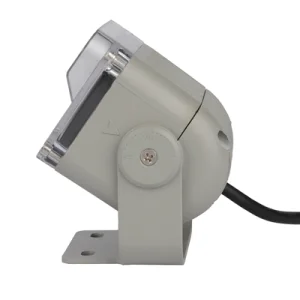
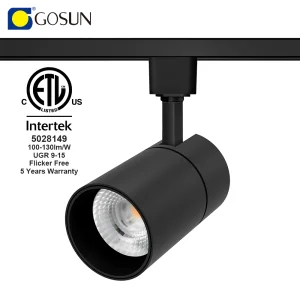
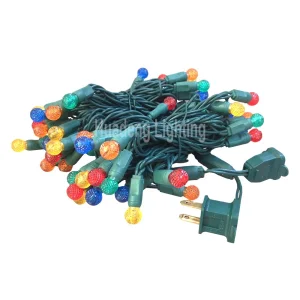
Explore our high-demand motion sensor and commercial lighting product portfolio, designed for energy savings and seamless space optimization.
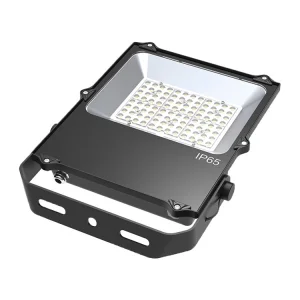
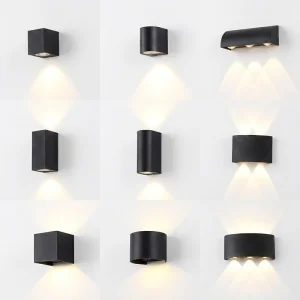

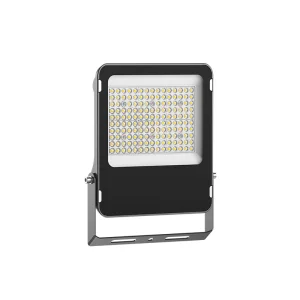
As energy costs rise globally and strict carbon compliance laws like Title 24 (California) and the EU Energy Efficiency Directive (EED) come into force, passive building features are transforming. Dynamic, sensor-driven systems are quickly replacing static lighting installations. Today’s motion-activated lights combine radar and infrared sensing with modern LED chips to lower energy use by up to 85% compared to manual switches. Modern motion-sensing lighting fixtures do not simply turn on and off. Instead, they intelligently analyze space occupancy, measure ambient lux thresholds, and integrate seamlessly with building management protocols to balance occupant safety and sustainable energy targets.
Understanding the exact engineering difference between modern motion sensor categories is critical for bulk importers, contractors, and project planners.
| Sensing Technology | How It Works | Detection Range | Best Used For | Key Engineering Advantages |
|---|---|---|---|---|
| Passive Infrared (PIR) | Detects changes in infrared thermal radiation across its field of view. | 3m to 12m; broad angles | Residential halls, closet spaces, low-traffic areas. | Very low power draw; ignores moving inanimate objects (fans, plants). |
| Microwave Doppler | Sends active electromagnetic pulses and reads wavelength shifts. | Up to 25m; penetrates barriers | Industrial parking facilities, large open offices. | Highly sensitive; operates through drywall, wood, glass; long lifespan. |
| Ultrasonic Sensors | Emits acoustic waves and tracks frequency disruptions in space. | Wide volume; no line-of-sight needed | Multi-stall restrooms, dense office grids. | Exceptional spatial volume awareness; detects even micro-movements. |
| AI & Smart Camera System | Processes live visual frames via local edge AI processor. | Variable, up to 50m | Smart cities, complex industrial zones. | Classifies human vs. vehicle; counts occupancy rates for automated HVAC. |
Established Year
Max Energy Savings
Strict Aging & QA Tested
Global Certifications
Where is sensor-driven lighting heading? We analyze the core integration roadmaps driving the industry forward over the next decade.
Future sensor chips will bypass cloud dependencies, using onboard microprocessors to process complex spatial environments locally. This eliminates lag, reduces bandwidth consumption, and improves user data privacy.
Unified local smart home communication. Moving forward, motion sensor lights will connect effortlessly across ecosystems, linking with HVAC, security systems, and smart shading without requiring proprietary hubs.
Transitioning toward self-sustaining structures. Solar and ambient RF power harvesting technologies will fuel next-generation outdoor motion fixtures, eliminating wiring needs and reducing lithium-ion battery waste.
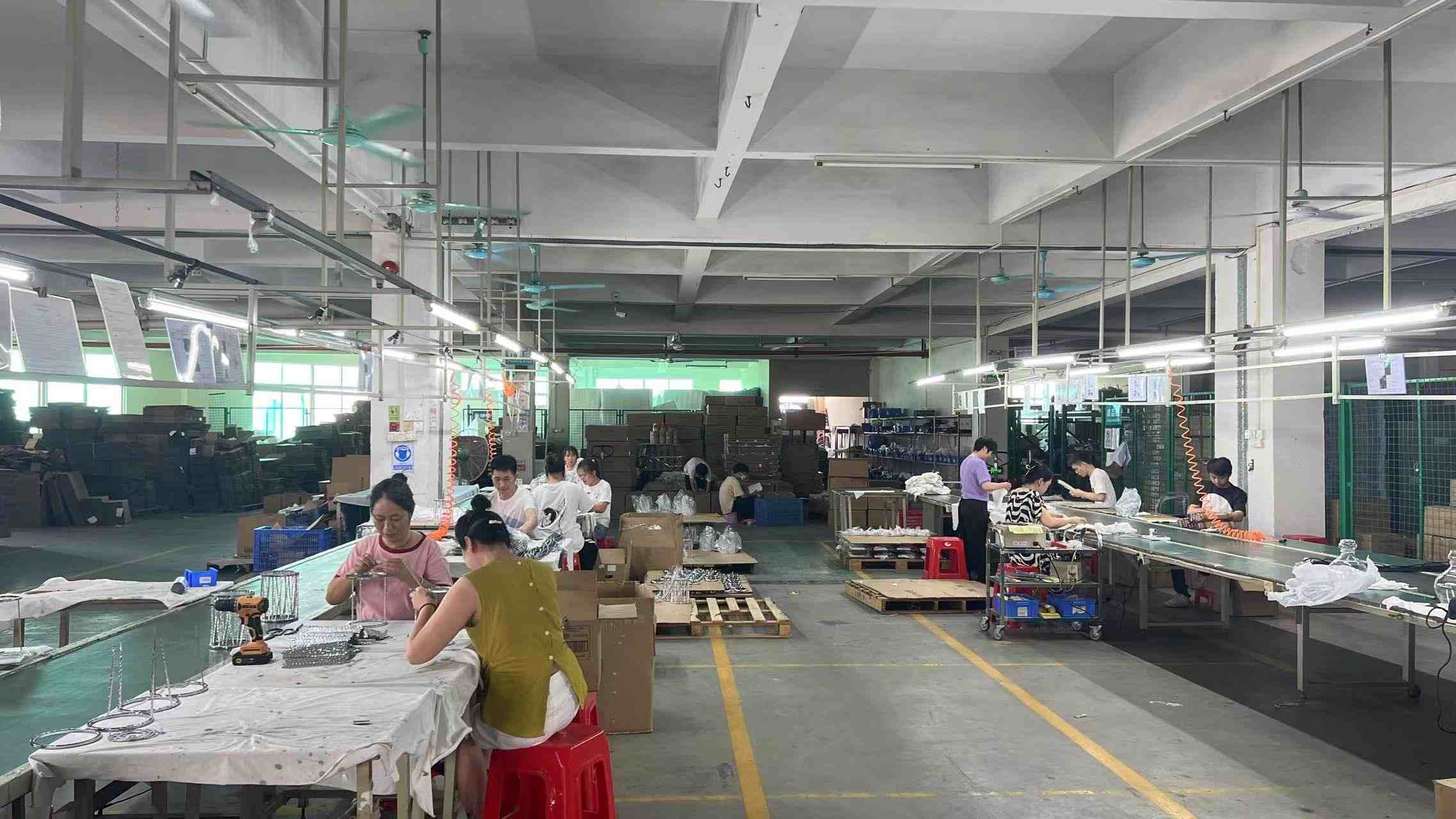
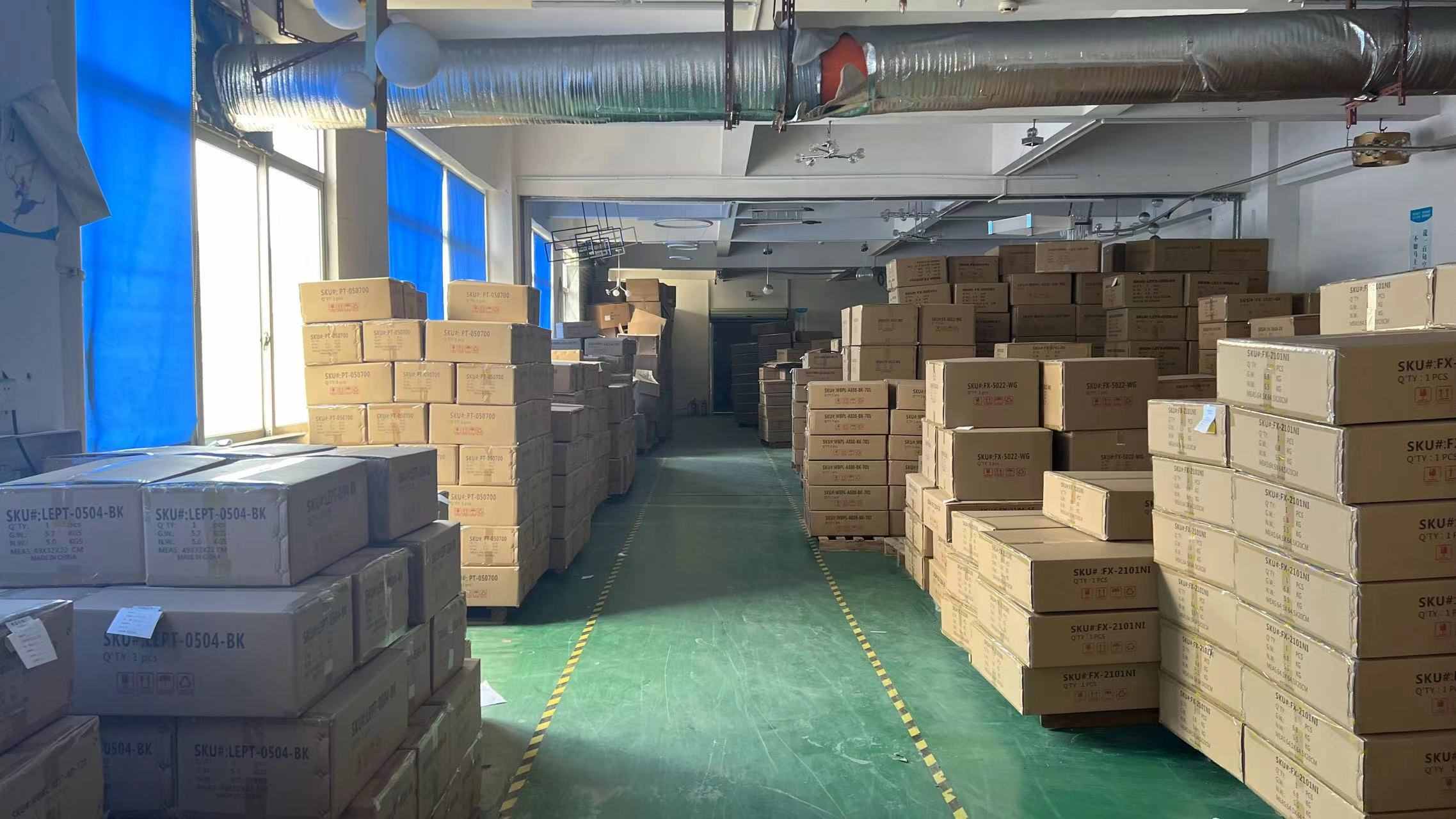
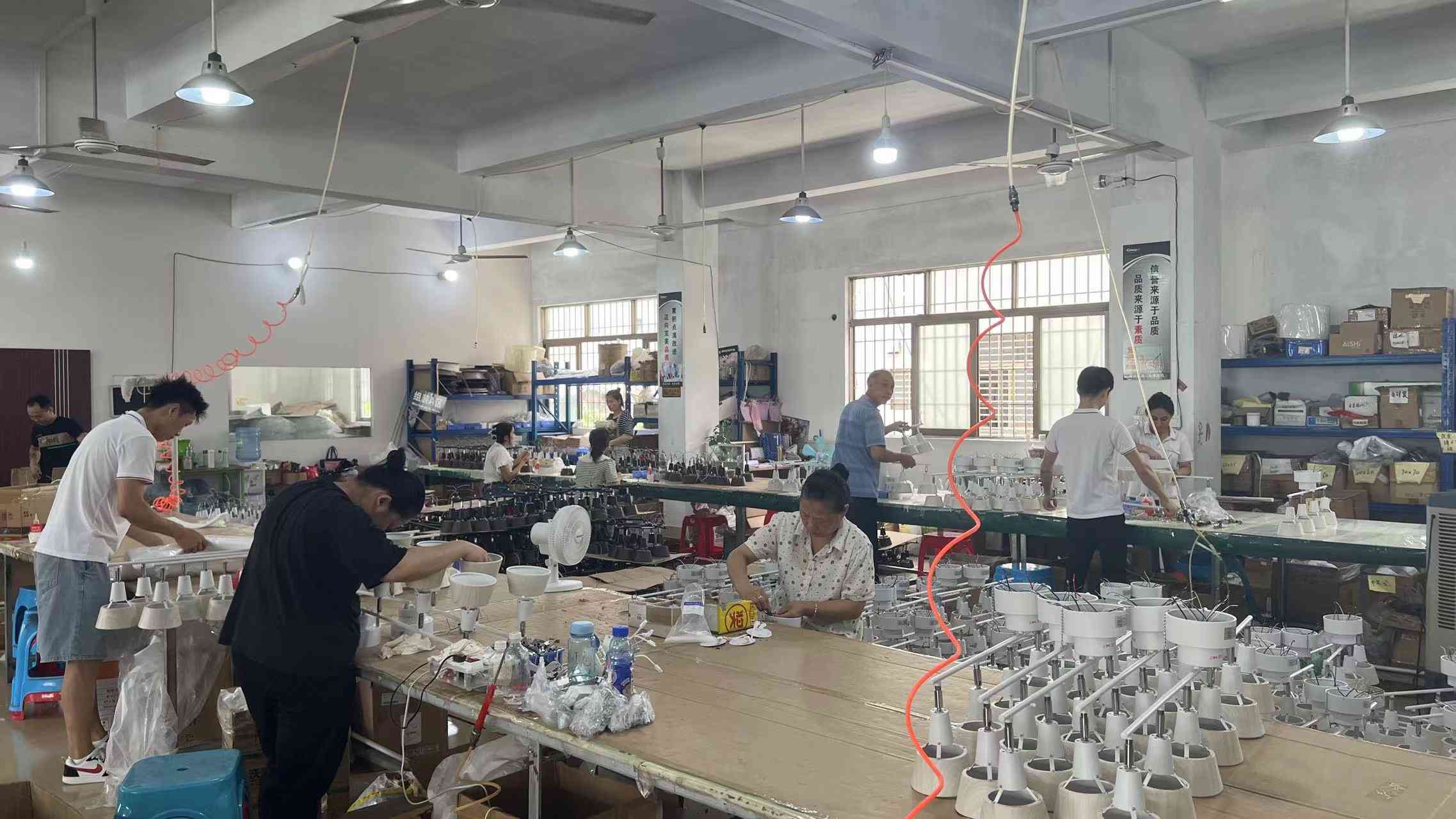
Located in the heart of Dongguan's manufacturing hub, Dongguan CLC Lighting Co., Ltd. blends strict production control with vertical integration to keep operations running smoothly.
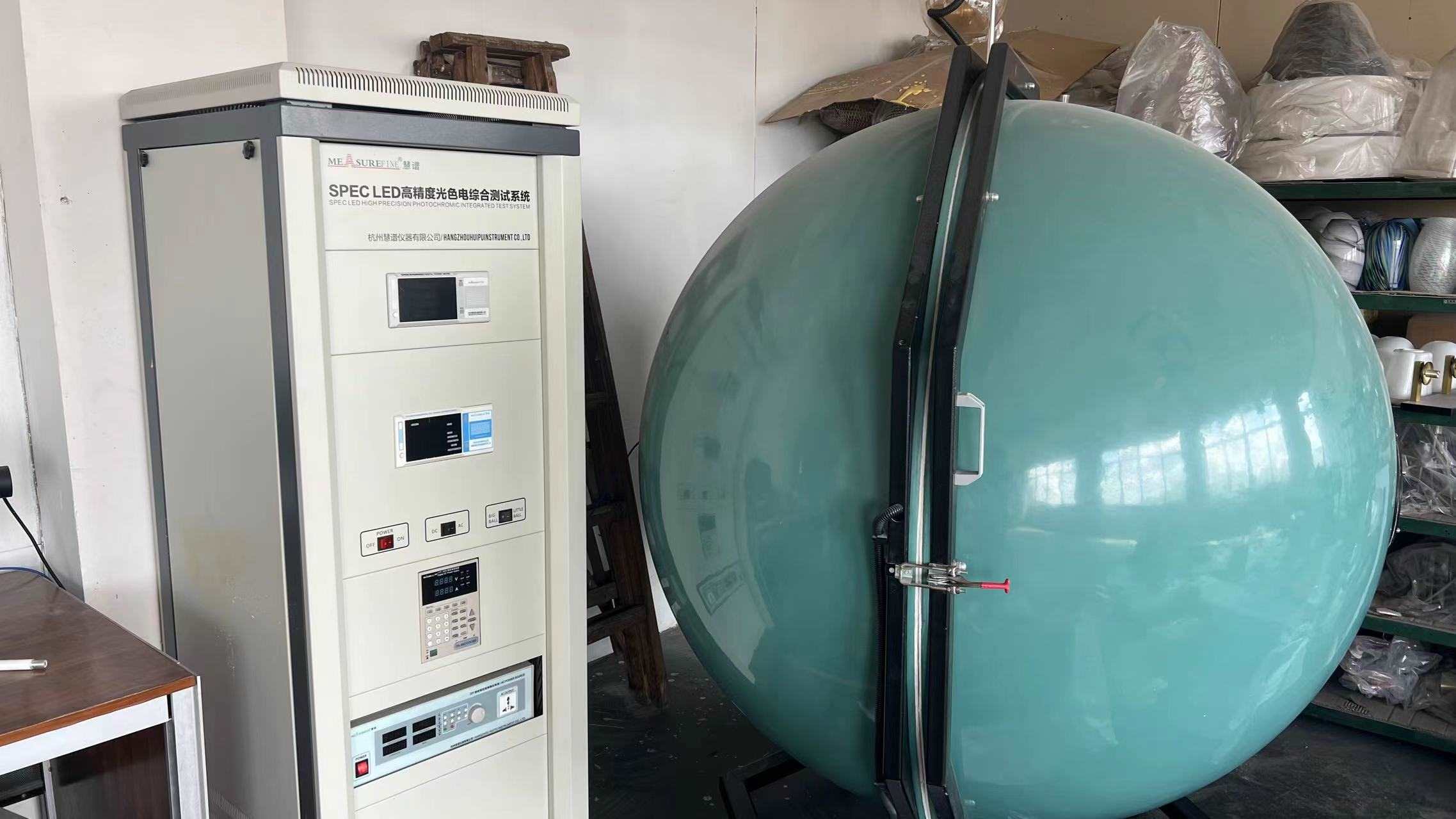
Since entering the lighting sector in 2002, CLC Lighting has transitioned from manufacturing traditional incandescent and CFL bulbs into running a modern, semi-automated LED facility. Our deep industry presence enables us to source raw materials efficiently, execute precise automated assembly steps, conduct thorough aging inspections, and run final testing processes quickly. This direct, well-managed supply chain translates to shorter lead times and consistent product quality for our global B2B clients.


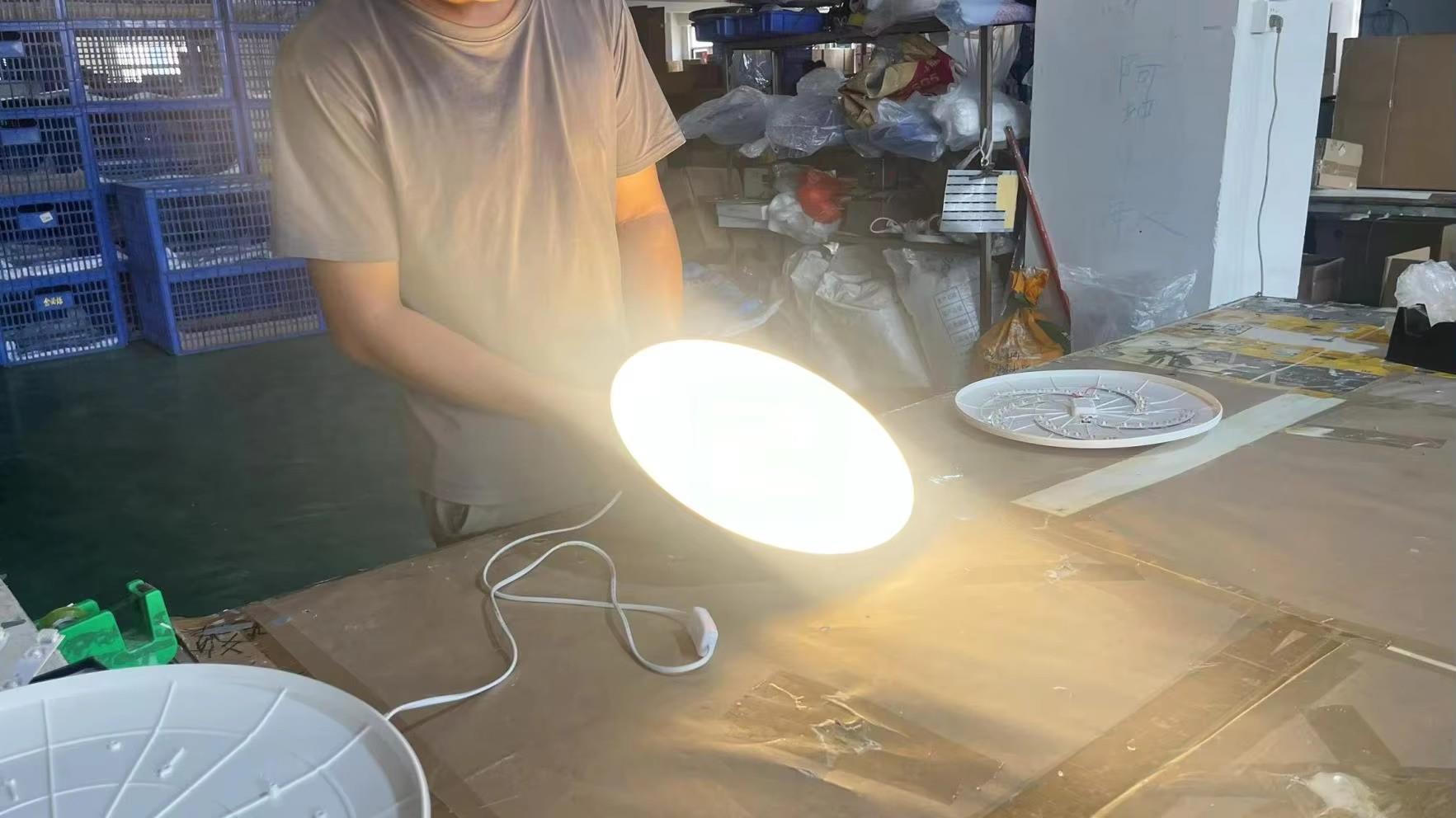

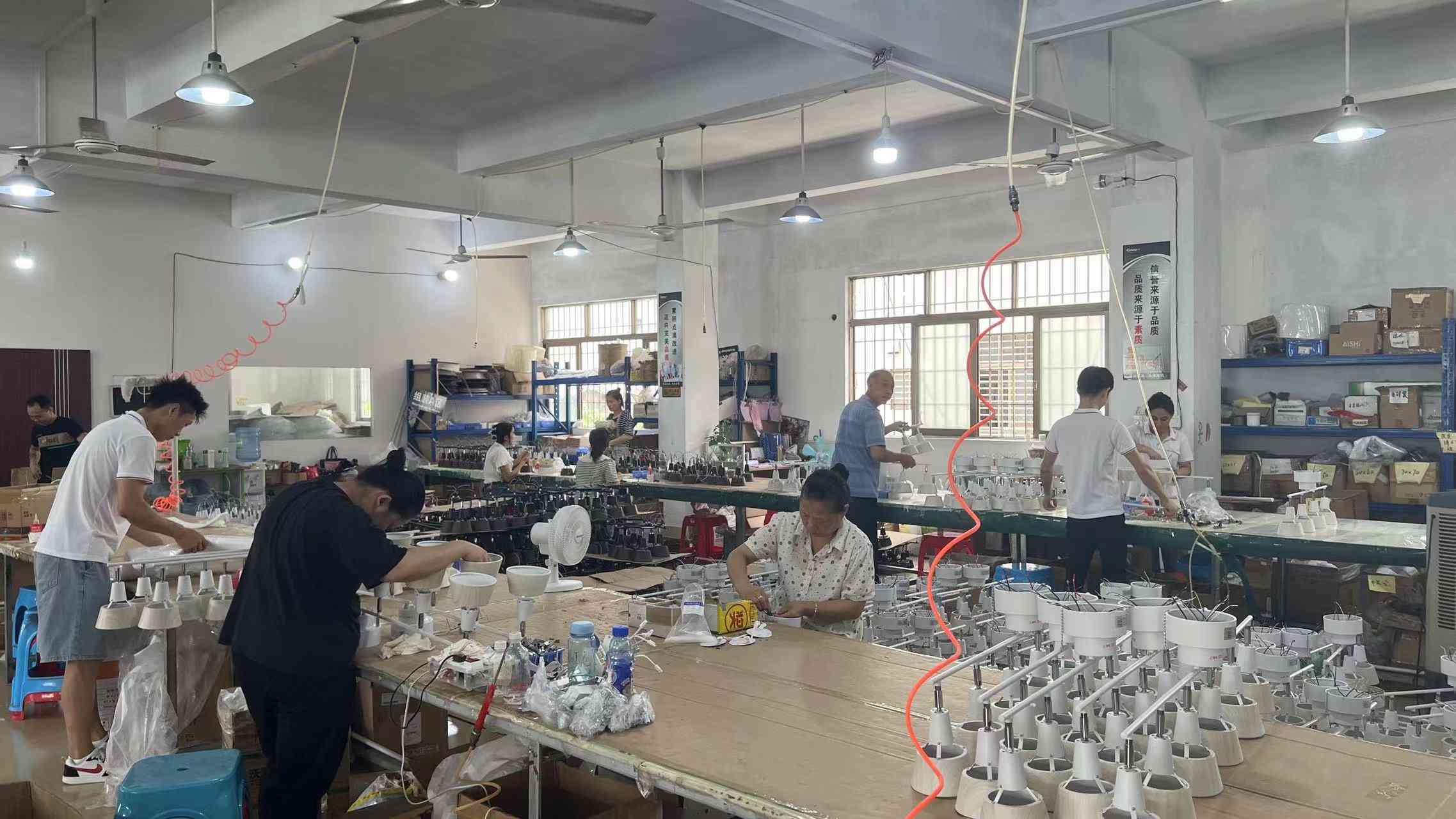
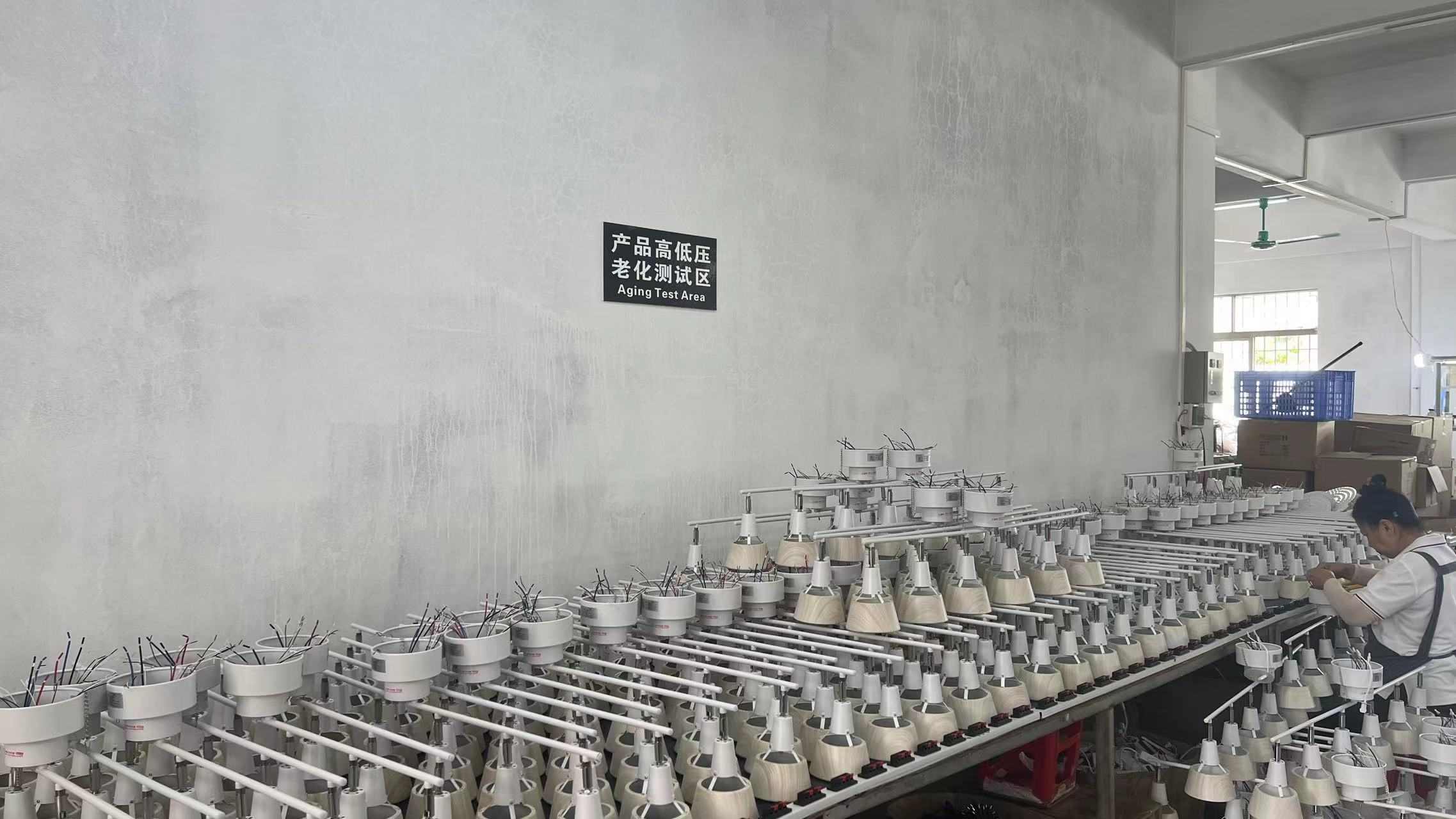
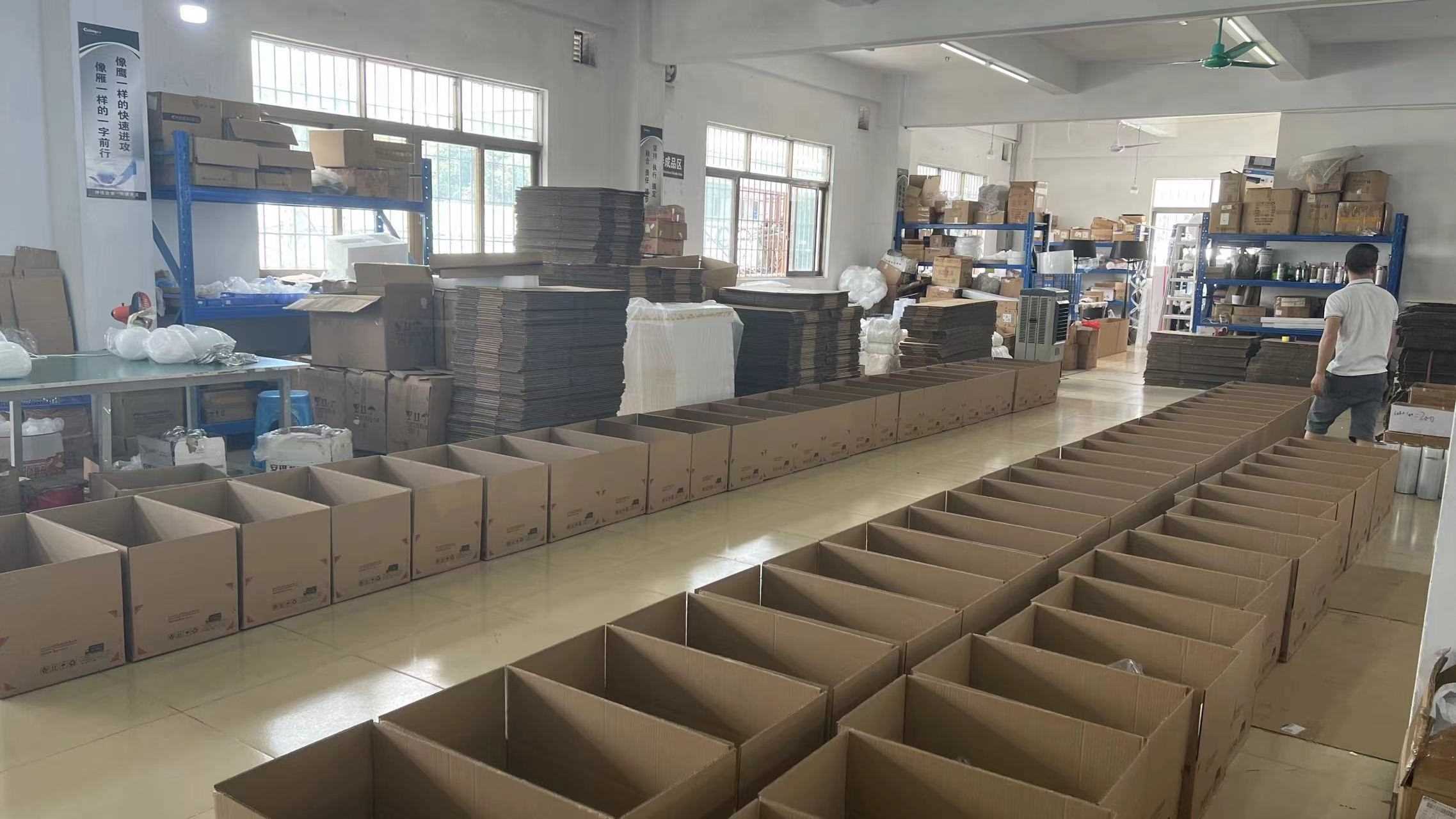
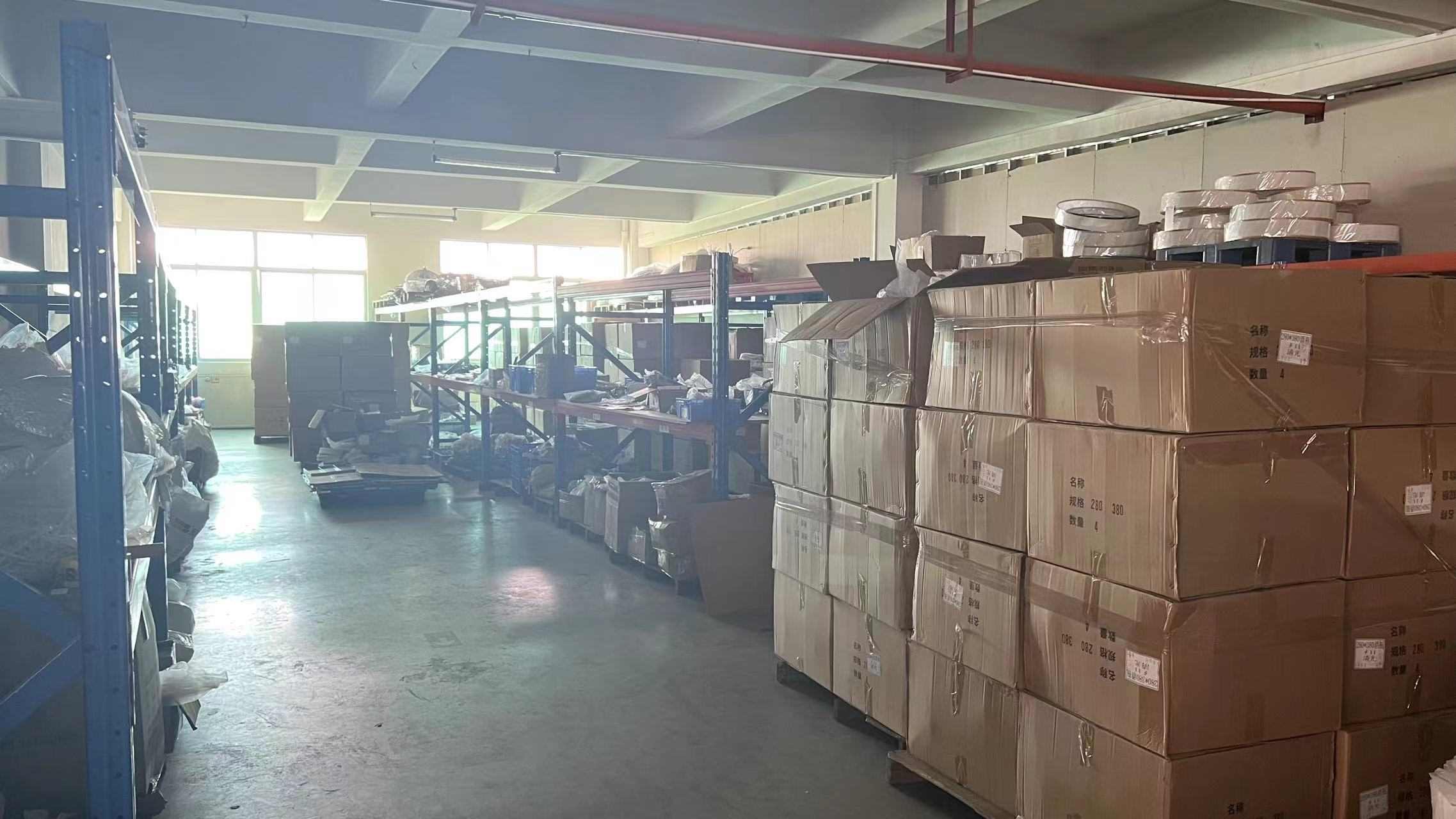

Motion-activated lights need to perform reliably in different settings. Explore our targeted design approaches for specific environments.
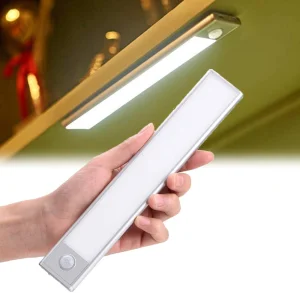
Modern homes benefit from compact, battery-powered or rechargeable under-cabinet luminaires. These units run on PIR sensor triggers to cast targeted task lighting in closets, wardrobes, and kitchen counters without requiring messy electrical upgrades.
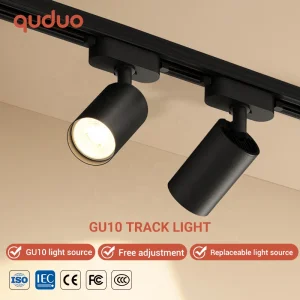
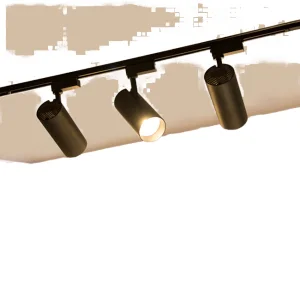
By pairing adjustable track lighting with smart occupancy and daylight-harvesting controls, office common areas, showrooms, and retail aisles dim down or turn off during quiet periods, keeping operational overhead low.
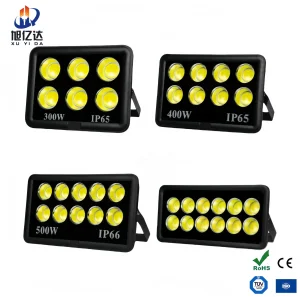
High-powered, waterproof IP65/IP66 flood lights work well in loading bays, warehouses, and perimeter pathways. Armed with high-sensitivity microwave radar systems, they quickly switch from a low-energy standby glow to 100% brightness the moment motion is detected.
Navigating varying regional standards is essential for a smooth import process. Dongguan CLC Lighting maintains complete certifications for global markets.
Every lighting fixture we manufacture undergoes electrical, photometric, and thermal testing to ensure hassle-free custom clearance and retail onboarding in North America, Europe, South America, and Asia.
Our engineering team works closely with safety laboratories, providing detailed testing reports, LM-79/LM-80 files, and complete technical compliance documentation to help you import with peace of mind.
Critical sourcing insights to help you make informed decisions when importing motion-activated lighting products.
Commercial-grade motion-activated light fixtures utilize high-end pyroelectric elements (in PIR) or frequency-stable modules (in microwave radar) combined with premium LED drivers (featuring low total harmonic distortion and high power factor). Standard consumer grades often experience false triggers, struggle in extreme cold or hot temperatures, and typically use low-cost drivers that flicker or fail within 12 months. At CLC Lighting, our fixtures run on robust circuits designed to withstand input surges and handle over 50,000 switching cycles.
We offer a highly flexible, step-by-step OEM/ODM service. Clients can customize sensor sensitivity ranges, lux threshold settings, hold times, and color rendering indexes (CRI). Our experienced research and development division supports custom enclosure design, structural tooling creation, driver modifications, packaging customization, and complete compliance certification testing.
PIR sensors require a direct line of sight and read changes in heat signatures, which can be less effective in outdoor spaces where temperature variations, heavy winds, or rain interfere with thermal detection. In contrast, microwave radar sensors emit high-frequency waves that easily pass through wind and rain to detect motion. This makes them ideal for large parking lots and outdoor venues, offering detection zones up to 25 meters away without false triggers.
For standard wholesale and trial orders, production typically runs between 25 to 30 days. Custom OEM/ODM projects requiring specialized structural molds, customized PCB designs, or specific testing approvals usually take 45 to 60 days. Our vertical manufacturing model in Dongguan keeps component sourcing times short and helps us keep projects on schedule.
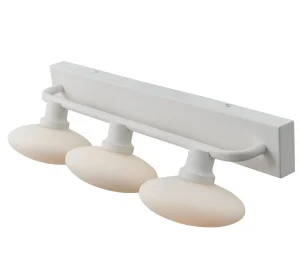
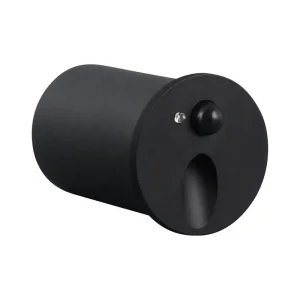
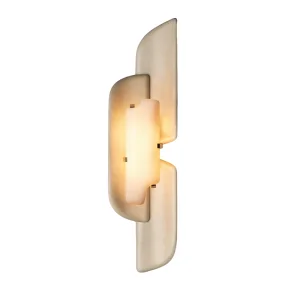
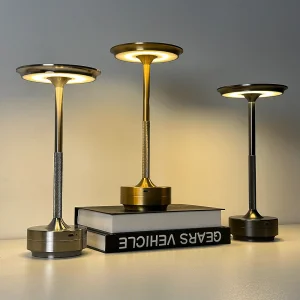
From indoor step indicators and decorative wall sconces to robust outdoor flood lights, explore our full catalog of high-efficiency fixtures.