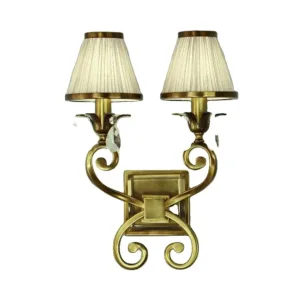
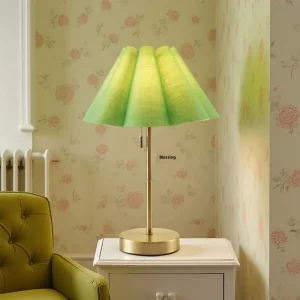
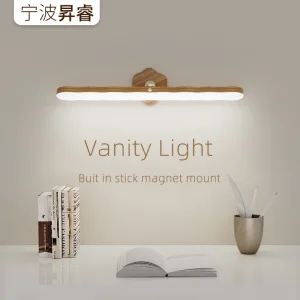
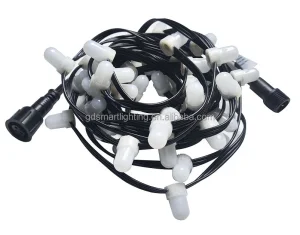
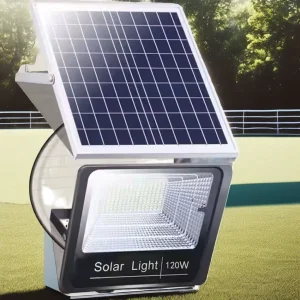
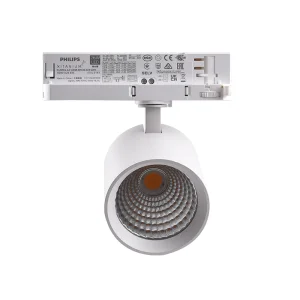
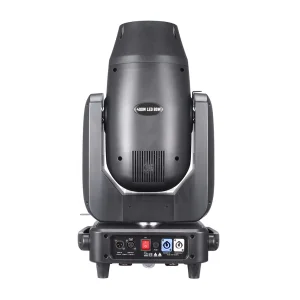
Explore our flagship high-performance lighting collections built for rigorous industrial and commercial specifications.
An authoritative analysis of structural trends, performance benchmarks, and geopolitical supply dynamics in architectural illumination.
The global commercial and industrial LED downlighting market is undergoing a profound transition. Driven by stringent sustainability codes, human-centric lighting (HCL) science, and smart-city integration, modern downlights are no longer considered simple luminescent components. They are now complex optoelectronic systems requiring advanced thermal management, optical precision, and power driver reliability. According to market intelligence reports, the global architectural lighting market is expected to surpass USD 12 billion by 2028, with downlights maintaining a commanding 42% market share within the commercial segment.
For global procurement departments, engineering firms, and high-end distributors, identifying premium manufacturers is a strategic imperative. The transition from legacy compact fluorescent (CFL) and halogen housings to integrated LED systems has altered the factory selection checklist. Factors such as Unified Glare Rating (UGR) levels, color rendering fidelity (CRI/Rf/Rg), system efficacy (lm/W), and driver failure rates (FIT) now dictate project success and return on investment (ROI).
Understanding regional compliance, technical parameters, and specification standards across global markets.
Architectural downlighting is characterized by distinct localized requirements. While North American buyers look for ETL/cETL markings, compliance with UL 1598 (standard for safety of luminaires), and Title 24 JA8 certification, European procurement projects demand strict adherence to CE, RoHS, and the updated ErP (Energy-related Products) guidelines.
Beyond simple compliance, the technical parameters of the LED downlight must align with its intended application scenario. High-end retail settings demand exceptional color rendering index values (CRI >90, R9 >50) and low MacAdam Ellipse steps (SDCM ≤3) to ensure color consistency across fixtures. In contrast, heavy industrial applications focus on IP rating protection (IP65 or higher for wet and dust-prone environments) and optimal thermal management systems (die-cast aluminum heatsinks with vertical thermal dissipation pathways).
Prioritizes occupant well-being. Focuses on Unified Glare Rating (UGR ≤19) to prevent eye strain, combined with flicker-free dimming (0-10V or DALI) and smart daylight harvesting sensors.
Emphasizes aesthetics, product representation, and ambiance. Demands deep dimming profiles (down to 1% or 0.1%), high CRI (Ra ≥95), and tunable white capabilities (2700K - 6500K).
Requires rugged designs capable of withstanding dust, moisture, and high ambient temperatures. Features IP65/IP66 ratings, IK08 impact protection, and optical lensing for directional light control.
Analyzing the industrial supply chain integration that makes China the undisputed hub for lighting exports.
China remains the epicenter of the global lighting supply chain, accounting for over 70% of global LED luminaire production. This dominance is not simply a function of labor cost efficiency; rather, it is the result of advanced industrial clustering, vertical supply chain integration, and massive investments in automated manufacturing infrastructure.
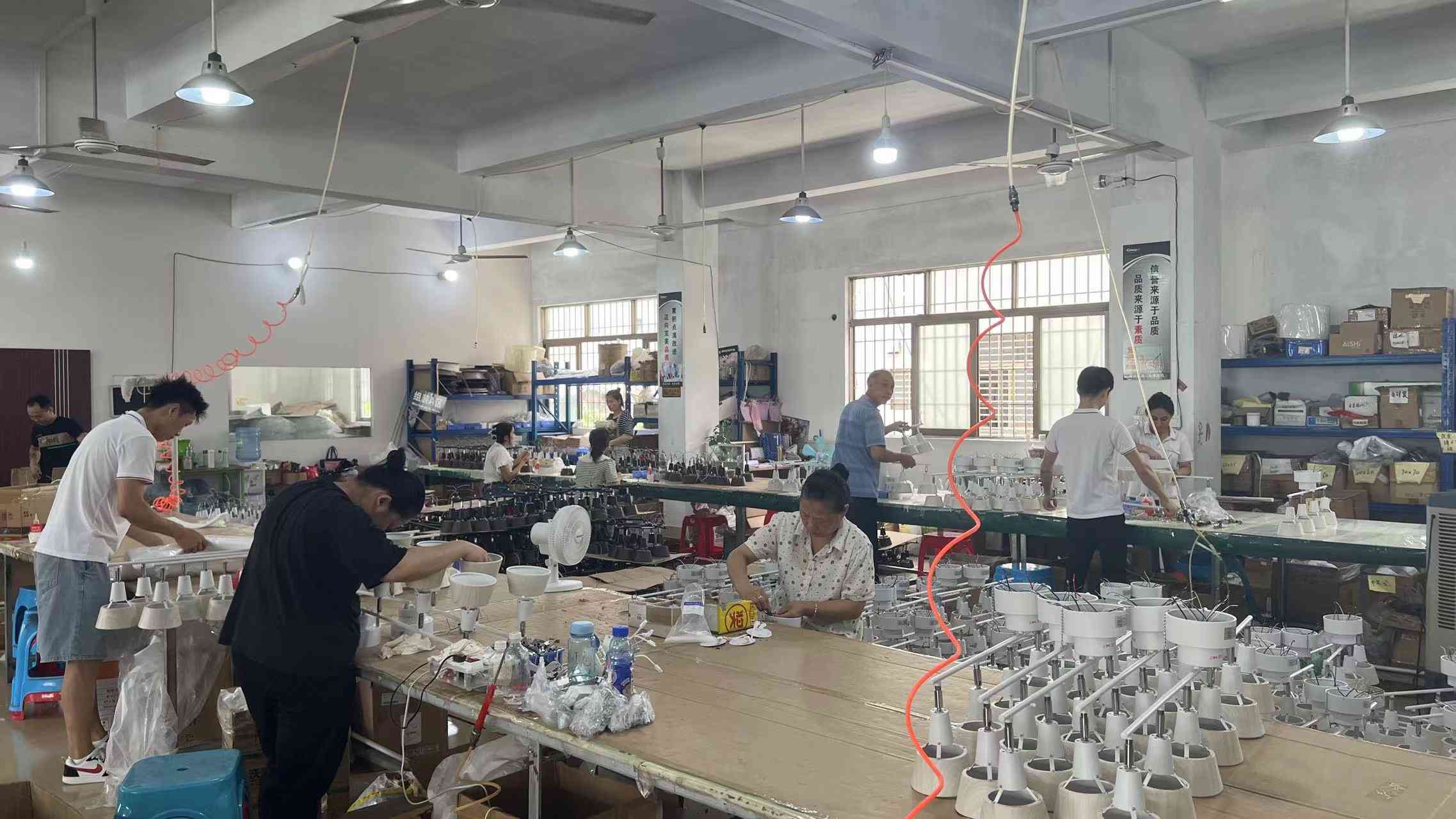
Within lighting manufacturing hubs like Dongguan and the wider Pearl River Delta, a factory can source LED chips, custom-designed drivers, extruded aluminum housings, and high-precision optical lenses within a 50-kilometer radius. This geographic clustering reduces lead times, minimizes transport risks, and enables rapid prototyping.
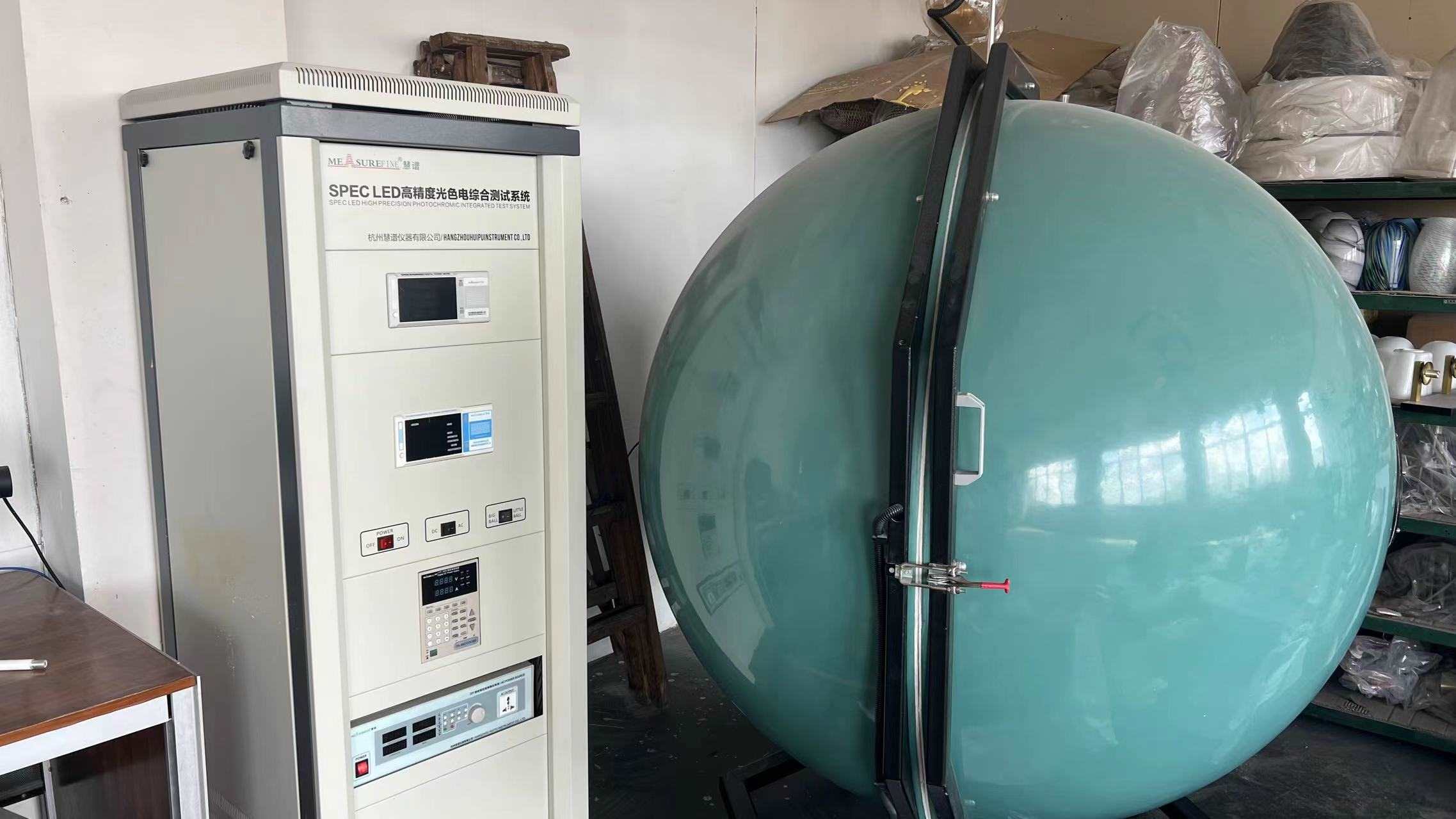
Furthermore, leading Chinese manufacturers have integrated automated Surface Mount Technology (SMT) lines, automated aging tunnels, and computerized goniophotometer testing within their own facilities. This level of vertical integration guarantees that high-output production runs maintain the exact same performance tolerances as the initial certified samples.
A professional lighting manufacturer dedicated to high-quality products and comprehensive lighting solutions since 2002.
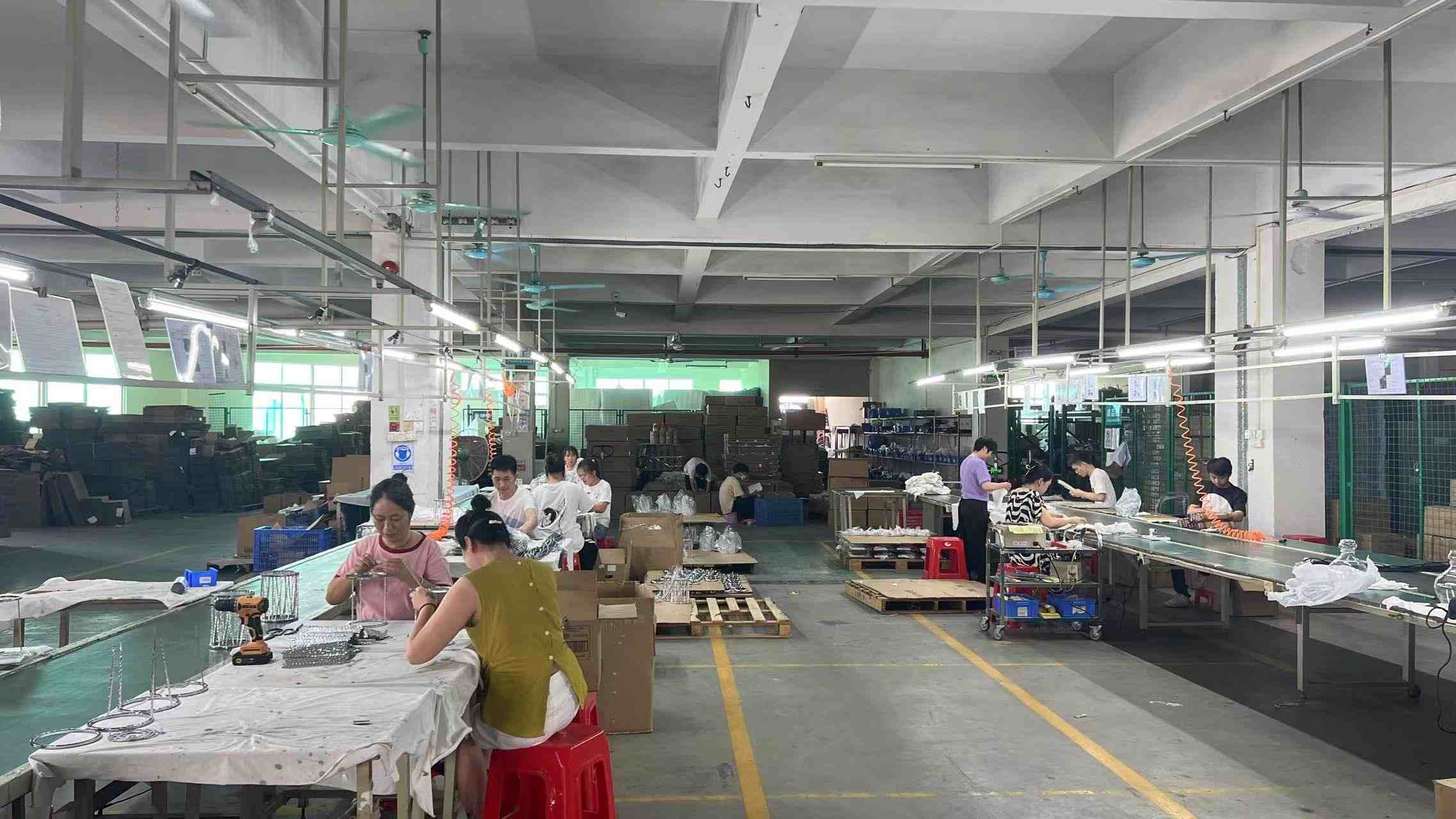
Established in 2002, Dongguan CLC Lighting Co., Ltd. has evolved from a manufacturer specializing in traditional incandescent bulbs, halogen lamps, and CFL energy-saving lamps into a modern, high-tech LED lighting enterprise. Today, the company serves as a critical manufacturing partner for global brands, wholesalers, and project contractors across Europe, North America, South America, the Middle East, and Southeast Asia.
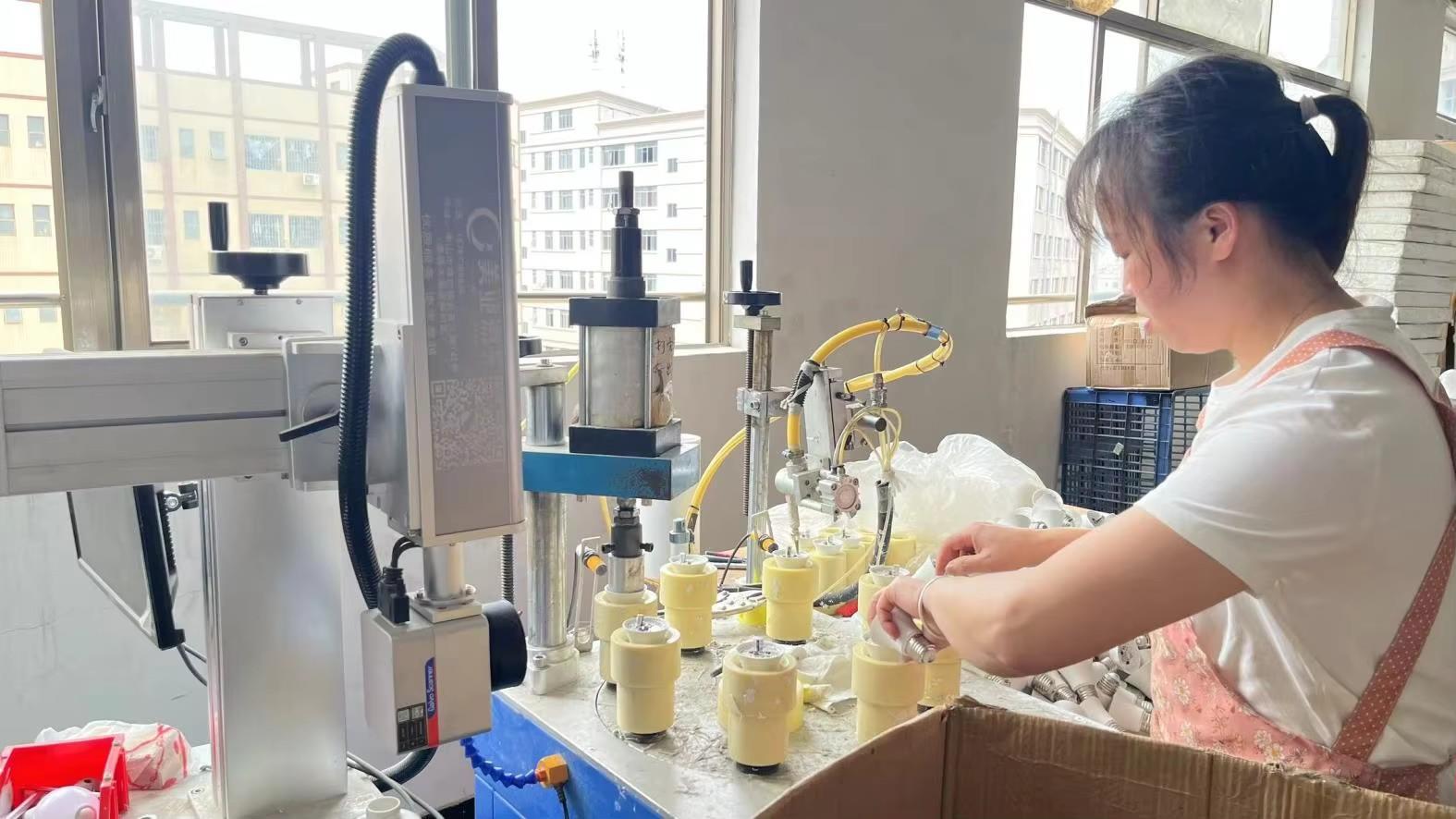
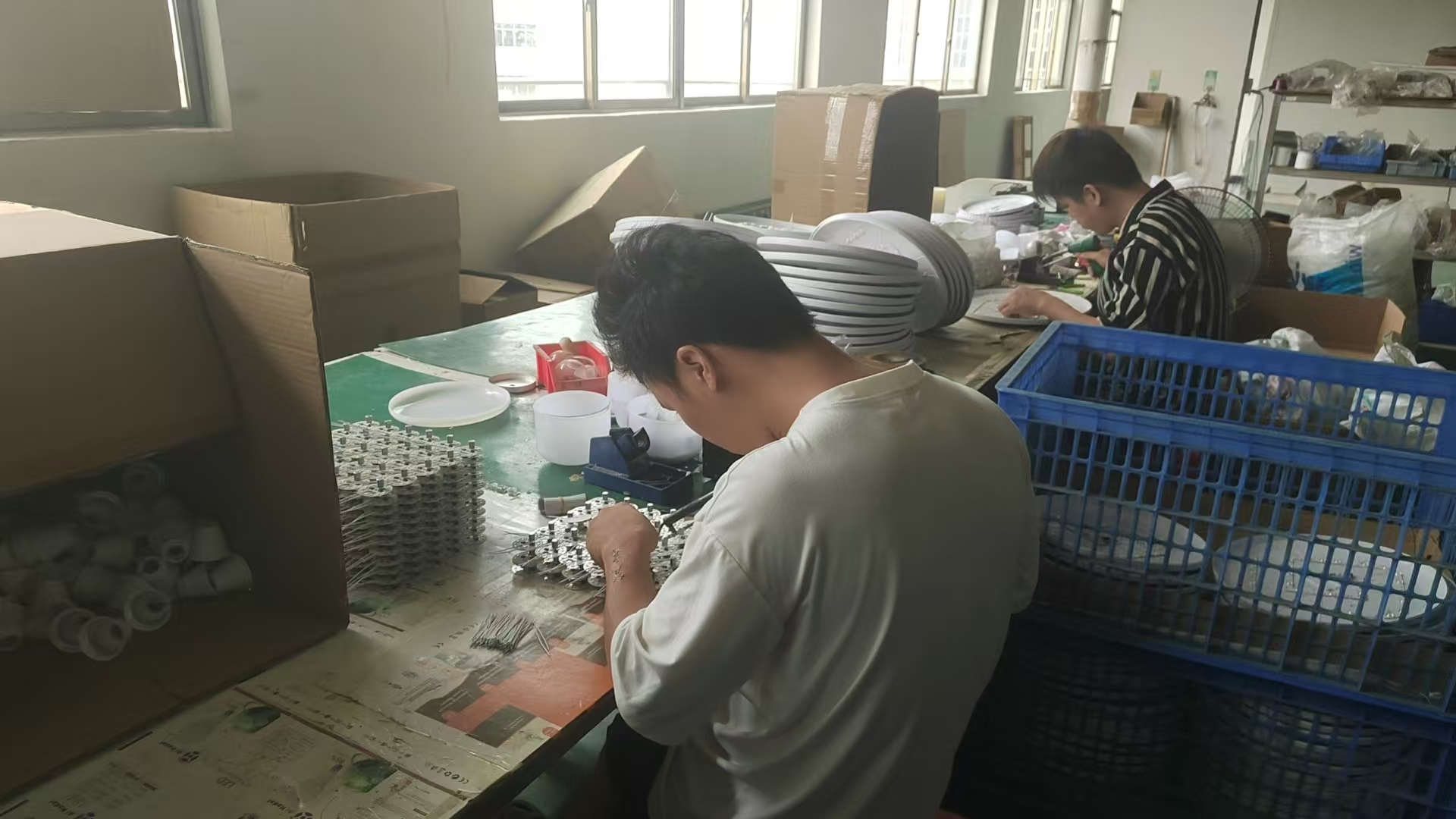
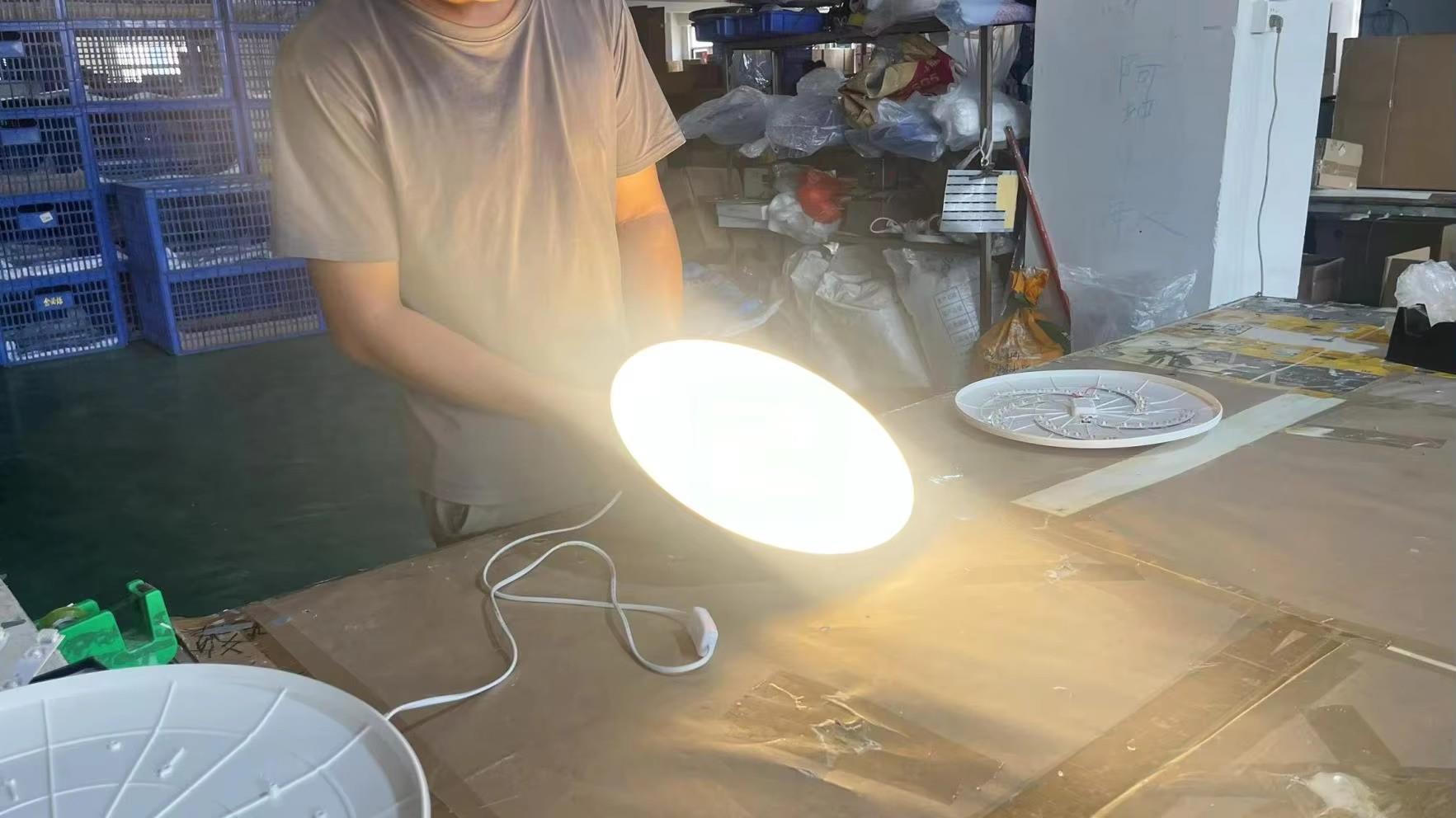
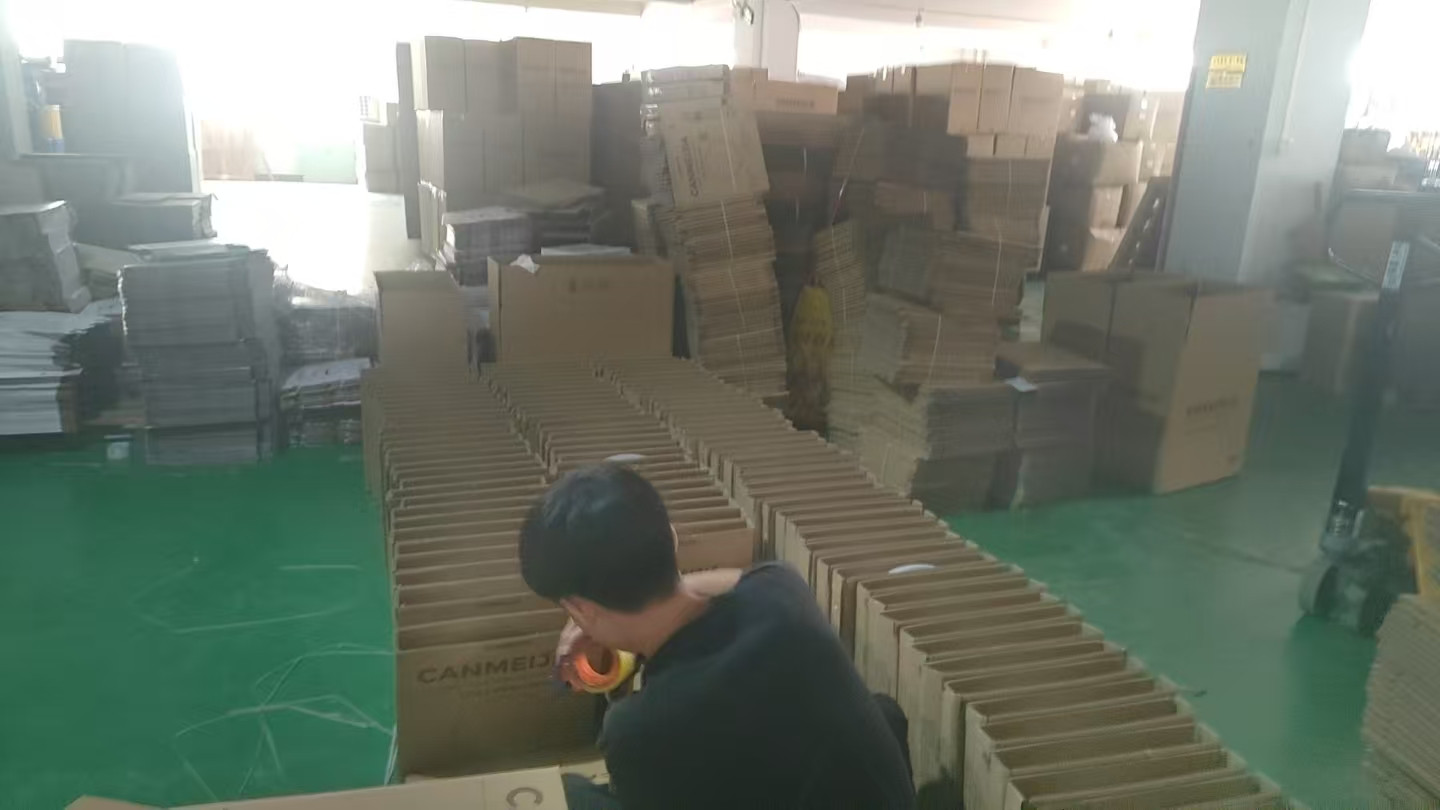
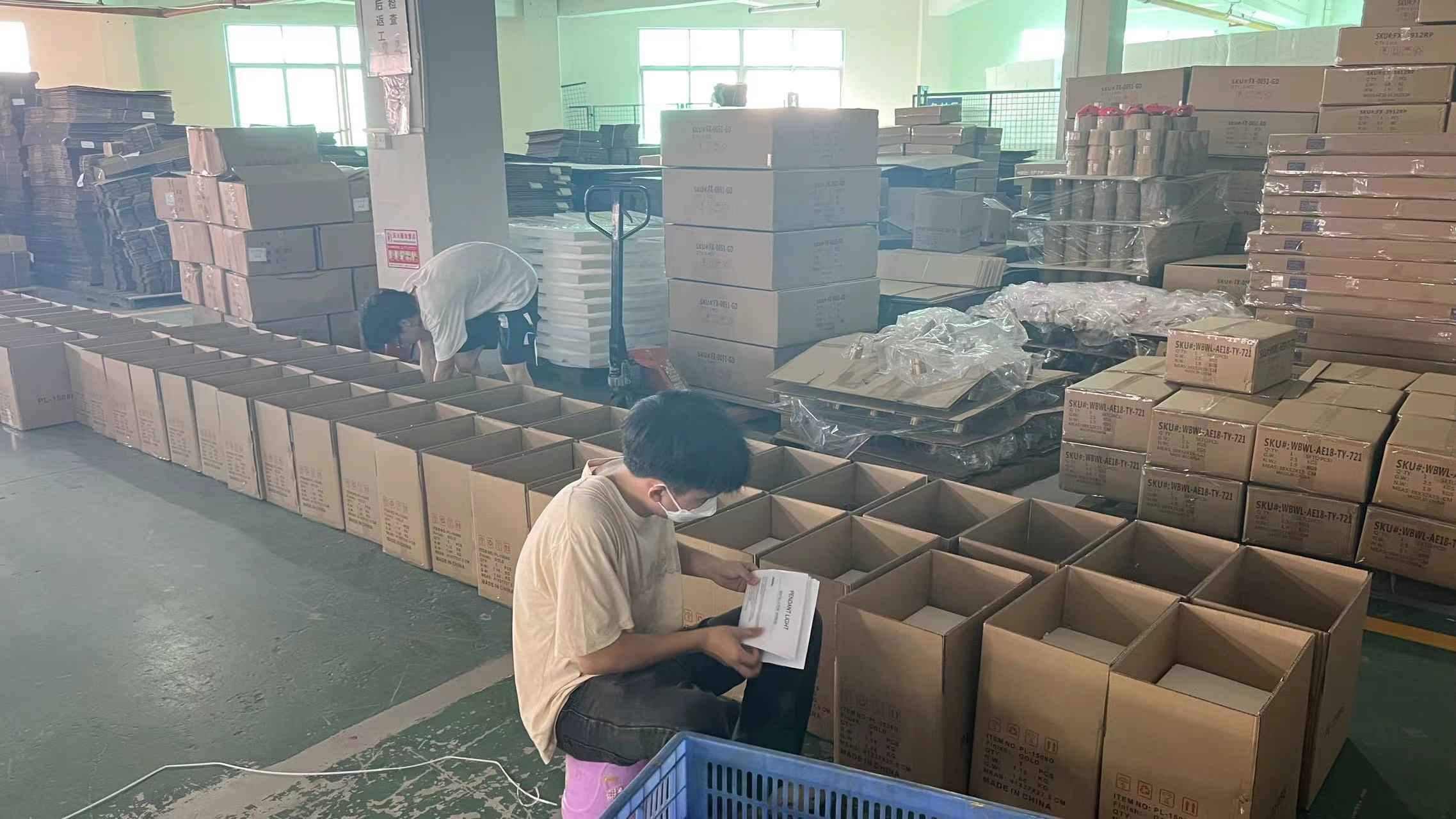
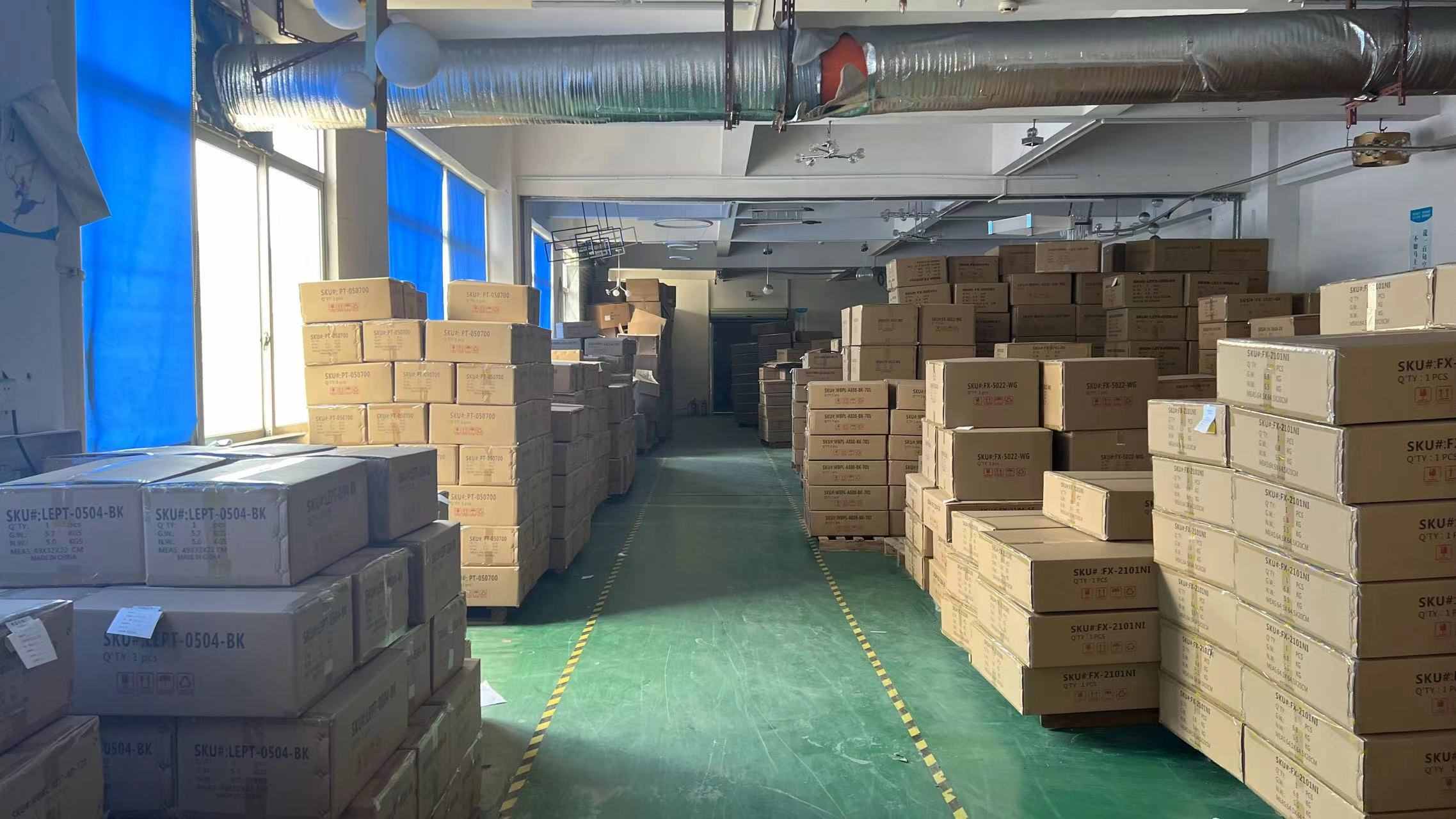
CLC Lighting is equipped with advanced automated production machinery, professional testing equipment, and an experienced team of engineering and quality management professionals. Every step of the production process—from raw material inspection to assembly, thermal testing, and packaging—is strictly controlled. Their products comply with international safety and energy efficiency standards, carrying certifications including CE, ETL, cETL, ERP, RoHS, DOE, and CEC.
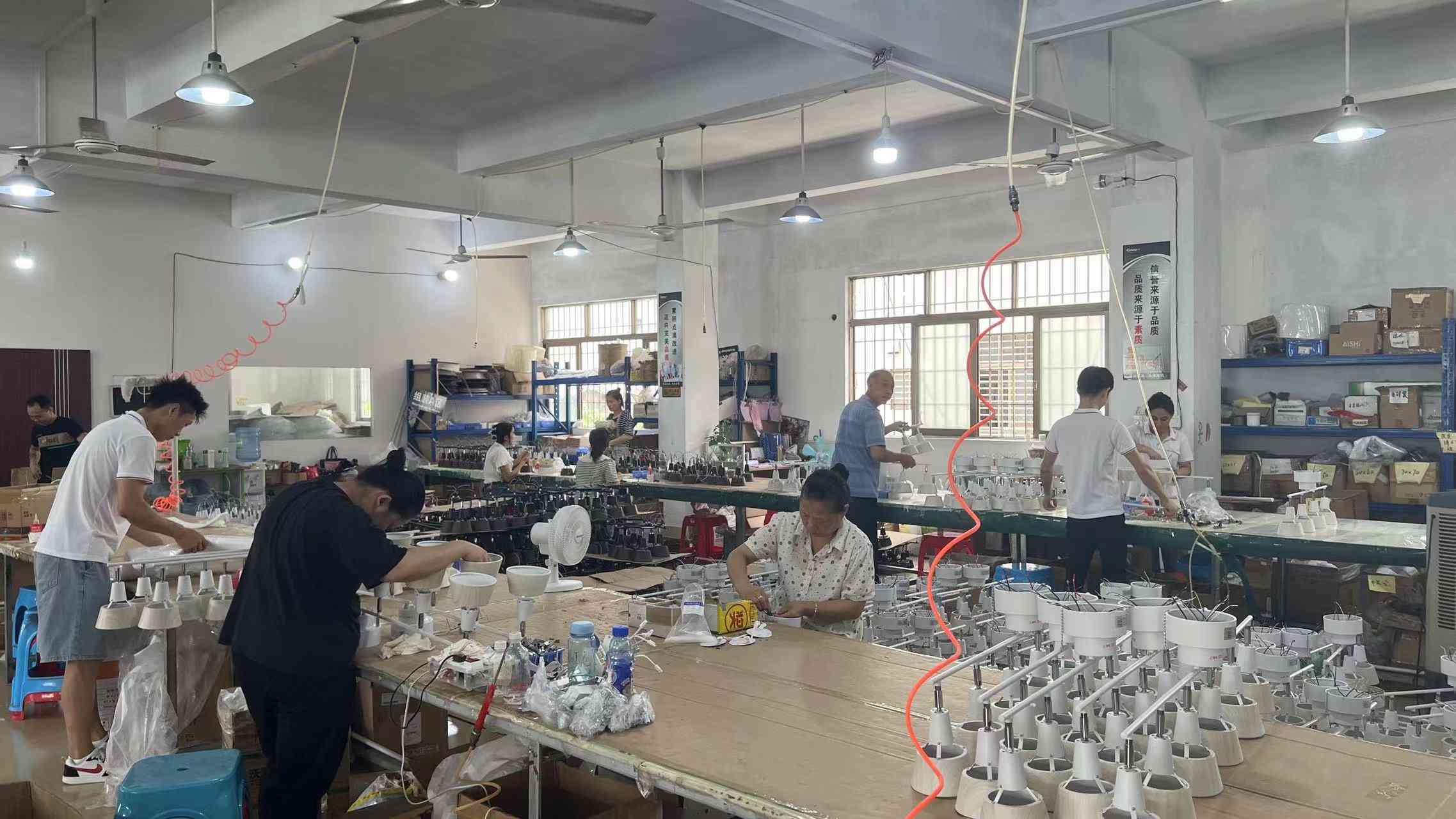
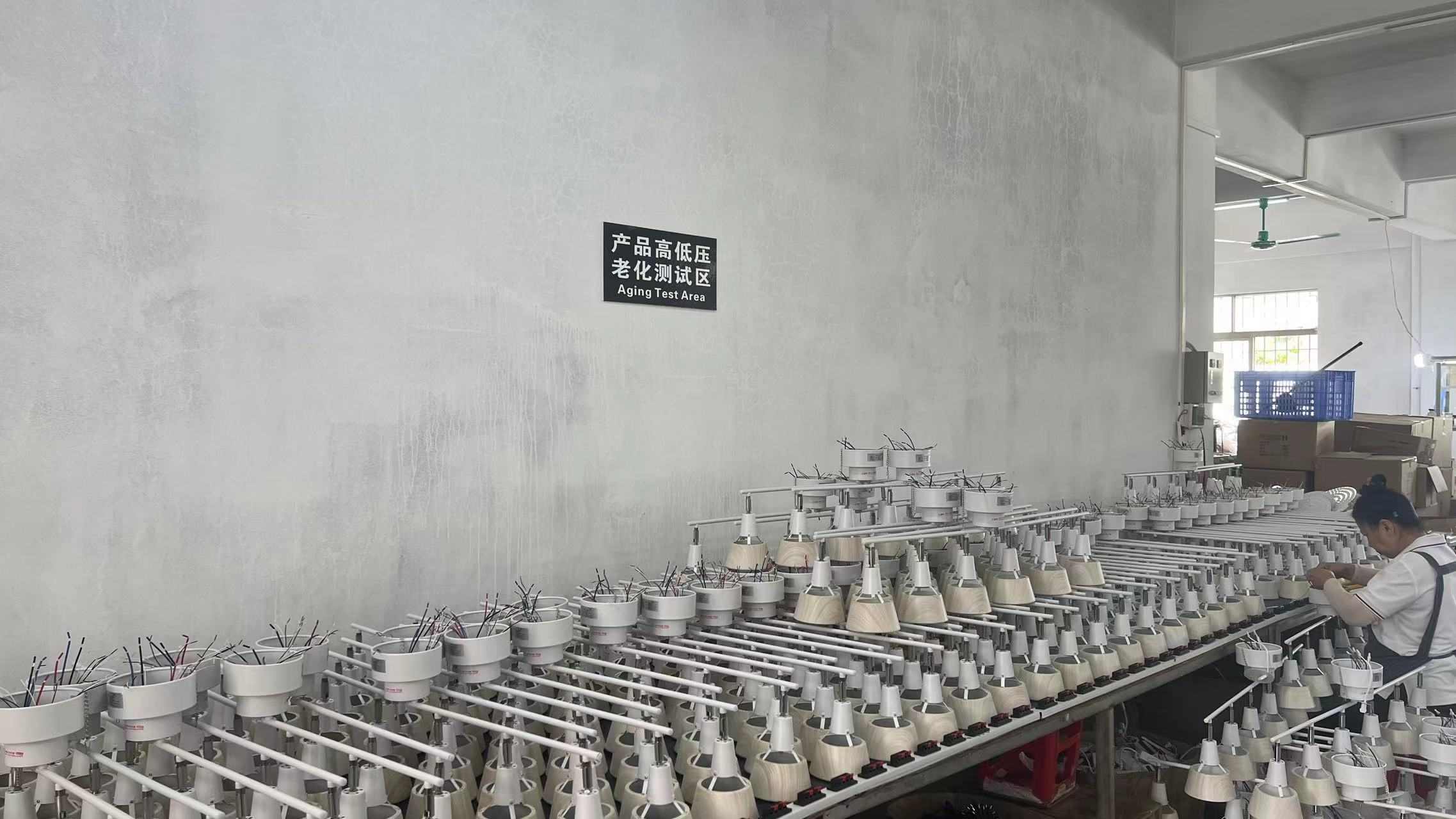
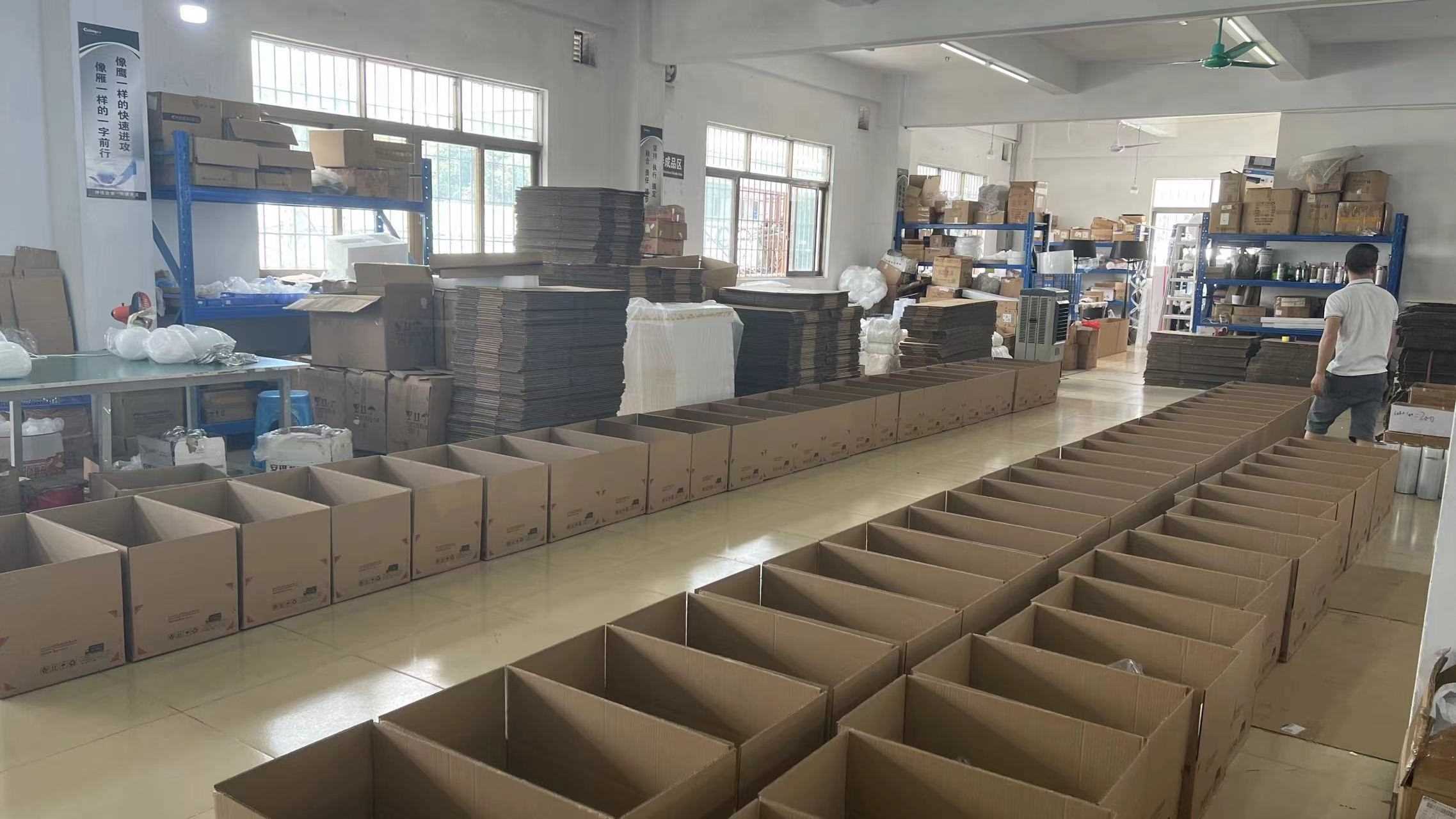
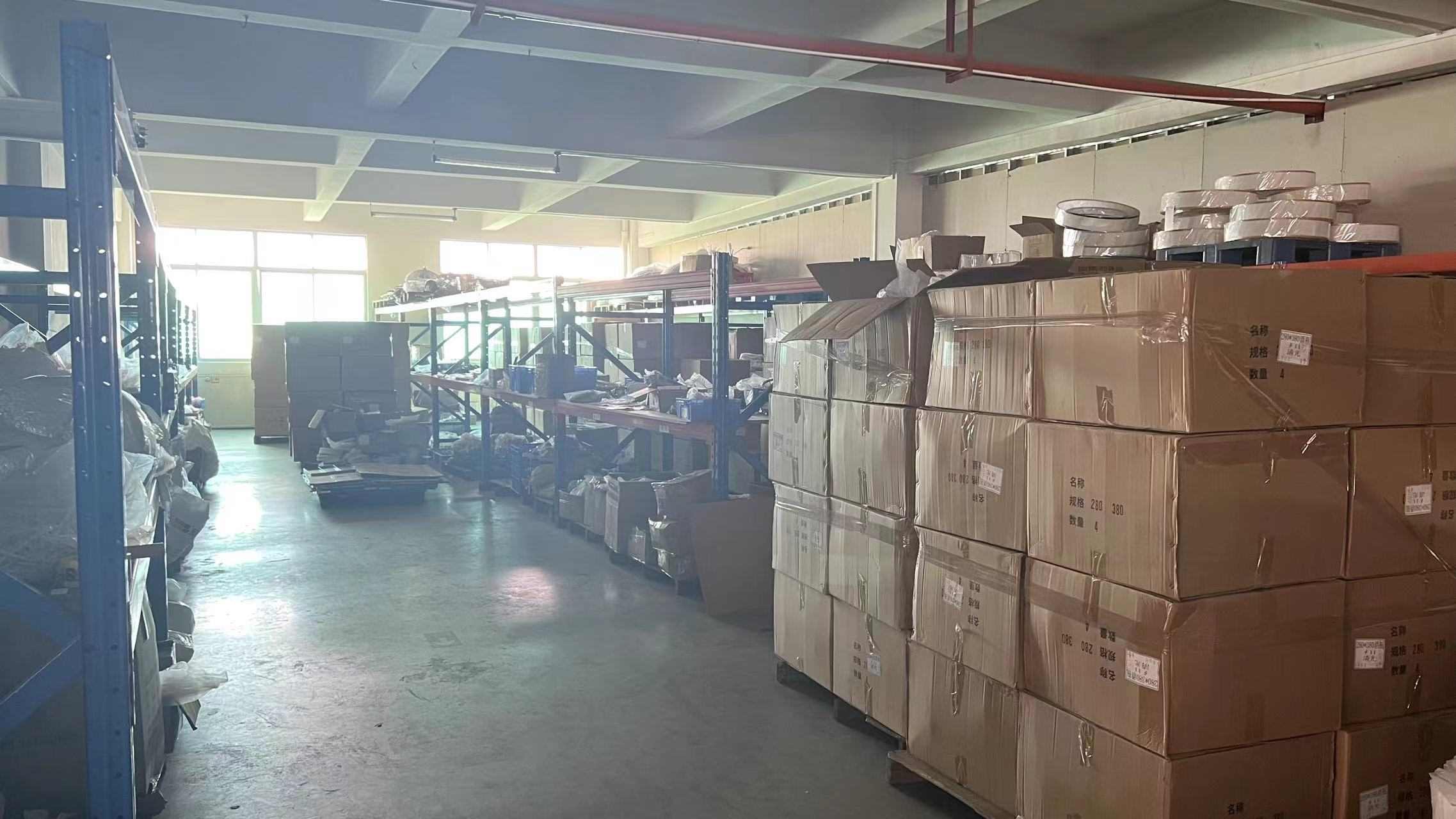
Staying ahead of the curve: key technologies shaping the future of industrial and commercial lighting design.
By mimicking the natural circadian rhythm through automated color temperature shifts (from warm 2200K morning hues to crisp 5000K afternoon light), HCL systems improve occupant concentration, decrease fatigue, and boost overall workplace productivity.
The integration of DALI-2 (Digital Addressable Lighting Interface) and wireless mesh technologies (such as Bluetooth SIG mesh and Zigbee) allows for individualized fixture addressing, real-time power consumption diagnostics, and granular luminaire control.
Sustainability mandates are pushing manufacturers toward tool-free driver replacement and field-replaceable optical elements. This design approach significantly reduces long-term maintenance costs and minimizes electronic waste.
Critical insights addressing technical, structural, and logistical questions for international buyers.
Explore our wider range of decorative, industrial, and smart lighting solutions engineered for global export.