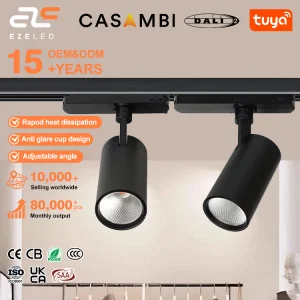
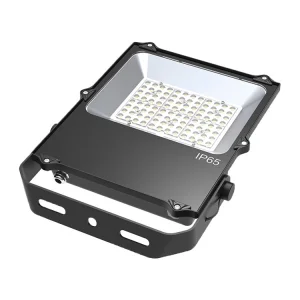
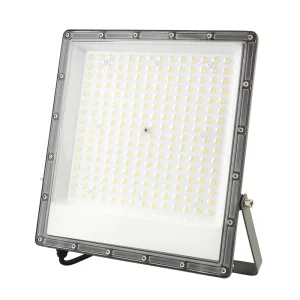
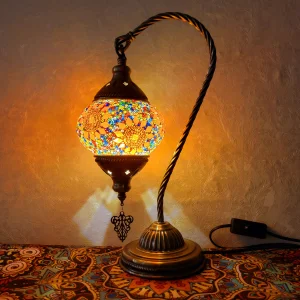
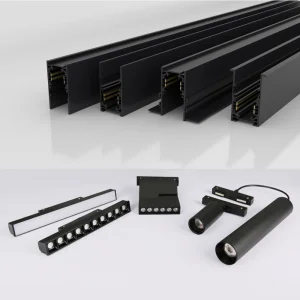
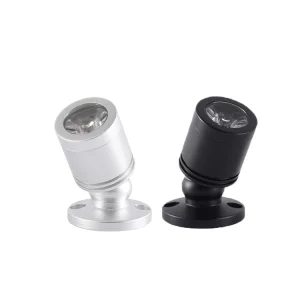
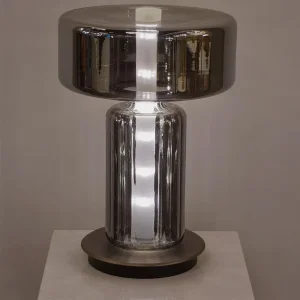
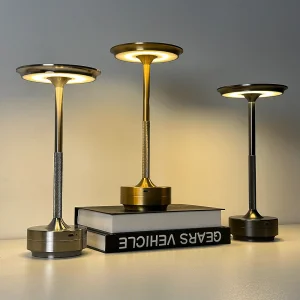
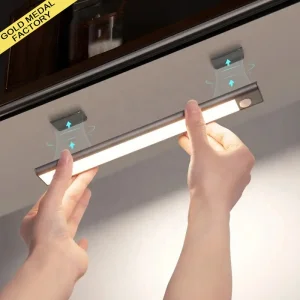
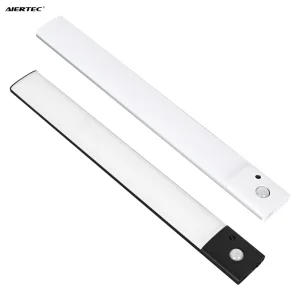
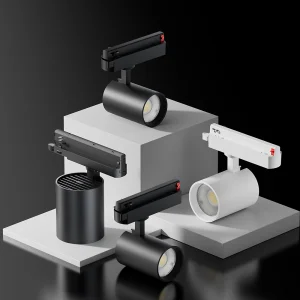
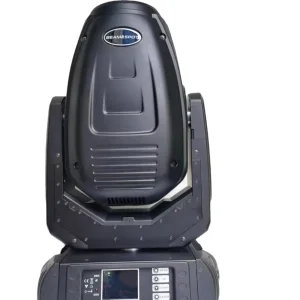
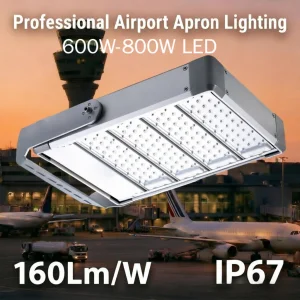
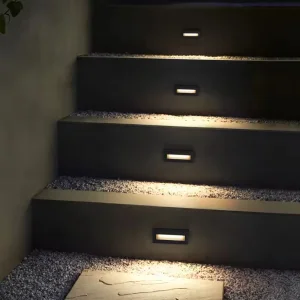
Explore our core industrial, commercial, and decorative luminaires engineered to satisfy strict global specifications.
The global horticultural lighting market is undergoing an unprecedented technological paradigm shift. Driven by the pressing challenges of global food security, climate volatility, and the urbanization of agricultural systems, growers worldwide are transitioning from legacy High-Pressure Sodium (HPS) systems to highly optimized Light Emitting Diode (LED) technology. This transition is not merely about energy conservation; it is an engineered method of manipulation that affects plant photomorphogenesis, metabolic expression, and crop yield predictability.
Unlike commercial or decorative lighting, which optimizes for human visual perception (lumens), horticultural lighting focuses strictly on Photosynthetically Active Radiation (PAR), spanning wavelengths from 400nm to 700nm. Over the past decade, agricultural scientists have confirmed that plants possess specific photoreceptors (such as phytochromes and cryptochromes) that respond to dynamic wavelength blends.
By adjusting the ratios of deep red (660nm), royal blue (450nm), and far-red (730nm), suppliers like Dongguan CLC Lighting Co., Ltd. can tune lighting systems to steer secondary metabolite profiles, optimize internodal spacing, and accelerate flowering stages. This precision engineering guarantees that global commercial growers achieve maximum Photosynthetic Photon Flux Density (PPFD) without introducing stress-inducing thermal spikes to the plant canopy.
Recent research indicates that integrating Far-Red (730nm) spectrums during the reproductive phase can trigger the "shade avoidance response," effectively increasing leaf size and biomass yield by up to 15%. Simultaneously, adding a minor portion of UV-A radiation (315-400nm) helps trigger defense pathways, stimulating the natural accumulation of protective compounds, flavors, and cannabinoids.
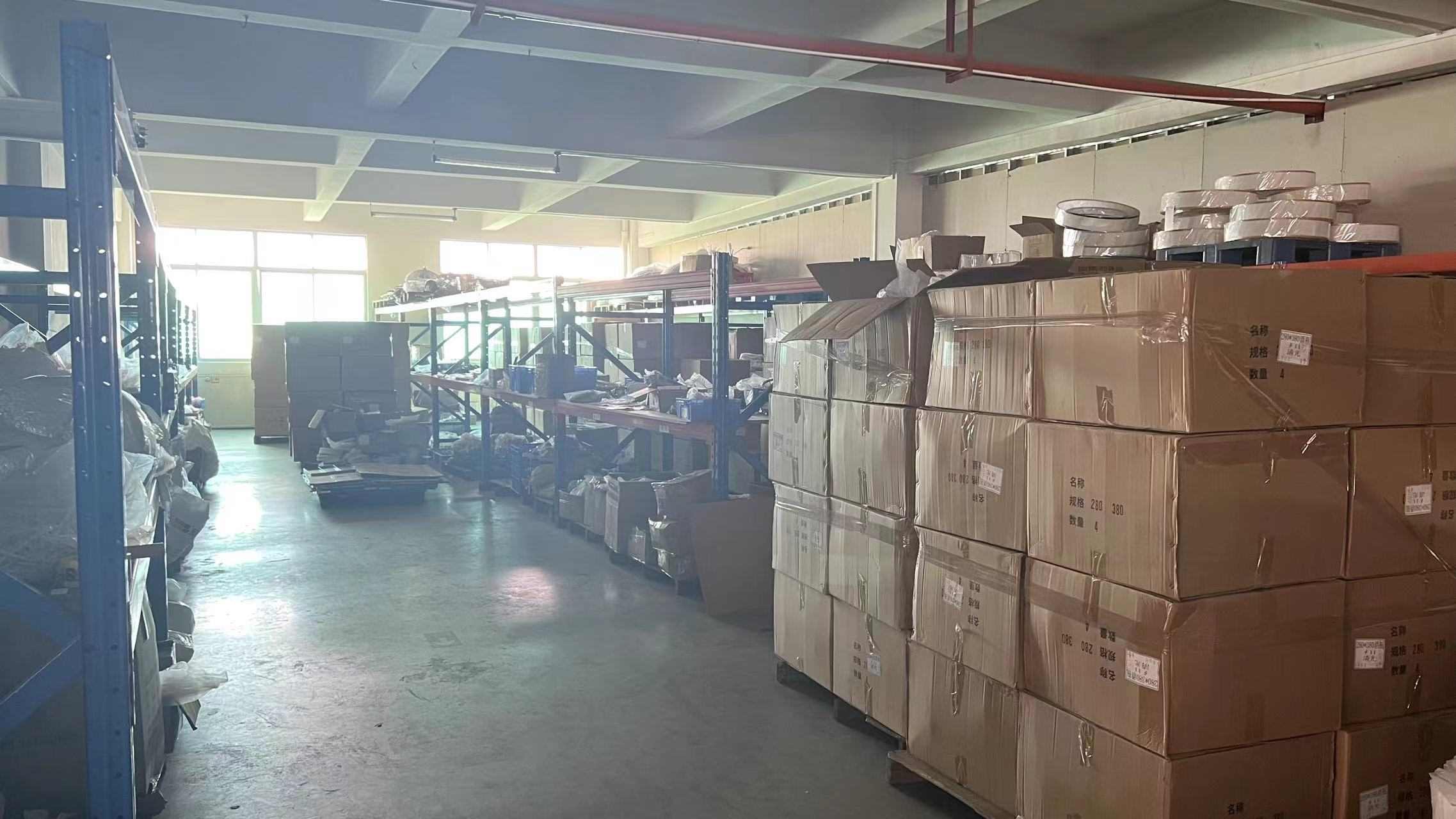
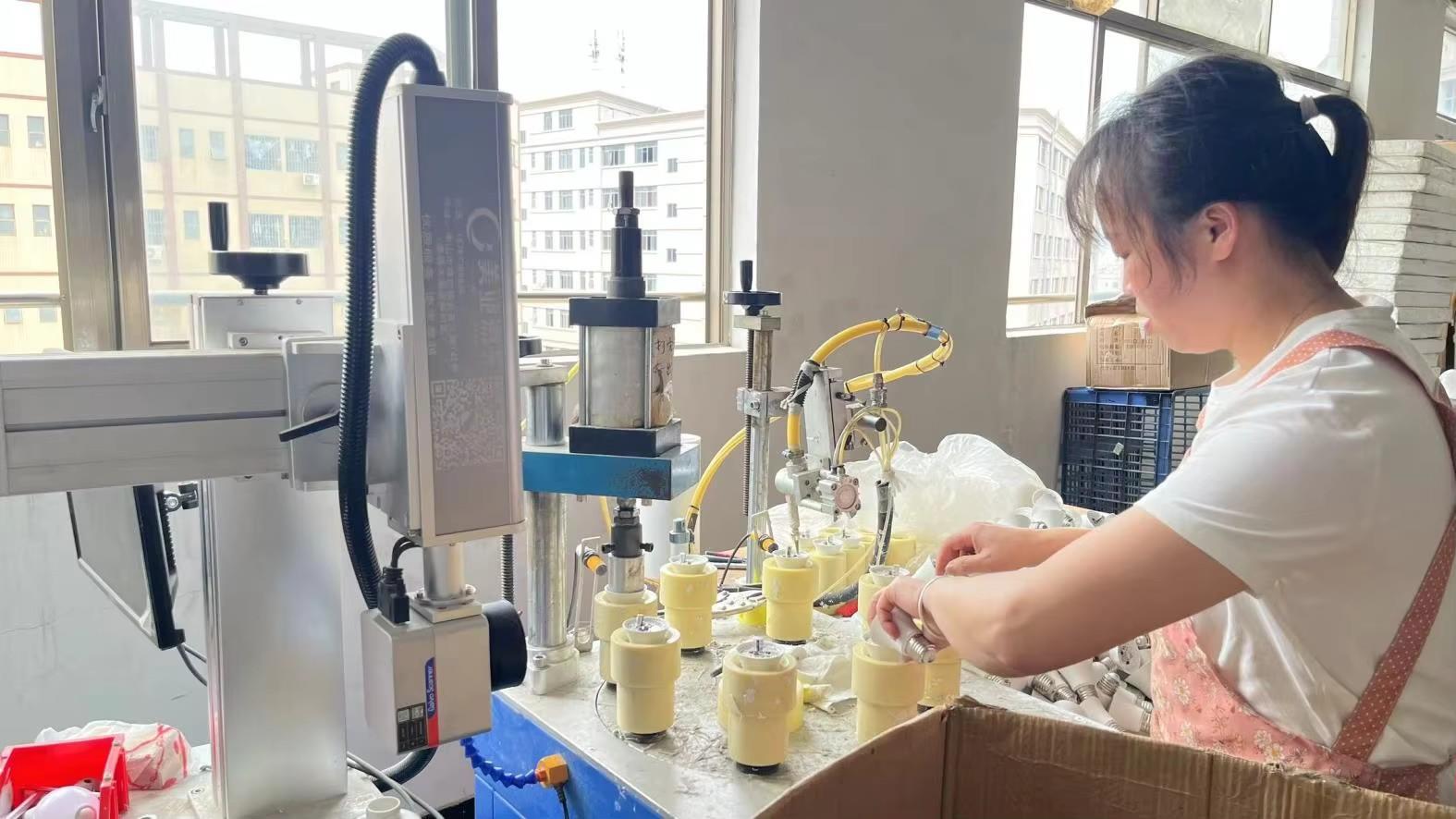
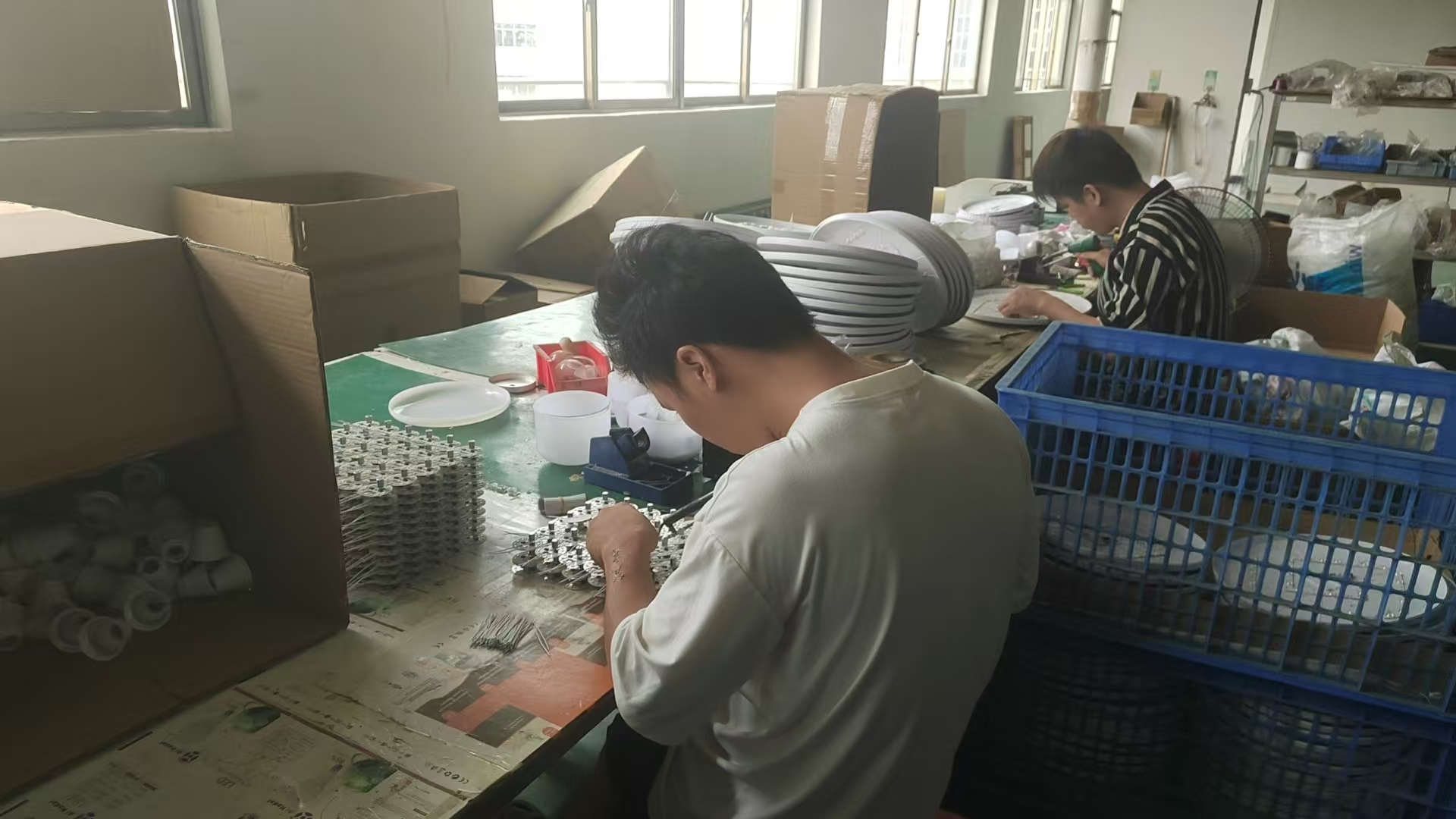
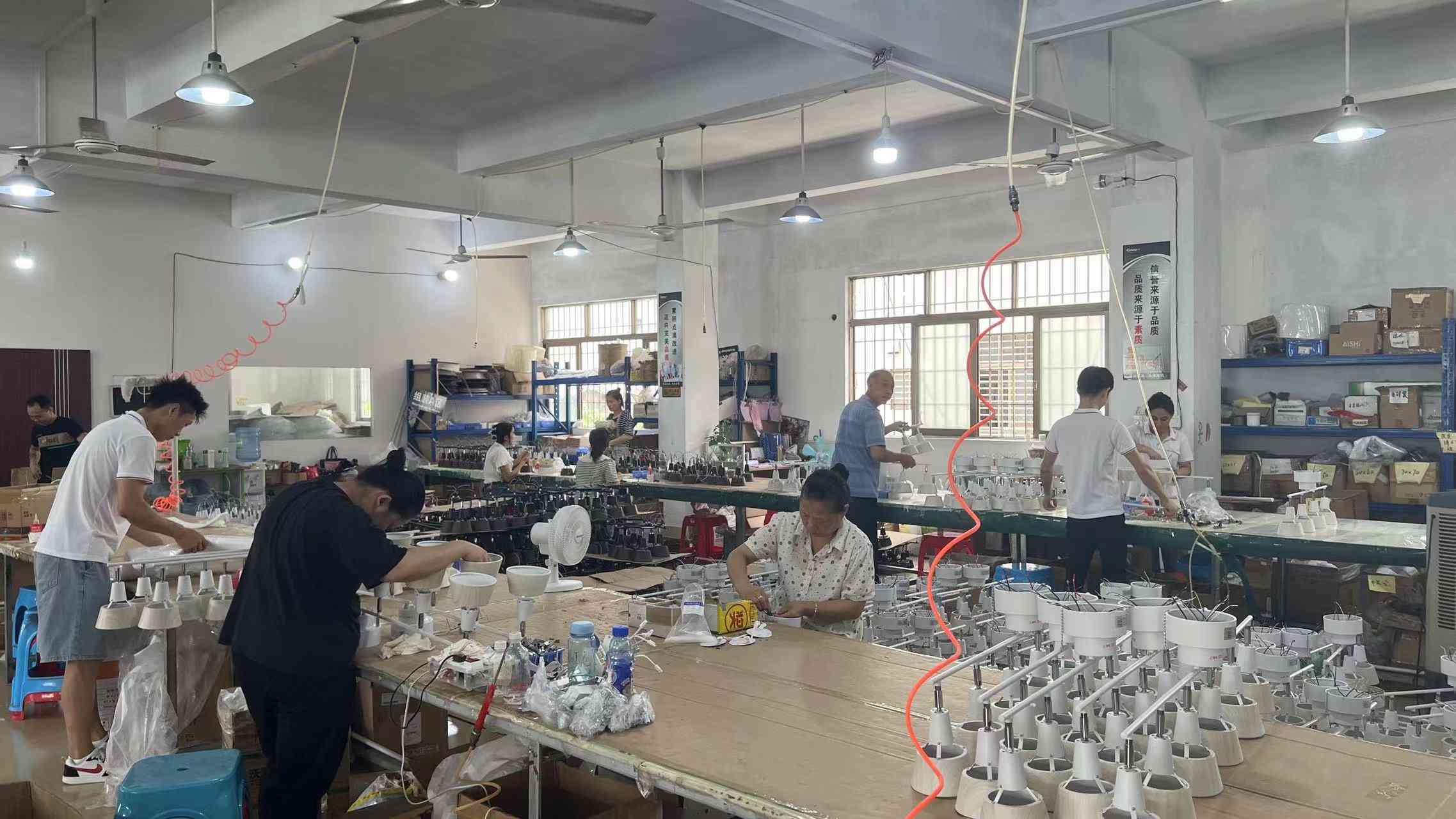
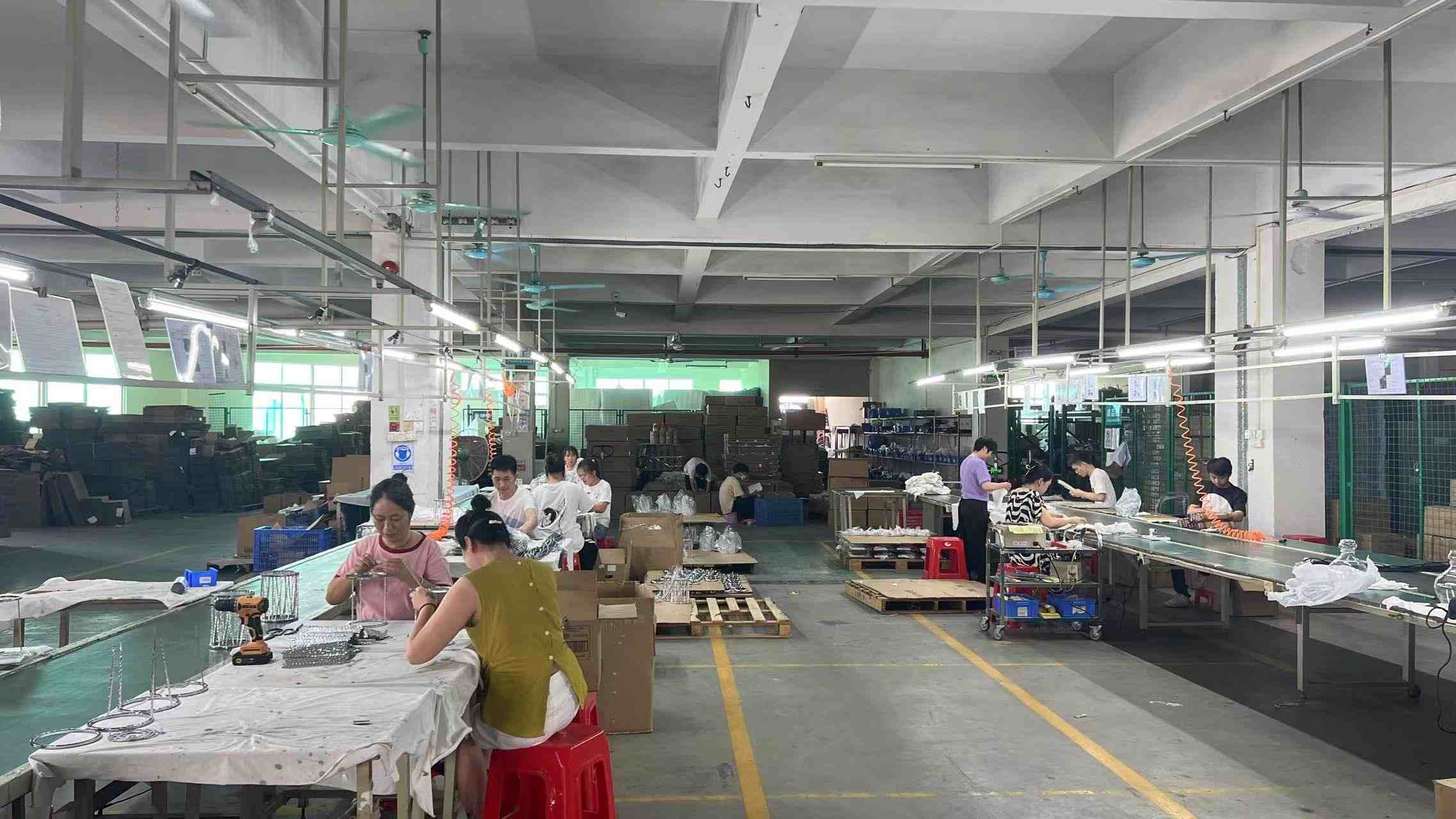
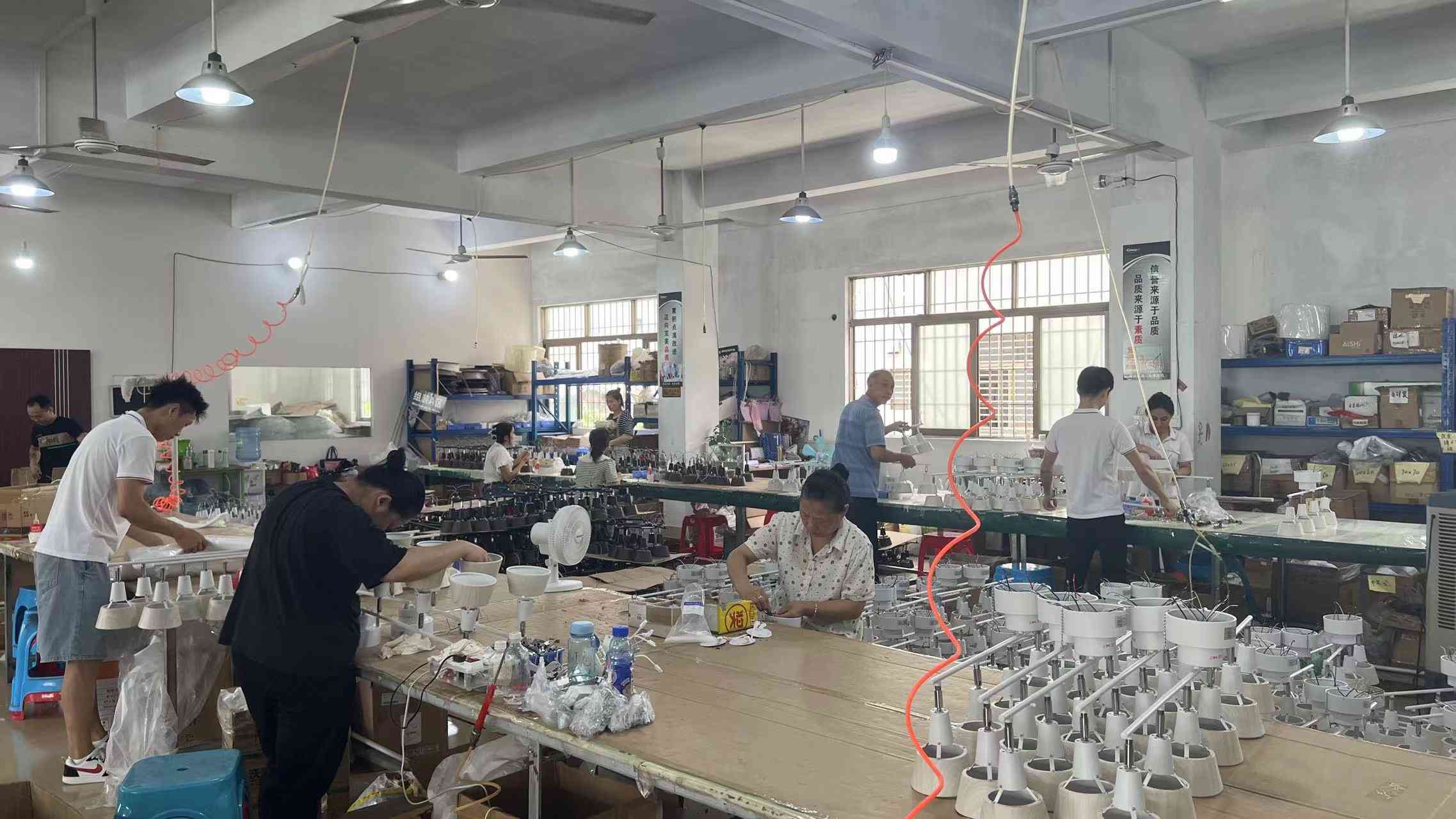
Based in the manufacturing hub of Dongguan, CLC Lighting combines automated production, precise technical assembly, and strict QC testing to deliver high-performance products worldwide.
Founded in 2002, Dongguan CLC Lighting Co., Ltd. has evolved from manufacturing incandescent and fluorescent fixtures to producing advanced, customized LED systems. Over two decades of technical evolution has equipped us to address critical engineering challenges: thermal management, driver driver lifetime, IP-rated ingress protection, and spectral stability over extended durations.
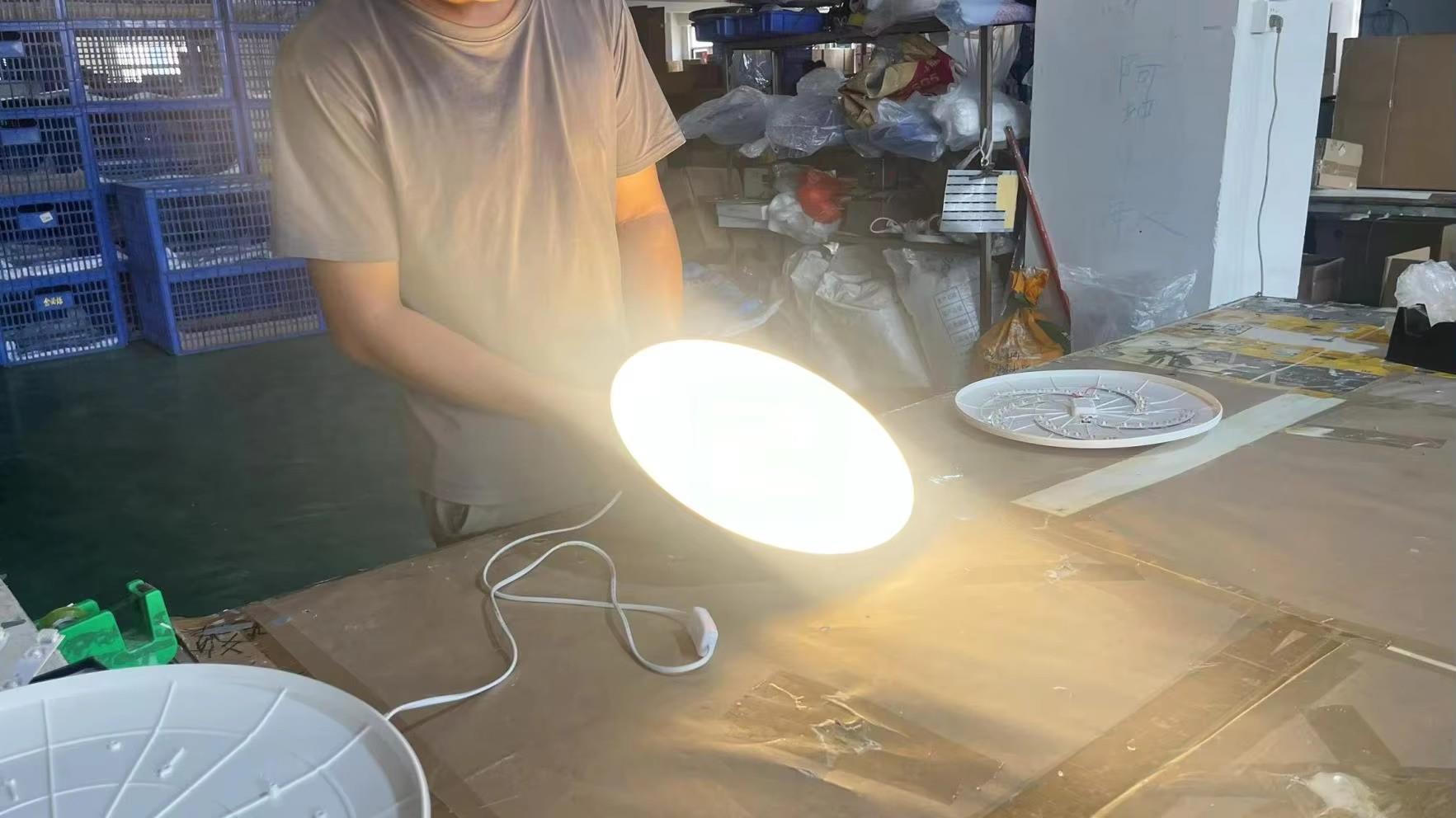
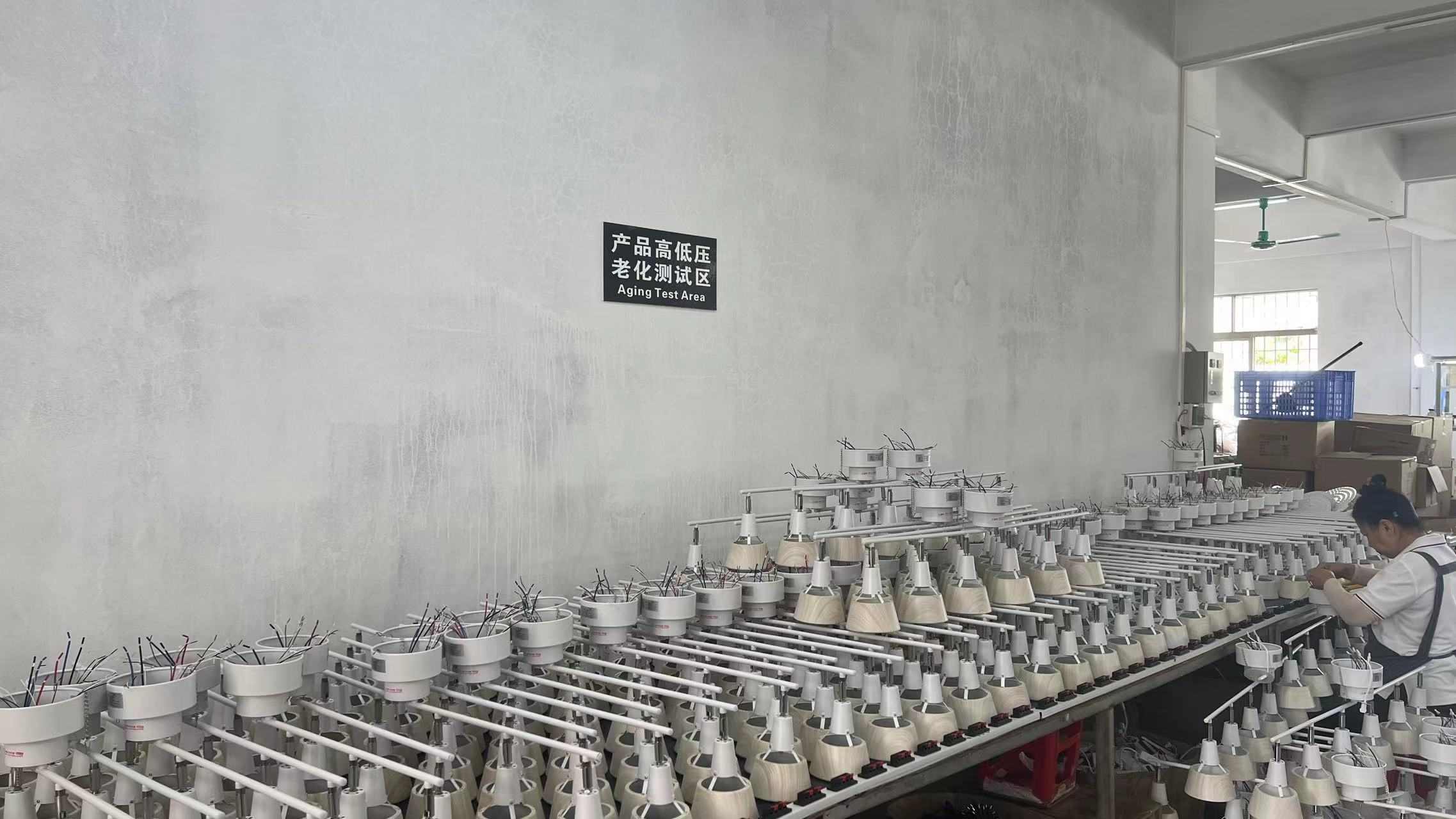
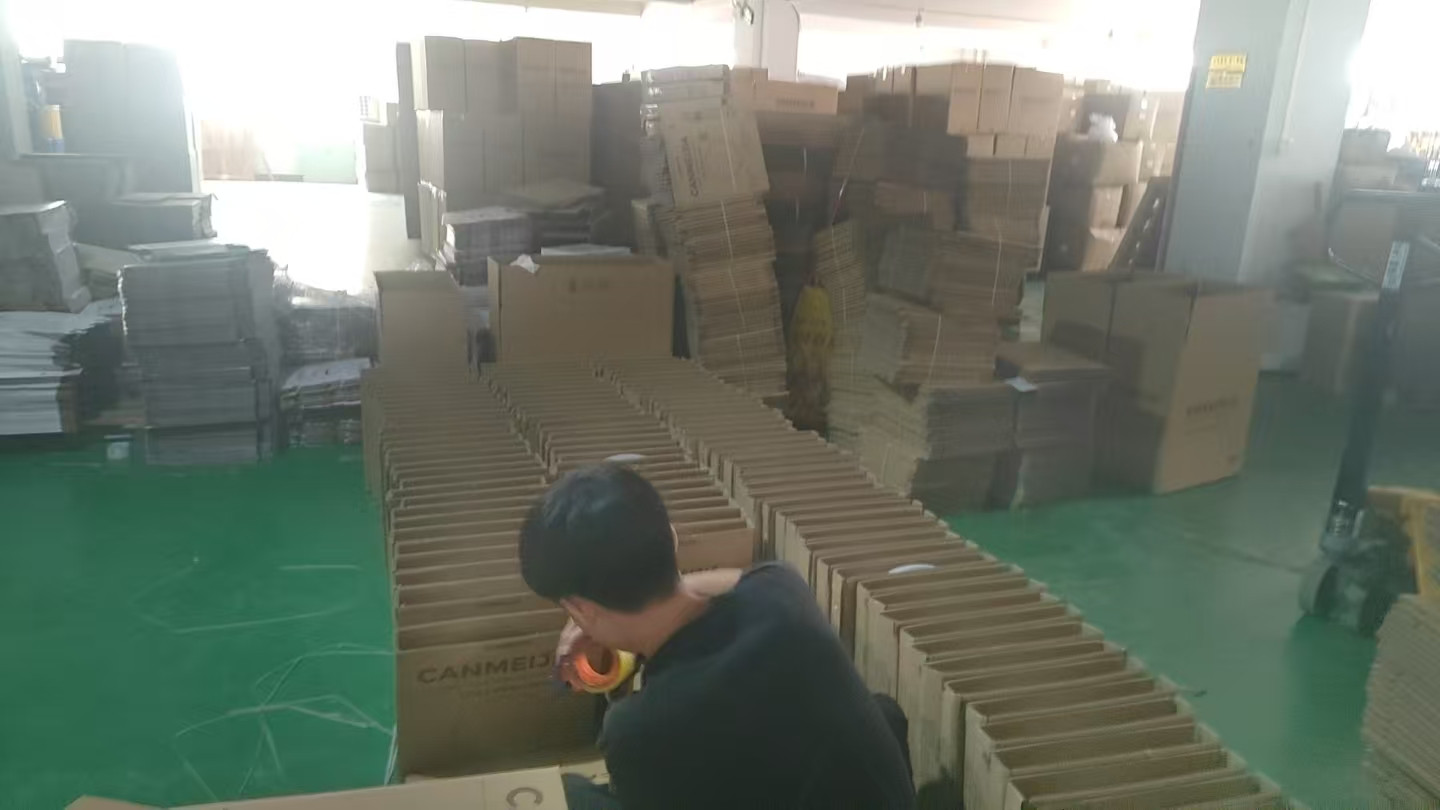
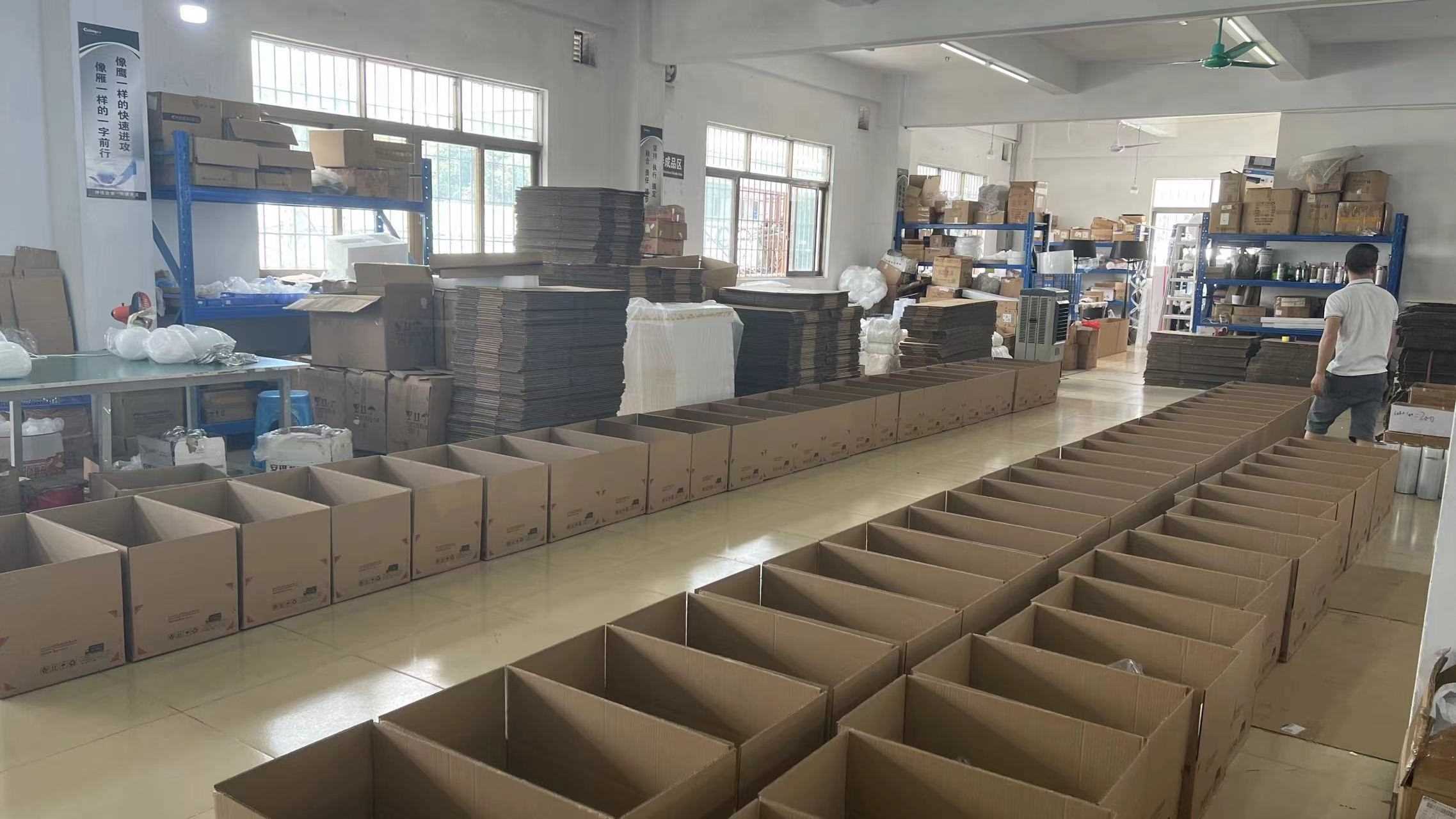
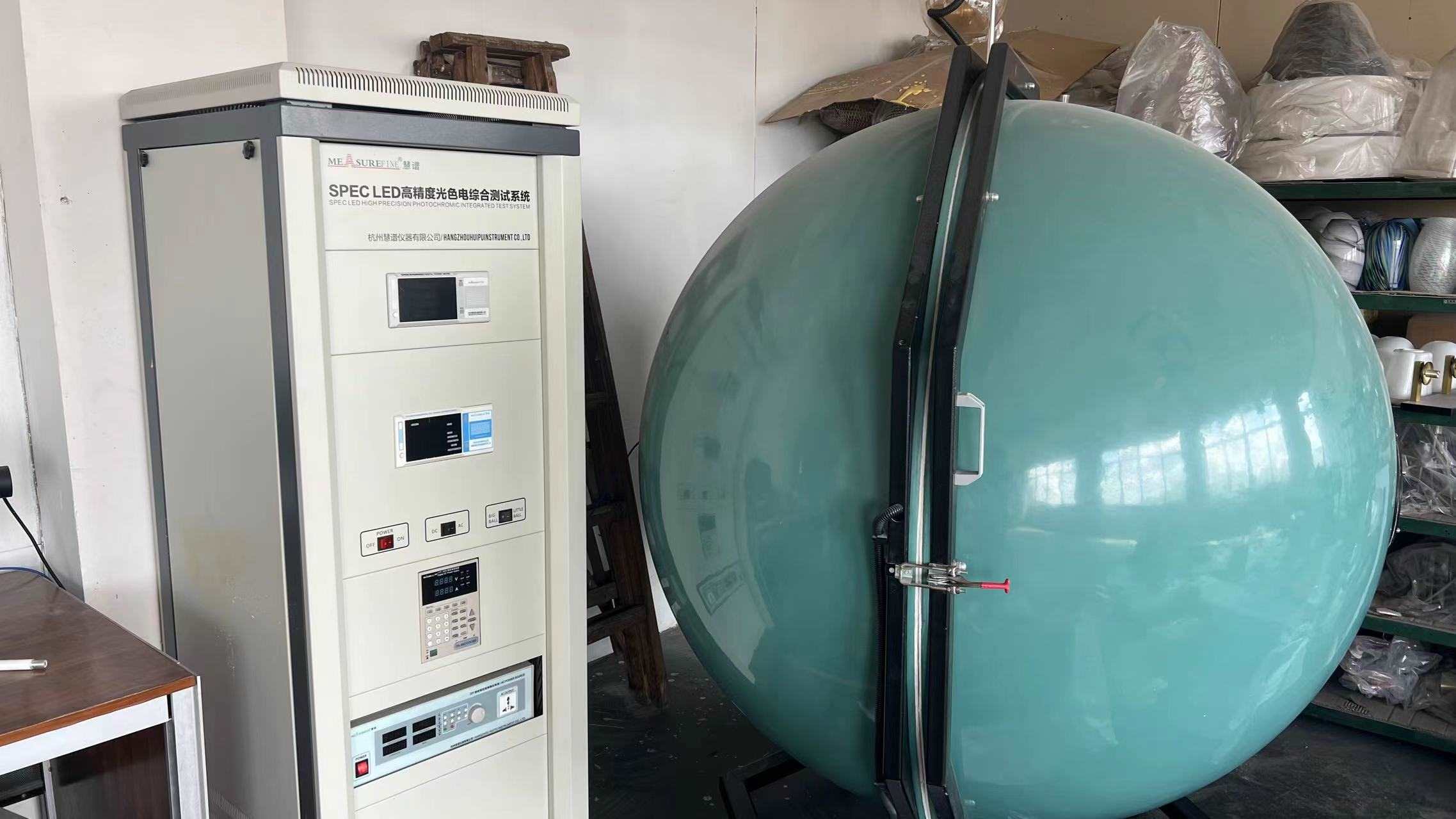
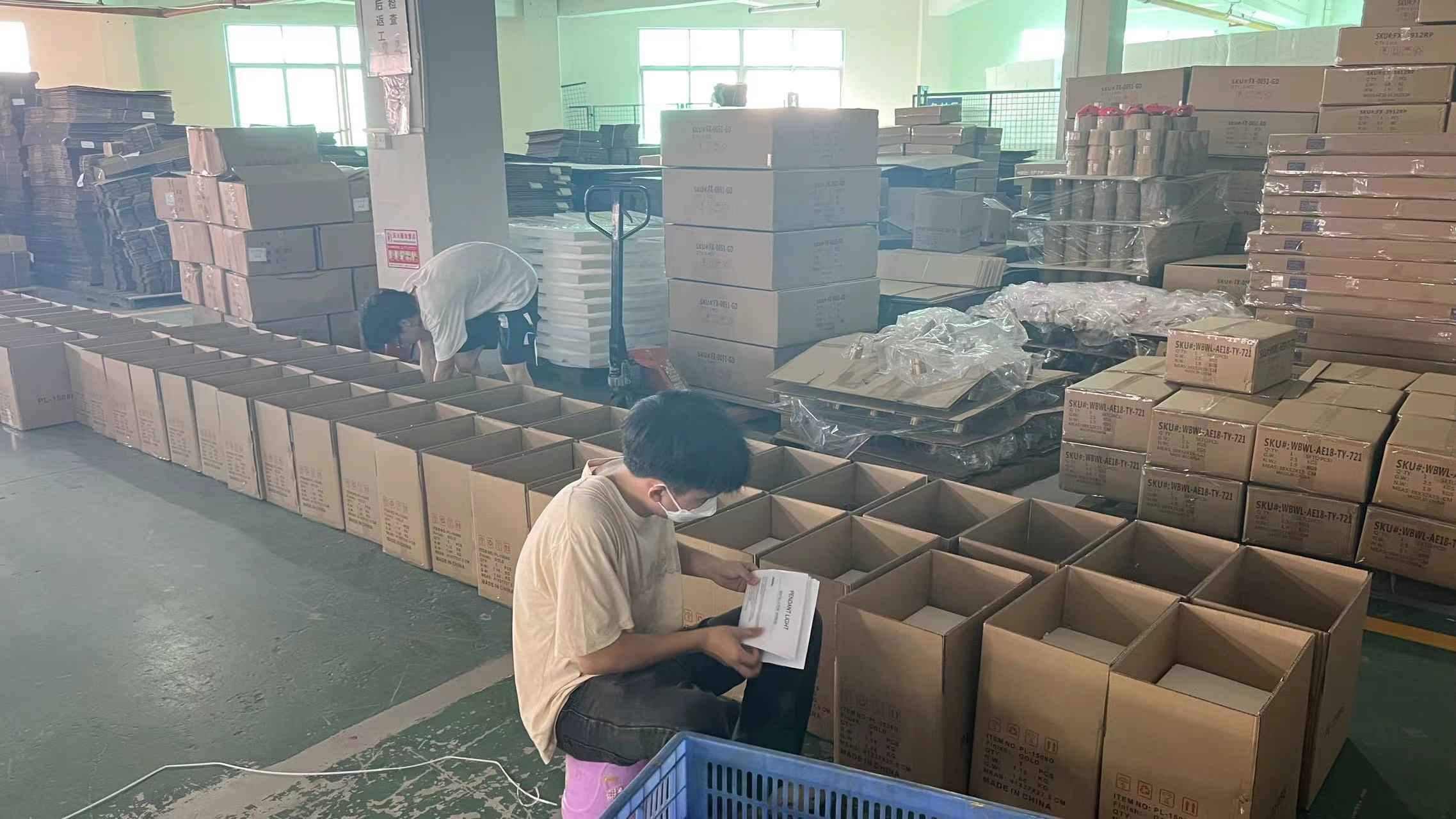
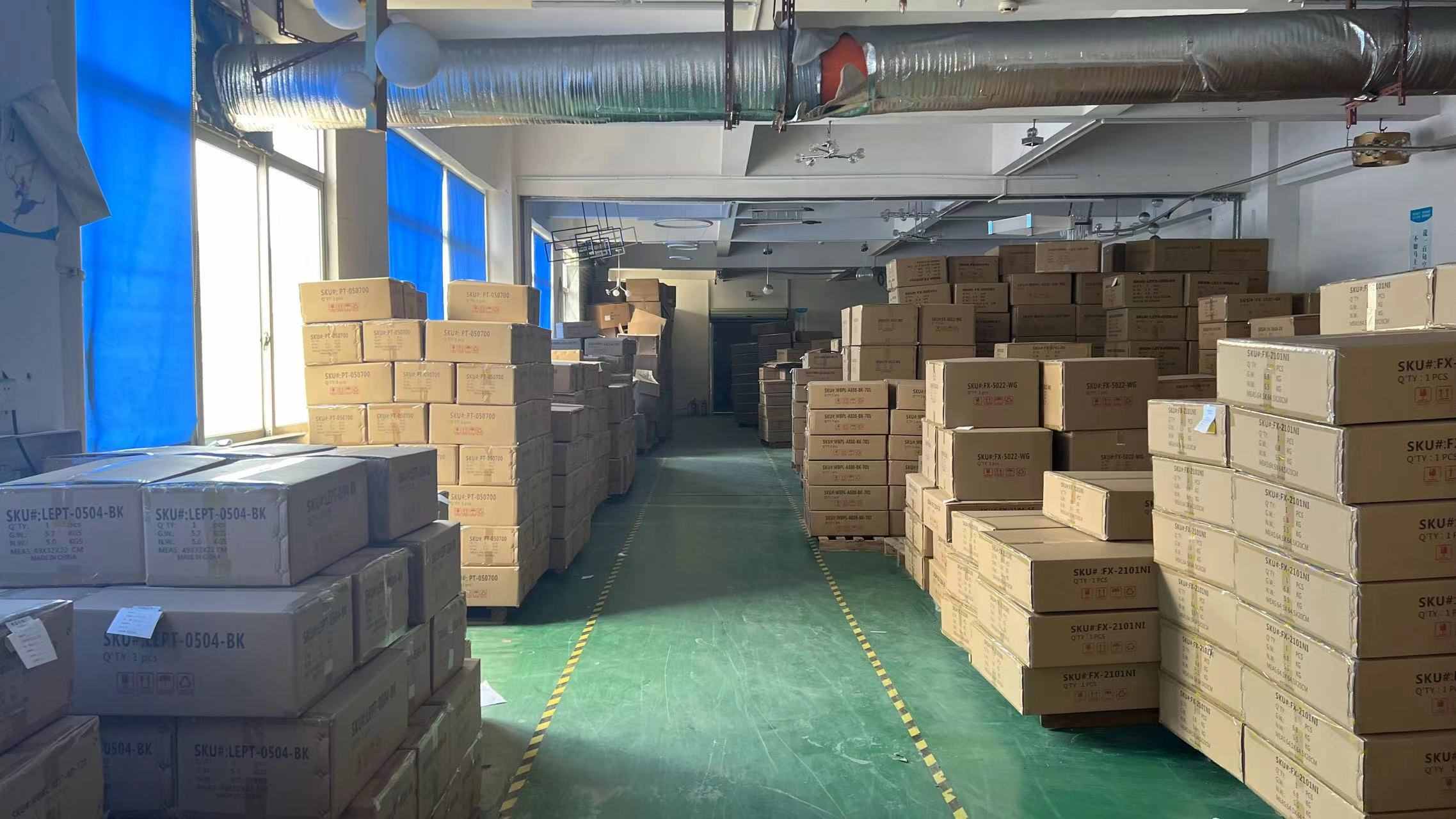
Our manufacturing facility functions under strict Quality Management Protocols (ISO 9001). We implement automated assembly processes, precision wave-soldering, and rigorous multi-stage testing to minimize manual error and maintain quality standards across high-volume production runs.
B2B buyers, importing agents, and agricultural project developers require products that balance upfront costs with long-term reliability. When sourcing industrial-grade lighting solutions, procurement teams evaluate parameters that directly impact operational lifespan and financial returns:
Every watt consumed directly impacts the operational cost (OPEX) of a CEA (Controlled Environment Agriculture) facility. Global buyers target high-efficiency luminaires delivering at least 2.6 to 3.2 µmol/J. Using advanced driver electronics and premium LED diodes ensures that electrical energy is converted into PAR rather than wasted as ambient heat.
Commercial growing facilities operate at high relative humidity levels, often between 60% and 85%, and frequently require foliar spray treatments. This makes high-grade ingress protection (IP65, IP66, or IP67 ratings) necessary. CLC Lighting utilizes heavy-duty aluminum housings, tempered glass lenses, and anti-corrosive silicone sealants to prevent moisture ingress.
Sourcing from CLC Lighting provides access to fully certified systems meeting international standards, including CE, ETL, cETL, ERP, RoHS, DOE, and CEC. These certifications ease customs clearance and ensure compliance with strict local electrical safety codes in North America, Europe, and Asia.
Precision lighting must be tailored to the specific growth stage, facility design, and crop type. By utilizing customized LED distributions, growers can optimize crop yields for various applications:
Multi-tier vertical farms rely on close canopy placement, where space is limited and heat accumulation must be minimized. Thin, low-profile LED fixtures provide uniform PPFD distribution without hotspotting, allowing vertical farms to optimize space while maintaining uniform crop growth.
In geographic regions with low natural sunlight during winter, supplemental lighting helps maintain consistent harvest schedules year-round. Hybrid LED configurations fill gaps in natural solar radiation, ensuring stable photoperiods for vegetables, fruits, and leafy greens.
High-value crops require targeted lighting profiles during vegetative and flowering phases. Combining high-intensity blue light during early stages with deep red and far-red light during flowering helps maximize harvest yields and active compound concentrations.
We achieve this stability by using high-grade copper substrates and low-thermal-resistance LED packaging, along with constant-current LED drivers. This design minimizes junction temperature, which is the primary cause of phosphor degradation and spectral shift over time.
Yes. CLC Lighting offers comprehensive OEM and ODM services. Our engineers can customize spectrum outputs, beam angles, housing dimensions, and driver capacities to match your specific crop types and project requirements.
Excessive heat degrades LED diodes and reduces their luminous efficiency. We design our housings using high-grade extruded aluminum (6063-T5) to maximize surface area and convective airflow, keeping operating temperatures well below safety limits.
Yes, our products carry certifications including CE, ETL, cETL, RoHS, ERP, DOE, and CEC, ensuring they meet the safety, quality, and performance requirements of European and North American regulators.
Sourcing directly from Dongguan offers access to a complete localized supply chain for raw materials, chip packaging, driver electronics, and rapid shipping infrastructure. This proximity helps reduce lead times, lower logistics costs, and improve manufacturing quality control.
We run every production batch through a rigorous multi-stage quality control process, including 100% high-voltage testing, grounding path verification, and a continuous 4-to-24 hour burn-in aging process to catch any potential component issues before shipment.
Review our broader range of commercial spot displays, heavy industrial floodlighting, smart track solutions, and decorative options.