The choice of color temperature for bedside lamps plays a crucial role in creating a relaxing and functional bedroom environment. Understanding "what color temperature is best for bedside lamps" can significantly enhance sleep quality and overall well-being. Studies indicate that warmer light, often in the range of 2700K to 3000K, promotes the release of melatonin, which is essential for sleep. This aligns with findings from the Lighting Research Center, emphasizing that lower color temperatures contribute to a calming atmosphere.
The implications of lighting extend beyond aesthetics. Research shows that harsh, cool lighting can be disruptive. This can lead to difficulty in winding down before sleep. Many individuals overlook the importance of color temperature and are left with lamps that either strain their eyes or fail to soothe them at night. By selecting the proper color, you can foster a serene space that encourages relaxation.
Incorporating intelligent lighting choices enhances not only the beauty of your bedroom but also your mental health. Ultimately, the correct bedside lamp color can transform a mundane space into a sanctuary. It invites reflection on personal habits and the impact of light on emotional health. The right approach can redefine your nighttime routine.
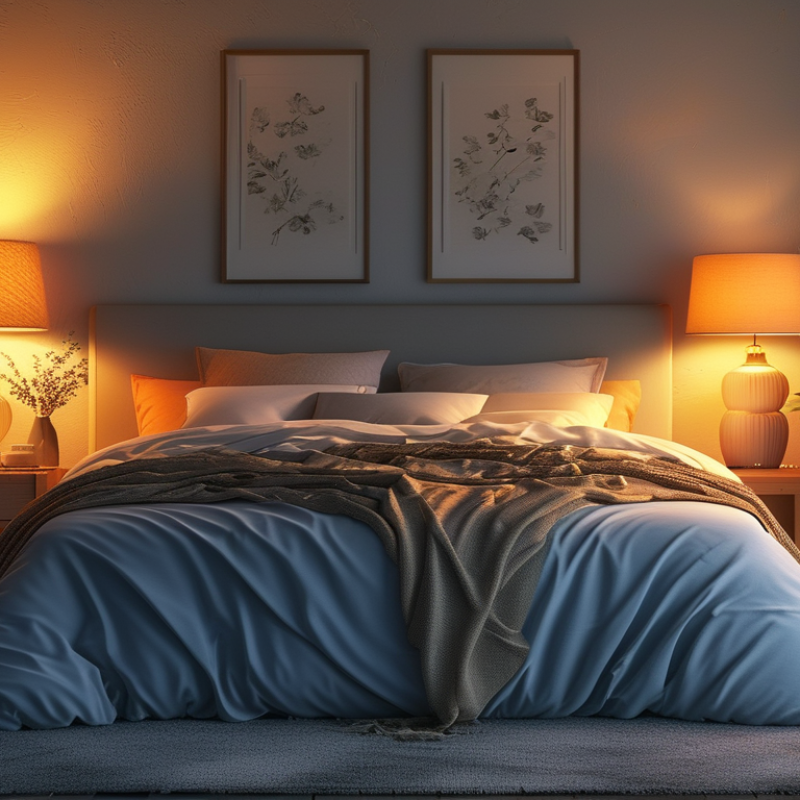
Understanding Color Temperature: Definition and Measurement
Color temperature is a crucial concept in lighting design. It measures the warmth or coolness of light, typically expressed in Kelvin (K). Lower values, around 2700K, produce a warm glow, reminiscent of candlelight. Higher values, exceeding 5000K, create a cooler, bluish light similar to daylight. Understanding these effects helps in selecting the right bedside lamp.
For a restful bedroom environment, a soft, warm light is often ideal. This color temperature promotes relaxation and can prepare the mind for sleep. Many find that too much blue light from higher temperatures can disrupt circadian rhythms. It might be useful to reflect on personal preferences. What feels soothing to you? Sometimes, trial and error reveals the best fit.
Consider your bedroom décor and mood. The ambiance can change dramatically with different color temperatures. A lamp with adjustable brightness and color options can cater to various activities, like reading or winding down. Yet, the vast choices can lead to confusion. Finding the balance between function and relaxation requires thoughtful consideration and occasional adjustments.
The Role of Color Temperature in Creating a Relaxing Atmosphere
Creating a relaxing atmosphere in your bedroom can hinge on the color temperature of your bedside lamps. Warm light, typically around 2700K, mimics the soft glow of sunset. This type of illumination helps signal to your body that it’s time to wind down. Cold or bright white light, on the other hand, can create a more alert ambiance, which isn’t ideal for sleep.
When choosing a lamp, think about the activities you do in bed. Reading might require brighter, cooler light, while winding down with meditation benefits from softer, warmer tones. Layering your lighting can also enhance your space. It allows you to adjust based on your mood.
Tips for Optimal Color Temperature:
Consider using dimmable lamps to change the brightness for different times of day. This flexibility can help create a calming environment. Try using smart bulbs to easily switch between warm and cool light. Position lamps where their glow wraps around you, rather than harshly illuminating the entire room. Remember, what feels right might change depending on your day. Experiment with different colors until you find the perfect setting for relaxation.
Recommended Color Temperatures for Different Bedtime Activities
When selecting a bedside lamp, color temperature plays a crucial role in enhancing your bedtime routine. For reading, a cooler light around 4000K to 5000K is often ideal. This bright white light mimics daylight, promoting alertness and concentration. It can be particularly useful if you enjoy reading before sleep. However, it might be too stimulating as you wind down for the night.
For relaxation and winding down, warmer tones are better. A soft glow of 2700K to 3000K creates a cozy atmosphere that promotes intimacy and relaxation. This amber hue mimics candlelight, signaling your brain to produce melatonin. Whether you're journaling or sipping tea, this warmer light can enhance the calming environment. Remember, though, too warm a light can also make you feel sleepy too early, which might not suit everyone’s schedule.
Finding the perfect balance is essential. Experiment with different bulbs to see how they feel in your personal space. You may find that a mix of temperatures works best for various activities. Pay attention to how each type of light affects your mood and sleep patterns. Every individual’s preference can vary widely; what works for one might not work for another. Adjusting your lighting can lead to an improved bedtime experience.
Ideal Color Temperatures for Bedside Lamps
Comparing Warm and Cool Light: Effects on Sleep Quality
The color temperature of bedside lamps plays a crucial role in sleep quality. Warm light, typically between 2700K and 3000K, creates a cozy atmosphere. This gentle glow promotes relaxation, signaling to your brain that it’s time to wind down. It mimics the natural light of sunset, preparing your body for sleep.
In contrast, cool light, ranging from 4000K to 5000K, can disrupt your circadian rhythms. This brighter, bluer light resembles daytime sunlight. Exposure to cool light before bedtime may make it harder to fall asleep. It keeps your mind alert, which is not ideal when you want to rest.
Choosing the right bedside lamp involves personal reflection. What atmosphere do you want to create? Consider the impact of your choices on sleep. You may find that a warm light helps you relax more effectively. Experiment with different settings to discover what truly aids your rest.
Choosing the Right Bulb for Your Bedside Lamp: A Practical Guide
Choosing the right bulb for your bedside lamp can greatly enhance your nighttime routine. When selecting a bulb, consider color temperature. This measurement, expressed in Kelvin (K), impacts the mood of your space. For a calming atmosphere, look for bulbs between 2700K and 3000K. These warm tones create a cozy feel, perfect for reading or winding down.
Another factor to consider is brightness. A bulb with a lower lumen output, around 450 lumens, is typically suitable for bedside lighting. This level offers sufficient illumination without being harsh. However, some may find this too dim for tasks like reading. Experimenting with different bulbs can help you find what suits your preferences. Don’t hesitate to reflect on your lighting choices; your comfort is key.
Lastly, energy efficiency should also be part of your decision. A more efficient bulb can save money in the long run. Some people might undervalue this aspect, but it's worth considering. Lighting is more than functionality—it affects your well-being at home. Take your time to choose wisely.
FAQS
: Color temperature measures the warmth or coolness of light in Kelvin (K).
Lower values, around 2700K, produce warm light similar to candlelight.
Warmer tones create a calming atmosphere, while cooler tones can feel more energizing.
A color temperature between 2700K and 3000K is often best for relaxation.
A bulb with around 450 lumens is suitable, providing soft illumination for comfort.
Opt for warmer lights and avoid bright blue light before bedtime.
Yes, energy-efficient bulbs save money and enhance overall well-being at home.
Yes, using adjustable lamps can provide different settings for various activities.
Experiment with different bulbs and reflect on what feels best for you.
Take your time to explore choices and seek a balance between functionality and relaxation.
Conclusion
When considering what color temperature is best for bedside lamps, it is essential to understand how color temperature influences the atmosphere and our sleep quality. Color temperature is measured in Kelvin (K), and it plays a crucial role in creating a relaxing environment. Warmer light, typically between 2700K and 3000K, is recommended for bedtime activities as it promotes relaxation and signals the body to wind down. In contrast, cooler light can be stimulating and may disrupt sleep patterns.
For optimal sleep quality, choosing the right bulb and color temperature for your bedside lamp is key. A warm white light can enhance comfort and tranquility in the bedroom, making it more conducive for winding down at night. By understanding the effects of different color temperatures, you can create a serene and restful space that supports better sleep and relaxation.

