Can You Use Outdoor Solar Lights Indoors Effectively?

Time:2026-08-23 Author:Sienna
0%

As more homeowners seek sustainable lighting options, the question arises: can you use outdoor solar lights indoors? This query has sparked interest among lighting experts, including Kevin Bright, a renowned solar energy consultant. He wisely notes, “Using outdoor solar lights indoors can be tricky, but it’s not impossible.”

Outdoor solar lights are designed primarily for outdoor conditions. They are built to withstand elements like rain and extreme temperatures. However, when placed indoors, the lack of sunlight can hinder their charging efficiency. The effectiveness of these lights largely depends on where and how they are utilized inside. Bright suggests that positioning them near windows can help maximize solar energy capture during the day.

It’s crucial to consider the design of your space too. Many outdoor lights have a rugged appearance that might not fit well with indoor decor. Aesthetic appeal is just as significant as functionality. While the concept is intriguing, careful thought must go into the practical aspects of using outdoor solar lights indoors. Balancing efficiency and style poses challenges worth reflecting on.
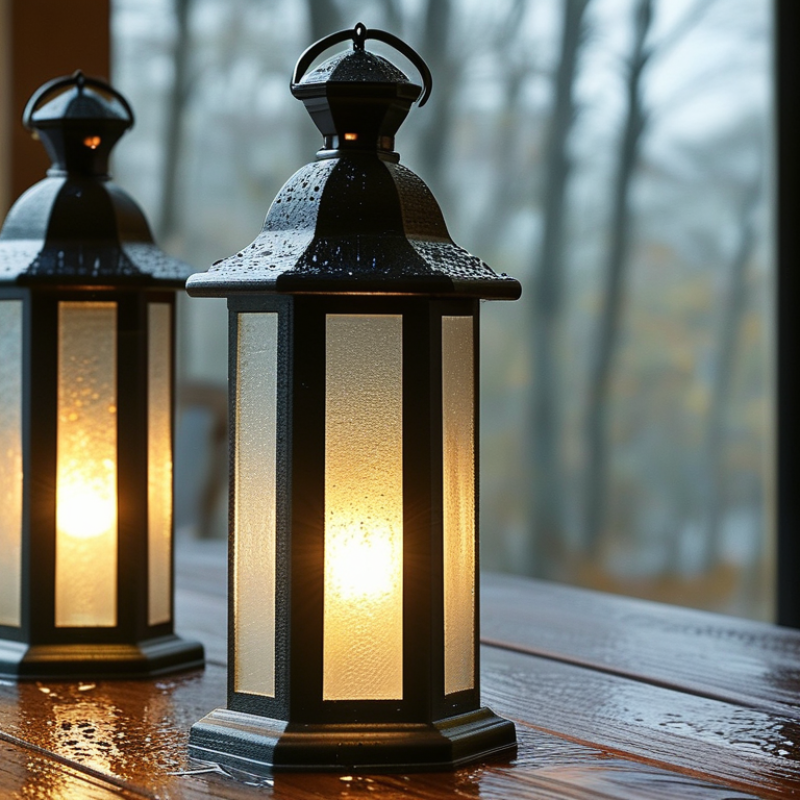
Can You Use Outdoor Solar Lights Indoors Effectively?

Understanding Outdoor Solar Lights: Basics and Functionality

Outdoor solar lights have become popular for illuminating yards and gardens. Initially designed for outdoor use, many people are curious about their effectiveness indoors. Understanding how these lights work can help clarify this.

Solar lights operate through solar panels that absorb sunlight. They convert this energy into electricity, which powers LED bulbs. According to a report by the U.S. Department of Energy, LED technology is highly efficient, using up to 75% less energy than traditional bulbs. However, indoor usage raises questions. Indoor lighting often requires different brightness levels and energy distribution, which solar lights may not provide efficiently. Their performance can diminish in low-light conditions.

While solar lights can function indoors during sunny seasons, they might not perform well in darker spaces. There are reports suggesting that their battery life is only effective for 4-8 hours, depending on sunlight exposure. Using them in shaded or poorly lit areas may lead to unsatisfactory results. People should carefully consider the specific lighting needs of each room before relying on outdoor solar lights indoors.

Benefits of Using Outdoor Solar Lights Indoors

Outdoor solar lights can be surprisingly effective when used indoors. They harness sunlight, converting it into energy. This energy powers LED lights, creating an eco-friendly lighting solution. According to the U.S. Department of Energy, solar lighting can reduce electricity costs by up to 75%. This makes it a sustainable choice for many households.

Using these lights indoors provides flexibility in placement. They can illuminate dark corners, hallways, or even home offices. The gentle ambient glow can create a cozy atmosphere. However, there are challenges. If the solar panel does not receive enough sunlight, it may struggle to charge. Additionally, indoor use might limit exposure, affecting overall performance. A poorly lit area might not generate sufficient energy for optimal brightness.

While outdoor solar lights can greatly enhance indoor spaces, proper positioning is key. Ensure they are near windows for optimal sunlight exposure. Monitoring their performance is also essential. Understanding the balance between performance and practicality allows users to make informed decisions. Solar lights can serve as an innovative lighting option, blending convenience with sustainability.

Considerations for Indoor Use of Outdoor Solar Lights

When considering the use of outdoor solar lights indoors, several factors come into play. Solar lights typically rely on sunlight to charge during the day. This charging capability may be compromised indoors, where sunlight exposure is limited. According to a report from the U.S. Department of Energy, solar efficiency can drop significantly without adequate sunlight.

Indoor environments often lack the direct sunlight solar lights need. As a result, users may experience diminished performance. A study by the National Renewable Energy Laboratory found that ambient light levels in many indoor settings are insufficient for optimal solar charging. This situation raises questions about the practicality of using outdoor solar lights indoors.

Moreover, the aesthetic and functional purpose of solar lights should be considered. While they can add charm, their outdoor design may not blend seamlessly with indoor decor. Users might also encounter issues with battery longevity when used in low-light conditions. Reflecting on these points can help clarify the decision for indoor usage of outdoor solar lights, highlighting both their potential and limitations.

Best Practices for Installing Outdoor Solar Lights Indoors

Installing outdoor solar lights indoors can be a creative solution for brightening up spaces. However, there are specific best practices to consider. Choose areas that receive ample sunlight during the day. Without enough exposure, the lights will not charge properly. Place the solar panels near windows where they can capture natural light. This allows for efficient energy storage and better performance.

The mounting height is another critical factor. Aim for positions that are about six to eight feet off the ground. This height ensures optimal light spread and minimizes shadows. Additionally, consider the fixture's style and brightness. Some outdoor lights are designed for task lighting, while others offer ambient illumination. Evaluate the needs of your indoor space carefully. A poorly placed or mismatched light can lead to dissatisfaction.

Remember, indoor environments often have varying temperatures and humidity levels compared to outdoors. This might affect solar light performance. It's essential to monitor how these lights function over time. Some models may not perform well inside. Adjusting your setup based on light performance can lead to improved results. Regularly check the solar panels for dust and dirt, which can hinder performance.

Potential Limitations and Challenges of Indoor Solar Light Use

Using outdoor solar lights indoors may seem appealing, but there are notable challenges. One primary limitation is the need for direct sunlight. Outdoor solar lights are designed to capture sunlight throughout the day. If placed indoors, they may not receive adequate light exposure. This can lead to insufficient charging and poor performance.

Another issue is the light output. Outdoor solar lights generally produce softer ambient lighting. This might not be suitable for tasks requiring bright, focused illumination, like reading or working. Additionally, the design of these lights is often rugged and weather-resistant, which may not blend well with indoor decor. Consideration must be given to aesthetics.

When opting to use solar lights indoors, ensure they can be placed near windows for sunlight. Positioning them strategically can maximize their charging potential. Using reflective surfaces near the lights can also enhance their brightness. If the aesthetic is a concern, look for models with a design that complements your interior style. Remember to test different placements to achieve the best results.

Effectiveness of Outdoor Solar Lights Used Indoors

The chart above illustrates the effectiveness ratings of outdoor solar lights when used indoors across various dimensions such as lumens output, battery life, charging time, durability, and light quality. The ratings are based on a scale from 1 to 10, with higher values indicating better performance in indoor settings.

FAQS

: How do outdoor solar lights work?

: They use solar panels to absorb sunlight and convert it into electricity for LED bulbs.

Can solar lights be used indoors?

Yes, but their effectiveness may vary. They often require more light than indoor spaces provide.

How long do solar lights last once charged?

Generally, their battery life can range from 4 to 8 hours depending on sunlight exposure.

Where should I install solar lights indoors?

Choose areas with ample sunlight, like near windows, for optimal charging and performance.

What height is best for mounting solar lights?

Mount them about six to eight feet off the ground for effective light spread and reduced shadows.

What factors can affect indoor solar light performance?

Indoor temperature and humidity can impact their efficiency and lifespan.

How can I improve the performance of solar lights?

Regularly clean the solar panels and monitor their function over time. Adjust as needed.

Are there different types of outdoor lights for different uses?

Yes, some are designed for task lighting, while others serve ambient purposes. Evaluate your needs.

What happens if solar lights are poorly positioned?

A mismatched placement can lead to unsatisfactory results and less illumination.

Do I need to adjust my solar lights after installation?

Yes, monitor their performance and make adjustments based on how well they illuminate the space.

Conclusion

The article "Can You Use Outdoor Solar Lights Indoors Effectively?" explores the viability of integrating outdoor solar lights into indoor spaces. It begins with an overview of how these lights operate, highlighting their reliance on sunlight to recharge during the day. The benefits of using outdoor solar lights indoors include energy efficiency and the flexibility to illuminate areas without the need for electrical wiring.

However, several considerations must be taken into account, such as the light's brightness and design compatibility with indoor aesthetics. The article also suggests best practices for installation, emphasizing the importance of maximizing sunlight exposure for optimal performance. While outdoor solar lights can be a practical solution for indoor lighting, potential limitations, like inadequate charge during cloudy days, pose challenges that users should be aware of. Ultimately, the article answers the question, demonstrating that with thoughtful application, yes, you can use outdoor solar lights indoors effectively.

Sienna

Sienna

Sienna is a skilled marketing professional with a deep expertise in our company’s core products and services. With a passion for innovation and detail, she plays a pivotal role in crafting insightful blog posts that not only highlight the unique features of our offerings but also provide valuable......