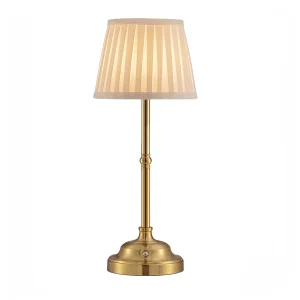
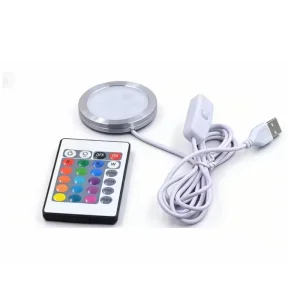
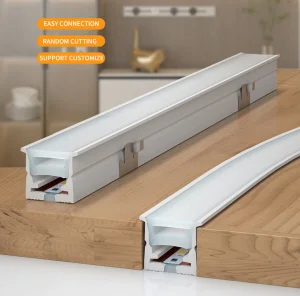
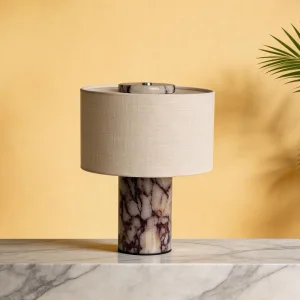
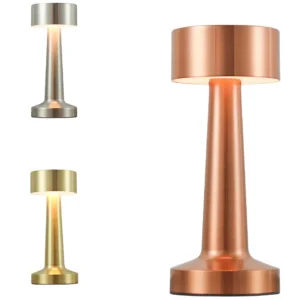
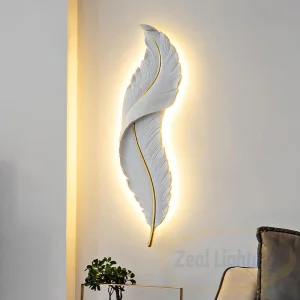
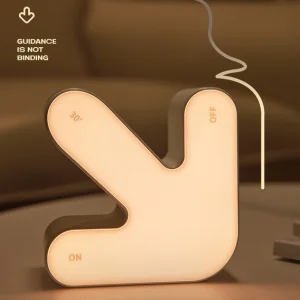
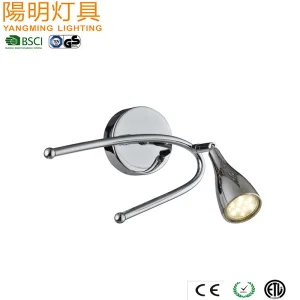
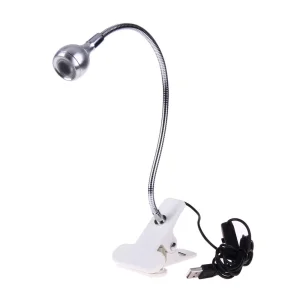
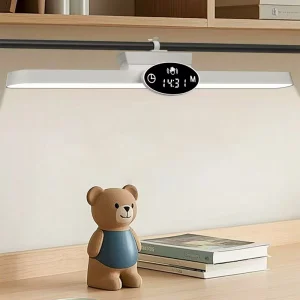
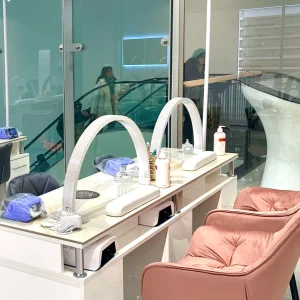
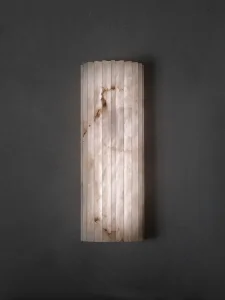
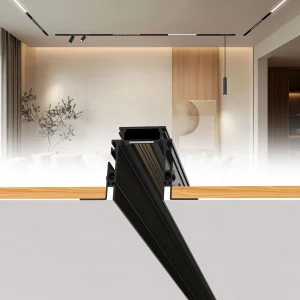
Explore our premium architectural, commercial, and task lighting options designed to withstand global commercial, industrial, and decorative application requirements.
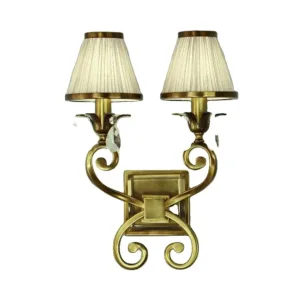
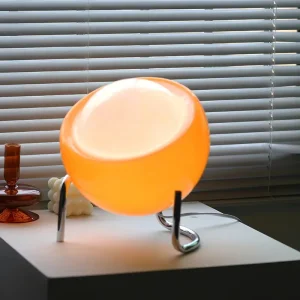
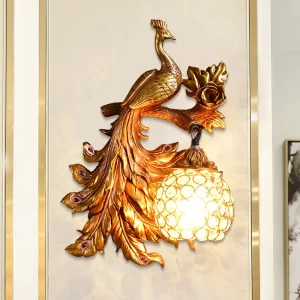
Understanding global demand, technological evolution, and sourcing criteria for high-performance outdoor and architectural luminaires.
The global demand for high-performance flood lamps has grown exponentially due to massive infrastructure expansion, sports arena constructions, and industrial facility expansions. Large-scale municipal contracts require luminaires that balance extreme luminous efficacy with exceptional lifespan. For B2B procurement managers, identifying the top exporters in manufacturing hubs like Dongguan involves analyzing engineering capabilities, supply chain security, and raw material access.
The industry has migrated from legacy Metal Halide (MH) and High-Pressure Sodium (HPS) configurations to smart Solid-State Lighting (SSL) technologies. Advanced LED flood lamps now incorporate multi-channel CCT switches, precise optical beam angles (from narrow 15° sports spotting to wide 120° perimeter safety beams), and IoT-compatible DALI or Zigbee drivers for automated municipal dimming schemes, maximizing energy conservation.
When executing supply chain vetting, compliance with international certifications is non-negotiable. To access markets in North America and Europe, products must bear credentials such as CE, ETL, cETL, RoHS, DOE, and ERP. These certifications guarantee not only mechanical and electrical safety but also verify structural ingress protection (IP ratings such as IP65/IP66) and color rendering standards (CRI ≥ 80 or 90) for commercial applications.
A deep dive into CLC Lighting's evolution, production methodologies, and commitment to global quality standards.
Dongguan CLC Lighting Co., Ltd. is a professional lighting manufacturer dedicated to providing high-quality lighting products and comprehensive lighting solutions to customers worldwide. Since entering the lighting industry in 2002, the company has continuously expanded its product portfolio and strengthened its manufacturing capabilities through innovation, advanced technology, and strict quality management.
Starting as a manufacturer specializing in incandescent bulbs, halogen lamps, and CFL energy-saving lamps, CLC Lighting has successfully transformed into a modern lighting enterprise with a strong focus on LED lighting. Today, they offer a wide range of lighting products for residential, commercial, decorative, and industrial applications, serving customers across Europe, North America, South America, the Middle East, Southeast Asia, and other global markets.
CLC Lighting is equipped with advanced automated production equipment, professional testing facilities, and an experienced team of engineers, technicians, and quality management personnel. From raw material sourcing to final product inspection, every production process is strictly controlled to ensure consistent quality, stable performance, and on-time delivery.
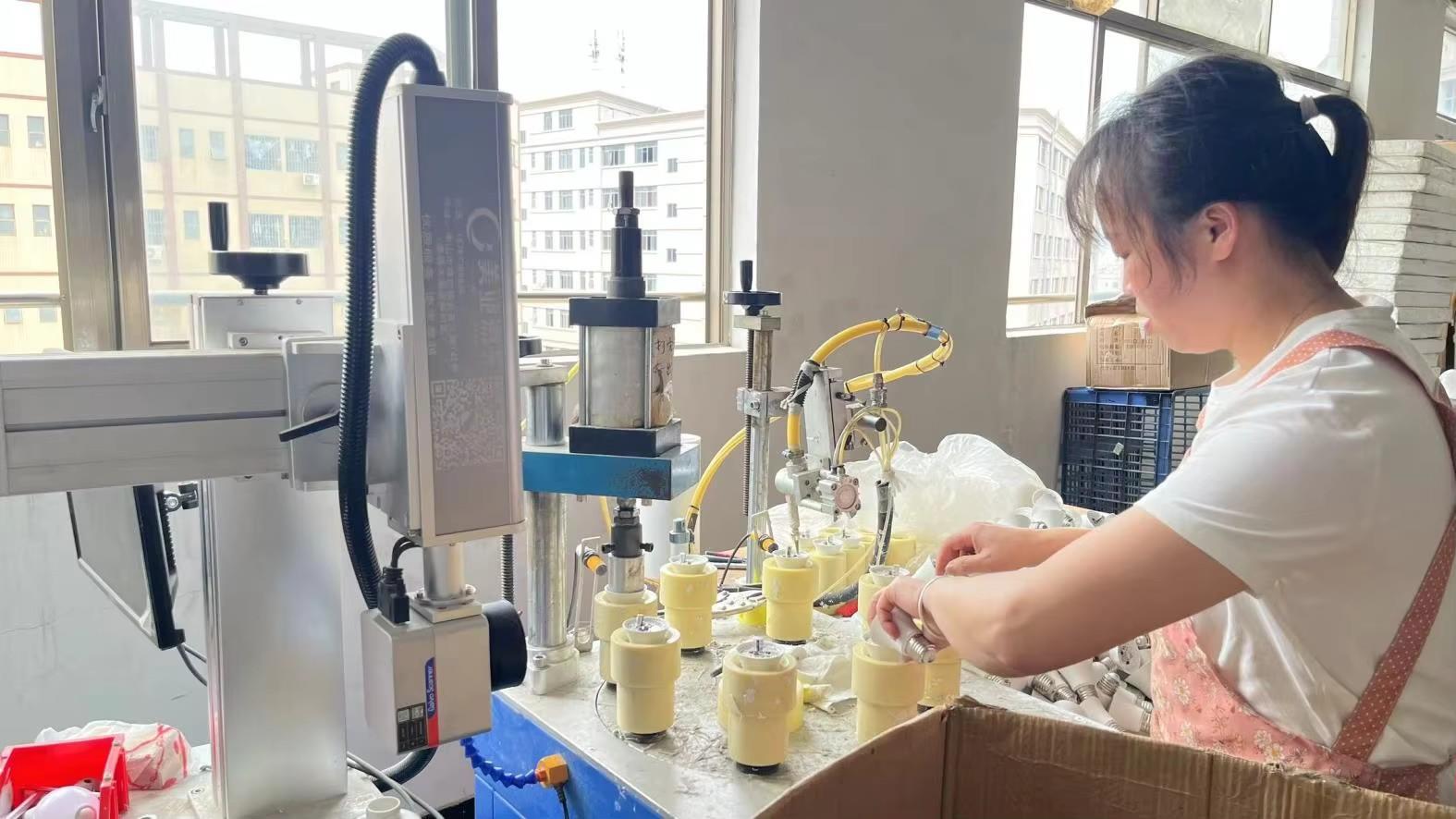
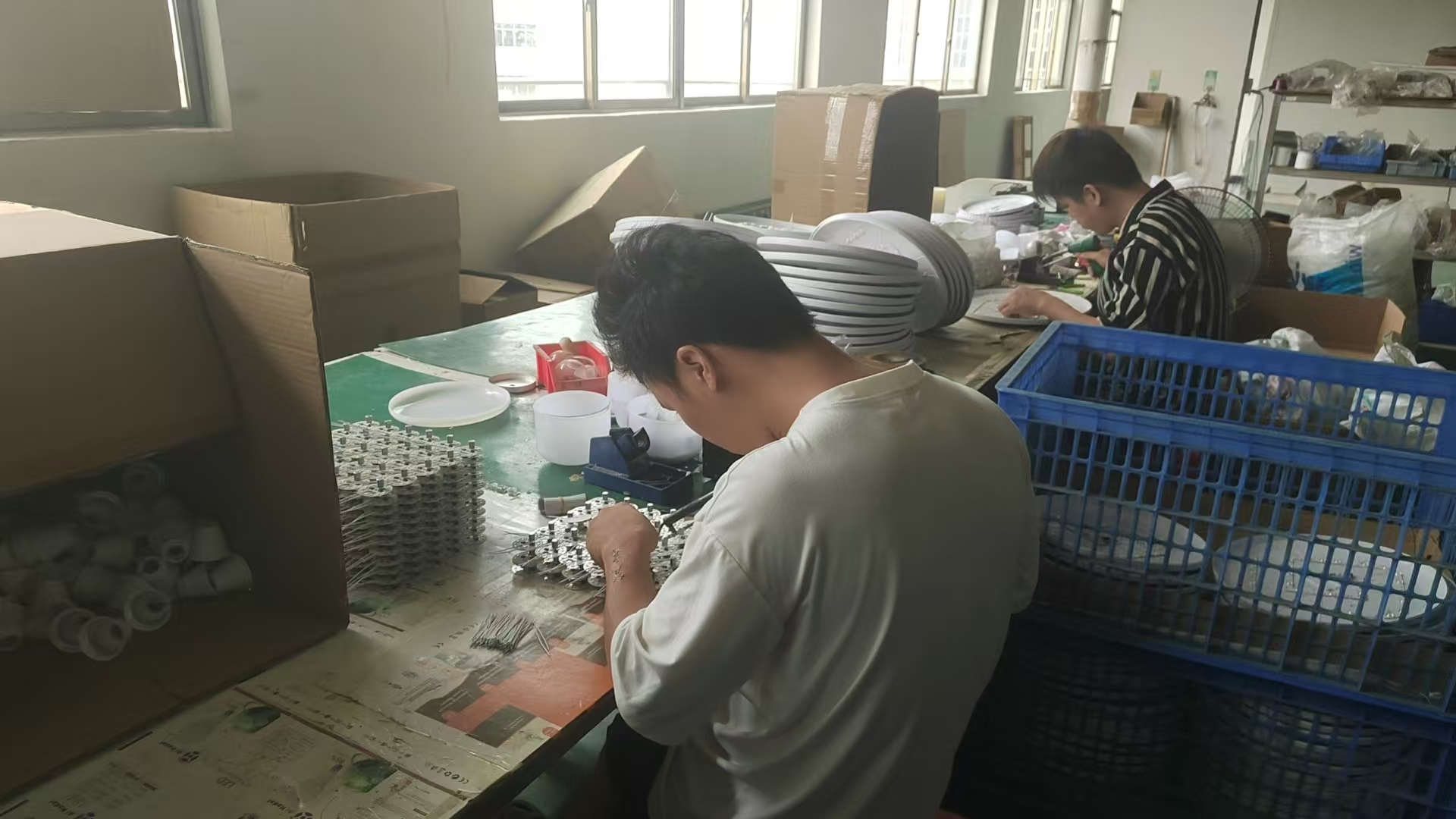
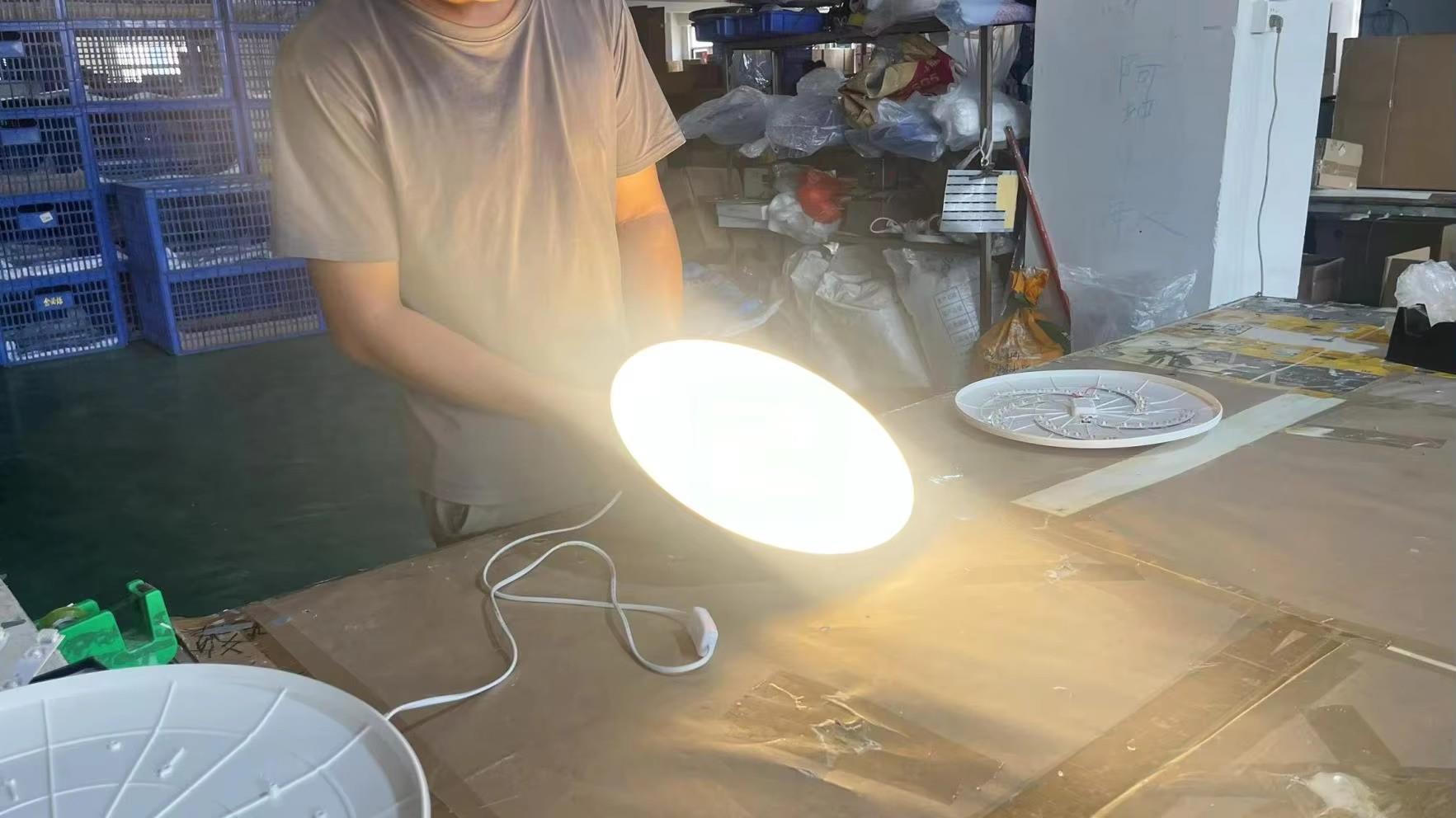
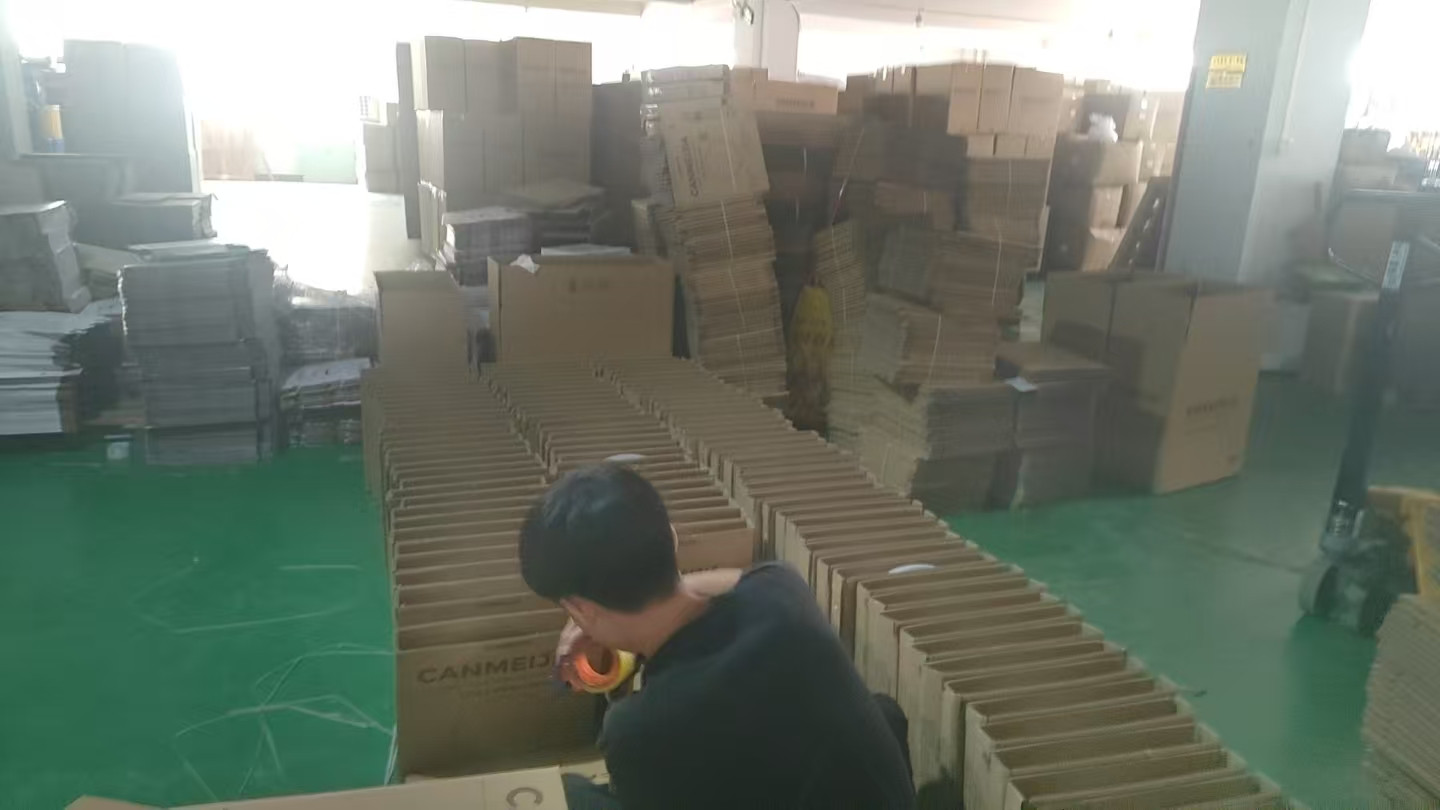
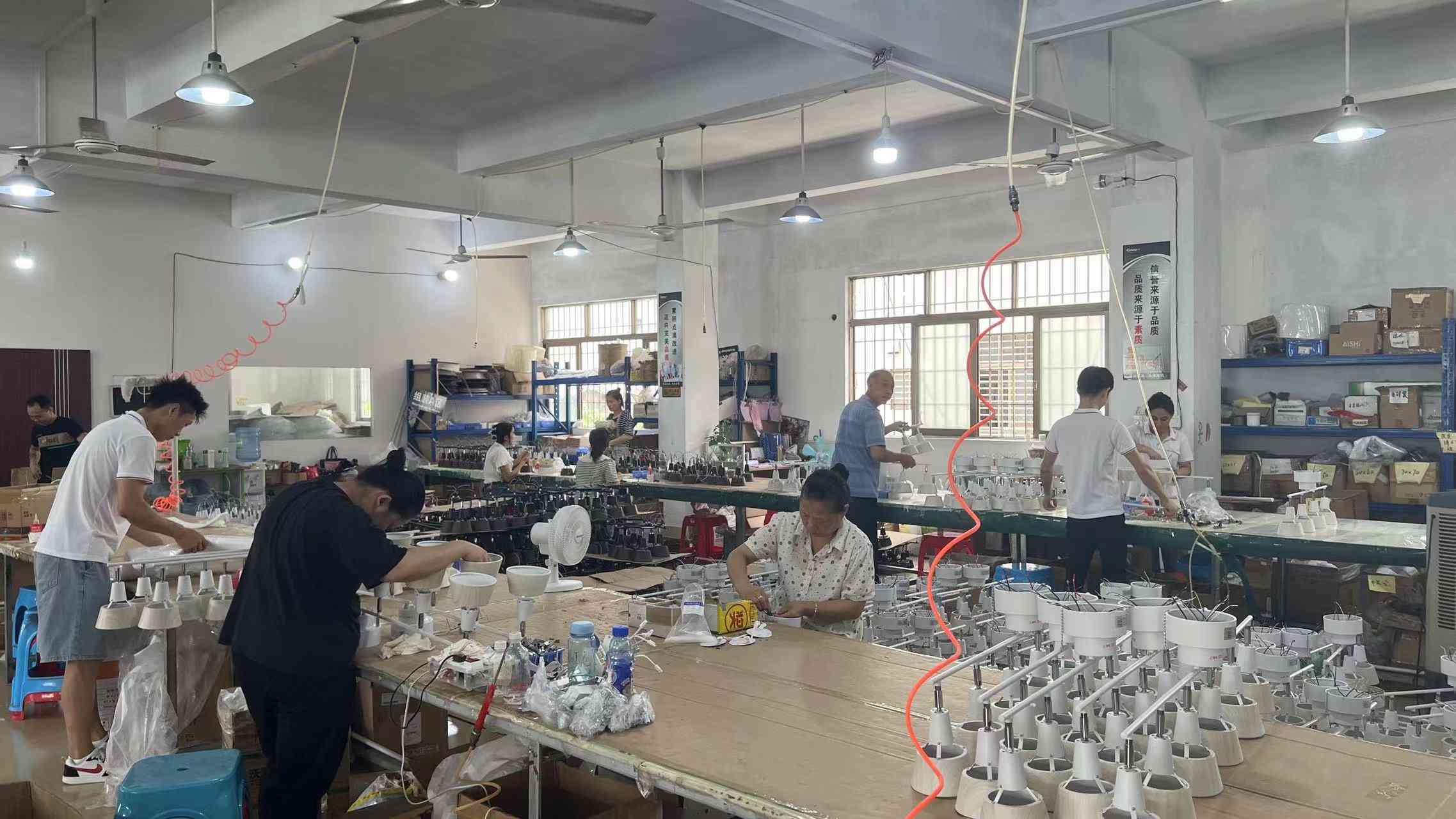
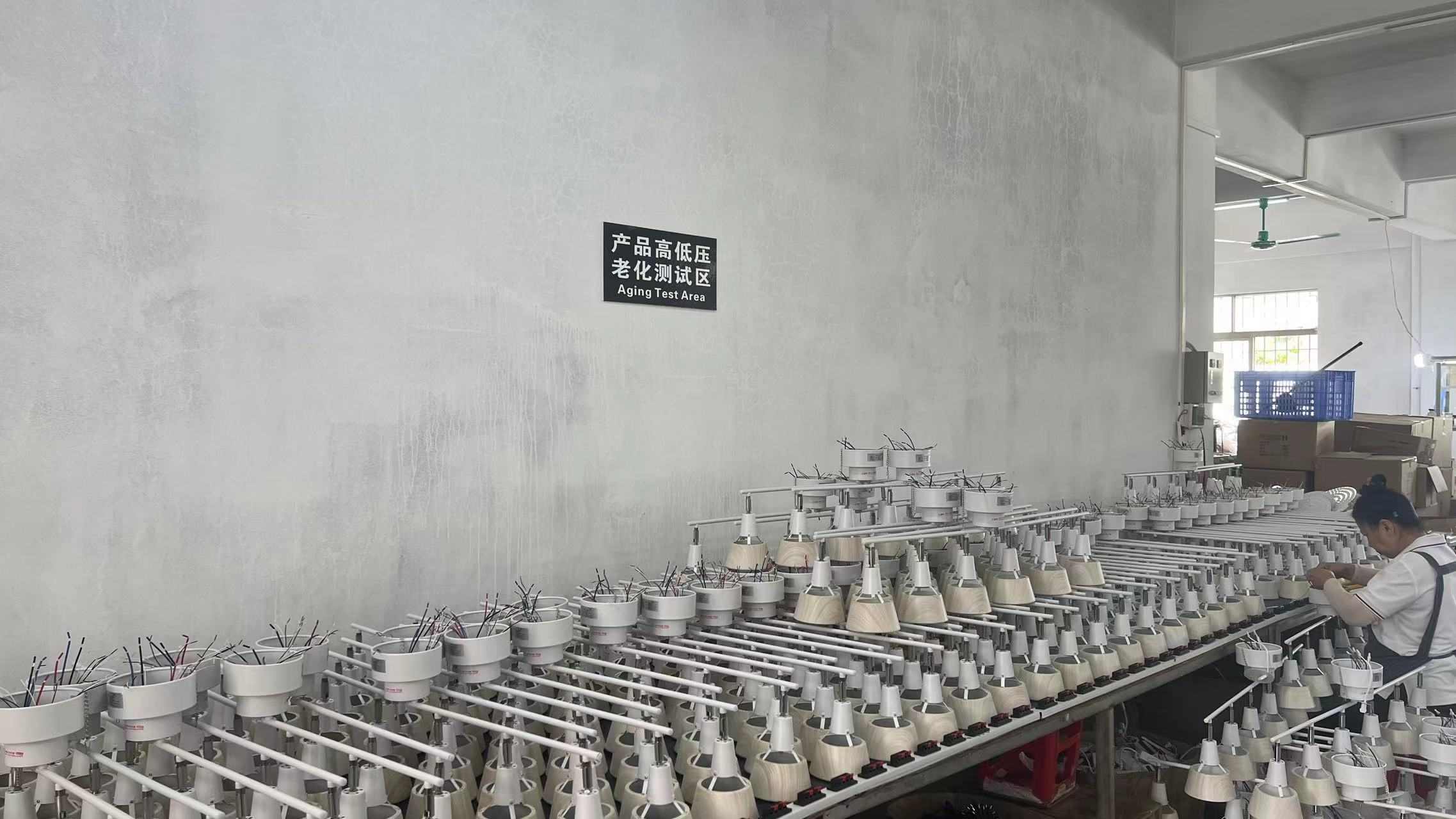
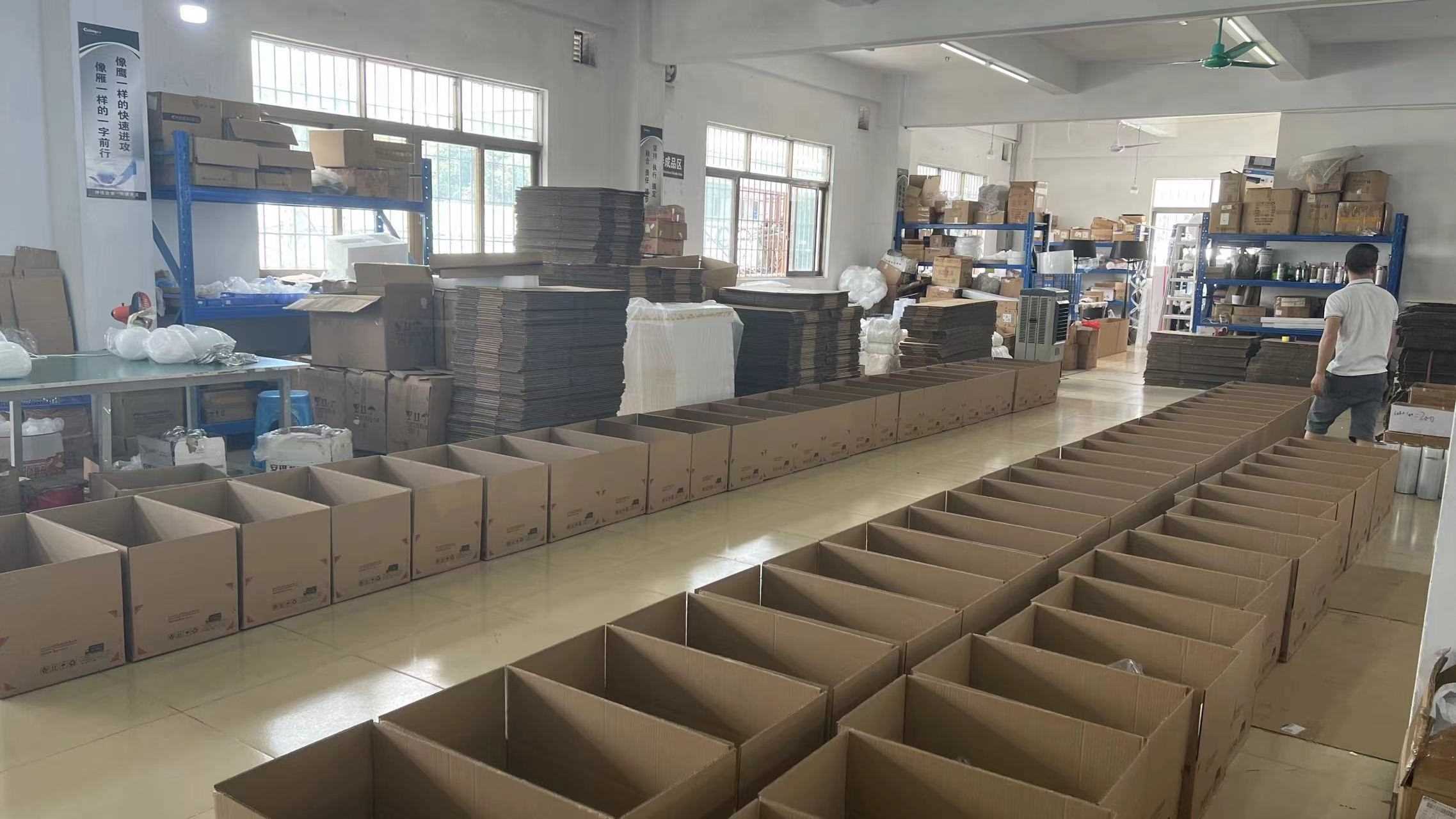
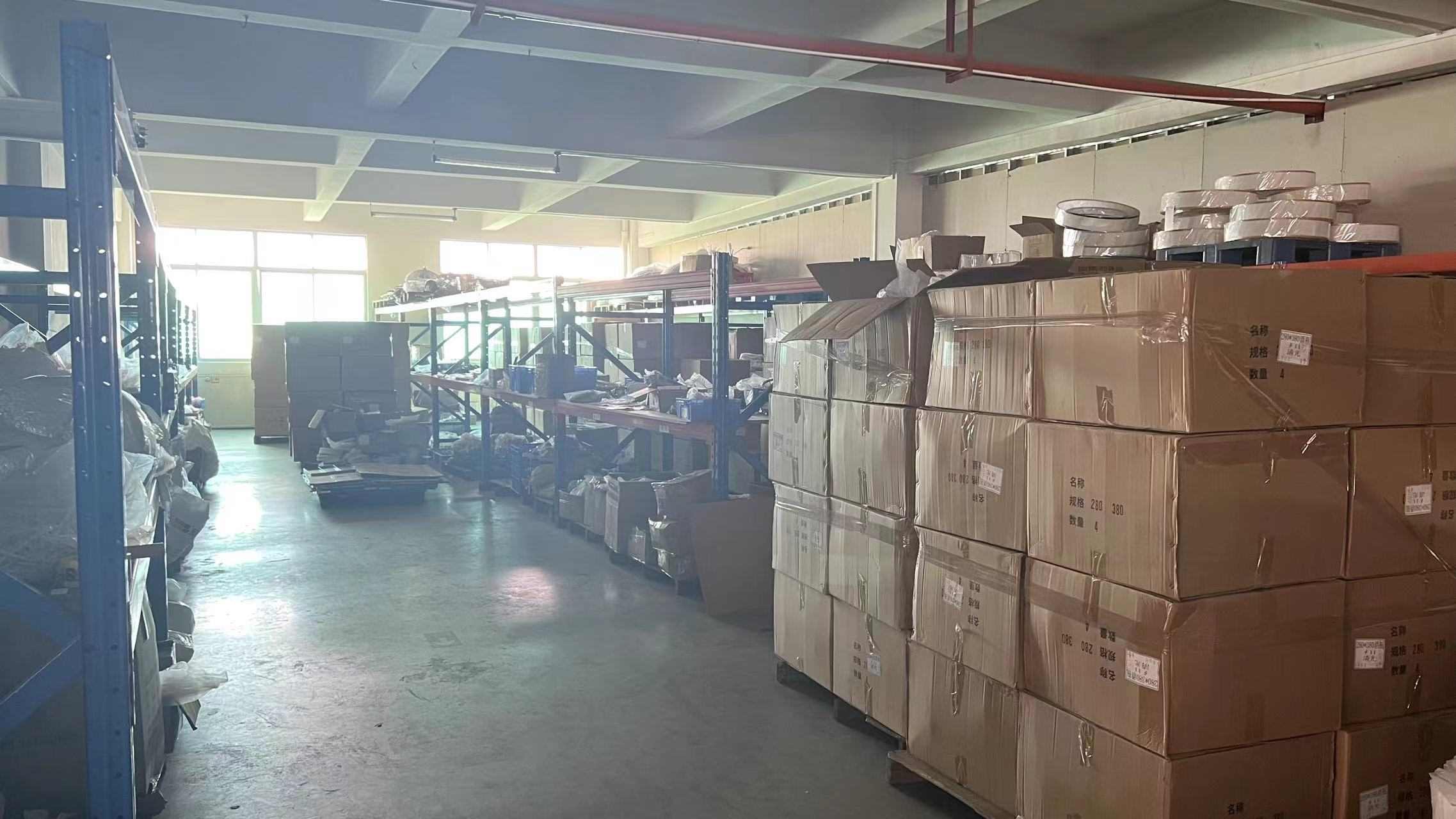
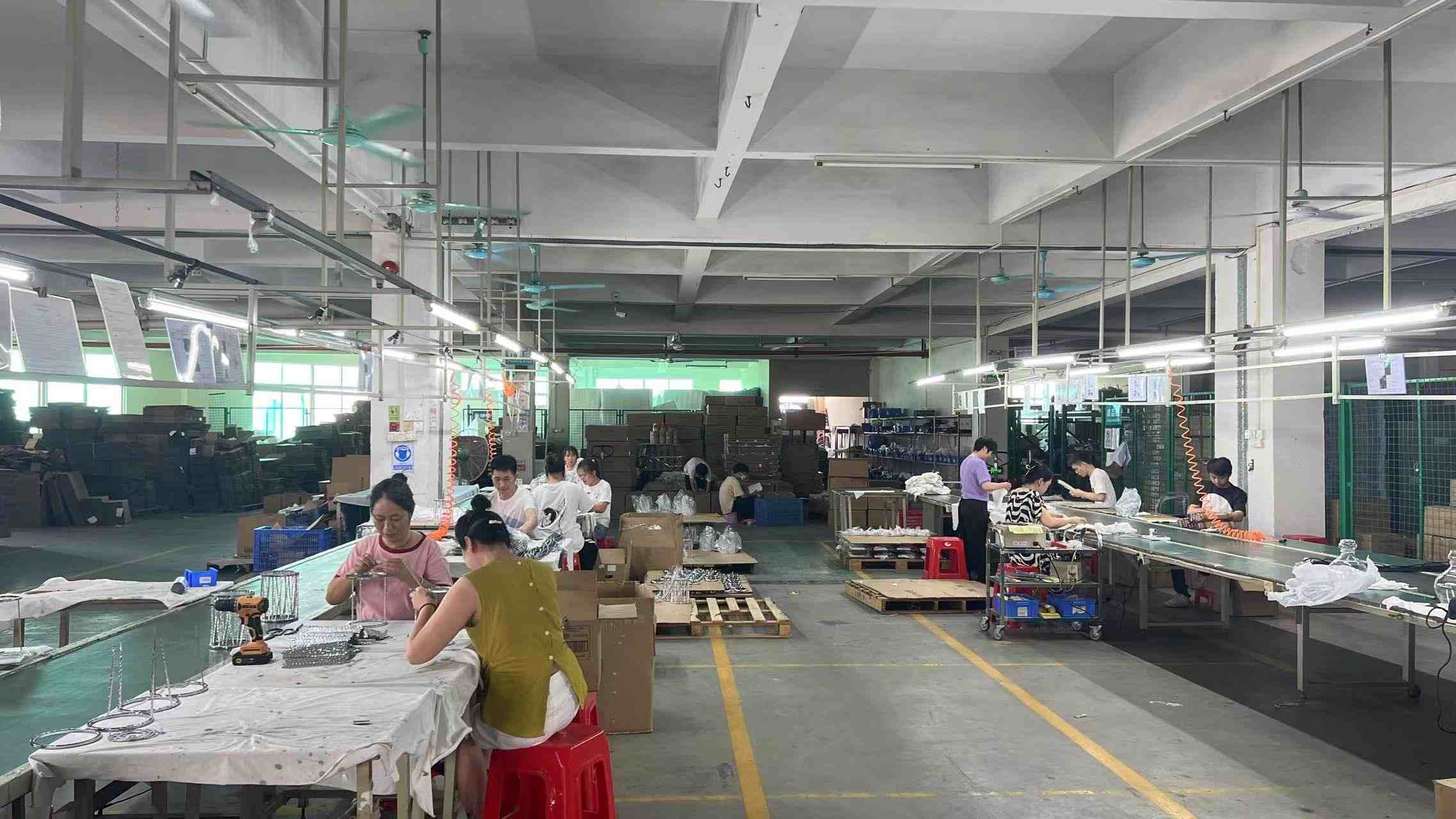
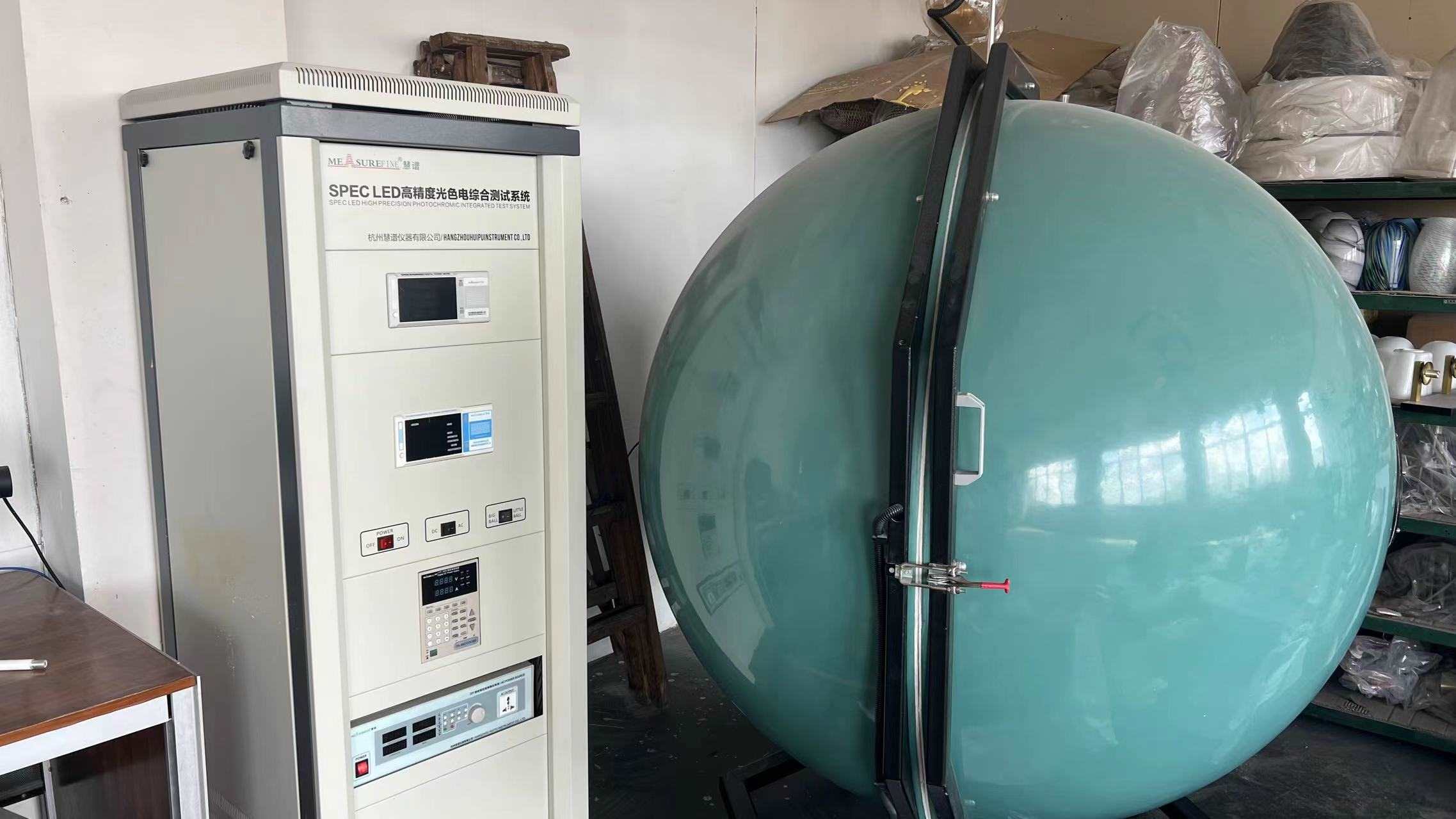
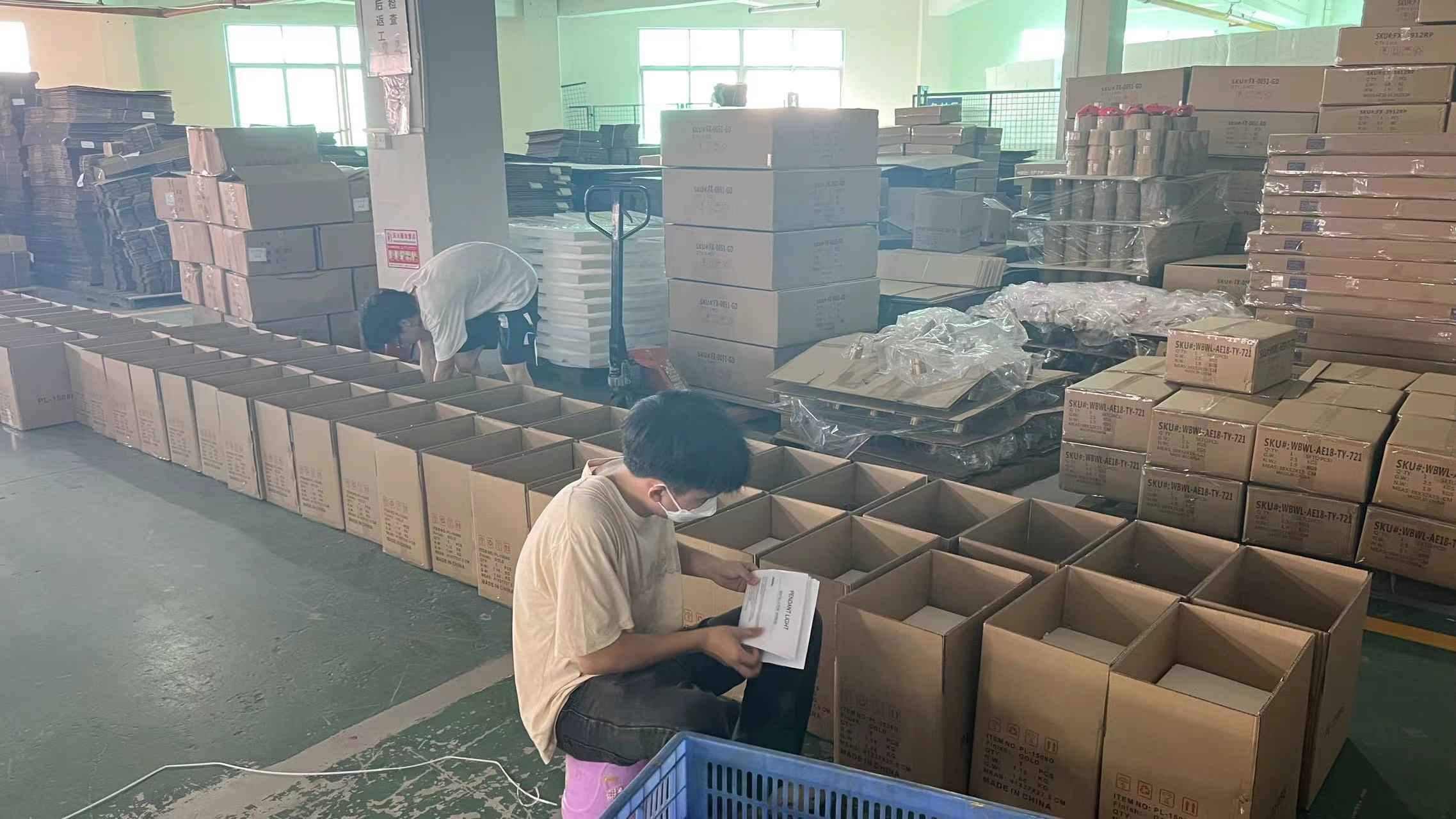
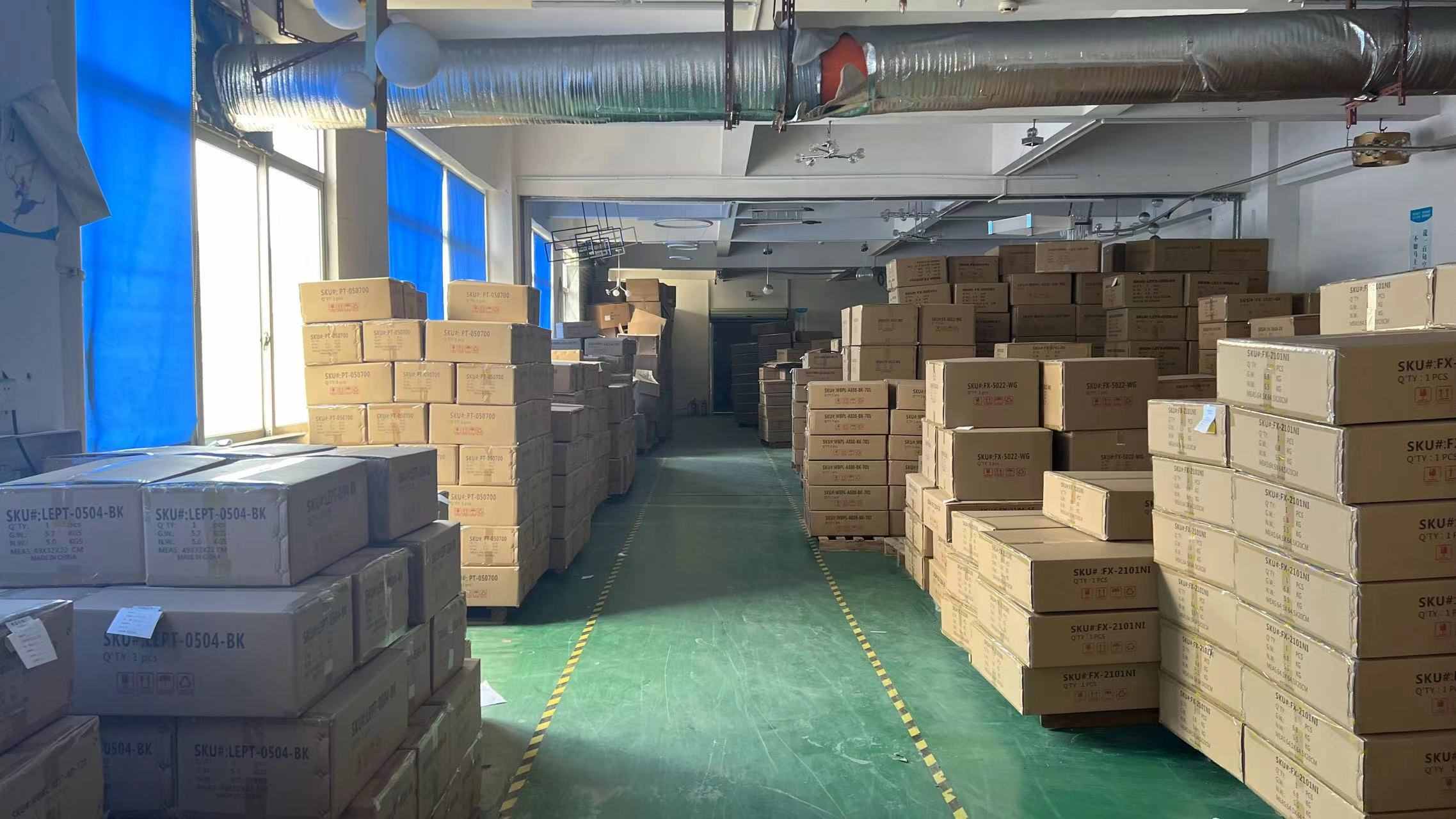
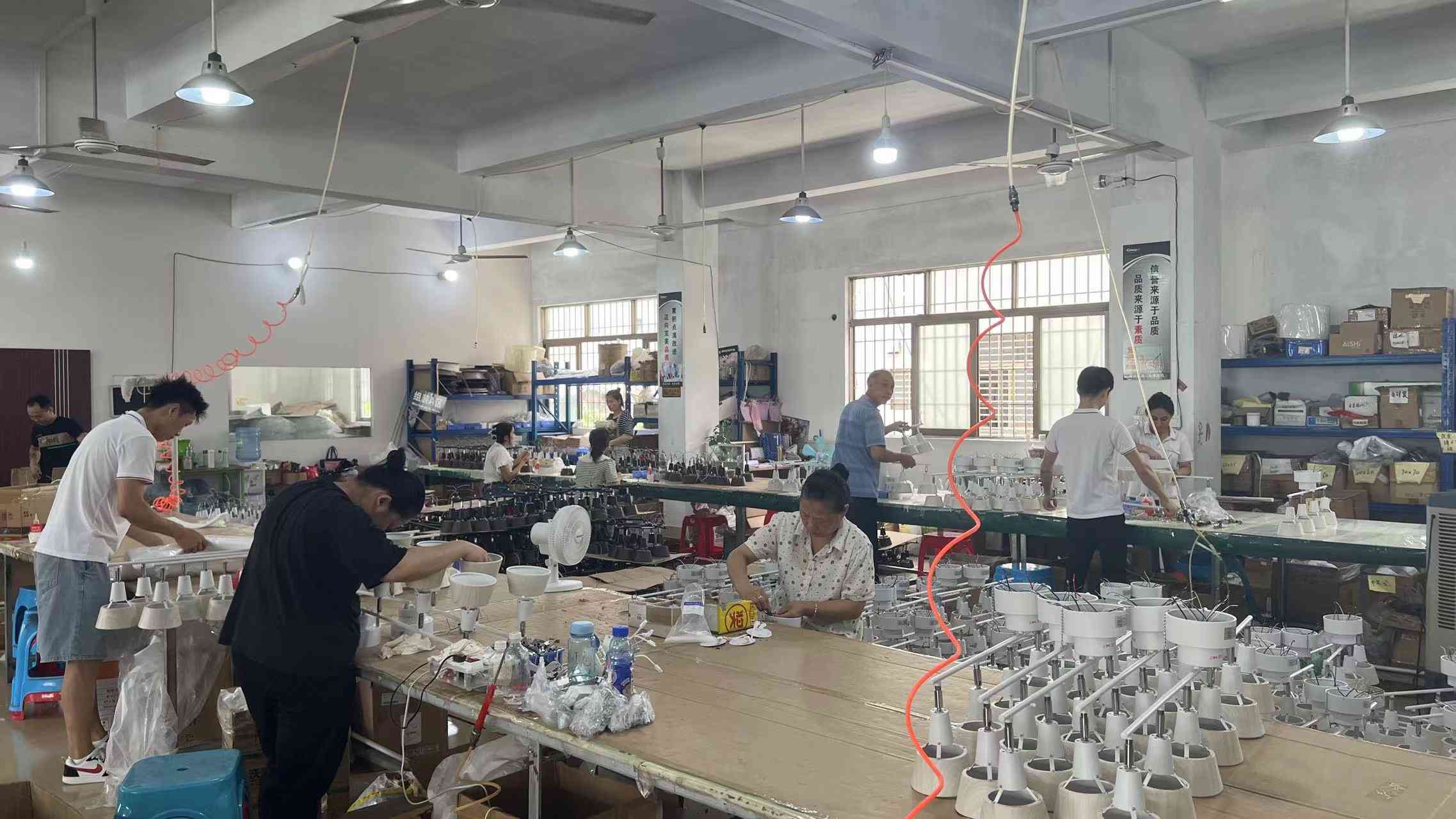
Supporting architectural contractors, brands, and distributors with customized CCT, lumens, finishes, and housing options that meet regional compliance specifications.
With dedicated goniophotometer rooms, integrating spheres, and temperature chambers, every product runs through standard 48-hour thermal and load stress checks.
Continuously refining material formulations, reducing plastics in packaging, and optimizing circuit architectures to conform to strict EU ErP directions and North American DOE guidelines.
Establish a framework to analyze manufacturing competencies, mitigate supply chain risks, and verify testing claims.
The number-one cause of premature luminaire failure is dynamic heat accumulation. When sourcing from any exporter, request detailed finite element analysis (FEA) reports indicating how thermal loads disperse. An optimized aluminum heatsink must align its fins with natural convective paths, preventing critical junction temperatures from crossing thresholds that induce phosphor degradation.
Many budget manufacturers compromise on optical lens quality, opting for recycled PMMA which yellows over time under intense UV solar exposure. Top-tier exporters integrate high-purity, UV-stabilized polycarbonate (PC) or tempered borosilicate glass optics. This keeps light transmittance above 92%, directing lumens exactly where they are required and minimizing light pollution.
Clear, direct, and actionable guidance for procurement teams evaluating global lighting suppliers.
Review the technical specifications of our residential, decorative, and accent lighting product catalog to support your sourcing requirements.