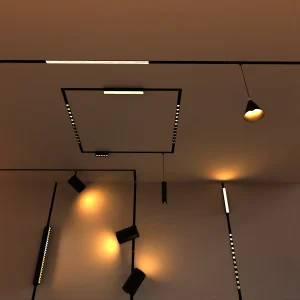
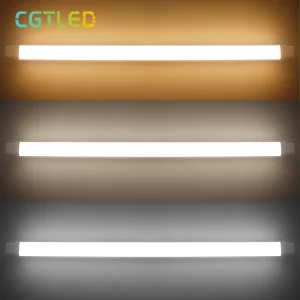
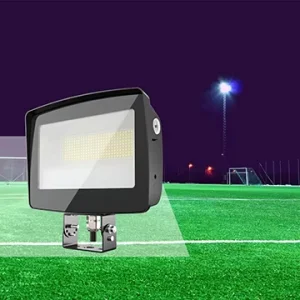
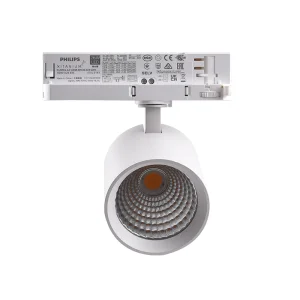
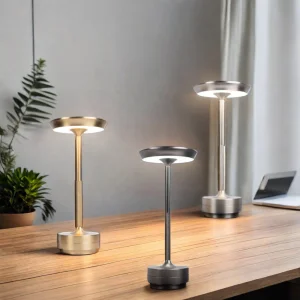
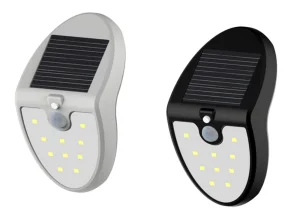
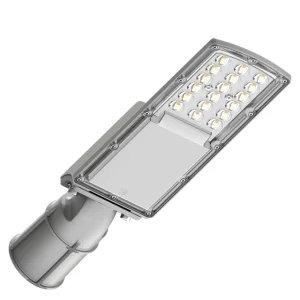
Explore our foundational products engineered for residential, commercial, and specialty environments.

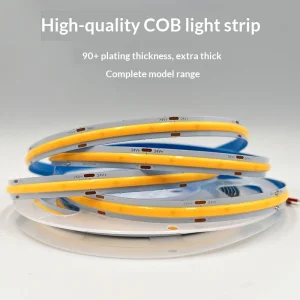
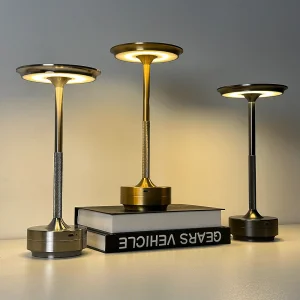
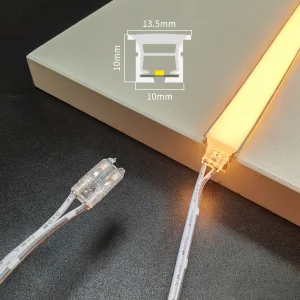
Architectural guidelines, safety parameters, and the role of specialized manufacturing.
Modern architectural illumination is undergoing a profound paradigm shift where safety parameters seamlessly integrate with high-end aesthetic values. Step lamps (commonly referred to as stair lights, step-tread luminaires, or pathway lights) serve as critical safety components in low-visibility environments. From public transit hubs and luxury hospitality venues to private residential hardscapes, the performance of a step lamp determines not just the design ambiance, but also compliance with local building and accessibility safety codes (such as the American with Disabilities Act - ADA, and European EN standards).
For global procurement managers, EPC contractors, and lighting brand owners, partnering with the right manufacturing facility is the cornerstone of project success. An expert step lamp factory must offer more than basic assembly; they require advanced expertise in thermal dissipation, optoelectronics, materials science, and ingress protection (IP) engineering. As search engines prioritize high-quality, verified data through Google's E-E-A-T framework, this whitepaper provides an exhaustive exploration of the manufacturing processes, technical innovations, and structural compliance systems that distinguish market-leading Chinese factories from standard assemblers.
Illuminating the Future with Quality and Innovation since 2002
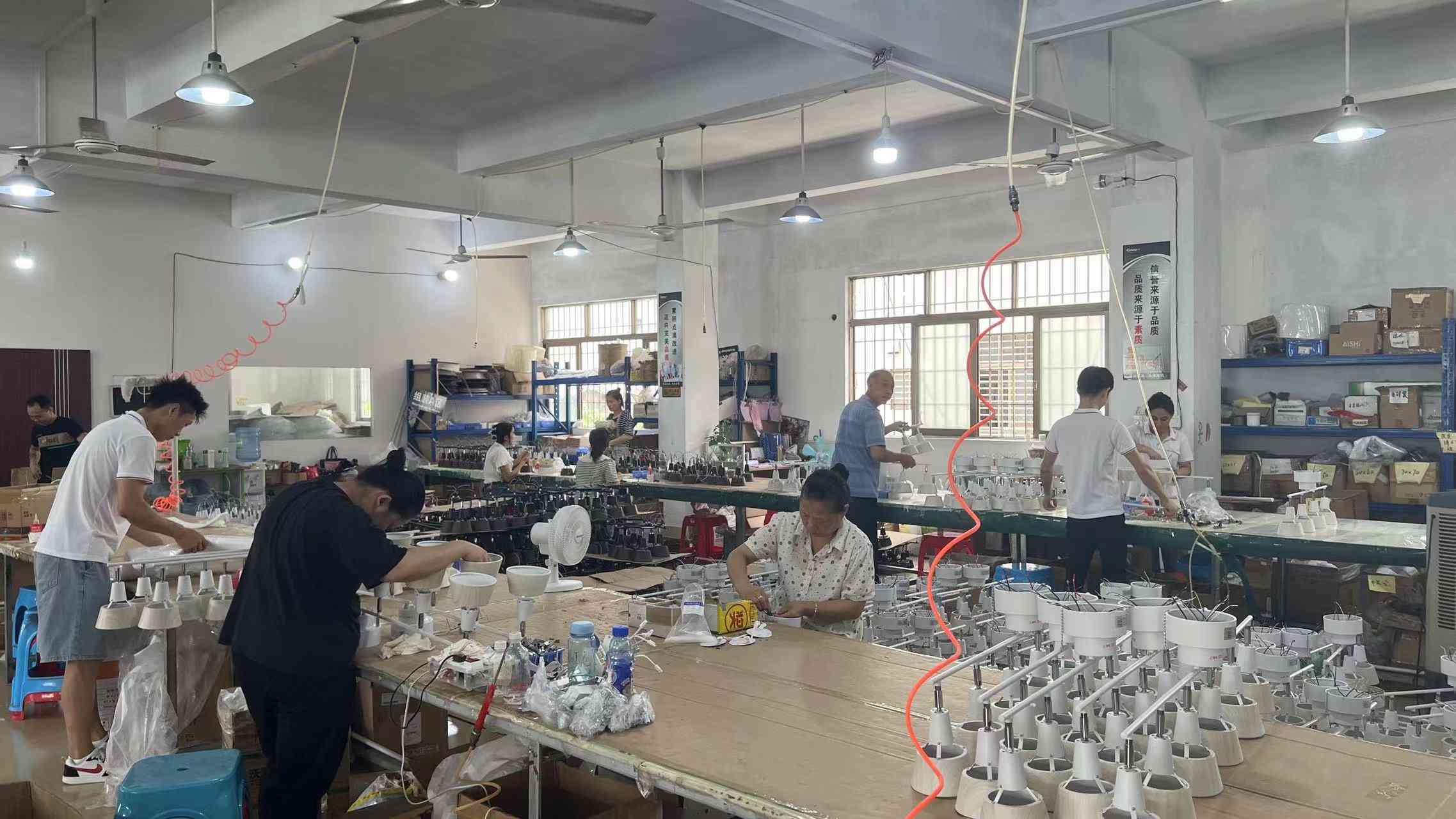
Dongguan CLC Lighting Co., Ltd. is a professional, highly specialized lighting manufacturer dedicated to providing premium lighting products and comprehensive, engineered lighting solutions to customers worldwide. Since entering the lighting industry in 2002, we have continuously expanded our product portfolio and strengthened our manufacturing capabilities through continuous technical innovation, advanced automated equipment, and strict quality management systems.
Starting our operations as an expert manufacturer specializing in conventional incandescent bulbs, halogen lamps, and CFL energy-saving lamps, CLC Lighting has successfully transformed into a modern, forward-thinking lighting enterprise with a strong focus on high-performance LED lighting. Today, we offer an expansive range of lighting products engineered for residential, commercial, decorative, and industrial applications, serving buyers across Europe, North America, South America, the Middle East, Southeast Asia, and other global markets.
Quality is always our top organizational priority. All CLC Lighting products comply with international safety, environmental, and energy efficiency standards. We have obtained multiple certifications including CE, ETL, cETL, ERP, RoHS, DOE, and CEC, enabling us to seamlessly meet the rigorous compliance demands of various jurisdictions.
We work closely with global trading companies, lighting brands, wholesalers, and project contractors. Our specialized R&D division supports rapid prototyping, custom product design, packaging localization, and deep technical consultation.
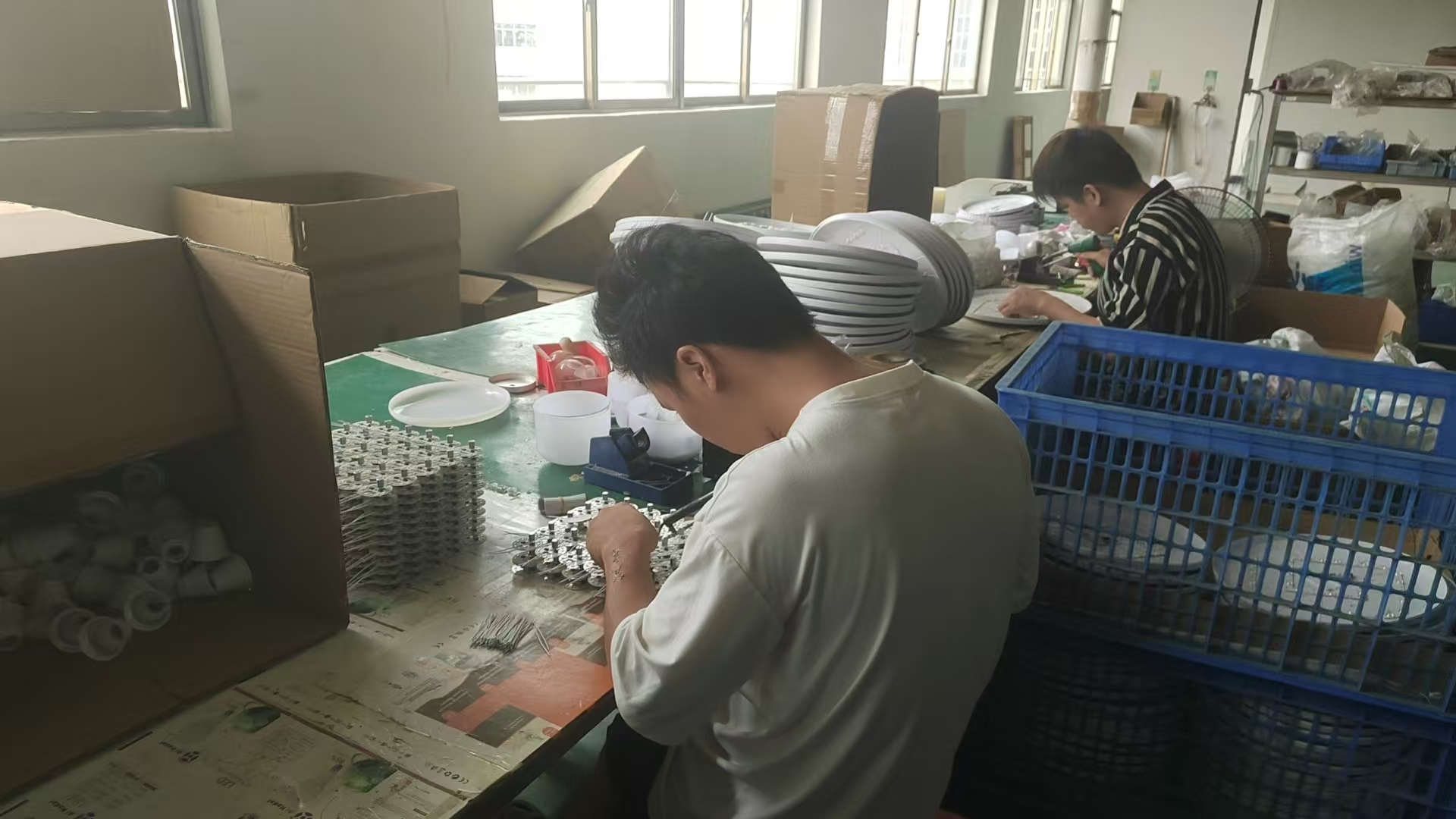
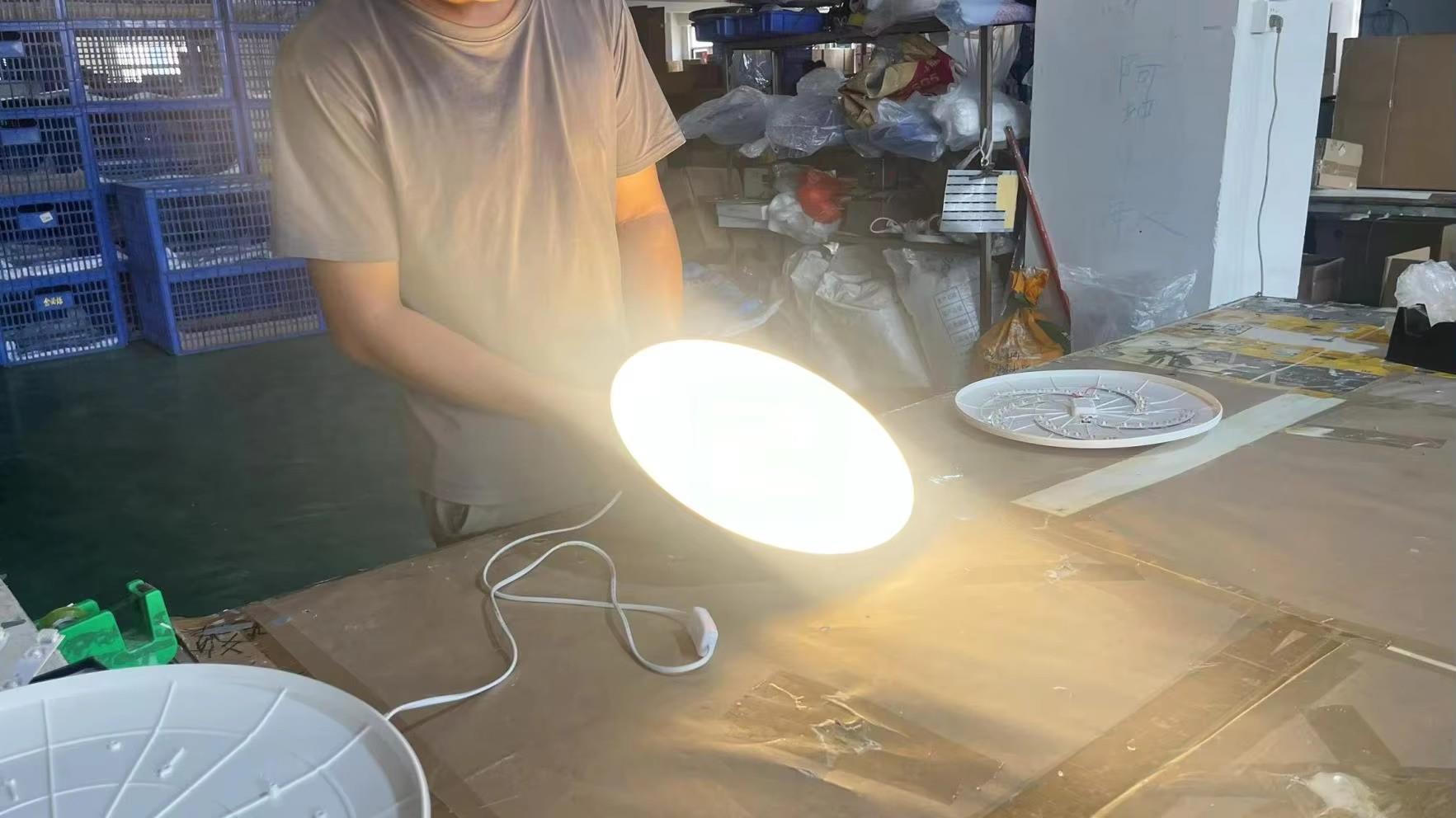
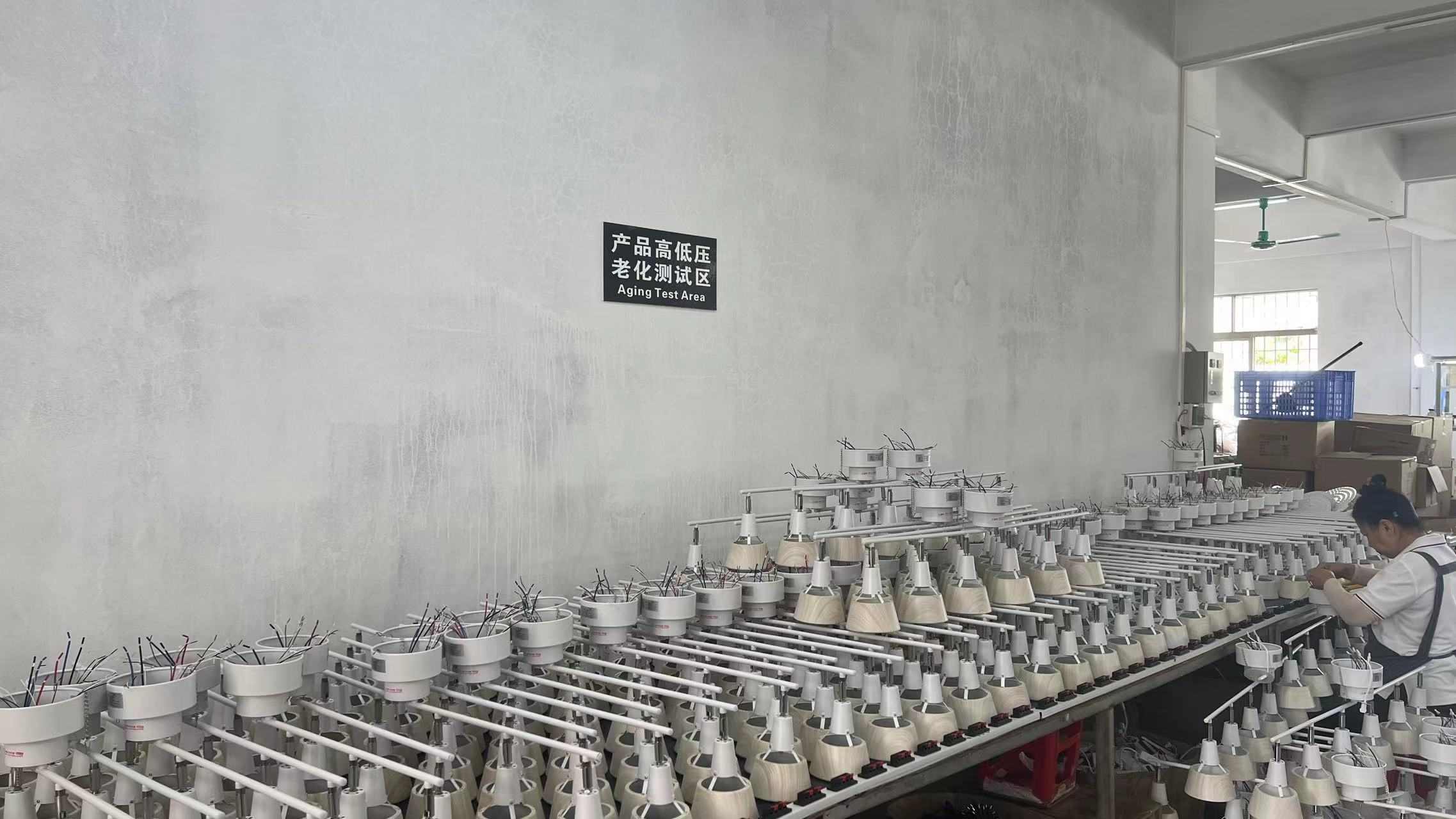
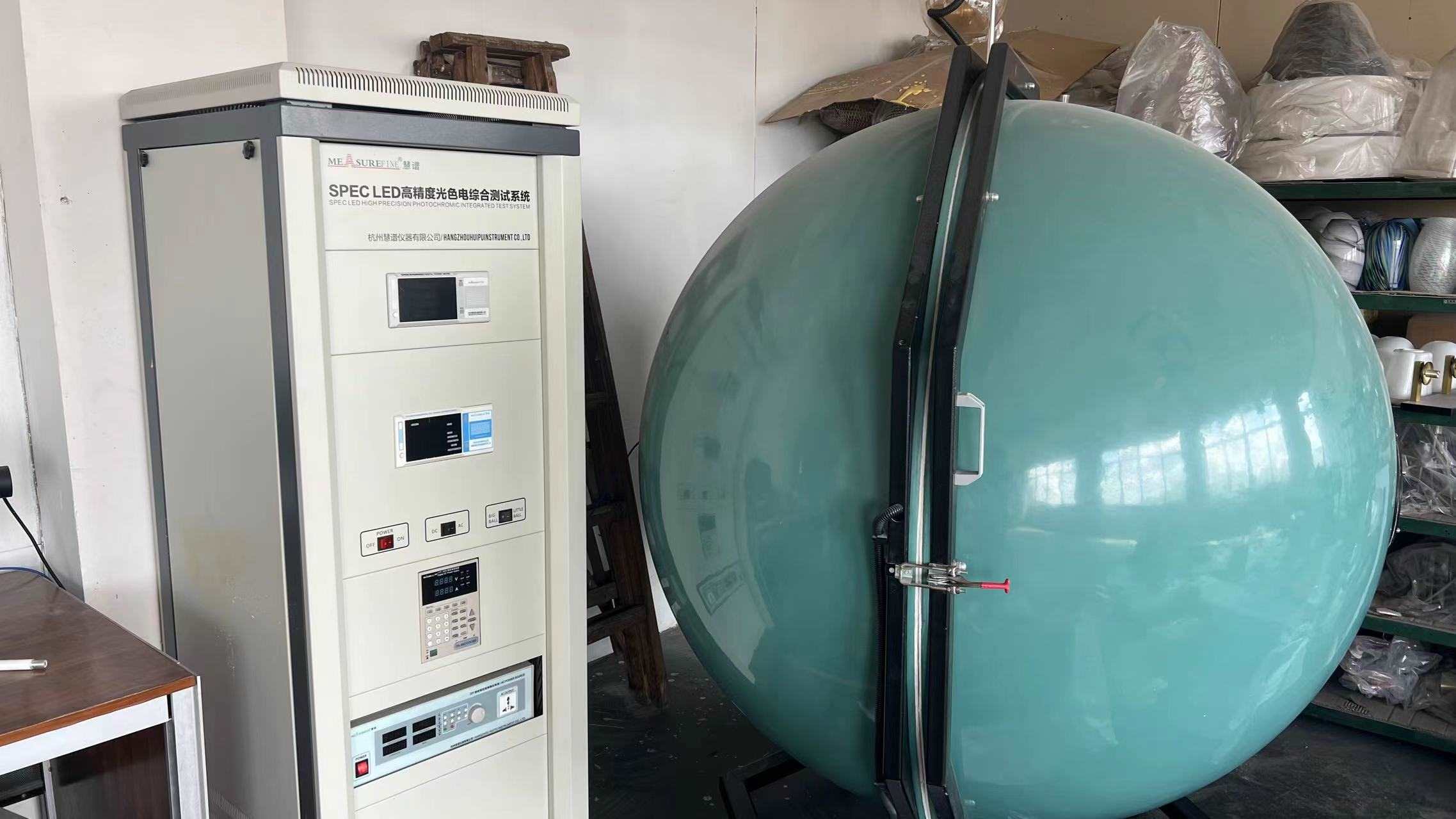
From raw material verification to continuous high-temperature aging chambers, every manufacturing process is monitored step-by-step. Our internal laboratory guarantees performance metrics before shipment.
Understanding how supply chain vertical integration leads to reliable, cost-effective luminaire production.
Chinese lighting hubs, specifically located in regions like Dongguan and Guzhen, benefit from an unparalleled localized ecosystem. For step lamps, which require robust anti-corrosion properties, factories leverage high-pressure die-cast aluminum alloys (typically ADC12 or A380 grade) combined with automated CNC finishing. This prevents mechanical warping and provides optimal heat dissipation paths for integrated LEDs.
Standard manufacturing operations are backed by rapid component sourcing: from optical grade PMMA lenses and UV-stabilized silicone gaskets to high-efficiency LED chips (such as Cree, Osram, or Lumileds) and constant-current drivers. This direct accessibility ensures shorter production lead times, lower shipping overheads, and rapid adjustment to custom design specifications.
Step lamps designed for outdoor concrete or brick-recessed installation must survive harsh environmental stresses. Top Chinese factories utilize precision mechanical tooling to guarantee IP65, IP67, or IP68 ingress protection. Advanced salt-spray testing chambers, IK-impact rating testers, and high-pressure water-jet equipment simulate decade-long exposure to extreme weather conditions.
The convergence of architectural design, IoT technology, and eco-friendly system integrations.
The global step lamp industry is moving rapidly toward smart integration, ecological sustainability, and low-profile design configurations. Modern architectural blueprints no longer demand heavy, visible lighting fixtures. Instead, the focus has shifted to "invisible light sources"—fixtures that hide the light source while providing excellent, glare-free downward illumination. Standard development trends dominating the market include:
Deploying specialized step lamps across residential, commercial, and extreme environment projects.
In high-density commercial settings such as hotels, theaters, and lecture halls, step lamps must operate continuously for over 12 hours a day. Thermal management is key here. Factories resolve this by using heavy aluminum backing plates to absorb heat and combining them with constant-current drivers to prevent LED flickering. The light output must be soft, warm (2200K - 2700K), and directed downwards to preserve the theater-like atmosphere while ensuring guest safety.
Outdoor walkways, concrete steps, and coastal boardwalks represent the most challenging environments for luminaires. Standard step lights can fail within months due to saltwater corrosion or water leakage. Premium factories solve this by using 316 marine-grade stainless steel faceplates, double-sealed PG cable glands, and internal conformal coating on the PCBs. They also run extensive moisture testing to guarantee long-term IP67/IP68 performance.
Crucial evaluation checkpoints for international sourcing directors and compliance specialists.
Vetting a step lamp factory in China requires looking past catalog brochures to evaluate true manufacturing capabilities. Global procurement teams should follow this systematic verification checklist:
| Verification Criteria | Technical Standard / Requirement | Operational Significance |
|---|---|---|
| Safety & Ingress Certification | CE, RoHS, ETL/cETL, IP65/IP67/IP68 | Ensures local building code compliance and smooth customs clearance. |
| LED Driver Integration | Class 2 Power Supply, Over-voltage, Short-circuit protection | Protects the installation from power surges and reduces long-term maintenance costs. |
| Color Consistency (SDCM) | MacAdam Ellipse Step 3 or Step 5 | Prevents noticeable variations in color temperature along a single staircase run. |
| Material Finishing | Anodized, Powder-coated Aluminum, or Grade 316 Stainless Steel | Prevents oxidation, pitting, and rusting in humid or outdoor coastal zones. |
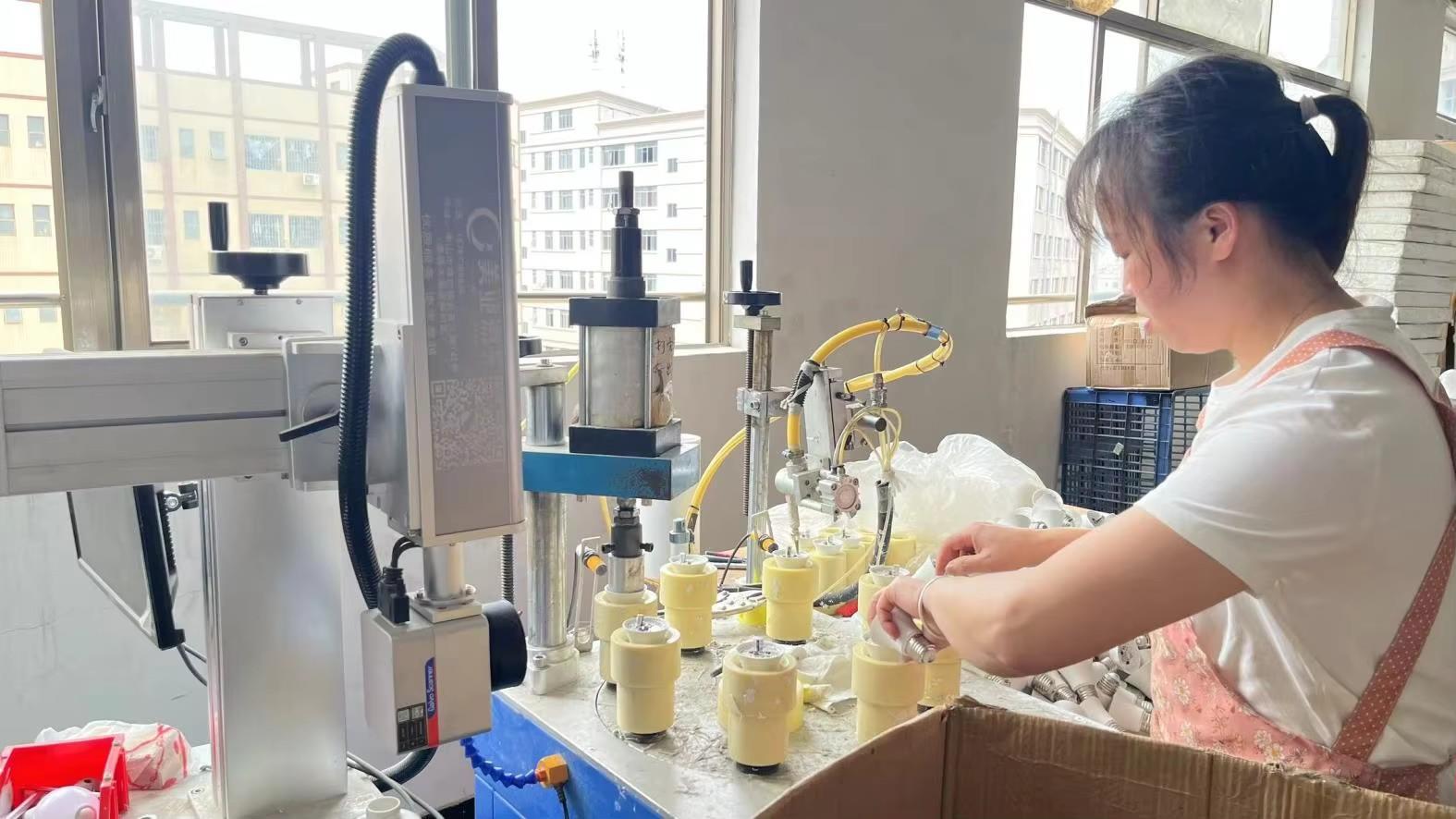
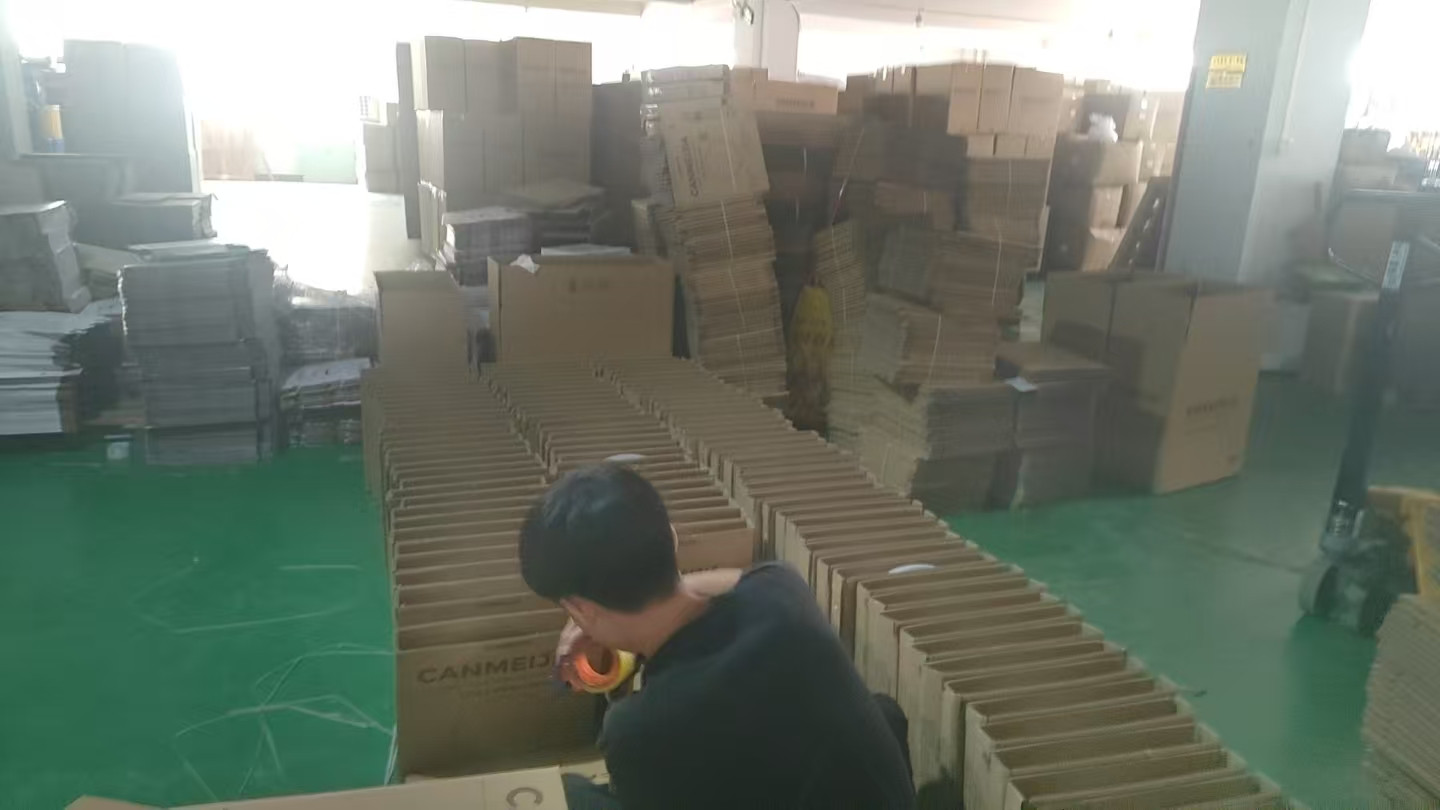
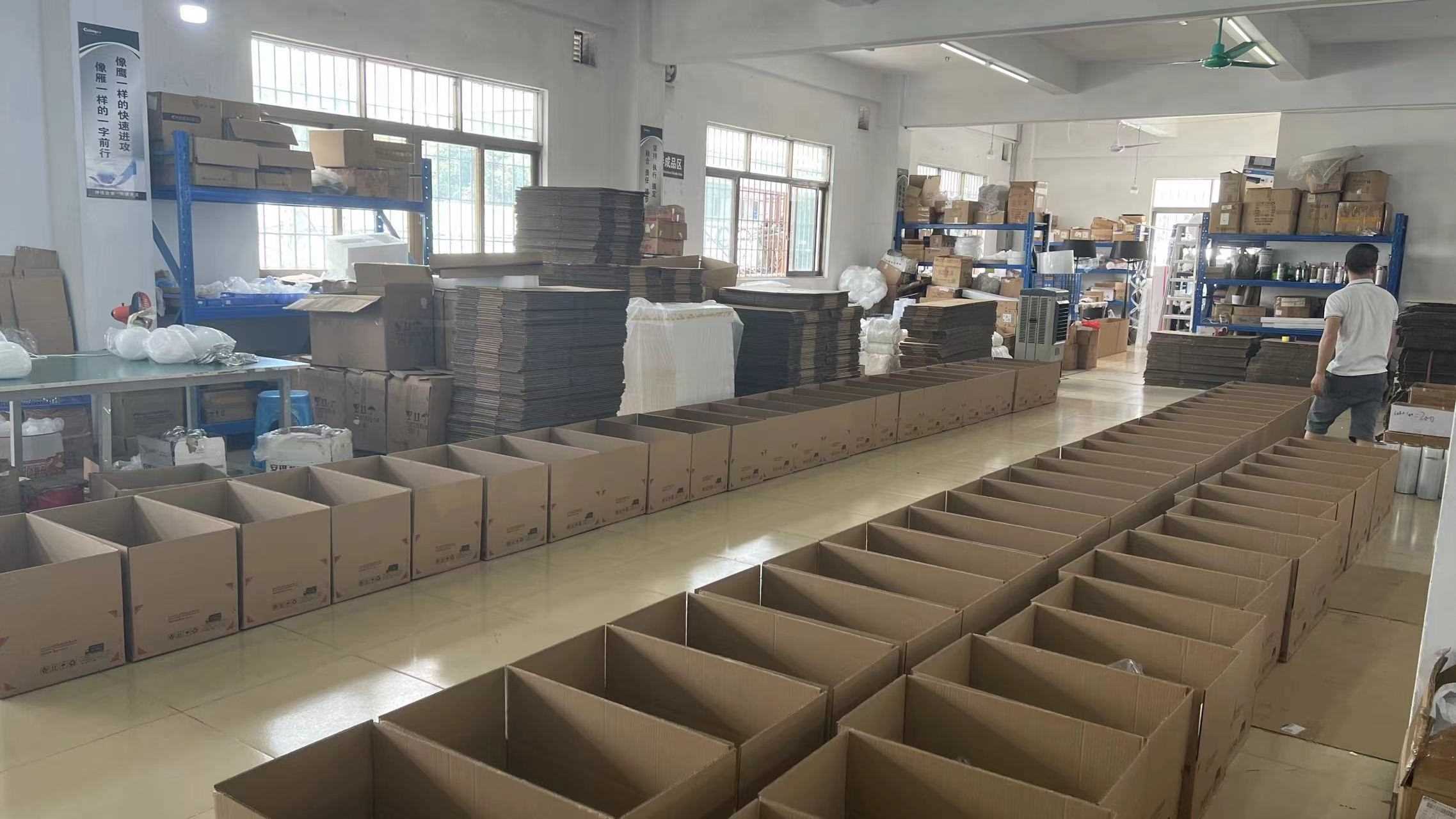
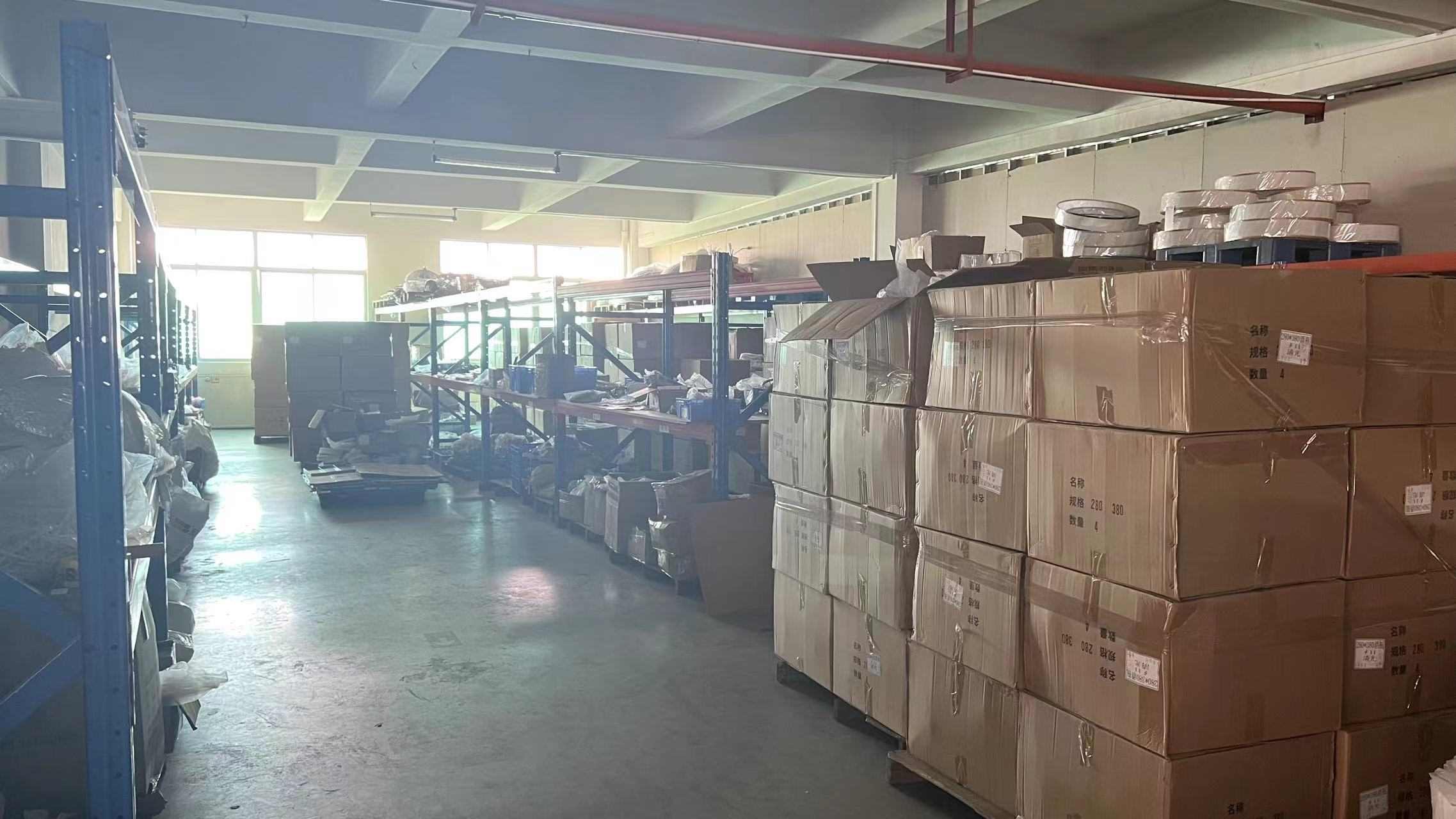
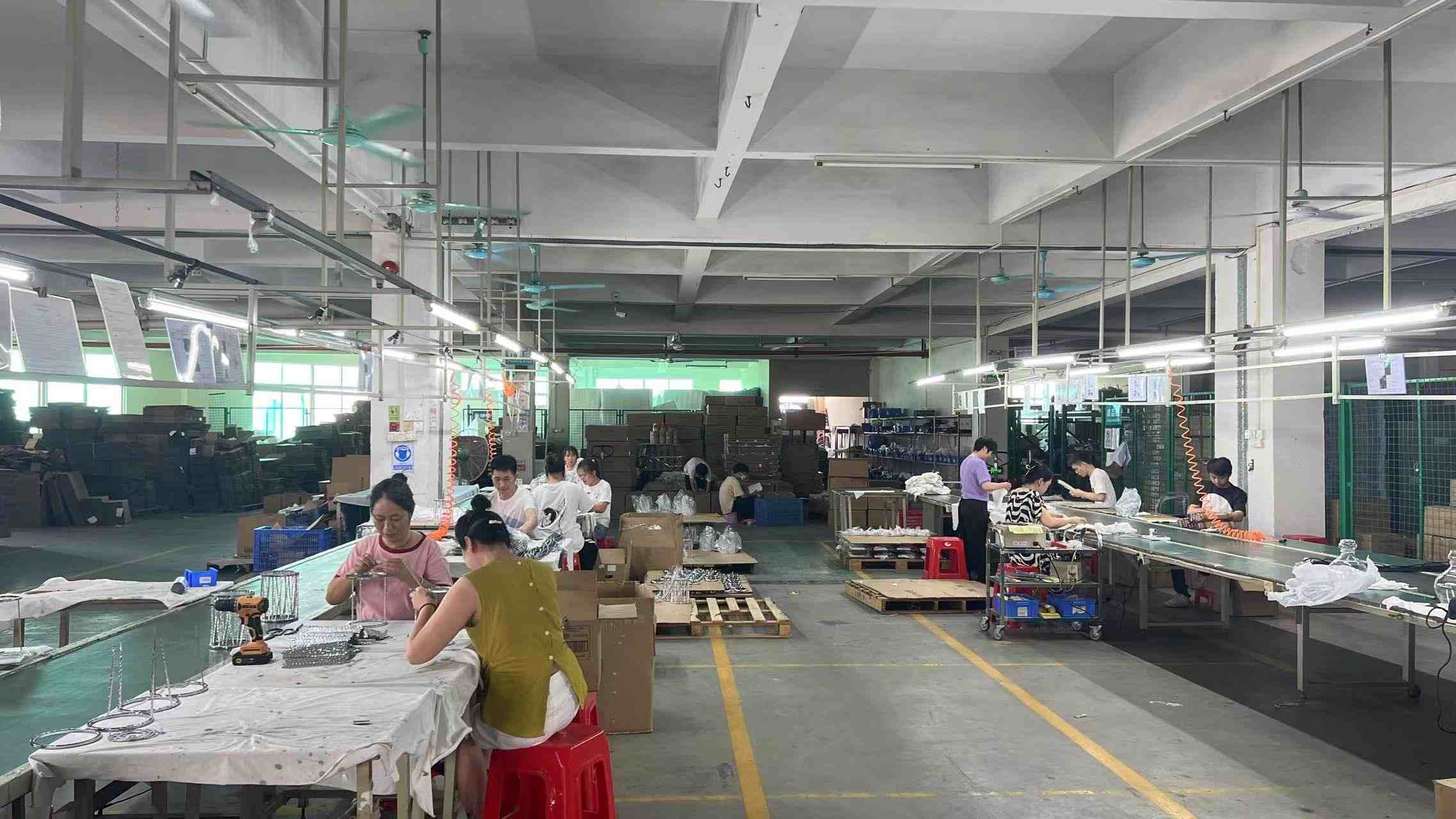
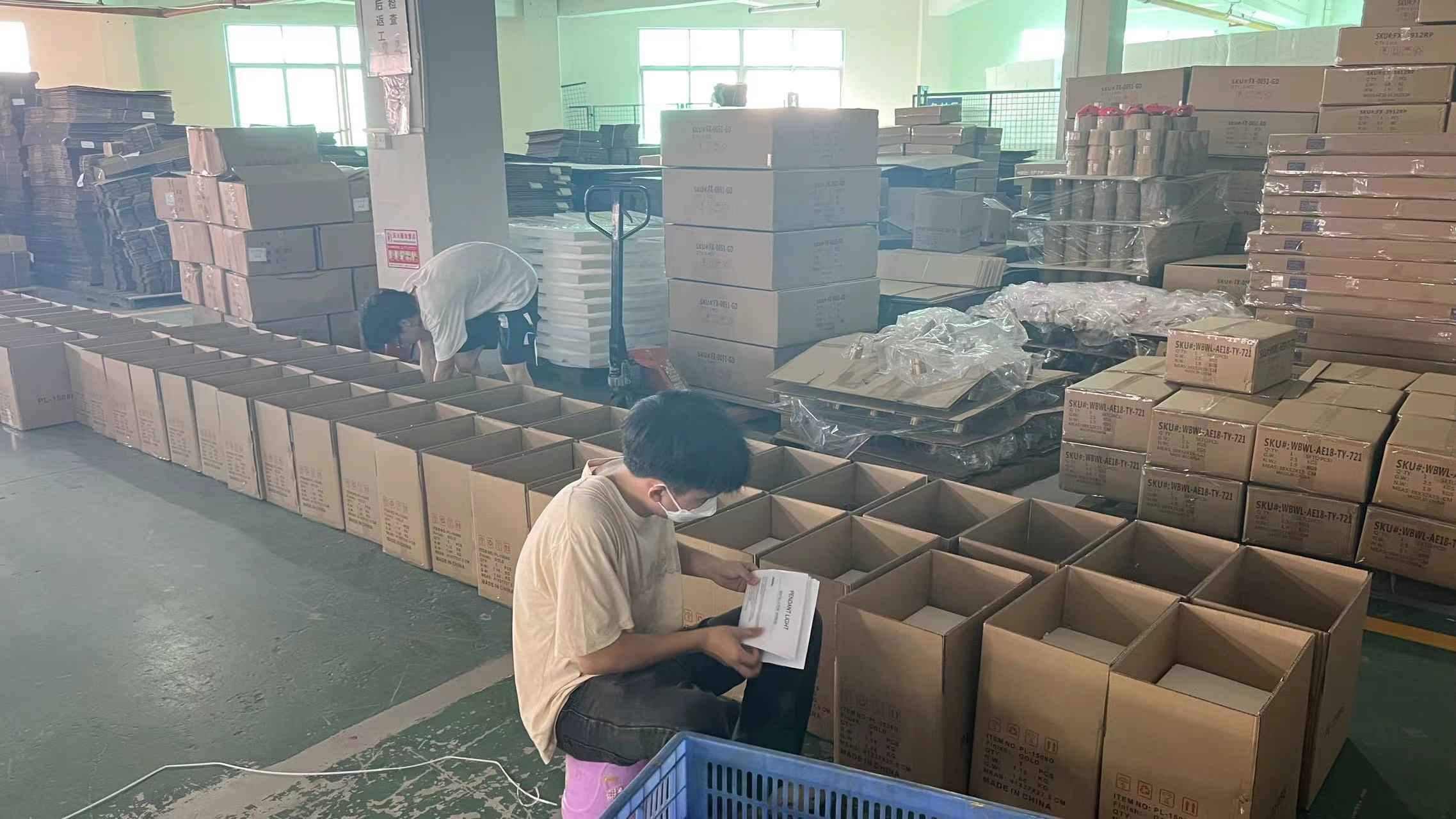
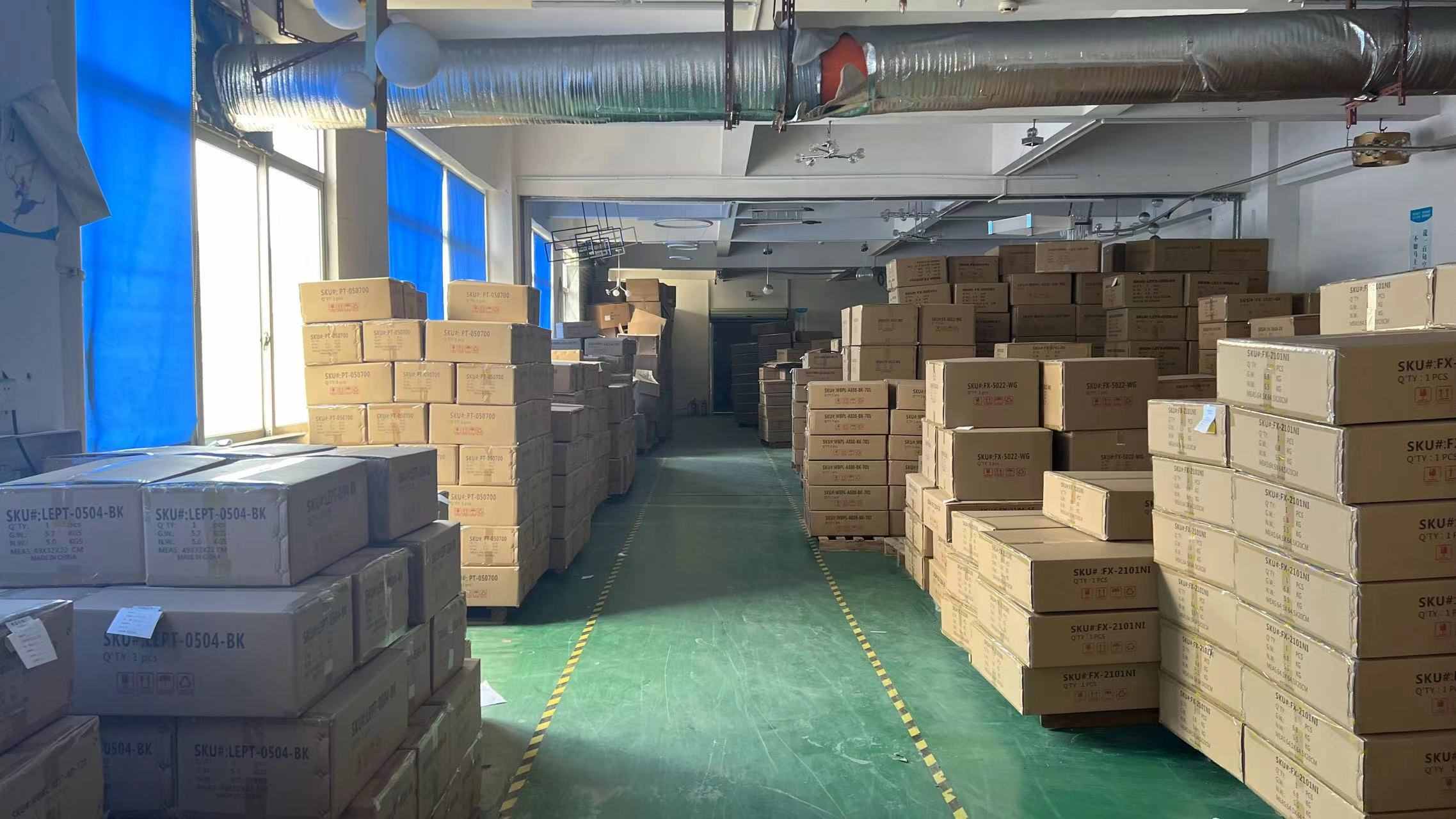
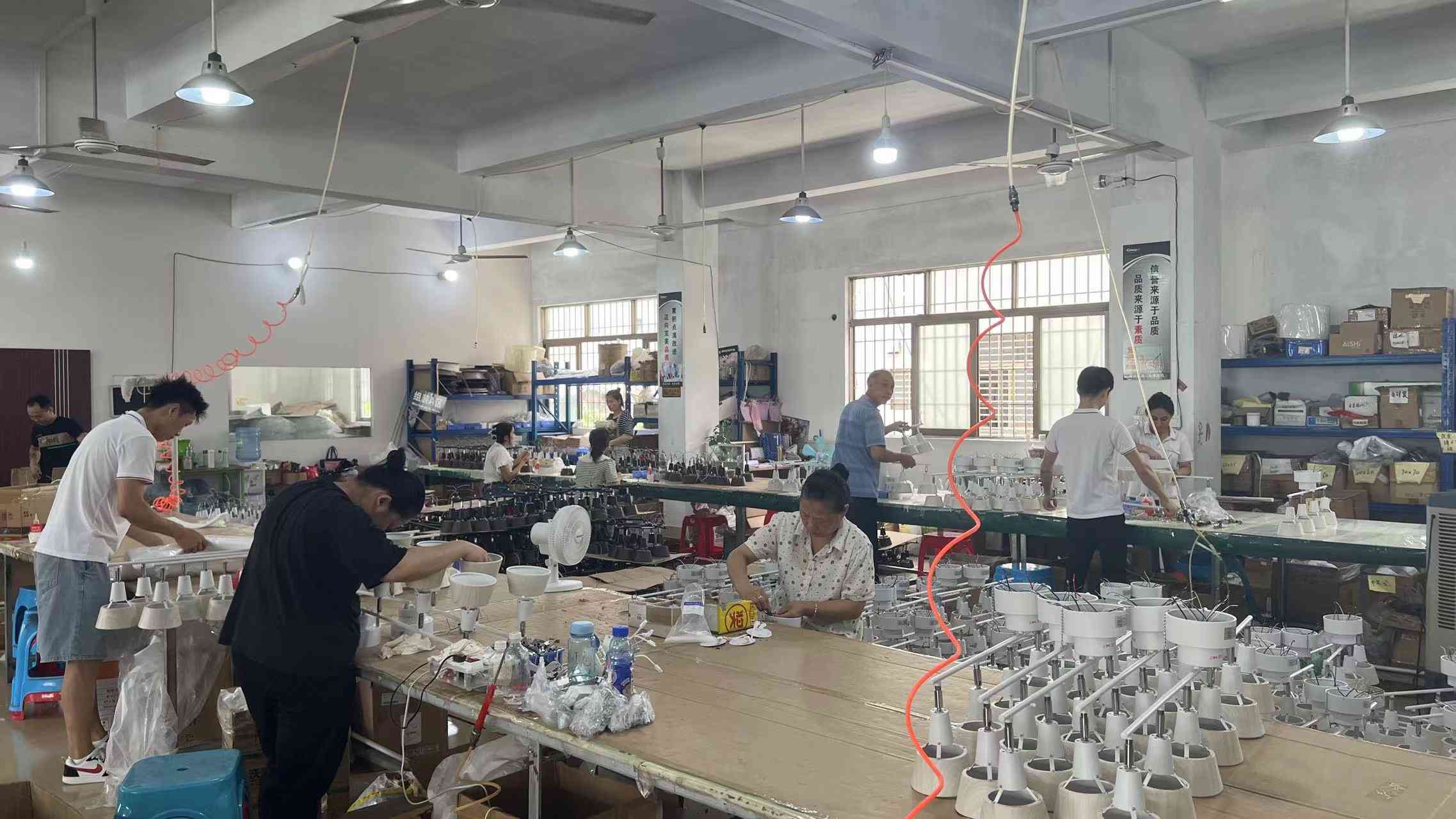
Visualizing the production processes behind our certified high-performance luminaires.
Answering key engineering, installation, and procurement questions about commercial step lamps.
From magnetic track lights to heavy-duty industrial fixtures, explore our full manufacturing range.