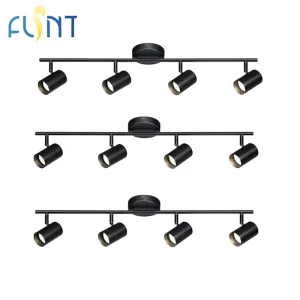
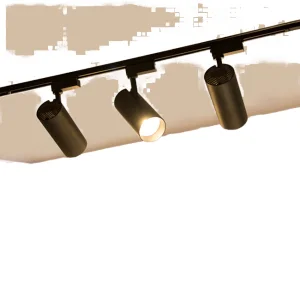
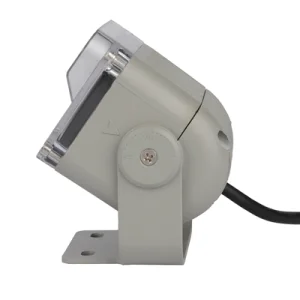
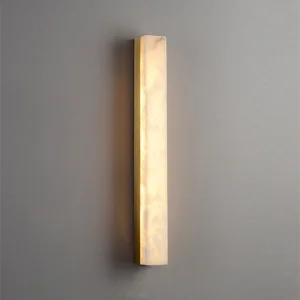
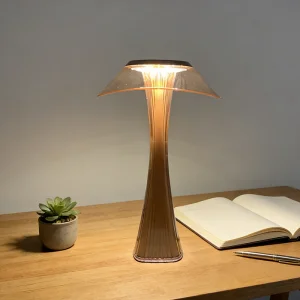
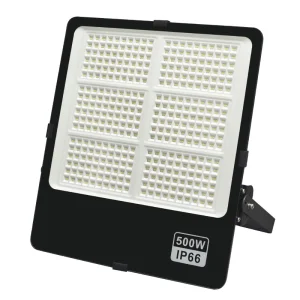
Explore our premium product line manufactured with precision optical controls and industrial grade reliability.
Why modern architectural environments demand advanced optical structures and vetted engineering partners.
In contemporary architectural design, the role of a wall spotlight has transcended simple illumination. Today's global procurement officers, lighting designers, and EPC (Engineering, Procurement, and Construction) contractors analyze spotlights through the lens of optical efficiency, UGR (Unified Glare Rating), spectral rendering capability (CRI/Rf/Rg), and thermal management longevity. Securing high-performing wall spotlights requires selecting an OEM/ODM partner with structured manufacturing capacities and agile R&D loops.
The global wall spotlight market is experiencing a profound transition driven by the integration of IoT, human-centric lighting (HCL), and carbon neutrality mandates. As buildings move towards dynamic, automated environments, the specifications for lighting hardware are more rigid than ever. From glare control to color consistency (MacAdam Ellipse tolerances of SDCM < 3), top-tier manufacturers must demonstrate not only assembly capacity but deep laboratory verification of design safety and efficiency standards.
A deep dive into CLC Lighting's historical evolution, engineering capacity, and industrial scale.
Founded in the global manufacturing hub of Guangdong, Dongguan CLC Lighting Co., Ltd. stands as a professional lighting manufacturer dedicated to providing premium lighting products and comprehensive, engineered solutions to a worldwide customer base. Since launching in the lighting sector in 2002, CLC has transformed itself from a traditional bulb manufacturer into a powerhouse of advanced solid-state LED systems.
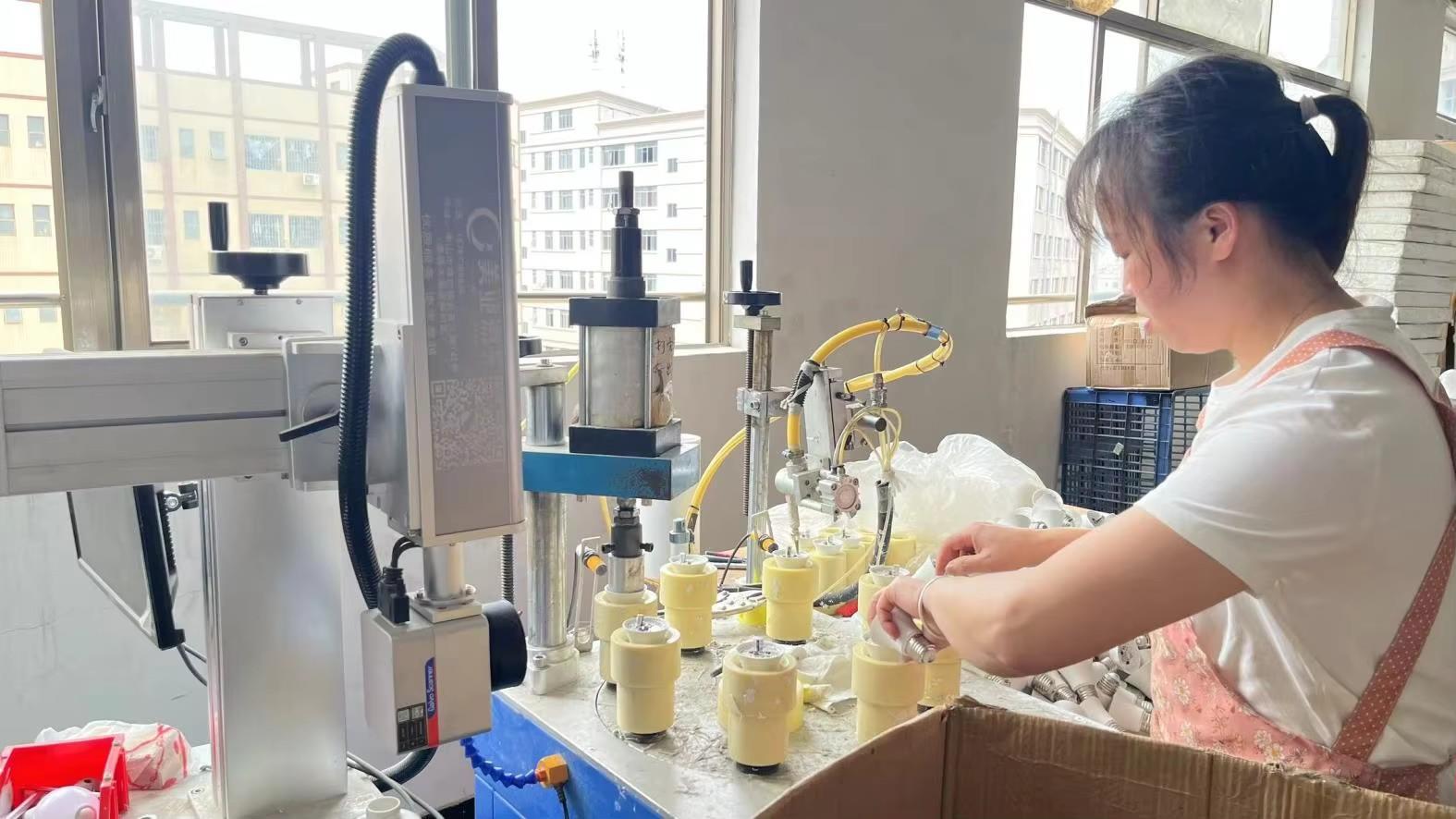
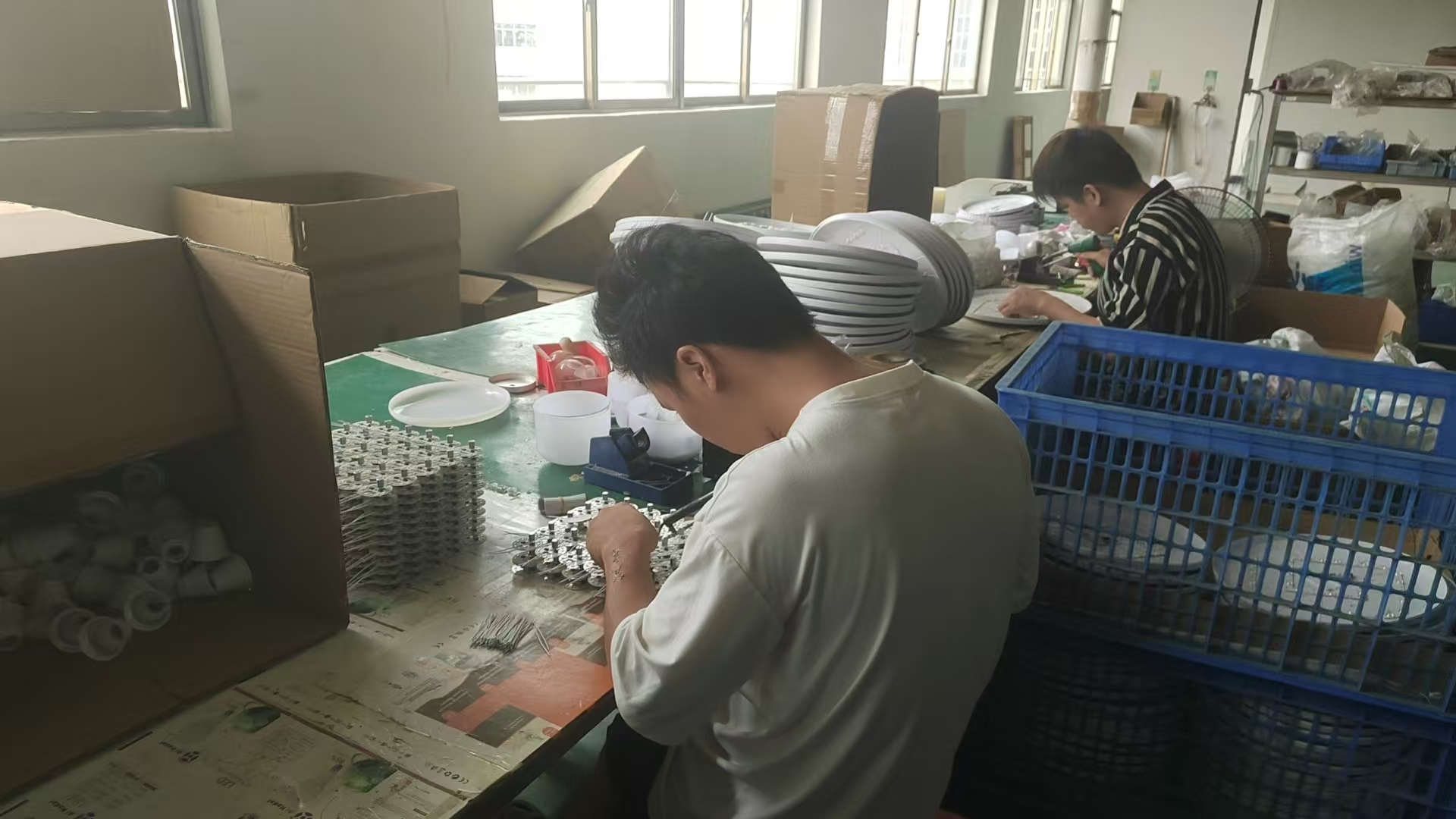
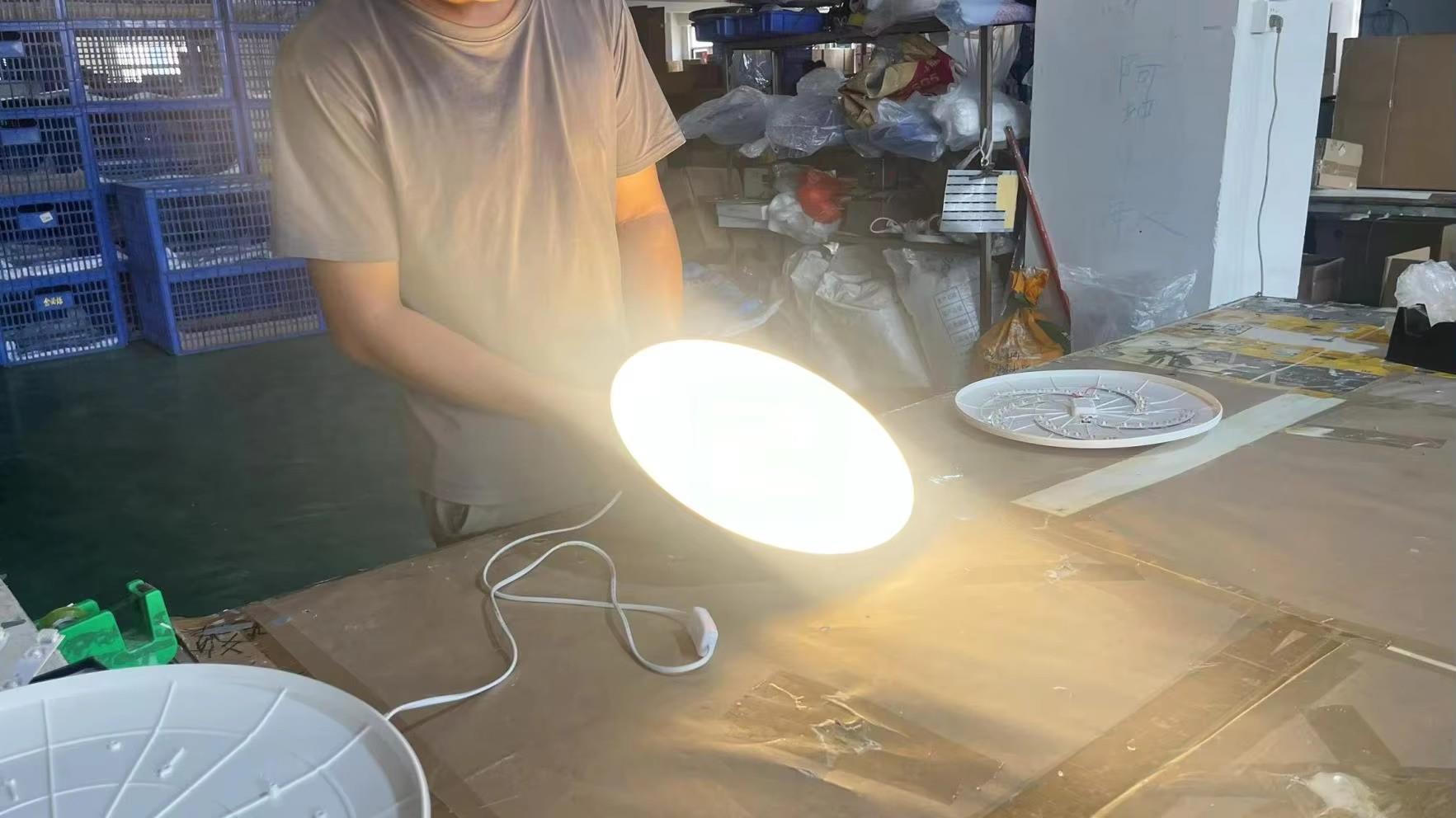
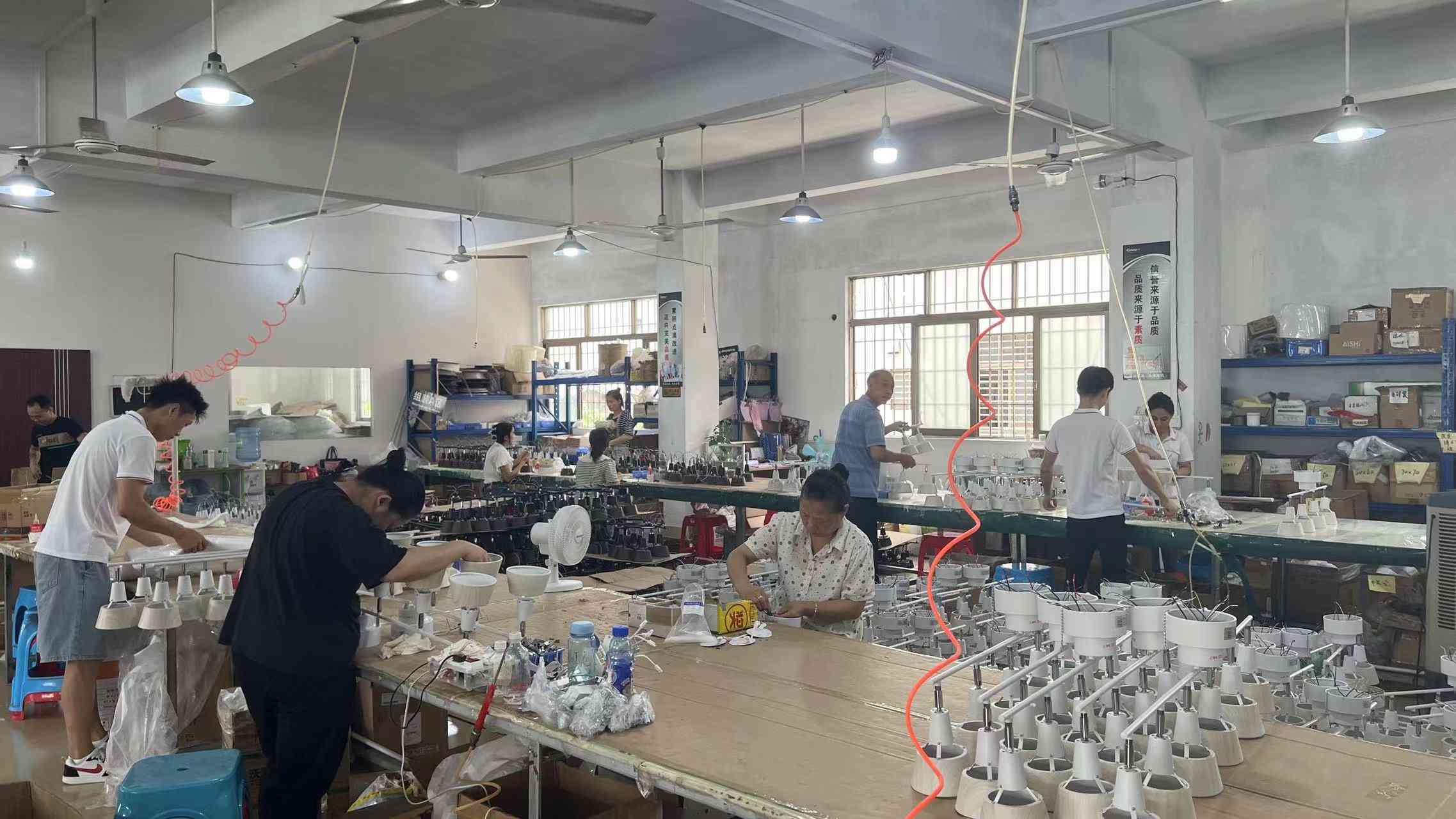
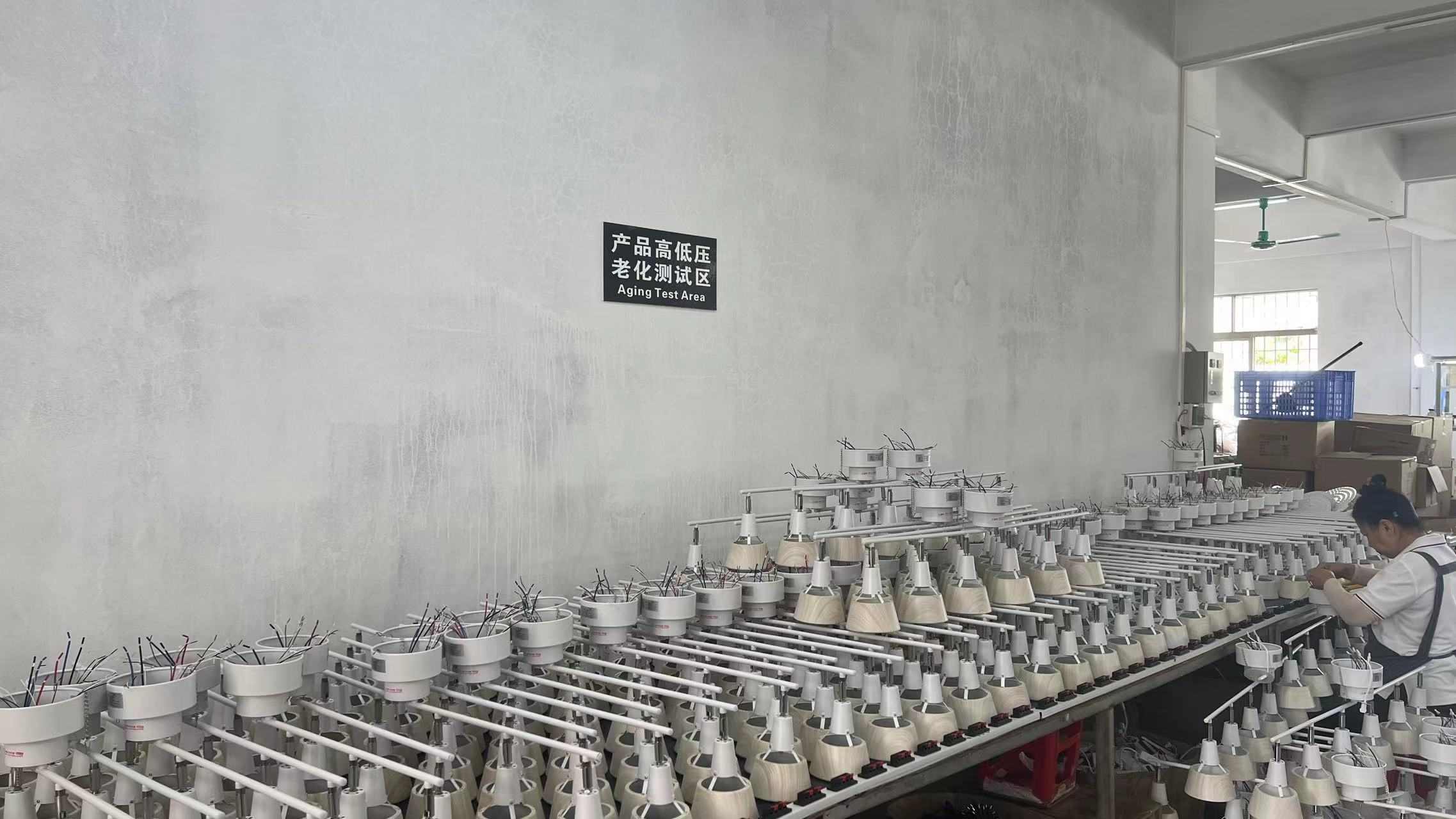
CLC Lighting is built on a foundation of automated precision. Equipped with advanced SMT systems, automatic wave soldering machinery, integrating spheres, and goniophotometric darkrooms, every product is engineered to absolute safety and performance specifications. By maintaining direct control over raw material selection, driver engineering, and structural heatsink design, CLC ensures high thermal conductivity pathways, preserving the L70 lifetime of LED chips far beyond industry baselines.
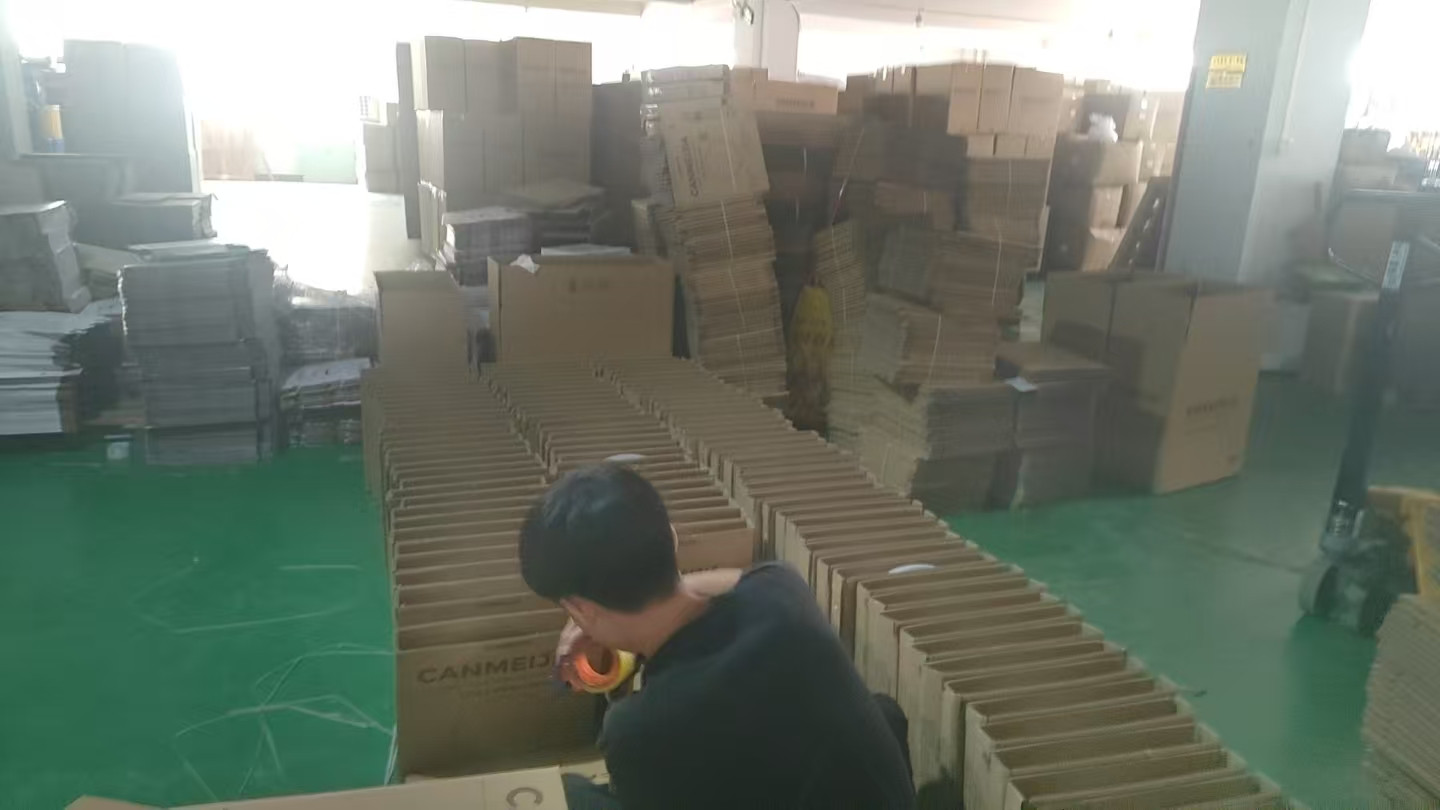
Verifiably documented production phases showing high-degree automation and extensive verification steps.
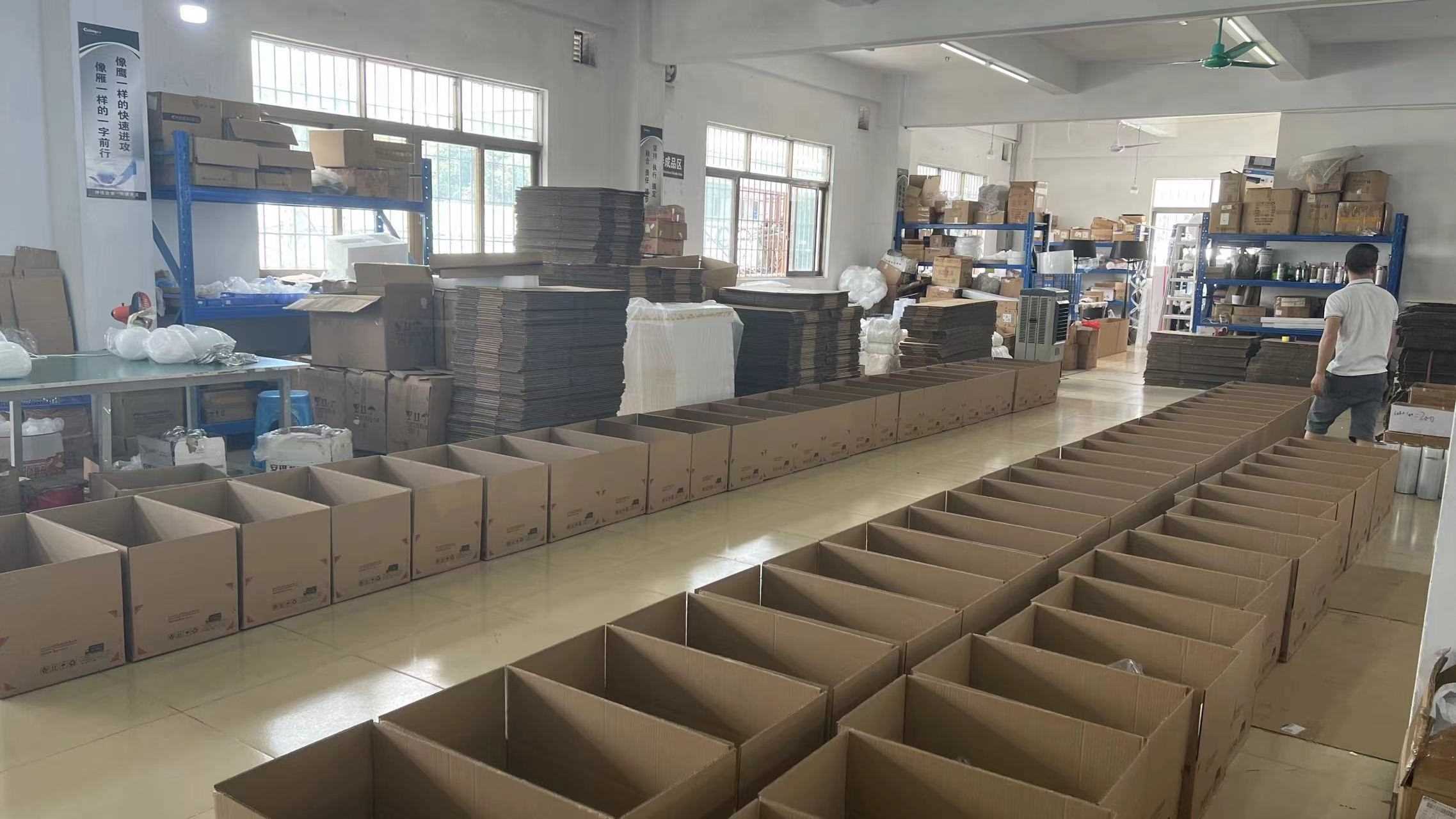
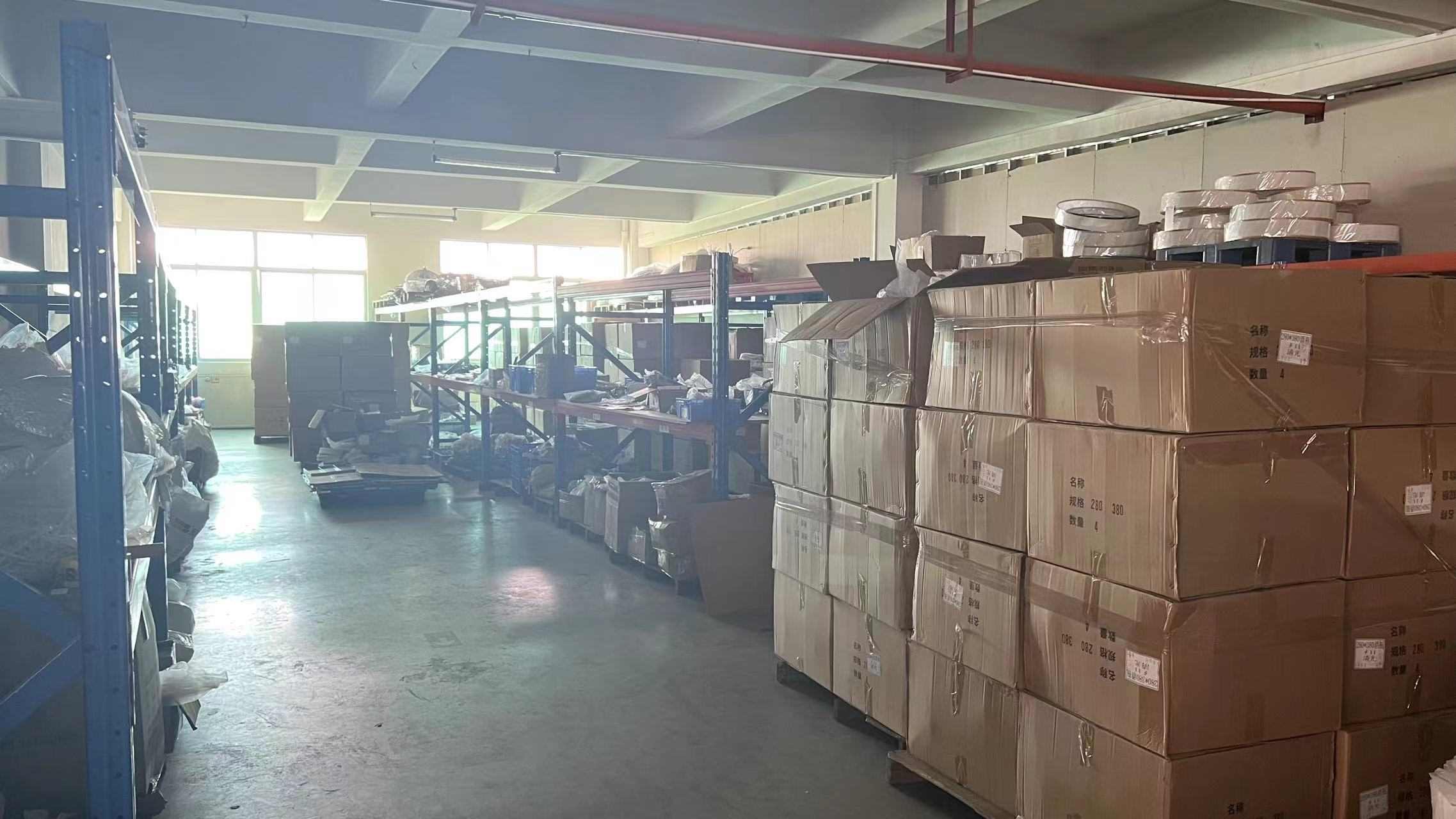


A comparison guide for specifiers looking to evaluate top-tier spotlight manufacturing locations.
When sourcing commercial wall spotlights, developers must balance material costs, regulatory compliances, and shipping lead times. China, especially the Pearl River Delta (Dongguan/Guzhen), offers a massive concentration of structural components, drivers, and LED chip packagers. This industrial clustering allows factories like CLC Lighting to quickly build custom fixtures, complete prototyping loops within days, and scale production rapidly.
| Evaluation Parameter | Tier 1 Factory (e.g., CLC Lighting) | Mid-Tier Assembly Shops | Sourcing Strategy Tip |
|---|---|---|---|
| LED Driver Architecture | Isolated, flicker-free drivers (Meanwell, Lifud, custom Class P) | Non-isolated, high ripple current drivers | Ensure flicker factor < 8% for office/commercial environments. |
| Thermal Design | AL6063 extruded/die-cast aluminum heatsink, low thermal resistance | Thin stamped metal or plastic-clad aluminum | Ensure junction temperature is maintained under 85°C. |
| Optical System | High transmittance PMMA/glass lenses with multiple beam options | Standard acrylic lenses with structural aberrations | For high ceiling spaces, request narrow beam distributions (15°). |
| Regulatory Certifications | ETL, cETL, CE, ERP, RoHS, DOE, CEC | CE only (often self-declared) | Crucial for local building inspections and insurance underwriting. |
How top-tier wall spotlights perform across diverse real-world installations.
Architectural designers select spotlights based on the specific physics of light interacting with surface materials. Different spaces require highly specialized configurations:
The transition toward intelligent, spectral-tunable, and ultra-high-efficiency solid-state lighting.
The future of wall spotlight manufacturing is shaped by smart controls and sustainable components. We are moving beyond simple on/off circuits. The integration of DALI-2, Casambi, and ZigBee wireless protocols directly into LED drivers allows facilities to manage and group light outputs, saving up to 60% more energy.
Additionally, the industry is shifting toward Tunable White and Spectral Dimming. By mixing warm and cool LED dies under a single COB (Chip-on-Board) package, developers can simulate natural daylight patterns indoors, aligning with human circadian rhythms. Furthermore, improvements in driver circuits are reducing Total Harmonic Distortion (THD) below 10%, ensuring stable operation alongside sensitive building electronics.
Navigating global tariff policies, shipping logistics, and mandatory electrical safety standards.
Importing electrical equipment requires strict adherence to regional safety standards. A major risk for importers is choosing a manufacturer that cuts corners on certification. Dongguan CLC Lighting mitigates this by maintaining a comprehensive set of global certifications:
Our products comply with international safety and energy efficiency standards and have obtained multiple certifications, including CE, ETL, cETL, ERP, RoHS, DOE, CEC, and other market-specific approvals. This ensures quick customs clearance and compliance with building codes in North America and Europe.
Additionally, supply chain resilience relies on strong material sourcing. Located in Dongguan, CLC maintains close, long-term partnerships with leading LED packagers, custom optics suppliers, and shipping networks. This proximity ensures reliable production schedules even during volatile peak seasons.
Answers to common questions from lighting engineers, project managers, and sourcing professionals.
From modern vanity illumination to extreme waterproof outdoor components.