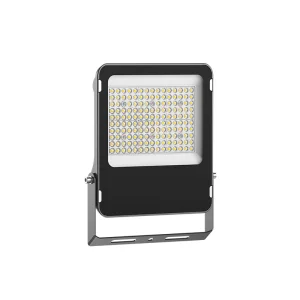
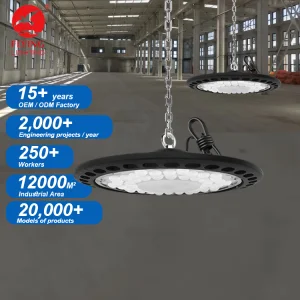
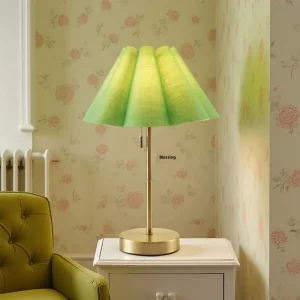
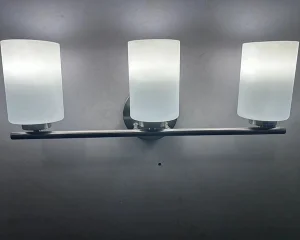
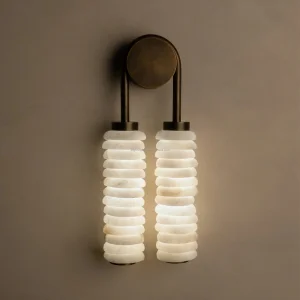
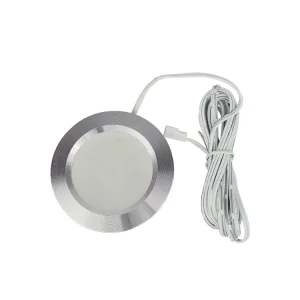
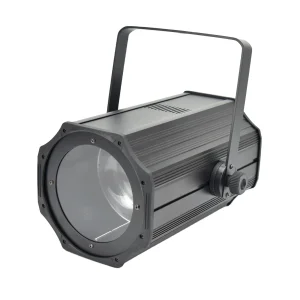
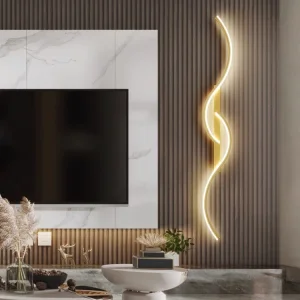
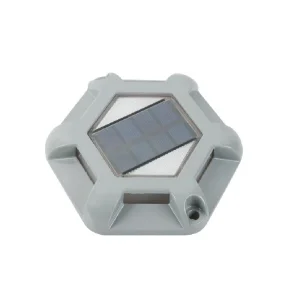
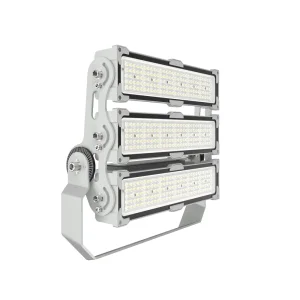
Explore our state-of-the-art production portfolio, engineered to provide high luminous efficiency, optimized thermal performance, and compliance with global safety standards.

The global agricultural sector is undergoing a profound paradigm shift. As arable land diminishes, urbanization accelerates, and climate patterns become increasingly volatile, controlled environment agriculture (CEA) has transformed from a niche experimental model to a critical pillar of global food security and industrial cultivation. At the heart of this revolution are horticultural grow lamps. Historically reliant on High-Pressure Sodium (HPS) and Metal Halide (MH) installations, the industrial sector has aggressively transitioned to light-emitting diode (LED) configurations.
This transition is primarily driven by the need for superior energy efficiency, customizable spectral control, and longevity. Today, commercial grow lamps are not merely simple illumination fixtures; they are highly specialized, digitally controlled tools engineered to maximize Photosynthetic Photon Flux Density (PPFD), manipulate photomorphogenesis, and decrease operational expenses (OPEX). According to modern agricultural market research, the global LED grow light market is projected to reach several billion USD by the late 2020s, showing a double-digit compound annual growth rate (CAGR).
From vertical farms in Singapore and warehouse-scale leafy green facilities in North America to mega-greenhouses in the Netherlands, the demand for highly reliable, certified grow lamps has skyrocketed. Sourcing from verified manufacturers who possess vertically integrated R&D pipelines and strict quality management capabilities has become a strategic priority for large-scale agricultural enterprises, commercial design-build contractors, and horticultural distributors.
Understanding the technical trends shaping the grow lamp industry is critical for professional procurement. Modern horticultural science evaluates grow lights not by lumens (which measure human visual perception) but by Photosynthetically Active Radiation (PAR), measured in the 400 to 700 nanometer spectrum, and more recently, extended PAR (ePAR) up to 750nm which includes the critical Far-Red bands.
Modern growers no longer rely on static pink "blurple" light configurations. The current standard is full-spectrum white light enriched with specific wavelengths. Deep Red (660nm) stimulates photosynthesis and flowering, Far-Red (730nm) influences shade avoidance and accelerates crop cycles, and UV wavelengths are added to enhance secondary metabolites, increasing potency, flavor, and plant defense mechanisms.
System efficacy is measured in micromoles per joule (μmol/J). Leading manufacturers are designing fixtures that surpass 2.8 to 3.2 μmol/J. By leveraging premium chips (such as Samsung LM301H and Osram Oslon) paired with high-quality constant-current drivers, these units convert maximum electrical input into usable photons, lowering HVAC cooling loads and reducing greenhouse heat buildup.
Industrial lighting solutions now feature intelligent connectivity interfaces like 0-10V analog dimming, DMX, or wireless protocols. Integrated with environmental sensors, grow lamps can automatically adjust PPFD outputs to match the Daily Light Integral (DLI) targets, compensating for natural sunlight variations in hybrid greenhouses and maximizing daily productivity.
The implementation of grow lamps varies significantly depending on geographical locations, climatic patterns, and target cultivars. A reliable manufacturing partner must provide custom-tailored solutions to match these specific variables:
In Northern Europe, Canada, and parts of the USA, natural sunlight during winter is insufficient for year-round production of tomatoes, cucumbers, and peppers. Hybrid greenhouse operations utilize top-lighting configurations, often combining high-output LED fixtures with existing HPS structures to provide supplemental heat while significantly raising PPFD levels. Heavy ingress protection (IP66/IP67) is required due to high humidity and sprinkler exposure.
In highly urbanized regions like Japan, Singapore, and major metropolitan centers, space constraint dictates vertical growth systems. Grow lamps for these setups must be thin, low-profile linear bars that emit minimal heat, preventing leaf burn on lower shelves. The spectrum is typically optimized for leafy greens, microgreens, and propagation, emphasizing high blue ratios to encourage compact vegetative growth.
For global buyers seeking a top trusted manufacturing partner, Dongguan CLC Lighting Co., Ltd. stands out as a leading, professional lighting manufacturer. We are dedicated to providing high-quality lighting products and comprehensive lighting solutions to customers worldwide. Since entering the lighting industry in 2002, we have continuously expanded our product portfolio and strengthened our manufacturing capabilities through innovation, advanced technology, and strict quality management.
Starting as a manufacturer specializing in traditional incandescent bulbs, halogen lamps, and CFL energy-saving lamps, CLC Lighting has successfully transformed into a modern lighting enterprise with a strong focus on LED lighting. Today, we offer a wide range of lighting products for residential, commercial, decorative, and industrial applications, serving customers across Europe, North America, South America, the Middle East, Southeast Asia, and other global markets.
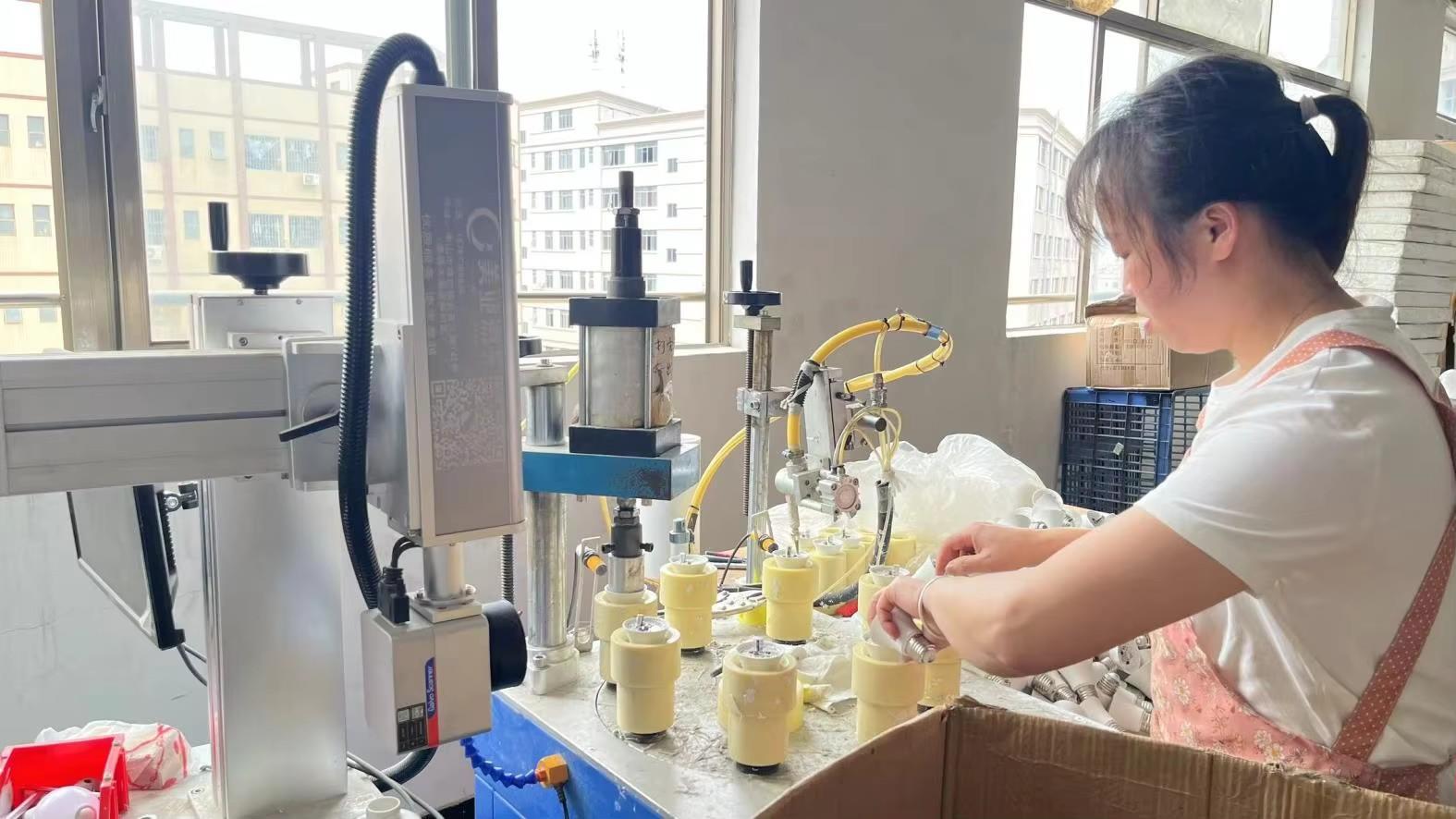
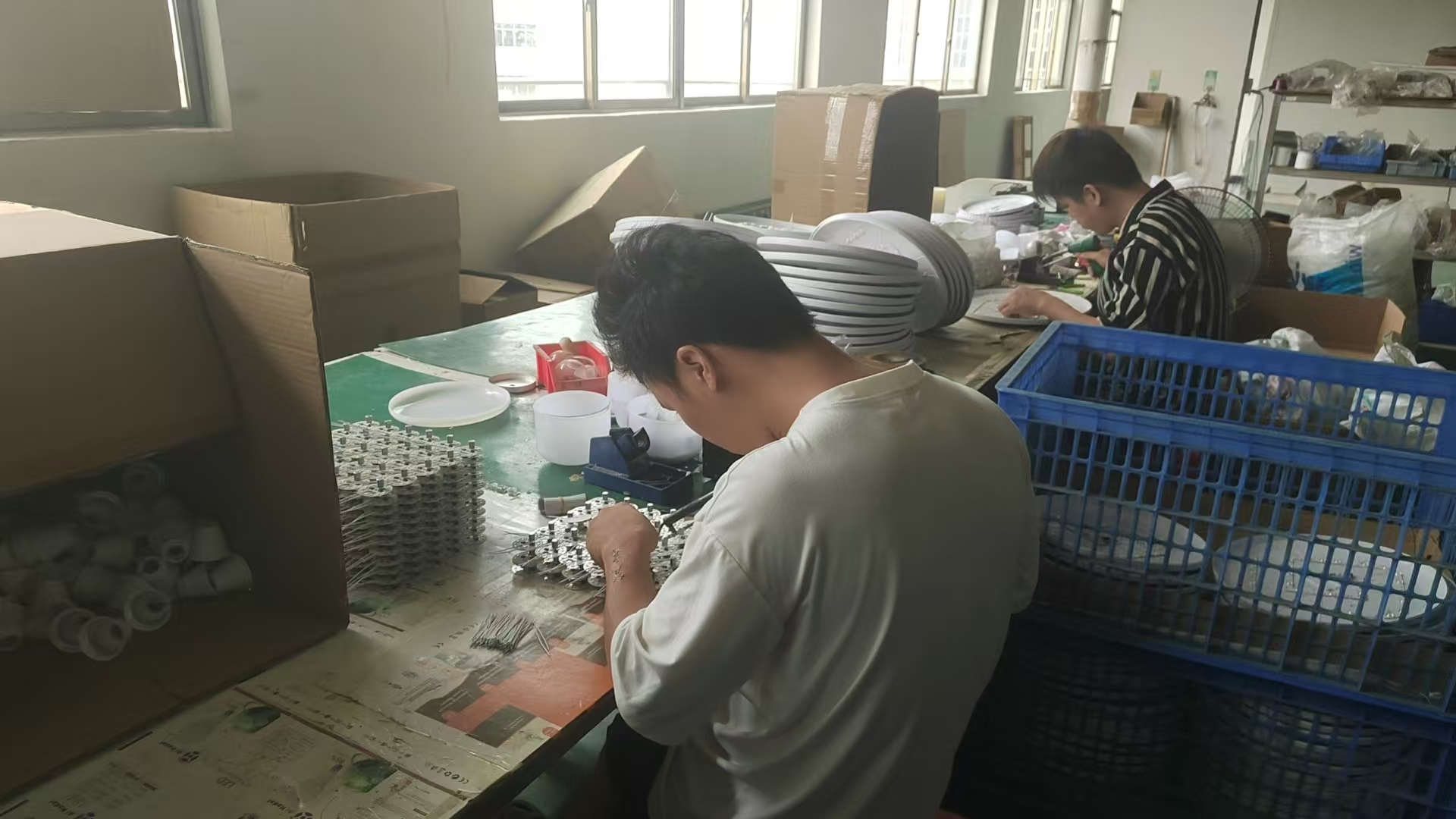
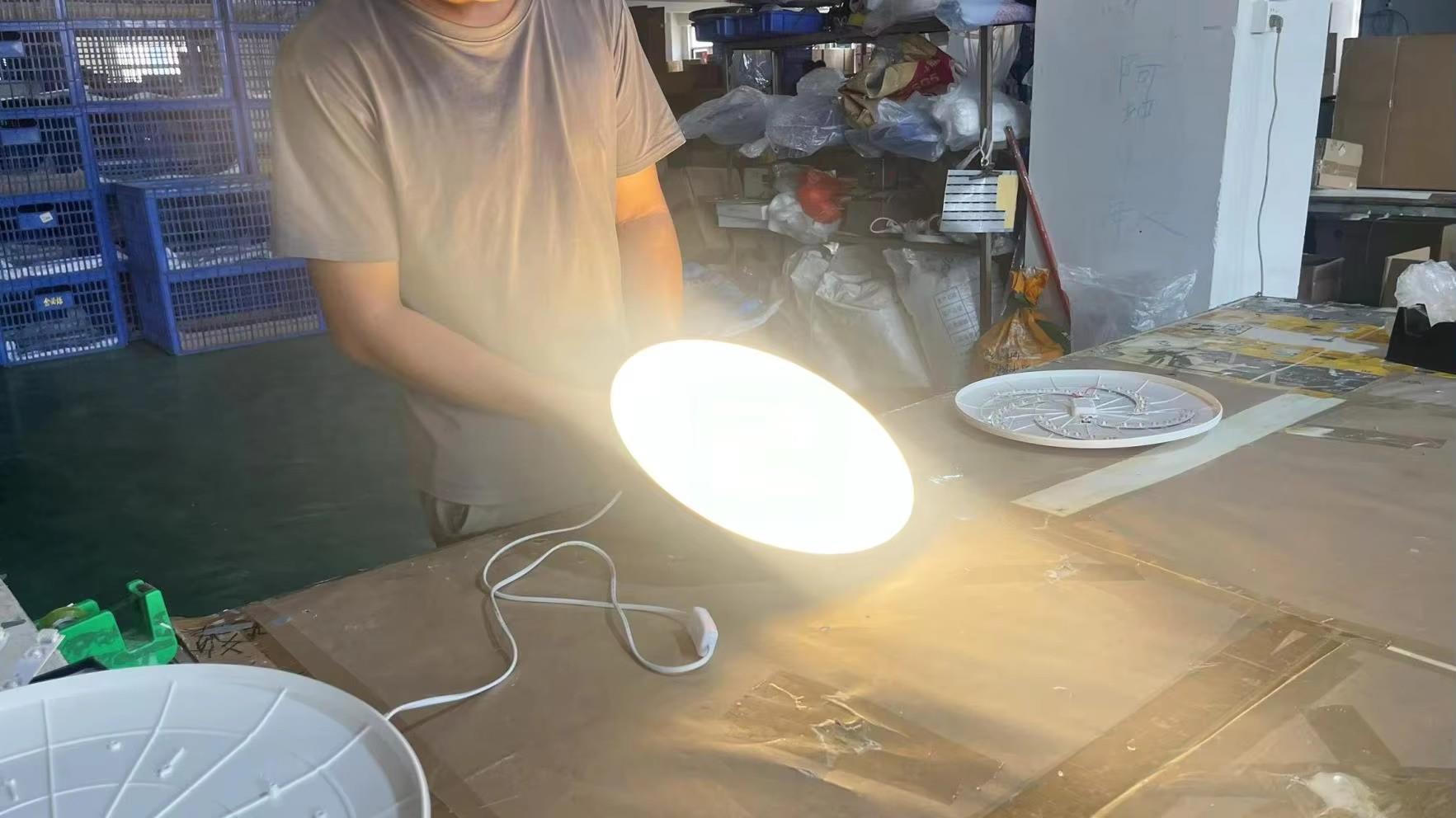
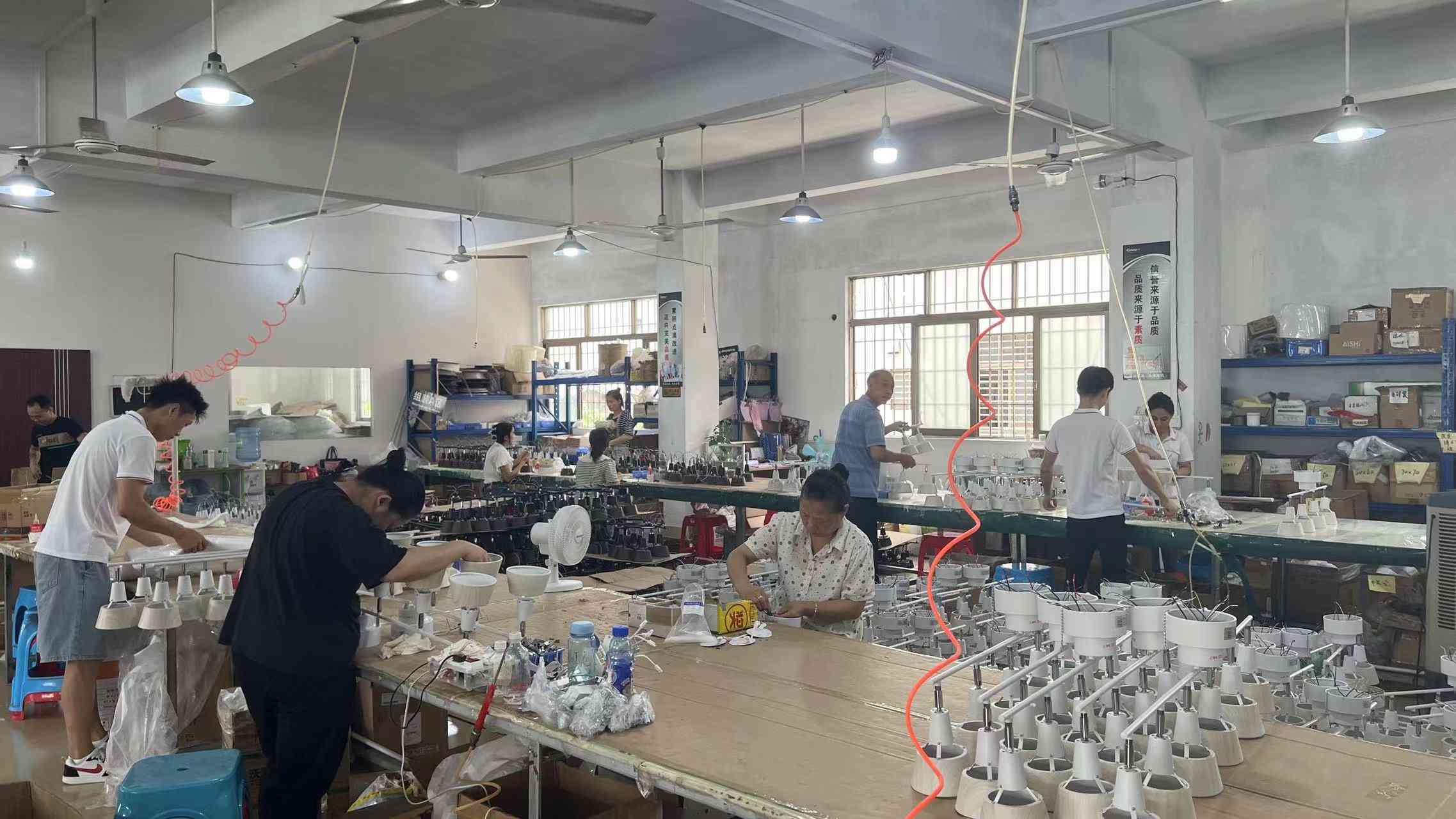
CLC Lighting is equipped with advanced automated production equipment, professional testing facilities, and an experienced team of engineers, technicians, and quality management personnel. From raw material sourcing to final product inspection, every production process is strictly controlled to ensure consistent quality, stable performance, and on-time delivery.
Quality is always our top priority. Our products comply with international safety and energy efficiency standards and have obtained multiple certifications, including CE, ETL, cETL, ERP, RoHS, DOE, CEC, and other market-specific approvals, enabling us to meet the rigorous regulatory requirements of customers from different countries and regions.
In addition to manufacturing, CLC Lighting provides flexible OEM and ODM services. We work closely with trading companies, lighting brands, wholesalers, distributors, retailers, and project contractors, helping customers develop customized products that match their market demands. Our professional R&D team continuously develops innovative products while supporting customers with product design, packaging customization, and technical consultation.
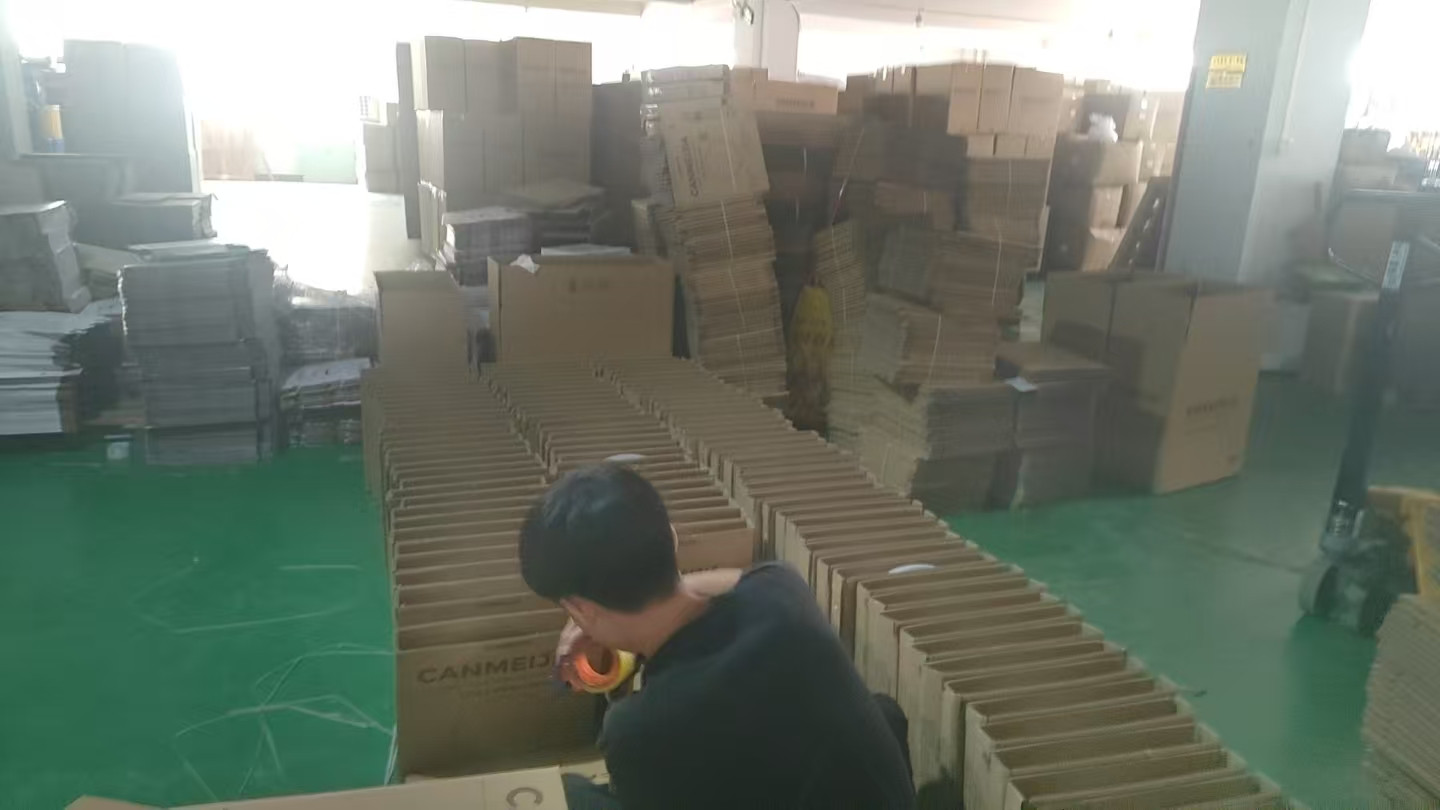
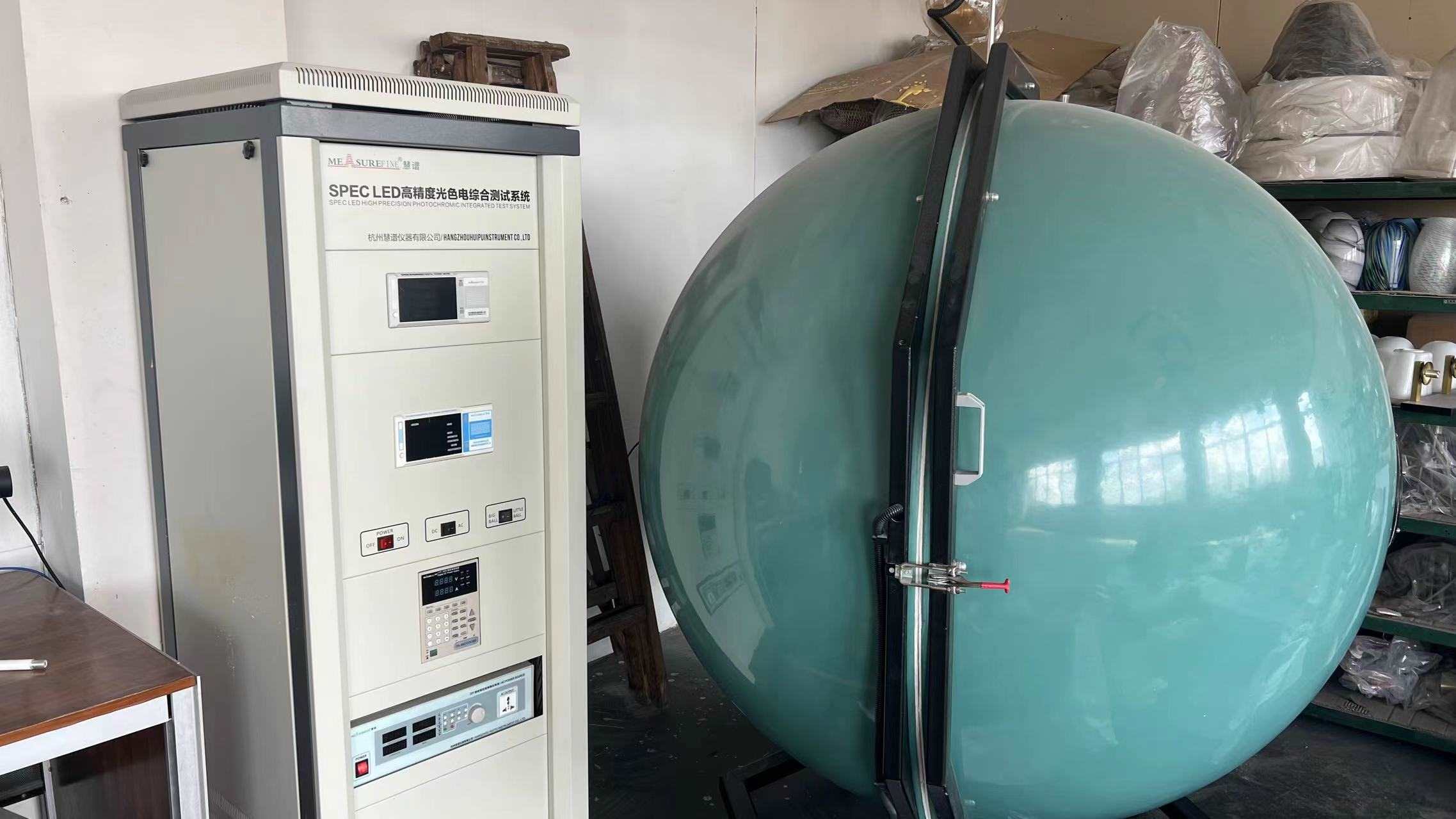
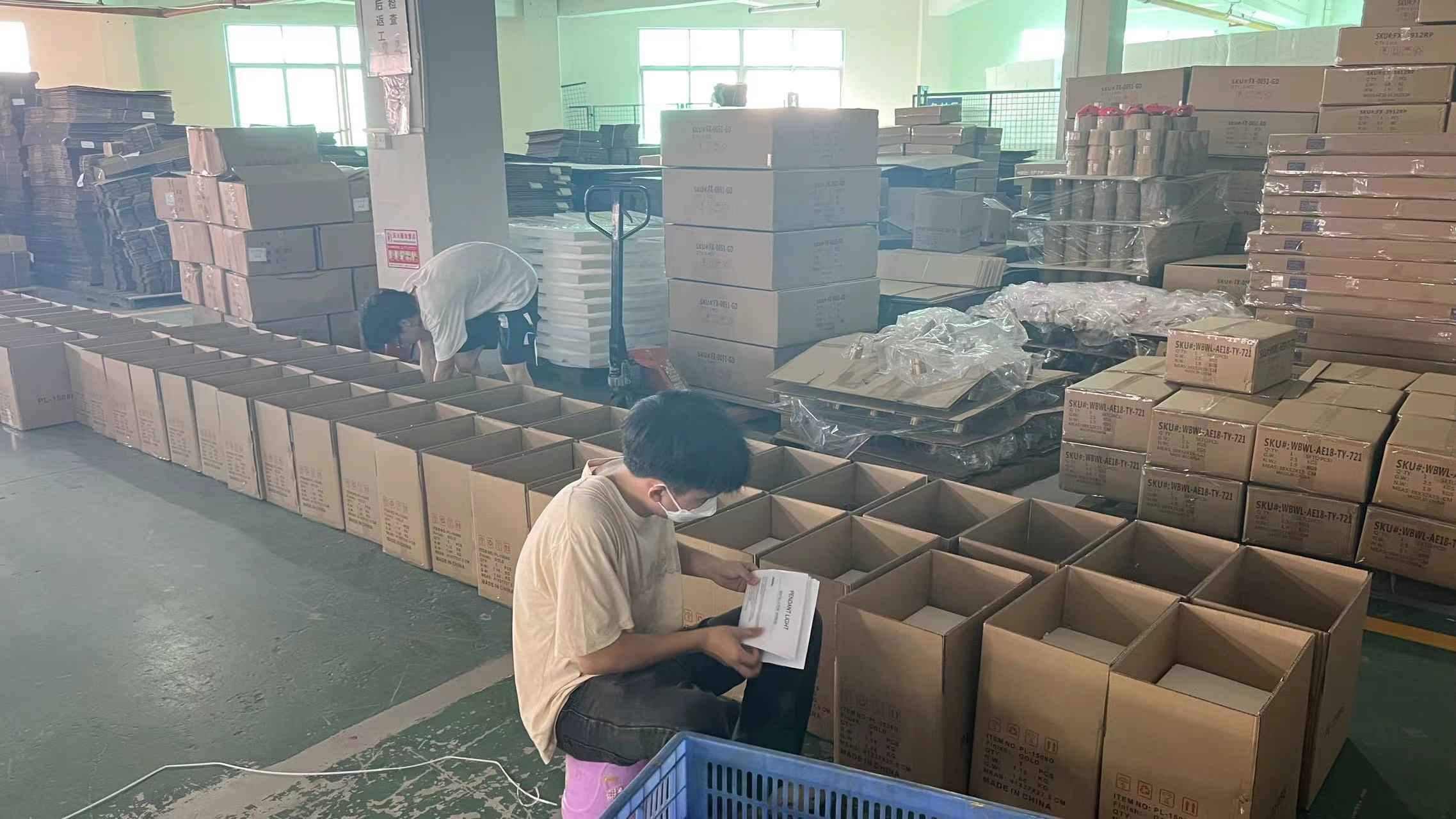
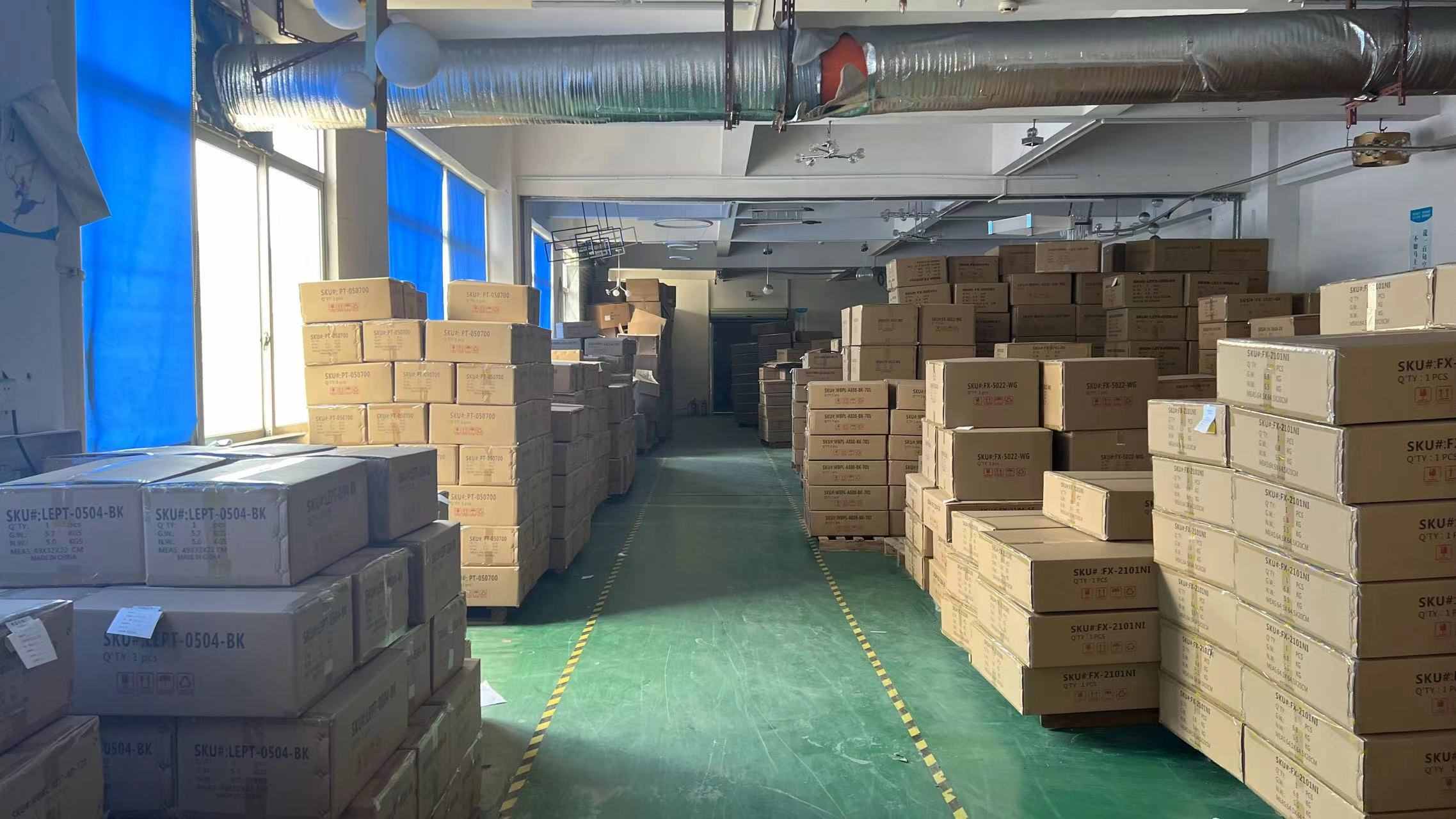
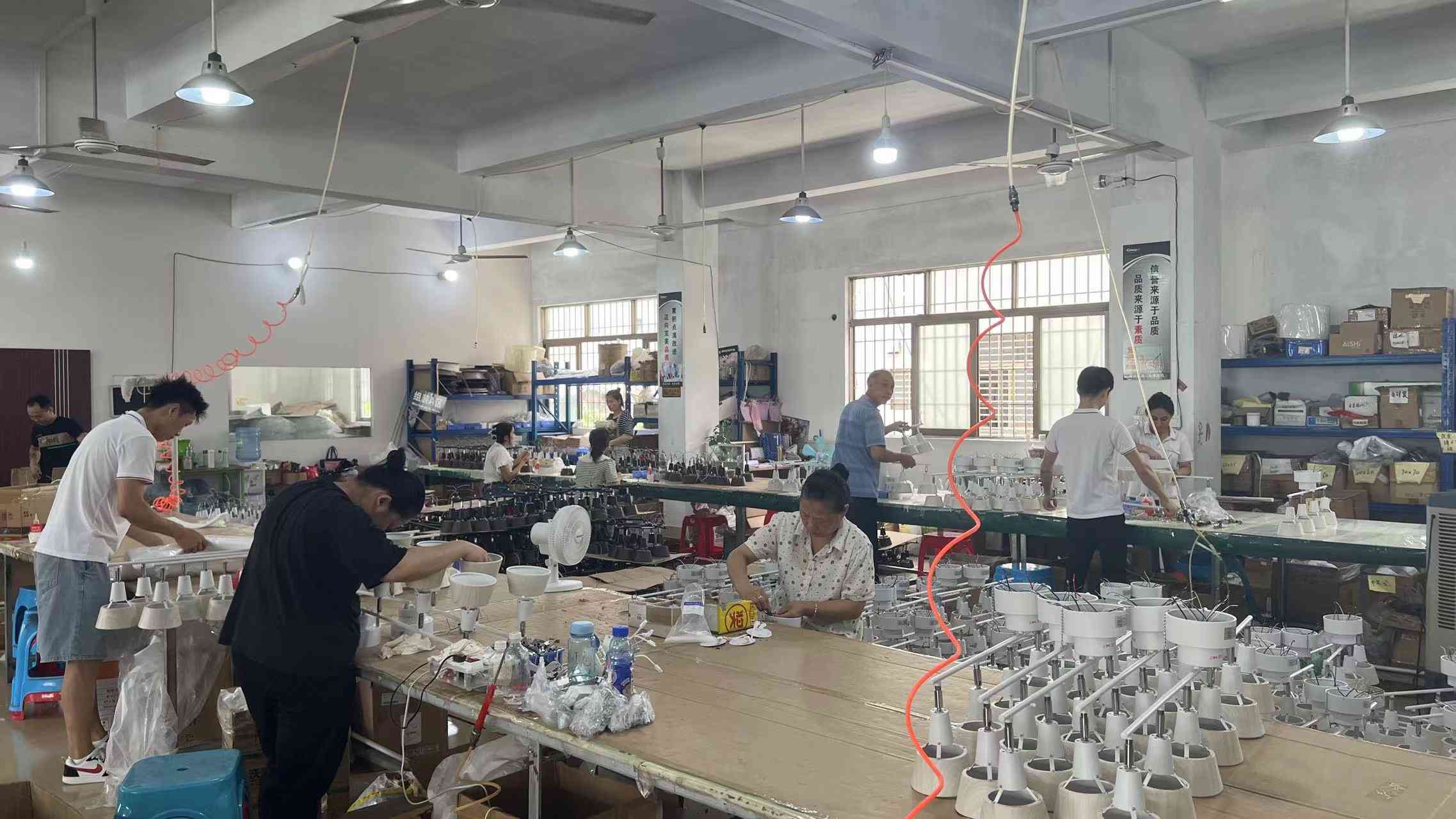
Below are real-world captures of the manufacturing, testing, and distribution facilities at Dongguan CLC Lighting Co., Ltd. These show our industrial commitment to operational safety, quality controls, and robust logistical handling:
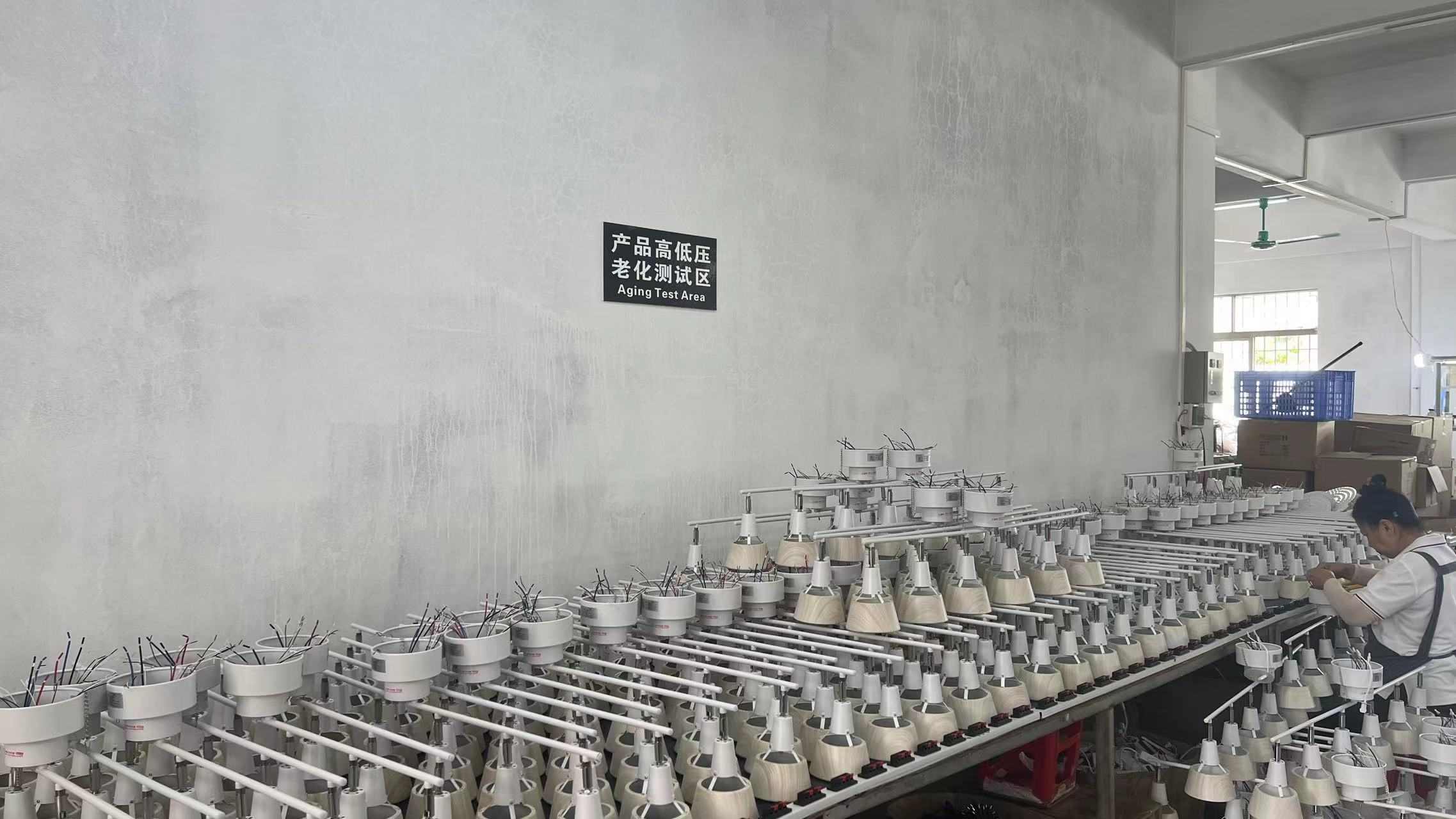
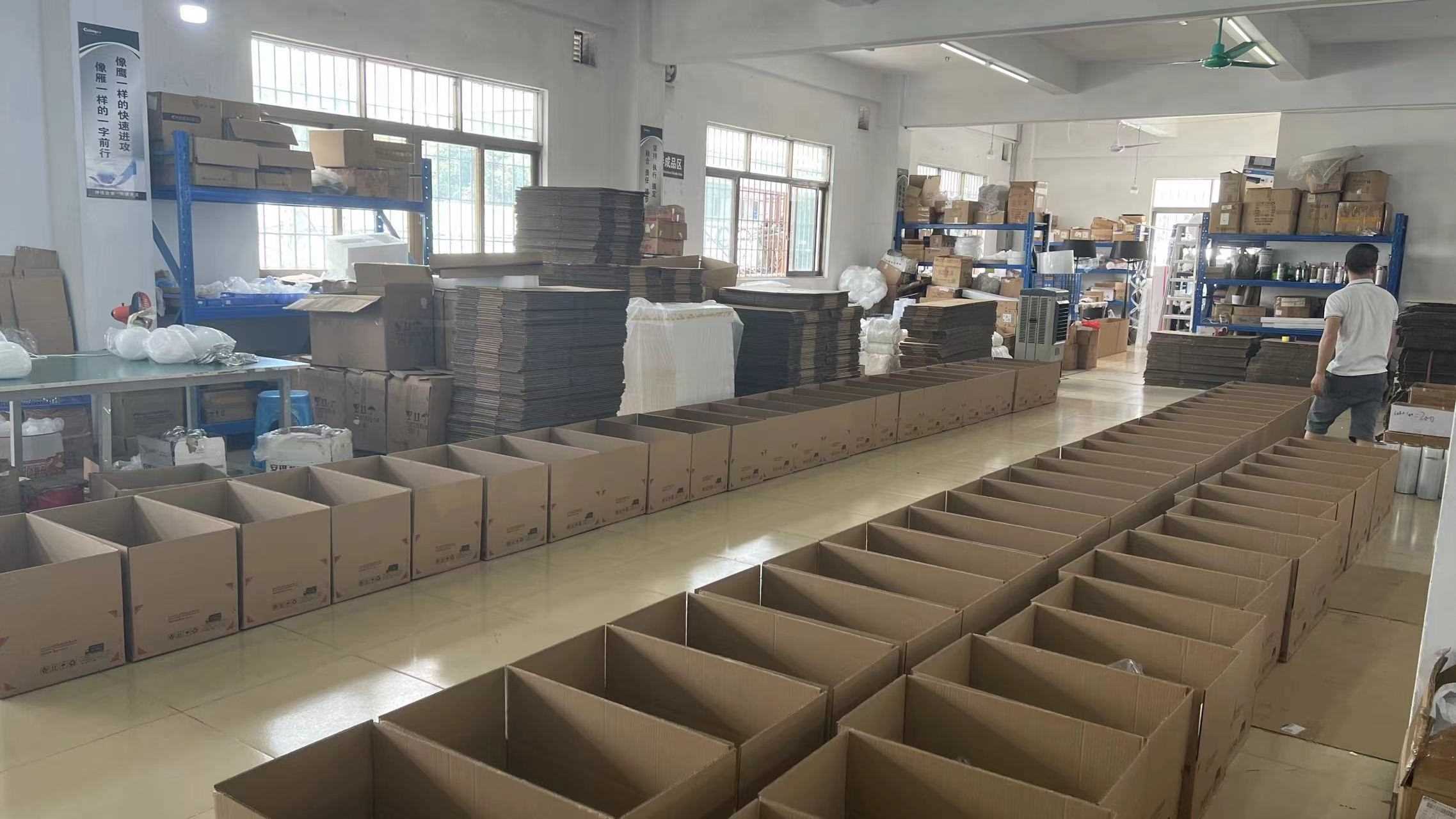
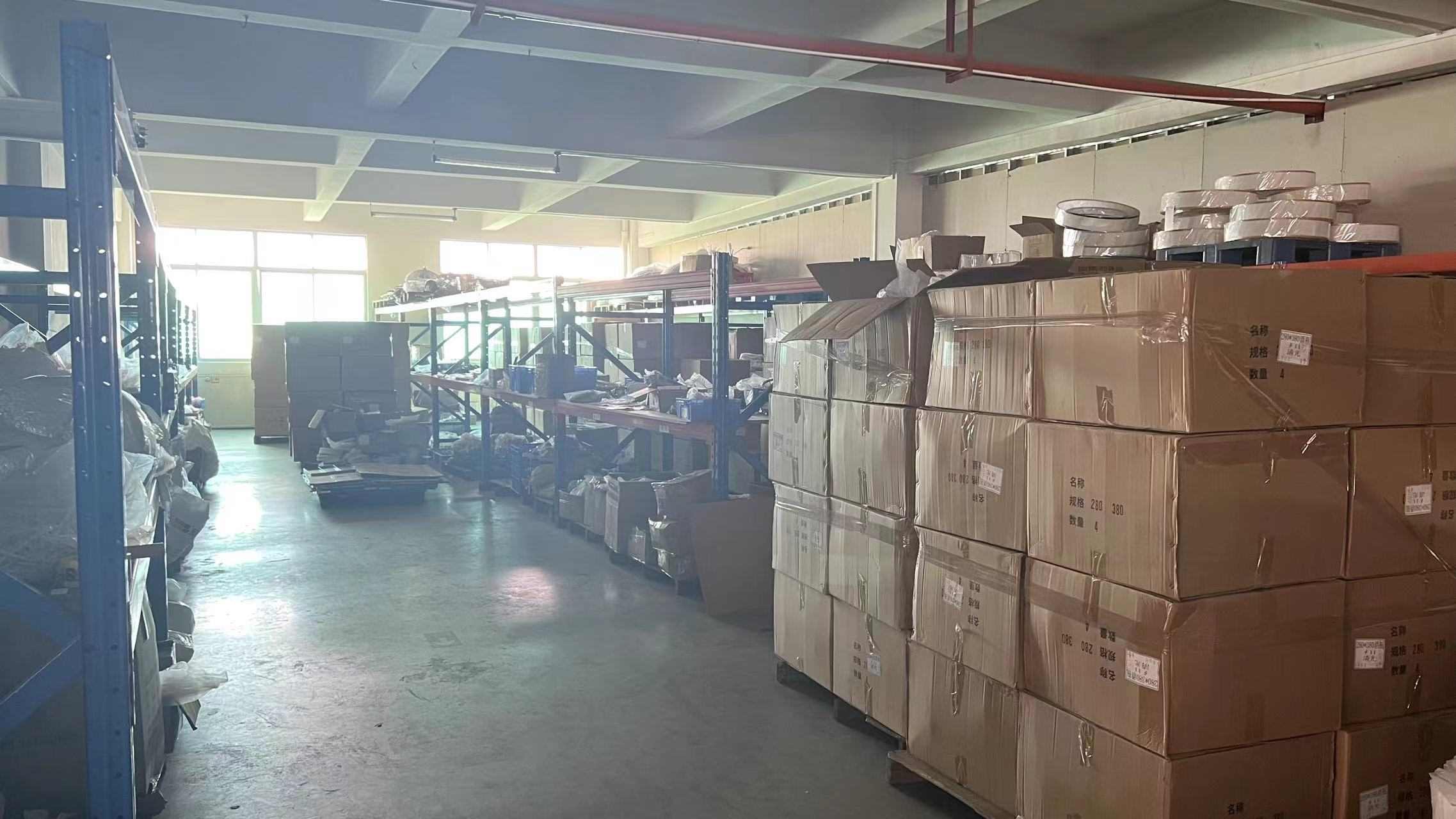
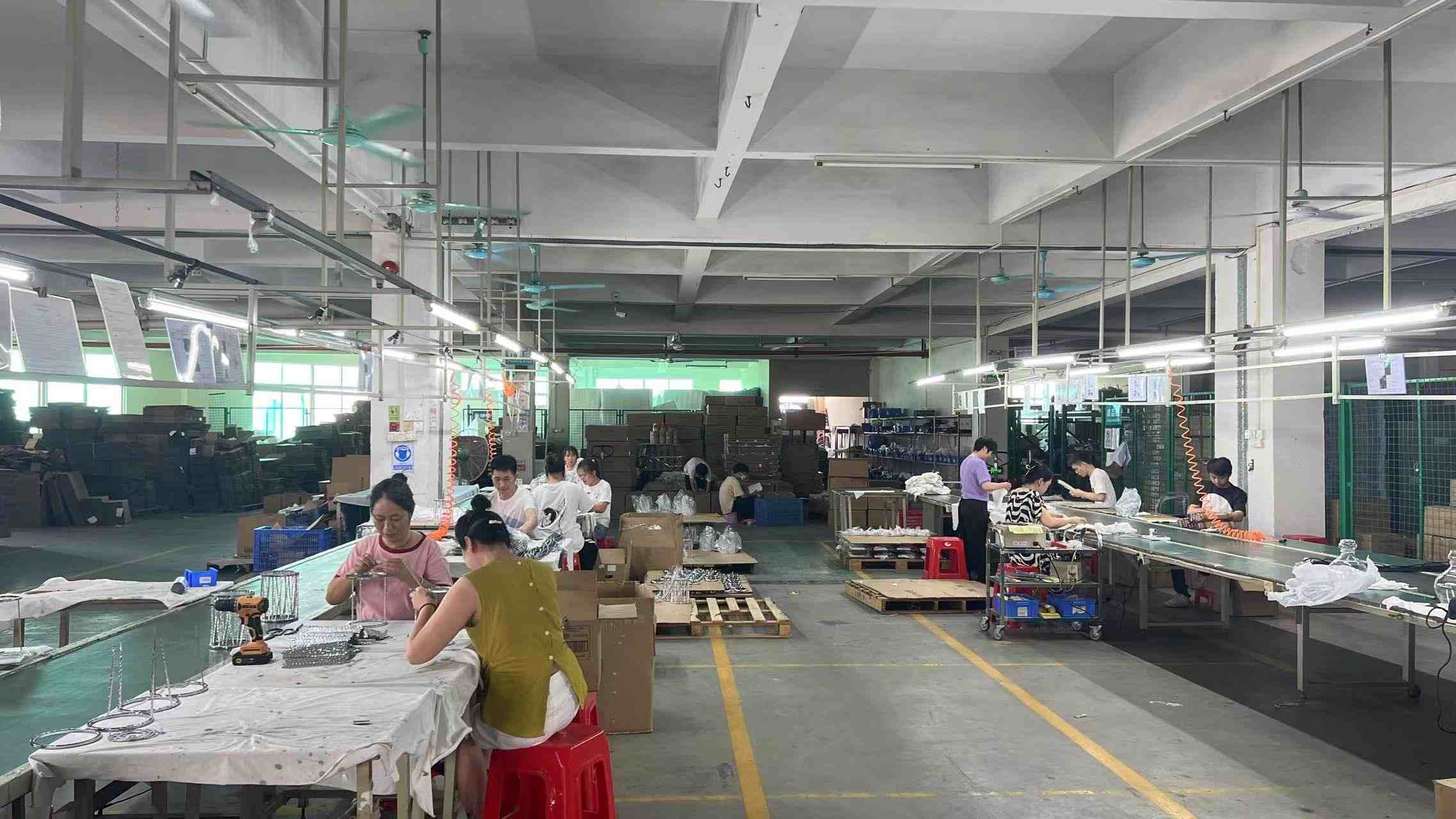
The next wave of horticultural lighting evolution is built upon multi-spectral intelligence and dynamic AI controls. As vertical farms and commercial greenhouses scale up globally, there is a clear roadmap towards complete integration with IoT-driven building management systems.
Integration of secondary chips designed specifically to modulate crop heights, trigger earlier flowering responses, and control biochemical active compound percentages. Transitioning standard commercial fixtures into custom biological tools.
Using real-time optical sensors in combination with growth camera systems to evaluate photosynthetic performance. The software automatically shifts light distribution profiles, optimizing DLI targets to minimize energy waste during peak grid tariffs.
Emerging technology is evaluating the potential of directed solid-state laser diodes to deliver concentrated light wavelengths over long distances, bypassing traditional inverse-square law light loss and lowering infrastructure overheads.
When auditing manufacturers for large-scale agricultural projects, buyers must look past simple price-per-watt metrics. To ensure high E-E-A-T and secure maximum ROI, use the following validation protocols:
Ensure the fixtures use thick aluminum profiles or active cooling channels. Excess heat damages the phosphor layer of the LEDs, shifting the light spectrum over time and reducing PPFD output.
Drivers are the most common point of failure. Top manufacturers supply drivers from certified brands (like MeanWell, Inventronics, or Sosen) with a minimum IP67 rating and built-in 6kV surge protection.
Verify the manufacturer can supply complete IES files and integration sphere reports, which confirm the exact spectral distribution and micromole outputs under stable operating temperatures.
Understanding the biological and physical aspects of horticultural light deployment is essential to choosing the right system.
From industrial warehouses to high-end hospitality installations, CLC Lighting manufactures certified, high-performance fixtures for diverse international markets.