Explore our certified collection of high-efficacy waterproof fixtures engineered for architectural elegance and heavy-duty structural integrity.

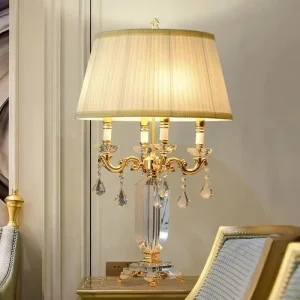
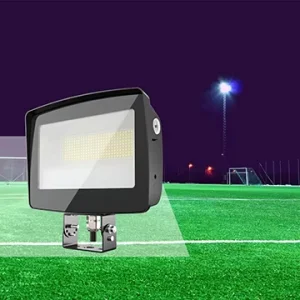
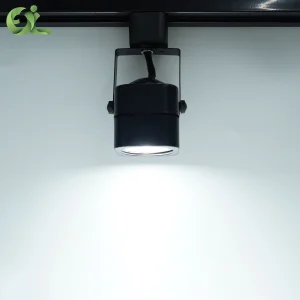
Since establishing operations in 2002, Dongguan CLC Lighting Co., Ltd. has evolved from an early-stage incandescent and halogen lamp manufacturer into a pioneering force in the global solid-state LED illumination sector. Submersible and outdoor architectural environments represent the absolute extreme of electronic operating conditions. Overcoming these challenges requires not just manufacturing expertise, but deep structural, electrical, and materials engineering knowledge.
Our commitment to rigorous design parameters and materials compliance has positioned us as a preferred OEM/ODM vendor for global B2B procurement managers. From municipal water park fountains to deep-immersion industrial observation systems, CLC Lighting designs luminaires that resist hydrostatic pressure, galvanic corrosion, and moisture ingress while maintaining high luminous efficiency throughout their operational life cycle.
Addressing the critical performance thresholds demanded by municipal developers, marine architects, and industrial engineering firms.
Submersed fixtures are exposed to aggressive organic agents and chemicals. CLC Lighting utilizes high-purity electro-polished 316L stainless steel and structural-grade aluminum alloy with multi-layer powder coatings. This prevents oxidation and micro-fissure propagation in swimming pool sanitization systems (chlorine/bromine) and natural marine environments.
Water depth relates directly to structural load. Our professional-grade underwater enclosures are tested in simulated pressure chambers replicating depths up to 20 meters (2 Bar hydrostatic pressure). Tempered, thermal-shock resistant borosilicate glass lenses ensure optical clarity is maintained without yielding to stress fractures.
Human safety is non-negotiable. Our underwater light systems operate primarily on low-voltage 12V AC/DC or 24V DC configurations, fully complying with Class III electrical insulation guidelines. Isolated internal driver circuitry protects against voltage surges, preventing ground faults and leakage currents into surrounding water.
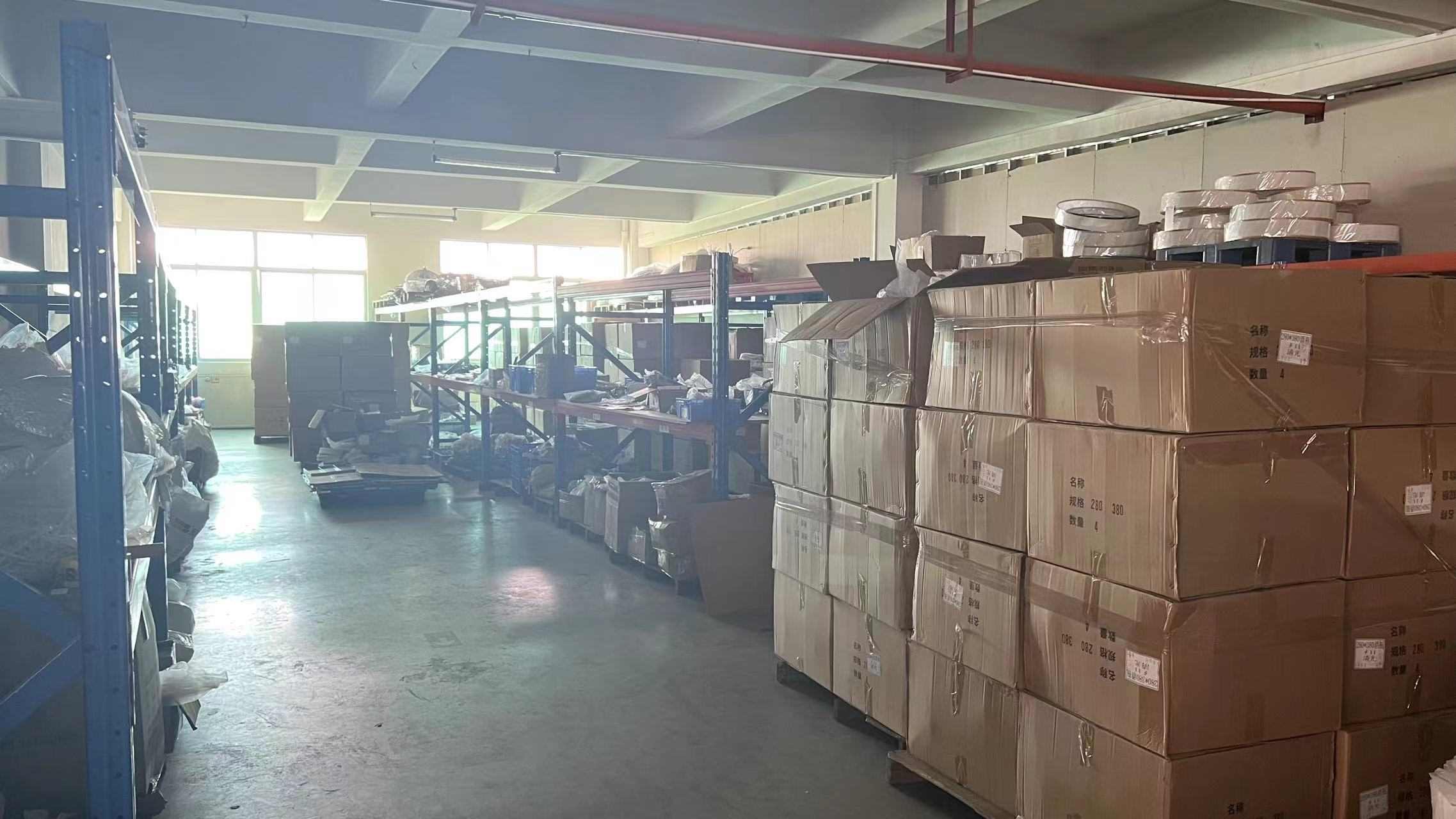
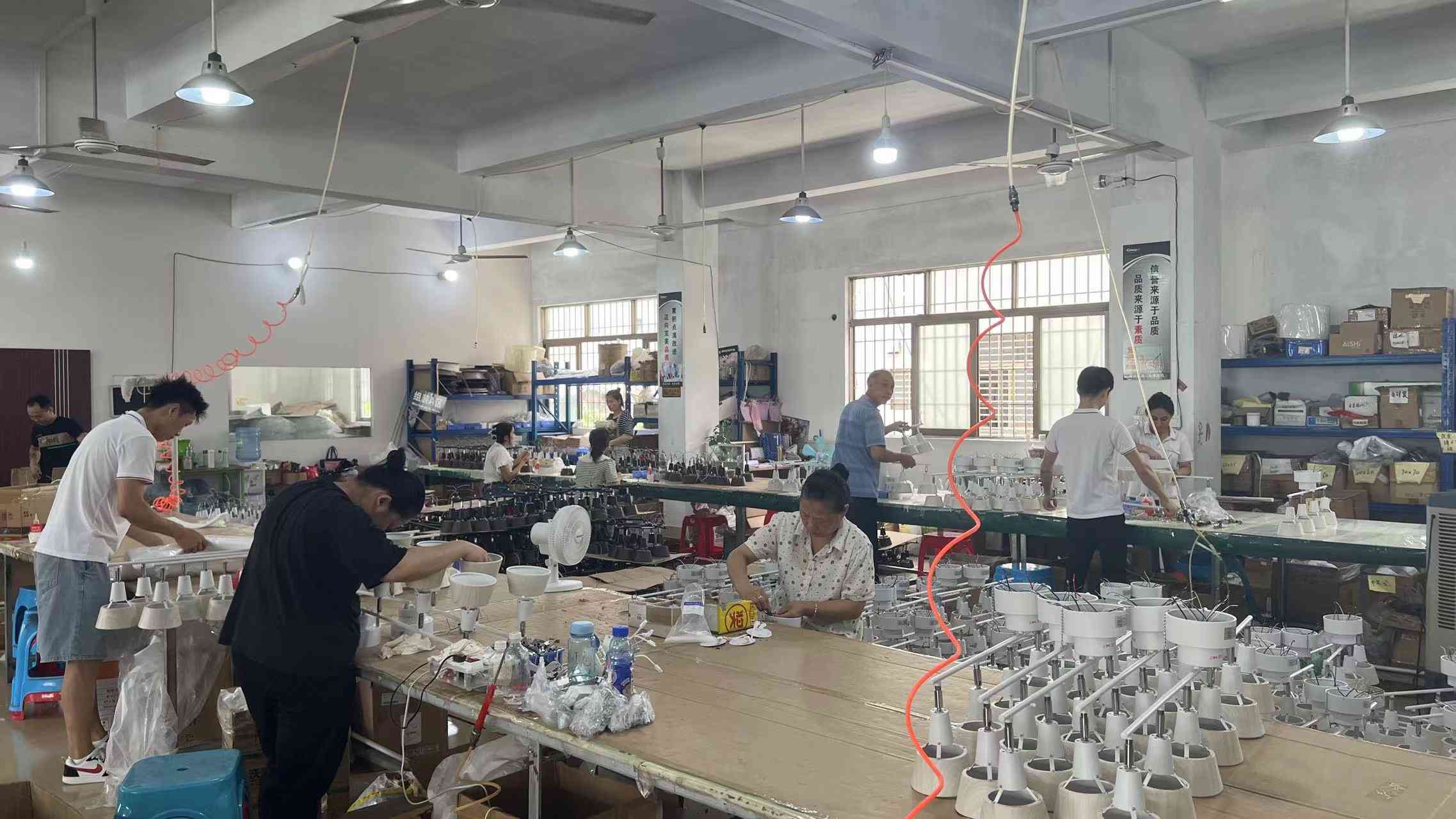
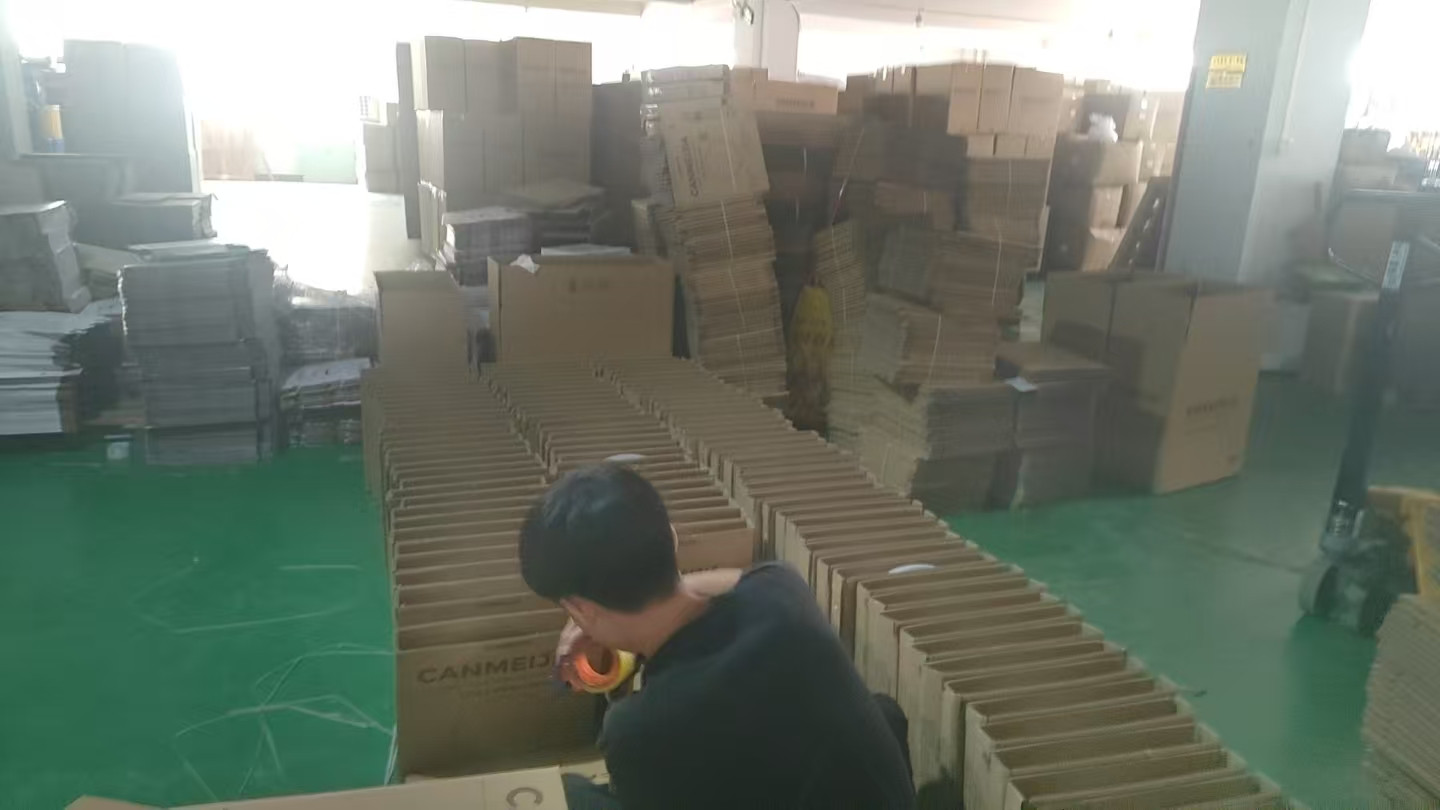
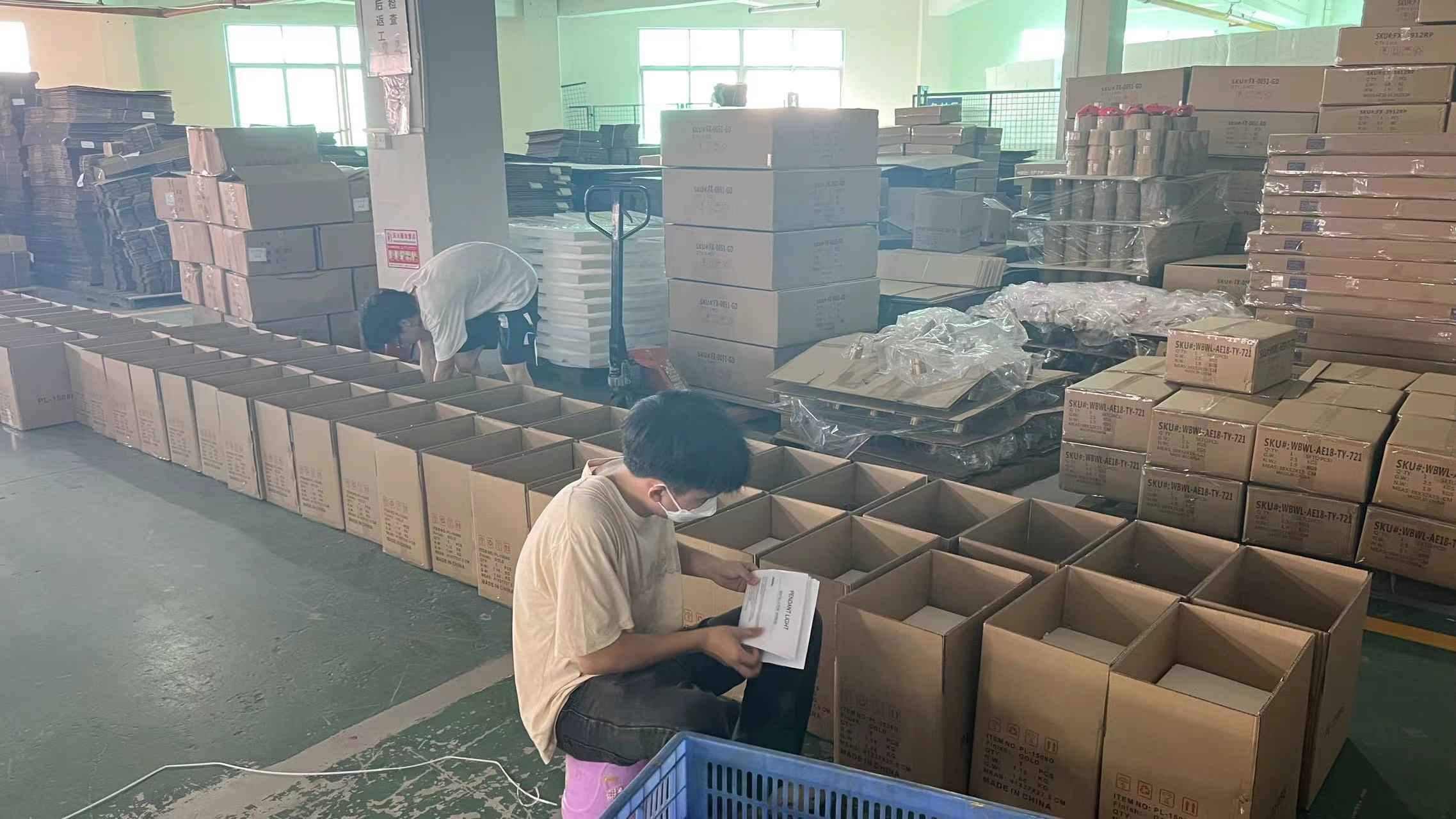
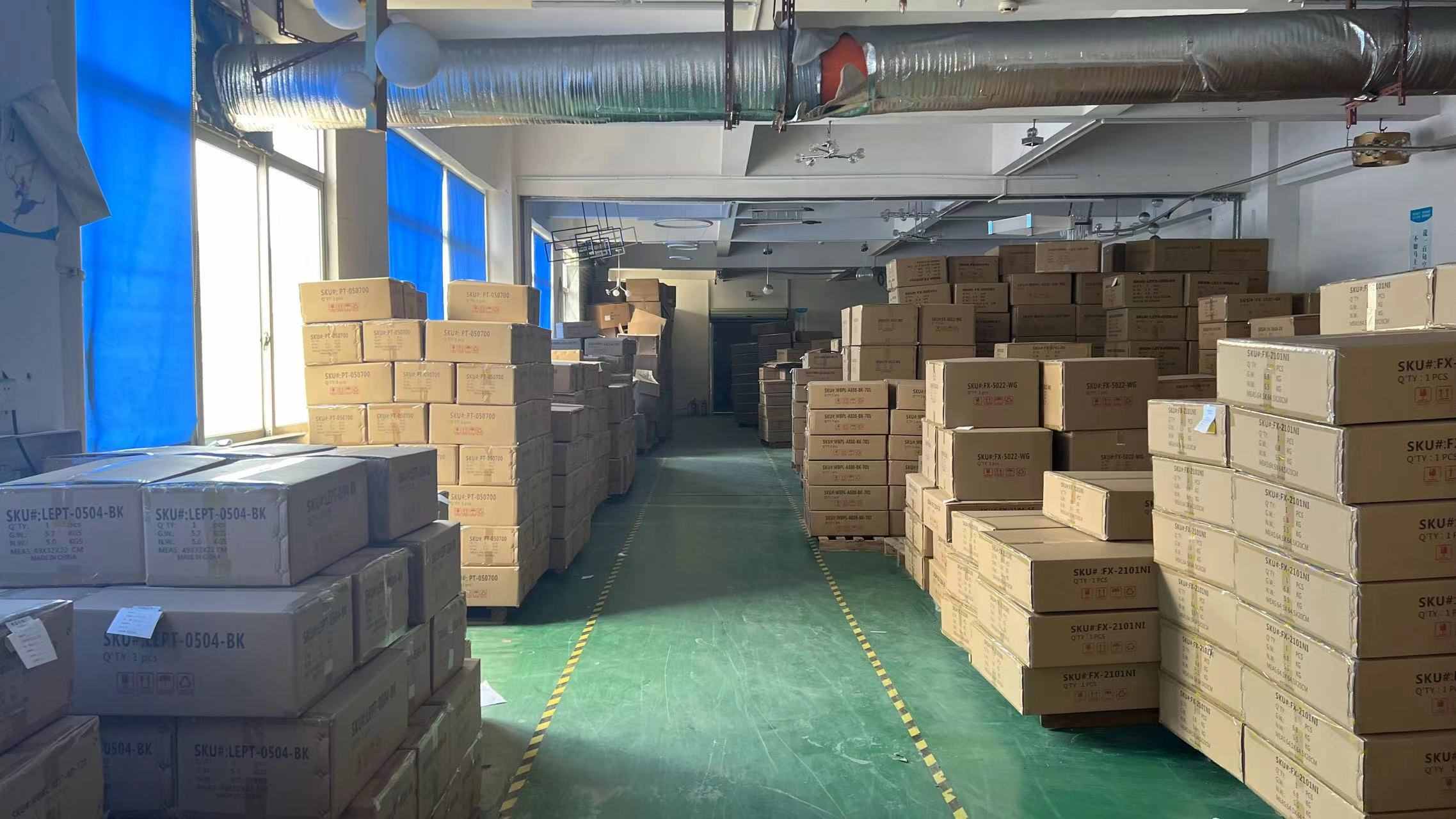
A transparent window into the manufacturing pipeline at our Dongguan facility, detailing standard procedures from raw input to finished product shipping.
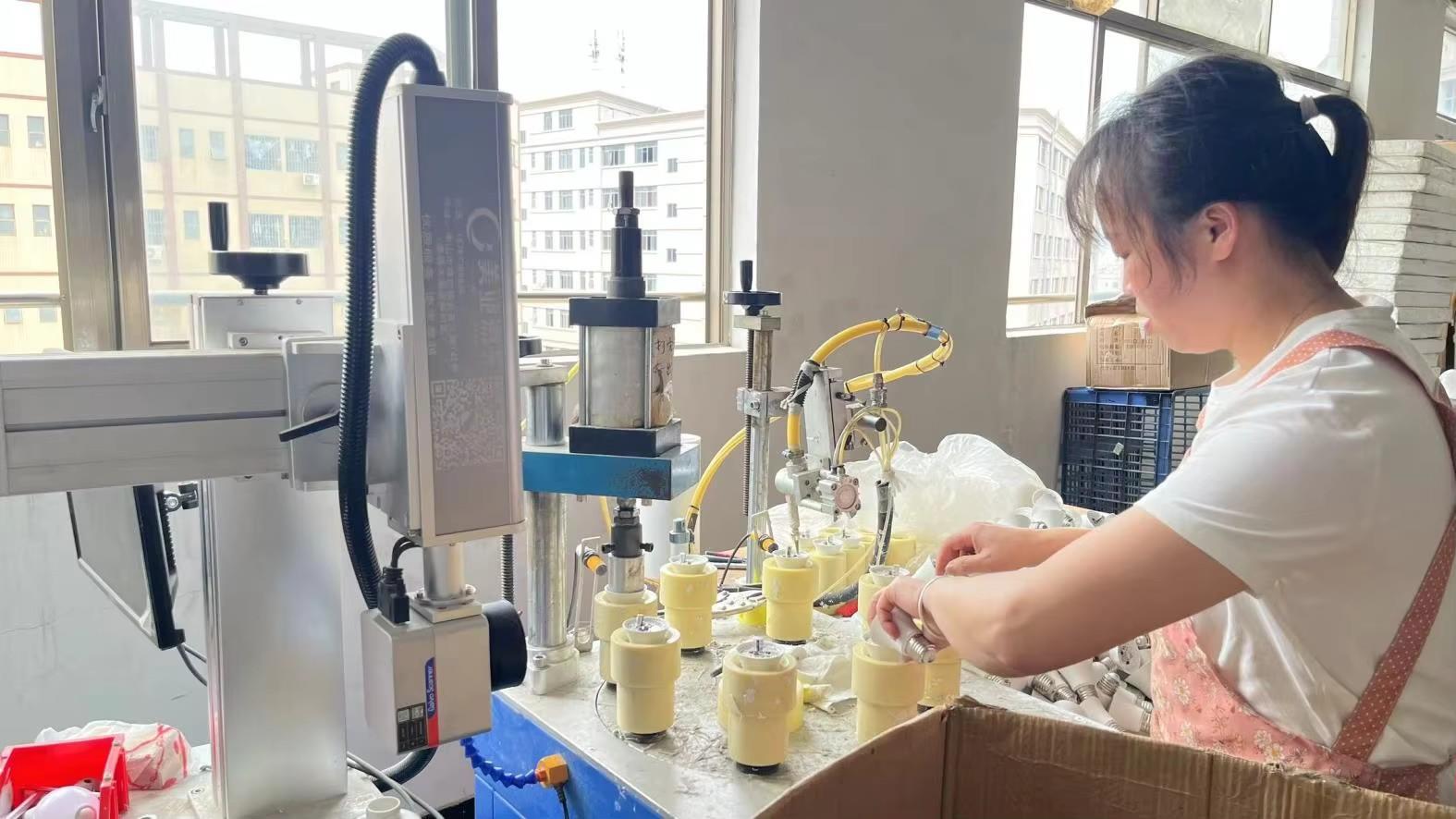
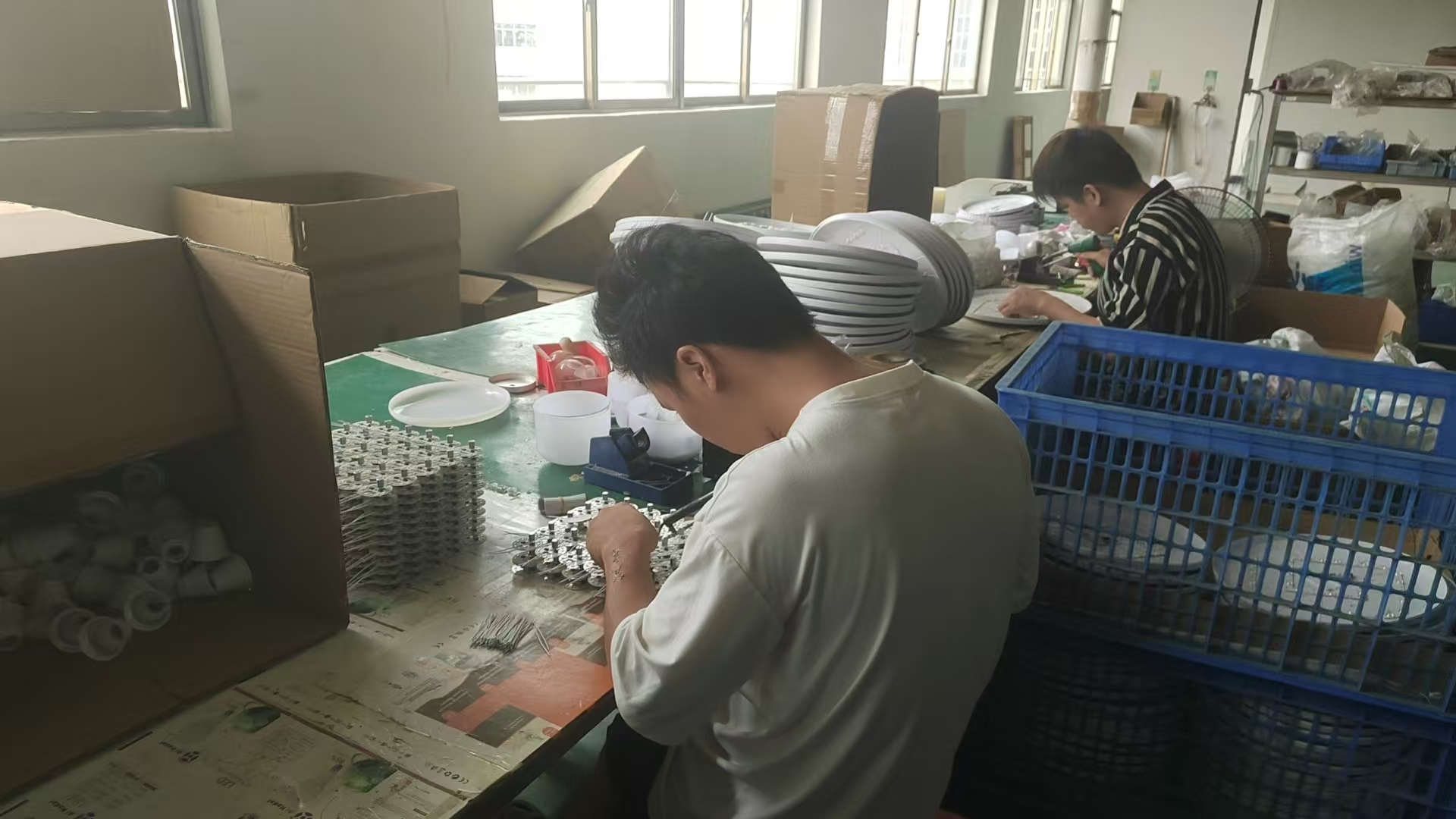
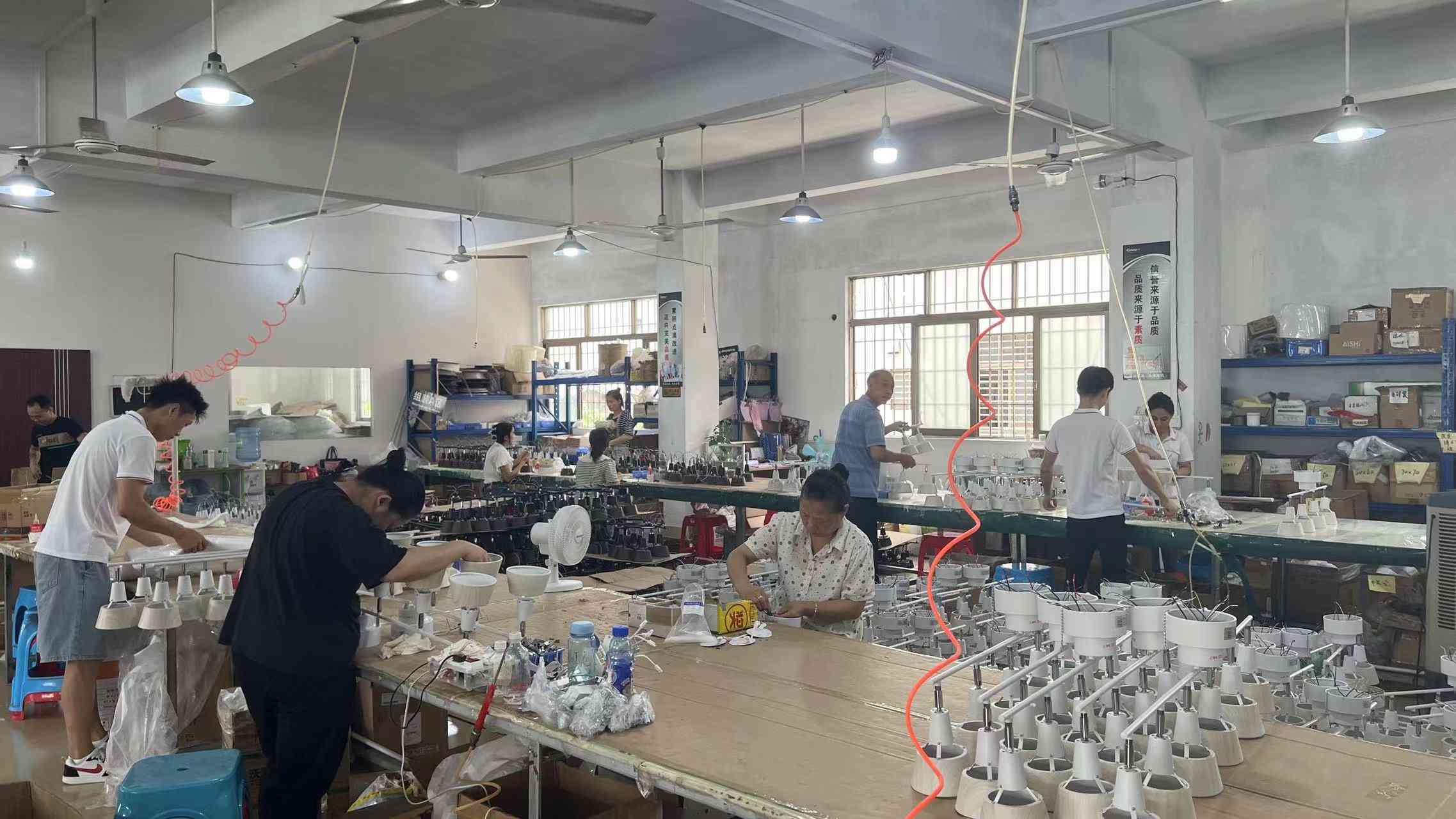
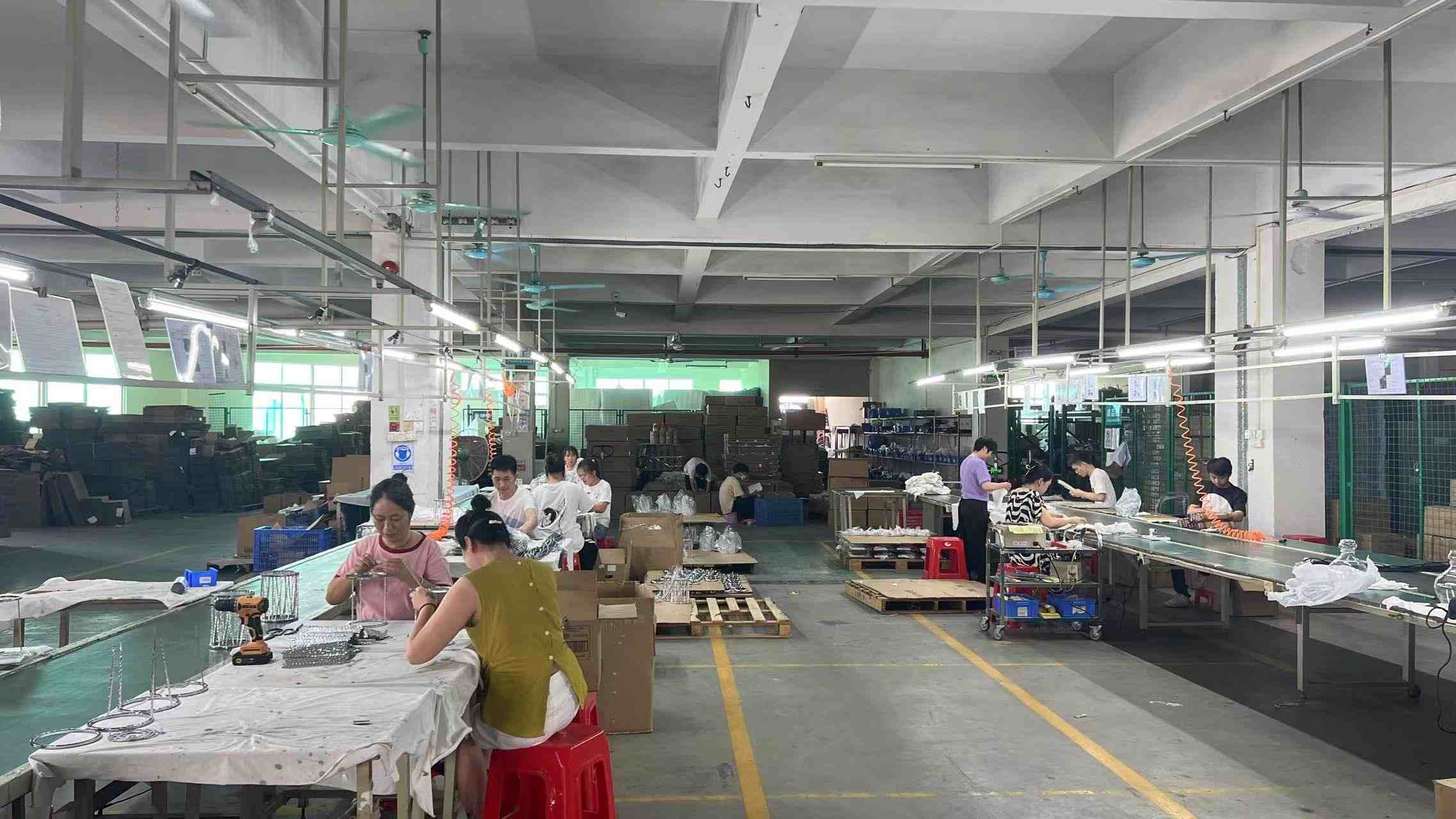
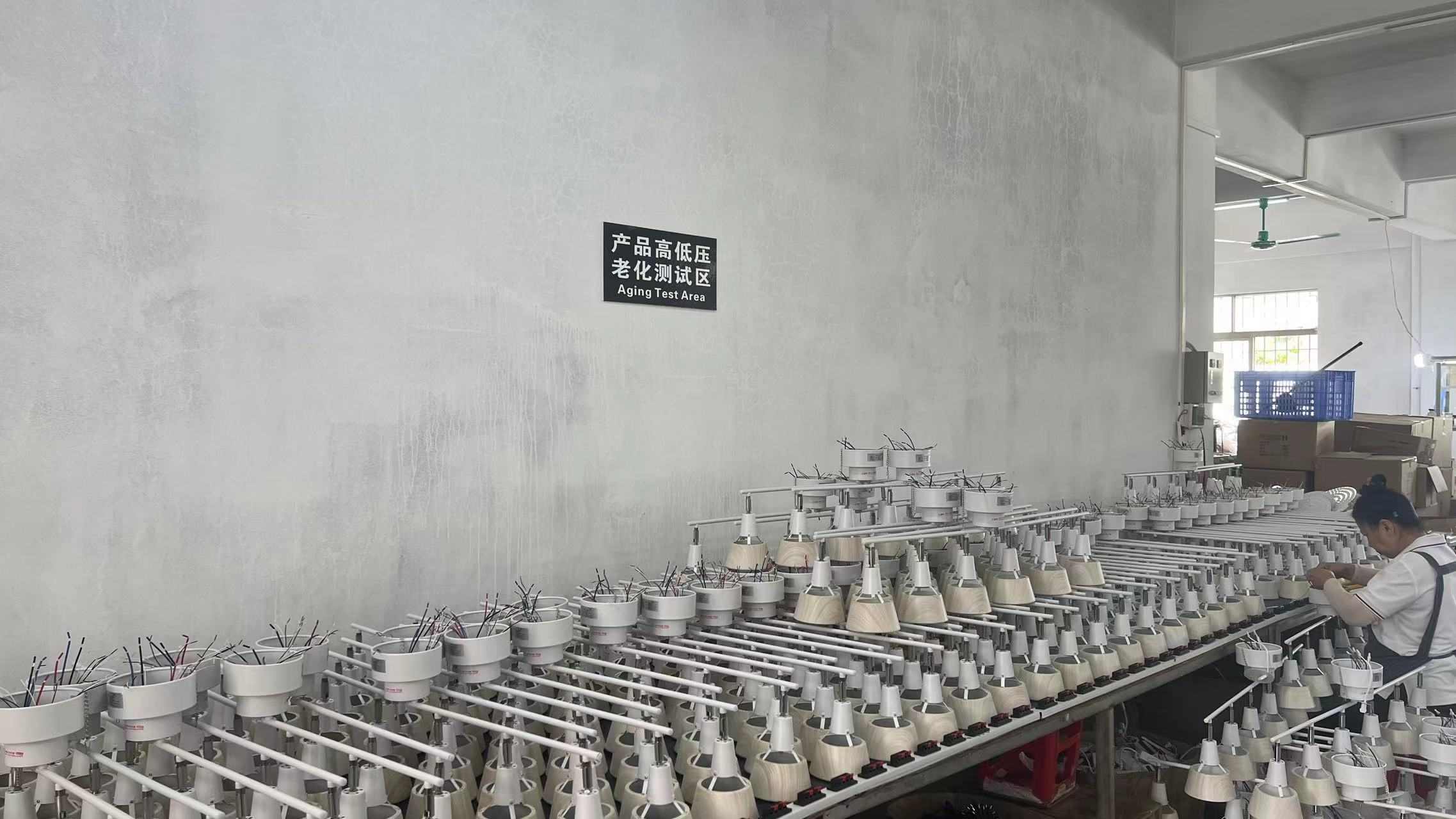
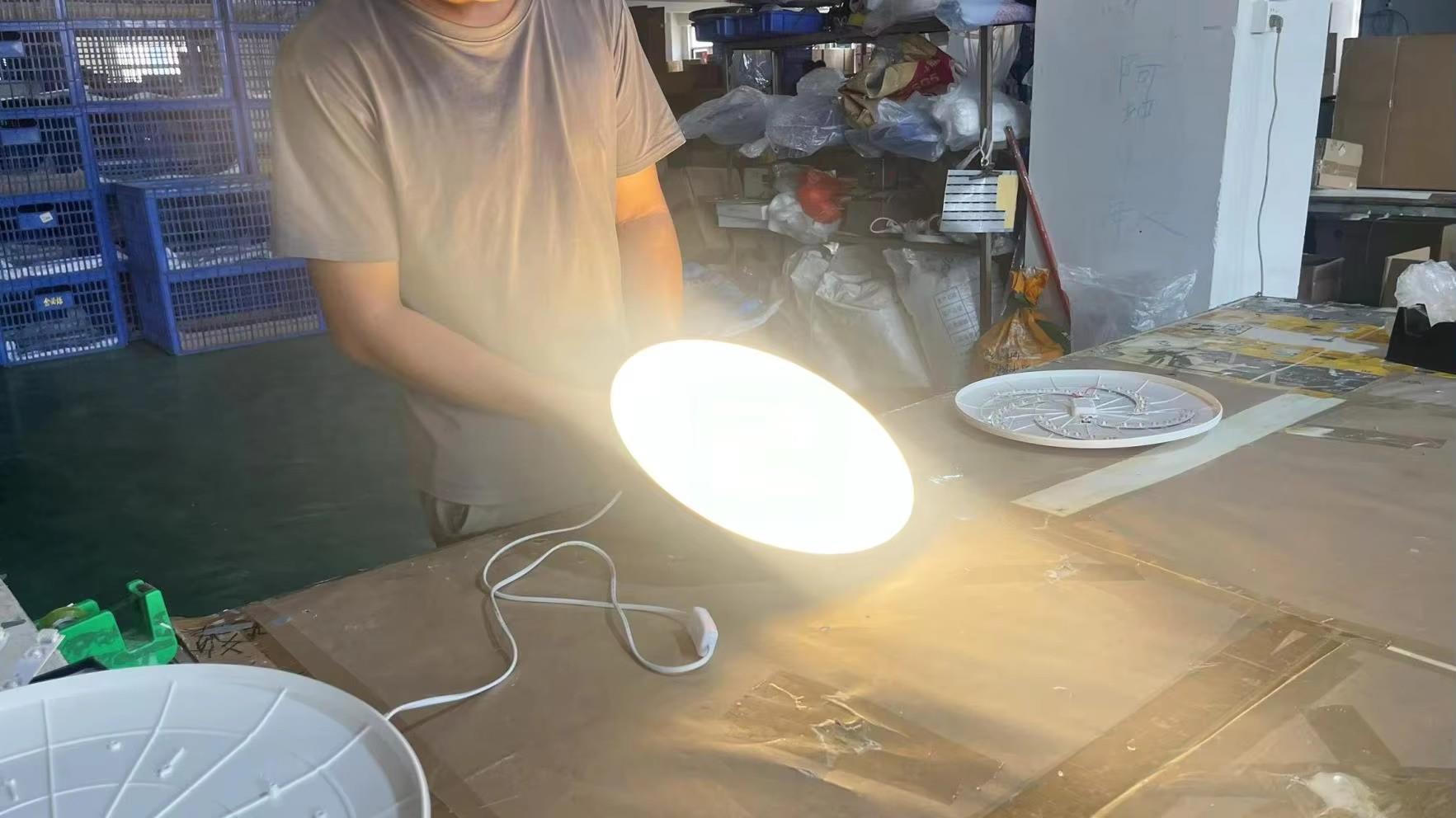
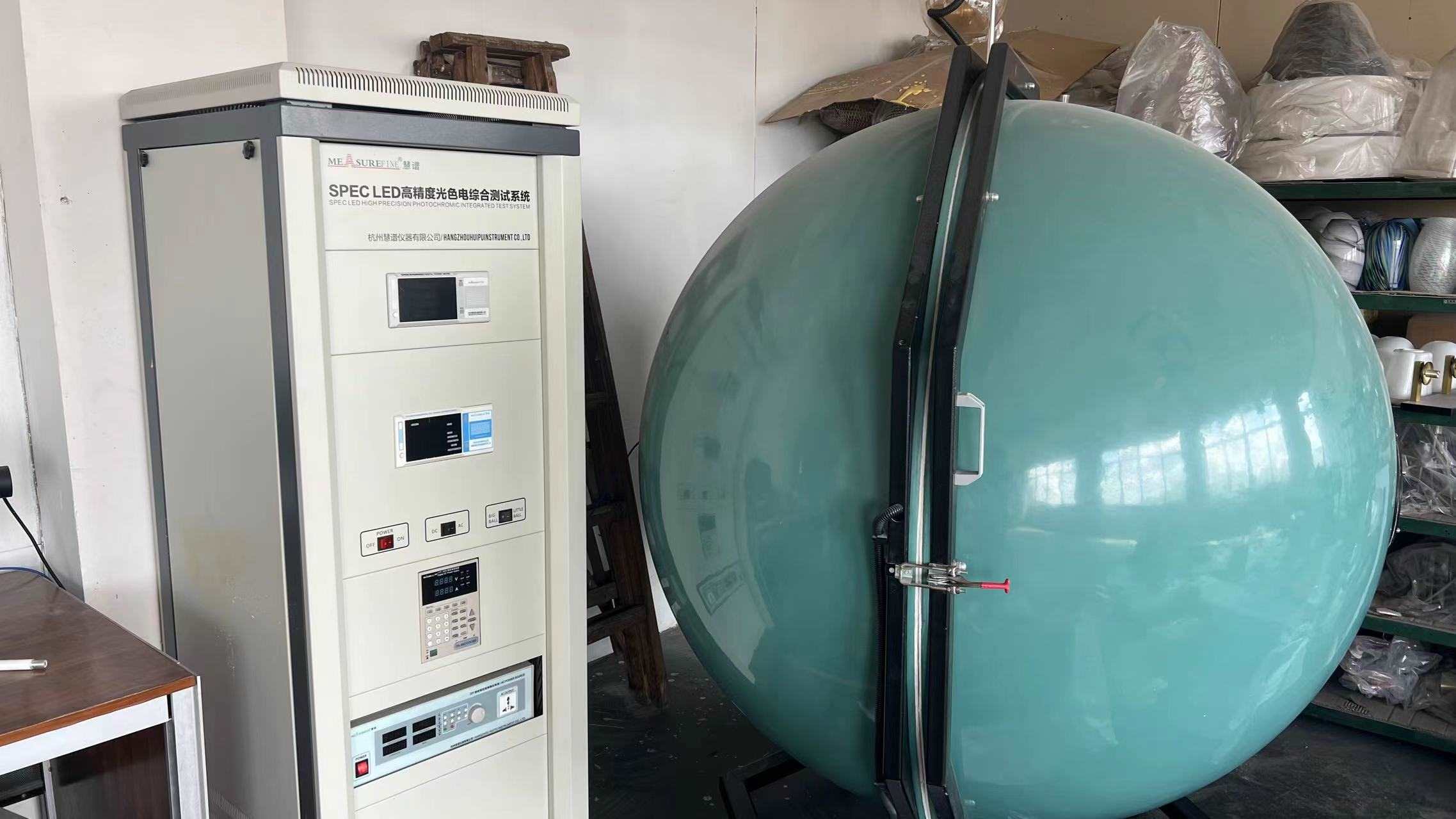
A look at the material science, optics, and networking protocols driving next-generation submersed illumination technology.
Traditional underwater lights frequently suffer from chromatic aberration due to the natural refraction index changes between air, glass, and water. CLC Lighting utilizes custom collimating lenses that pre-compensate for water's refraction coefficient (1.333). In addition, integrated DMX512 controls with RDM (Remote Device Management) allow real-time bi-directional communication, enabling lighting operators to monitor temperature, voltage, and individual diode health remotely.
To eliminate moisture ingress due to thermal expansion and contraction cycles, CLC implements a high-conductivity polyurethane or silicone potting system. These resins maintain structural flexibility over a wide temperature range (-20°C to 60°C) while acting as a secondary barrier against water entry in the rare event of outer cable sheath damage. Our material scientists are currently testing advanced graphene-infused heat sinks to further improve the cooling performance of high-power submersed fixtures.
Our R&D roadmap places strong emphasis on "eco-safe" lighting systems. By controlling spectral emissions, CLC designs marine-grade luminaires that minimize disruption to local aquatic fauna. Narrow-band light spectrums prevent biological fouling on the lens surface (algae accumulation), dramatically reducing maintenance cycles for commercial facilities.
Ensuring frictionless importing, local compliance, and structural longevity for project specifications across the world's most demanding jurisdictions.
All CLC products undergo strict third-party verification protocols. This includes Helium Leak Testing for micro-fissure identification, Integrating Sphere testing for spectral absolute power verification, and High-Temperature Thermal Chamber tests to verify driver longevity in poor air/water flow scenarios.
We recognize that market barriers delay commercial rollouts. Our products carry extensive testing certificates, including CE, ETL, cETL, ERP, RoHS, DOE, and CEC. These credentials assure electrical inspectors and municipal buyers of compliance with local safety codes.
From private labeling options and custom color boxes to tailored beam angles and wiring harnesses, our engineering department collaborates directly with distributors, project contractors, and lighting designers to deliver deployment-ready solutions.
Get answers to common technical, electrical, and structural questions faced by lighting designers and procurement managers.
Ordinary metals and standard 304 stainless steel contain lower levels of nickel and no molybdenum. This makes them highly susceptible to crevice corrosion and pitting when exposed to chloride ions (saltwater or pool disinfectants). 316L stainless steel has 2-3% molybdenum content, creating a stable oxide layer that resists chemical degradation and structural pitting, which is essential to prevent housing failure and subsequent water ingress.
IP67 ratings specify protection against temporary immersion in water (up to 1 meter for 30 minutes). IP68 ratings require continuous submersion under conditions specified by the manufacturer, typically exceeding 1 meter and including high static water pressures. CLC Lighting's underwater luminaires are designed to IP68 standards, guaranteeing long-term hermetic performance under constant submersion.
Underwater lights are engineered to use the surrounding water as a primary heat sink. If operated out of water (dry run), the heat build-up can degrade the LED chips and drivers. CLC designs high-power submersed fixtures with thermal fold-back protection. This means an internal sensor automatically dims the fixture's output to prevent overheating if water levels fall below the thermal dissipation threshold.
For basic static color installations, standard low-voltage switches or simple RF remote controllers are used. For complex commercial installations with dynamic color scenes, CLC Lighting fixtures integrate seamlessly with DMX512/RDM controllers. This allows developers to program custom light shows, synchronize fountain pumps, and monitor driver telemetry over standard multi-core signal cables.
Yes, our products carry certifications including CE, ETL, cETL, RoHS, DOE, and CEC. These ensure that our low-voltage underwater fixtures meet National Electrical Code (NEC) regulations in North America and European standards (EN 60598-2-18), allowing safe installation in areas where people are present.
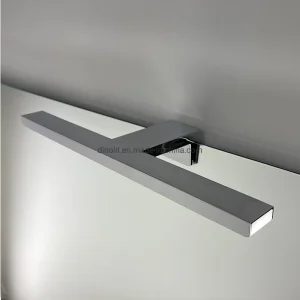
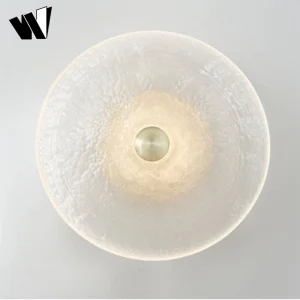
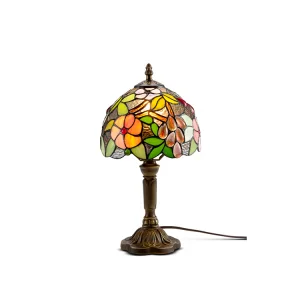
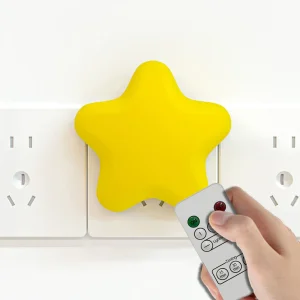
Discover our specialized commercial and vanity fixtures designed for decorative accentuation and targeted ambient illumination.