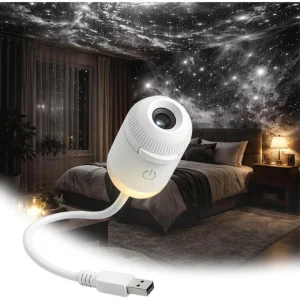
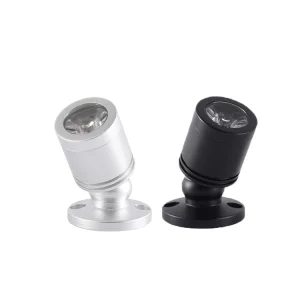
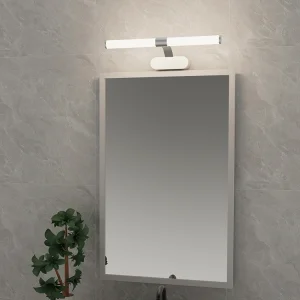
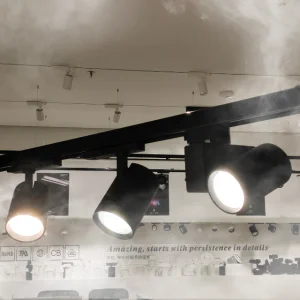
Explore our top-tier commercial, industrial, and decorative warm white luminaires engineered for maximum efficiency and superior color rendering.

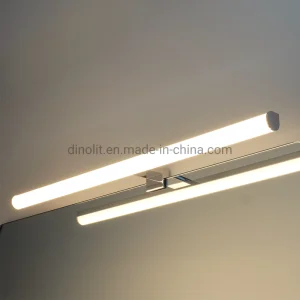
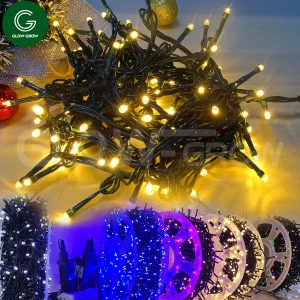
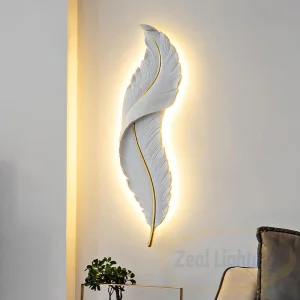
Understanding color spectrums, physiological responses, and commercial mandates in solid-state lighting.
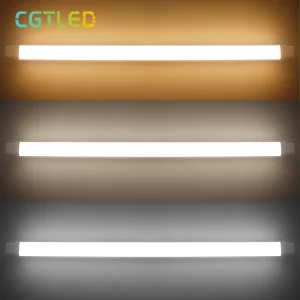
In modern lighting architecture, Warm White Light—typically defined within a Correlated Color Temperature (CCT) range of 2700K to 3000K—plays a critical role beyond mere visibility. By mimicking the spectral distribution of late-afternoon sun, warm white light reduces the emission of short-wavelength blue light (450–480 nm). This spectrum regulates biological rhythms by preventing the suppression of melatonin, making it an essential element of Human-Centric Lighting (HCL) systems in residential, hospitality, and healthcare settings.
Furthermore, high-quality warm white light relies on a precise color rendering index (CRI, Ra ≥ 90) and a high R9 value (red color rendering). This combination is crucial for accurately rendering natural wood grains, textiles, and human skin tones. This level of color quality is key for high-end retail, museum displays, and luxury hospitality spaces.
For B2B buyers, distributors, and engineering contractors, selecting a Chinese manufacturing partner requires strict compliance with international lighting standards. Products must meet the following regulations:
At Dongguan CLC Lighting Co., Ltd., we align our manufacturing practices with these global standards, ensuring smooth customs clearance and compliance for our partners.
How next-generation semiconductor lighting is shifting from static illumination to dynamic environments.
Static warm lighting is transitioning to dynamic dim-to-warm and tunable white systems. Utilizing dual-channel LED chips (typically combining 2200K and 6500K chips) and DALI-2, 0-10V, or Phase-Cut dimming protocols, modern systems seamlessly adjust light output. When dimmed, the color temperature naturally shifts from a bright 3000K to a cozy 2200K candle-like glow, mimicking the behavior of classic halogen bulbs.
By packaging multiple LED dies directly onto a metal-core printed circuit board (MCPCB), COB technology eliminates individual packaging components. This results in a concentrated, single light source that minimizes glare, improves thermal dissipation, and boosts luminous efficacy (exceeding 130 lm/W at warm white color temperatures). This is ideal for precision retail displays and architectural spot lighting.
Modern commercial lighting requires seamless integration with building automation networks. Our smart warm white series supports protocols like Zigbee 3.0, Bluetooth Mesh, and Matter. This enables automated light harvesting, remote energy auditing, and predictive maintenance diagnostics directly from the lighting controllers.
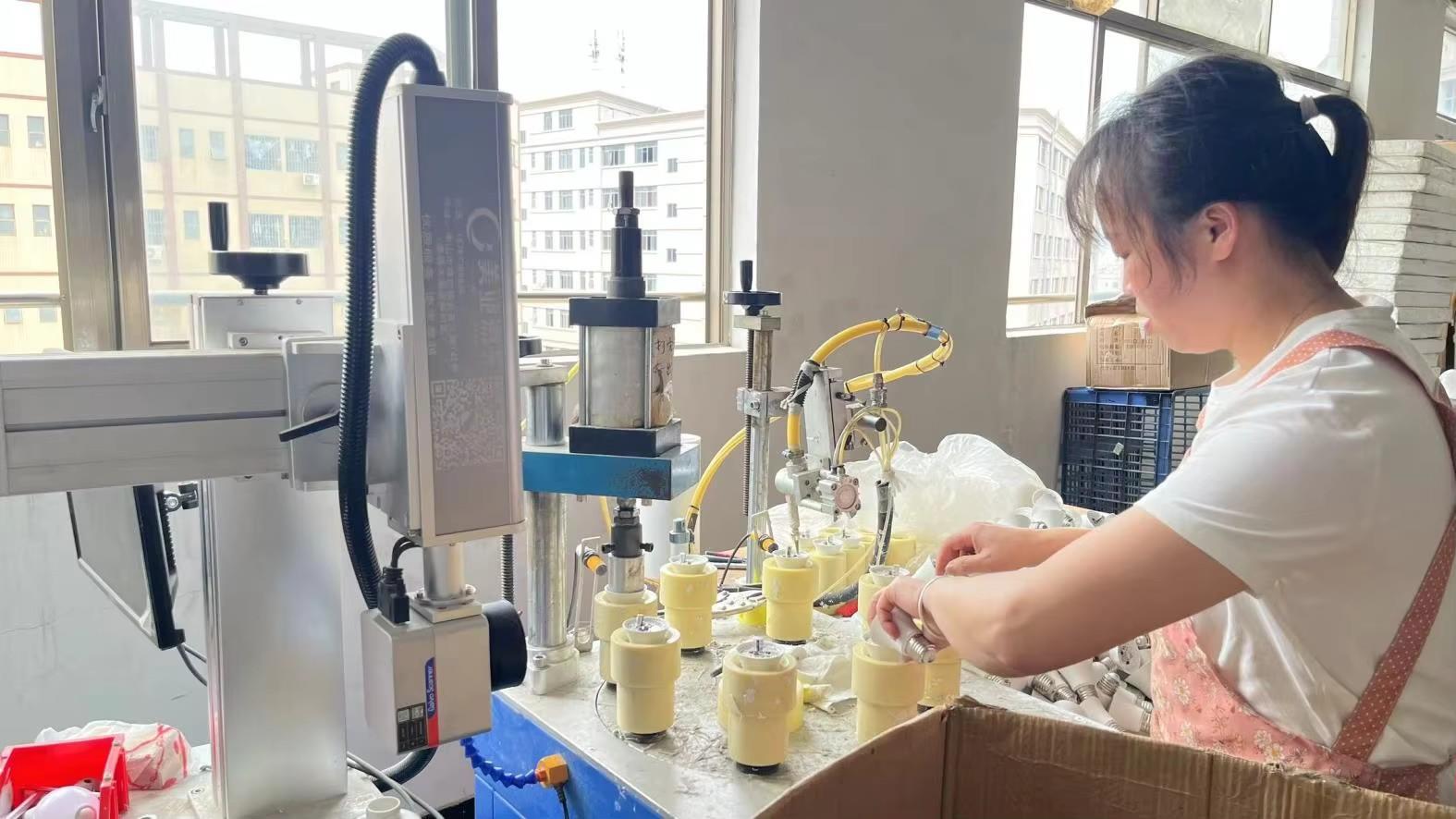
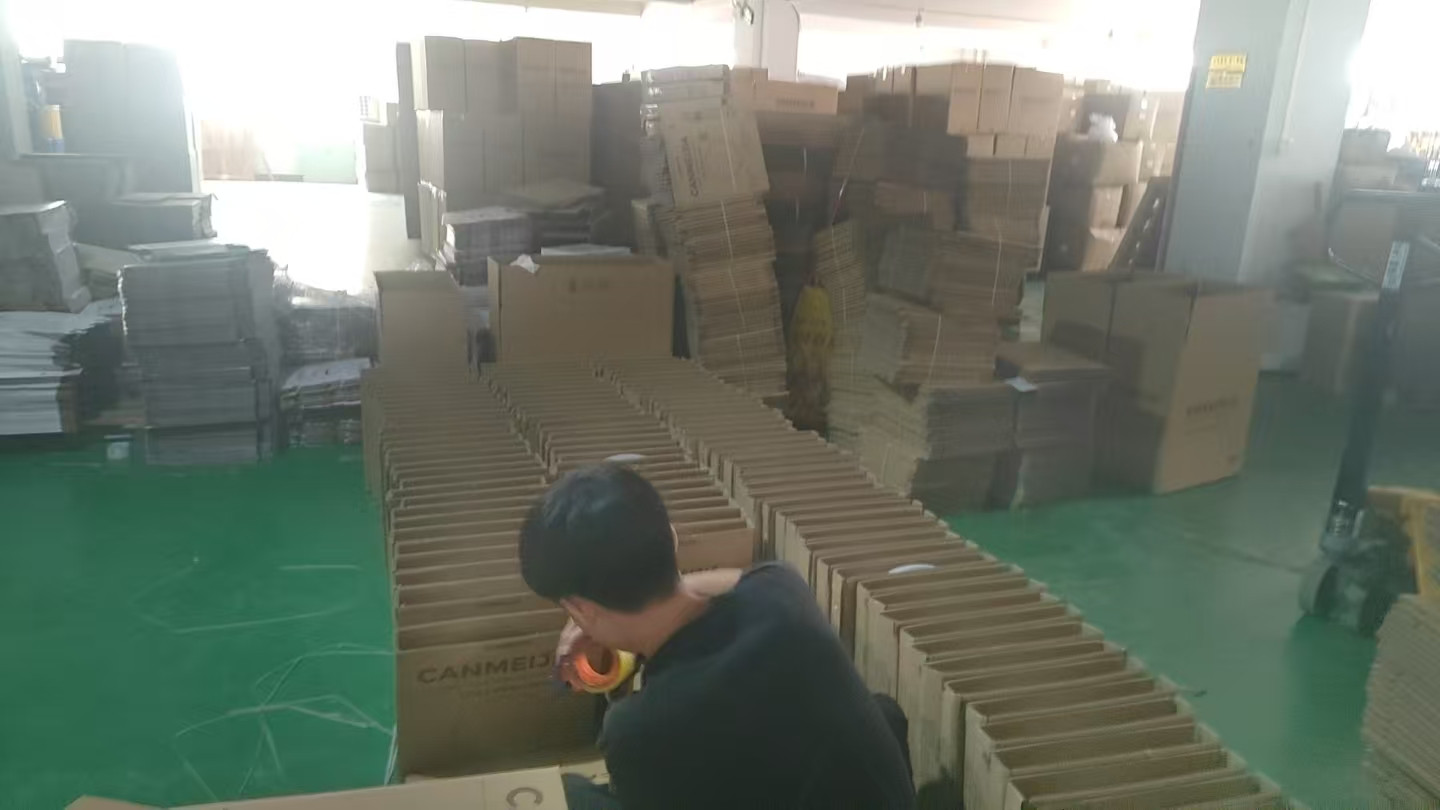
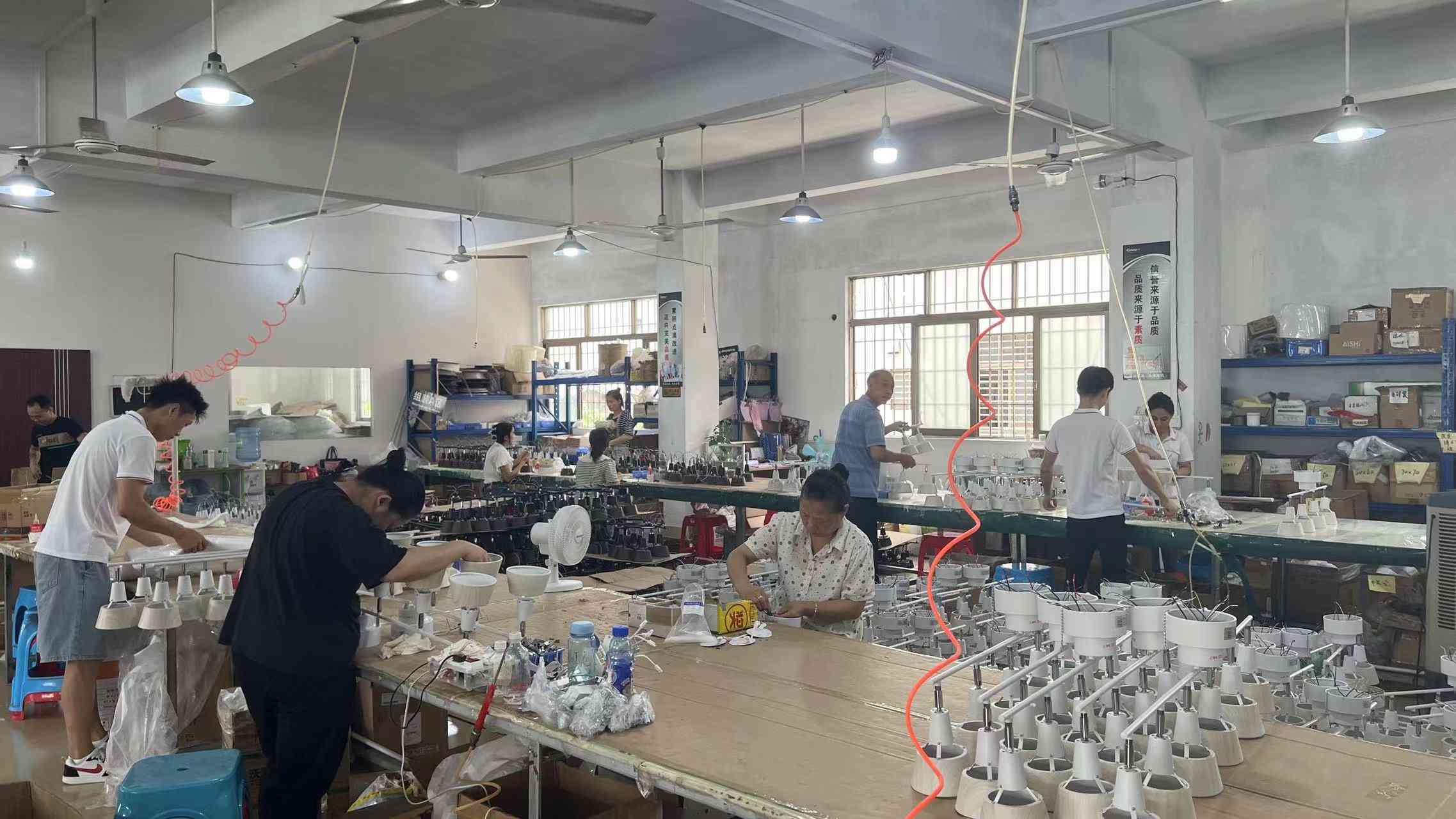
Inside Dongguan CLC Lighting's automated production facility and quality control system.
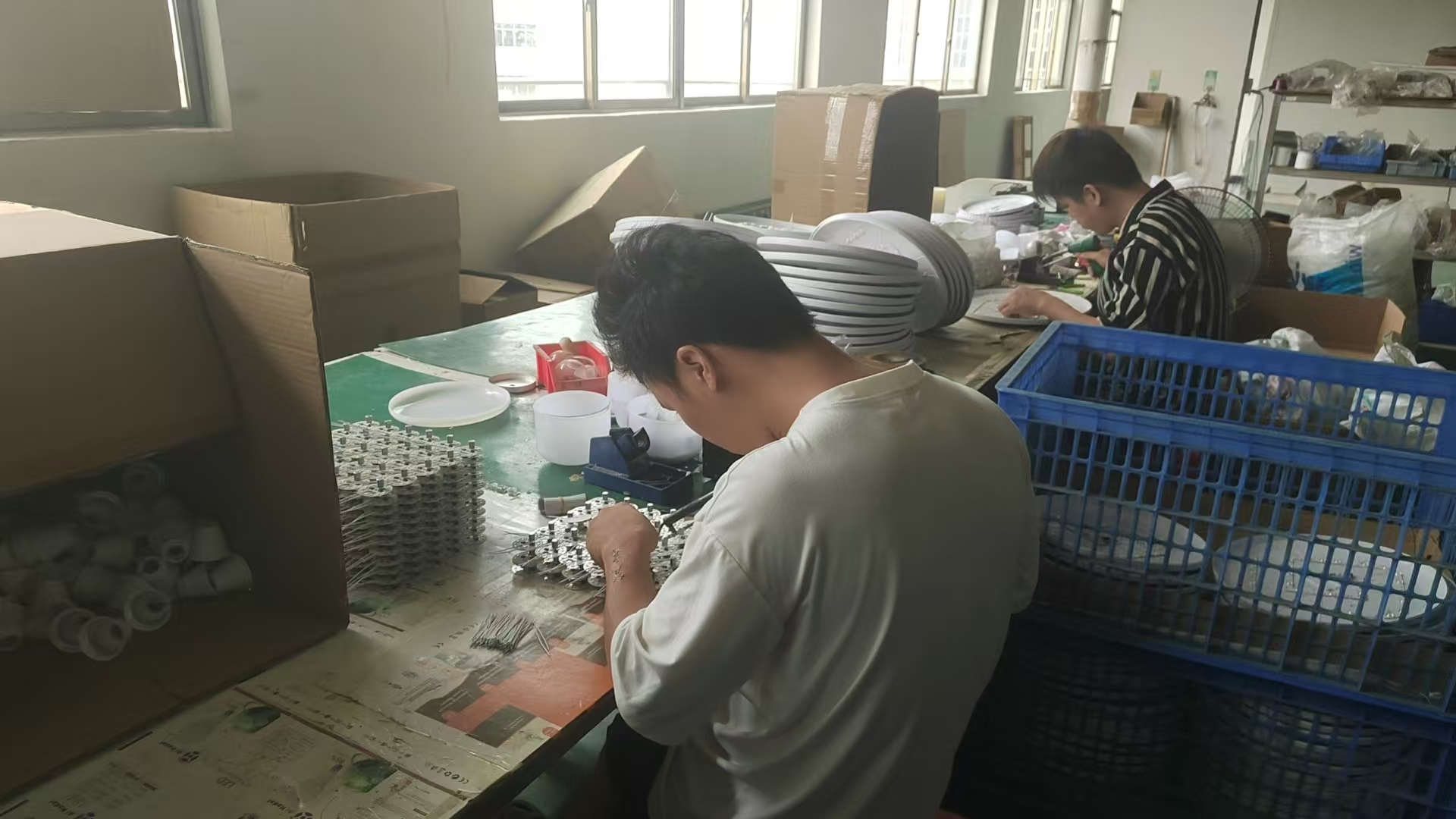
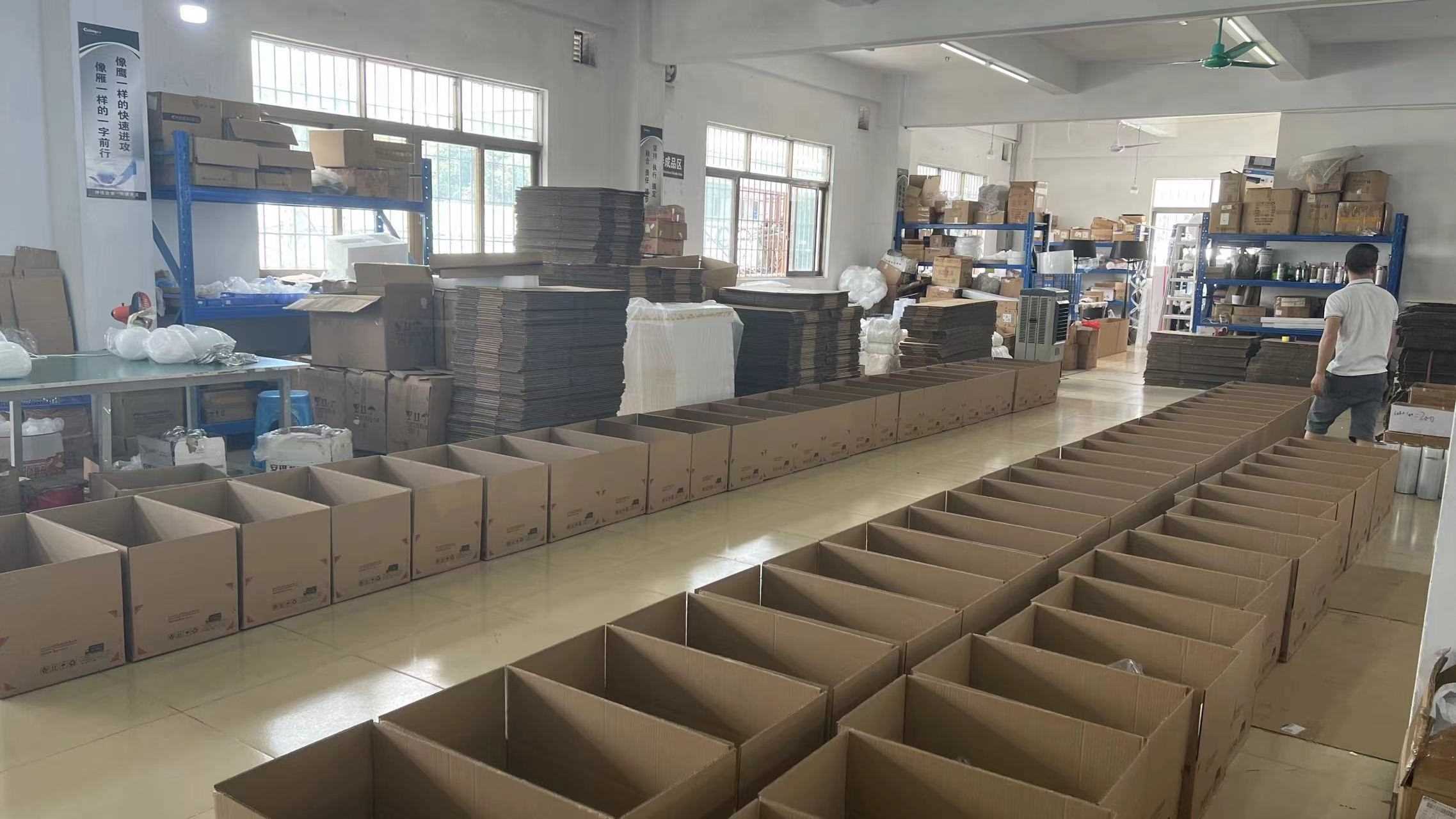
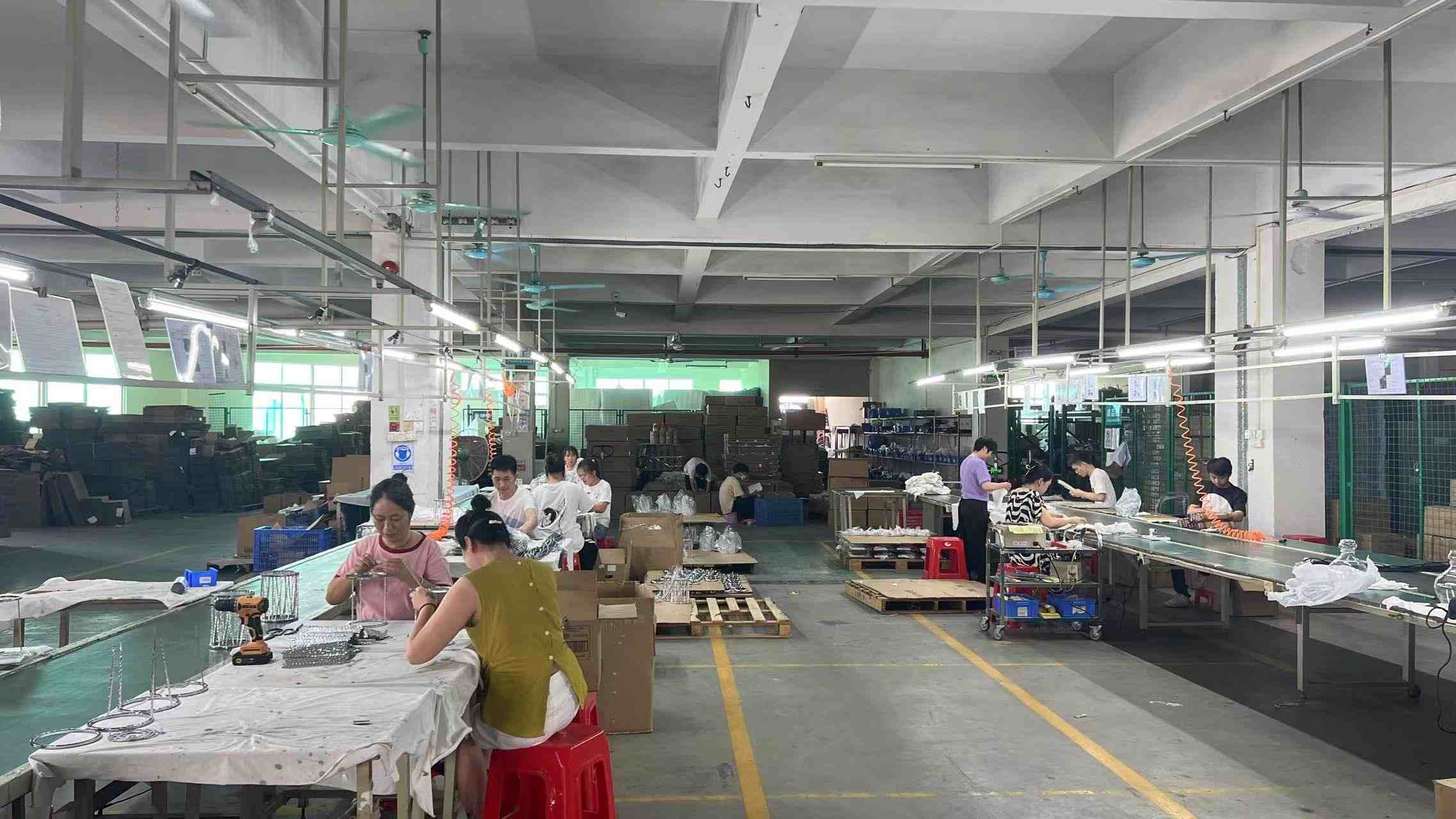
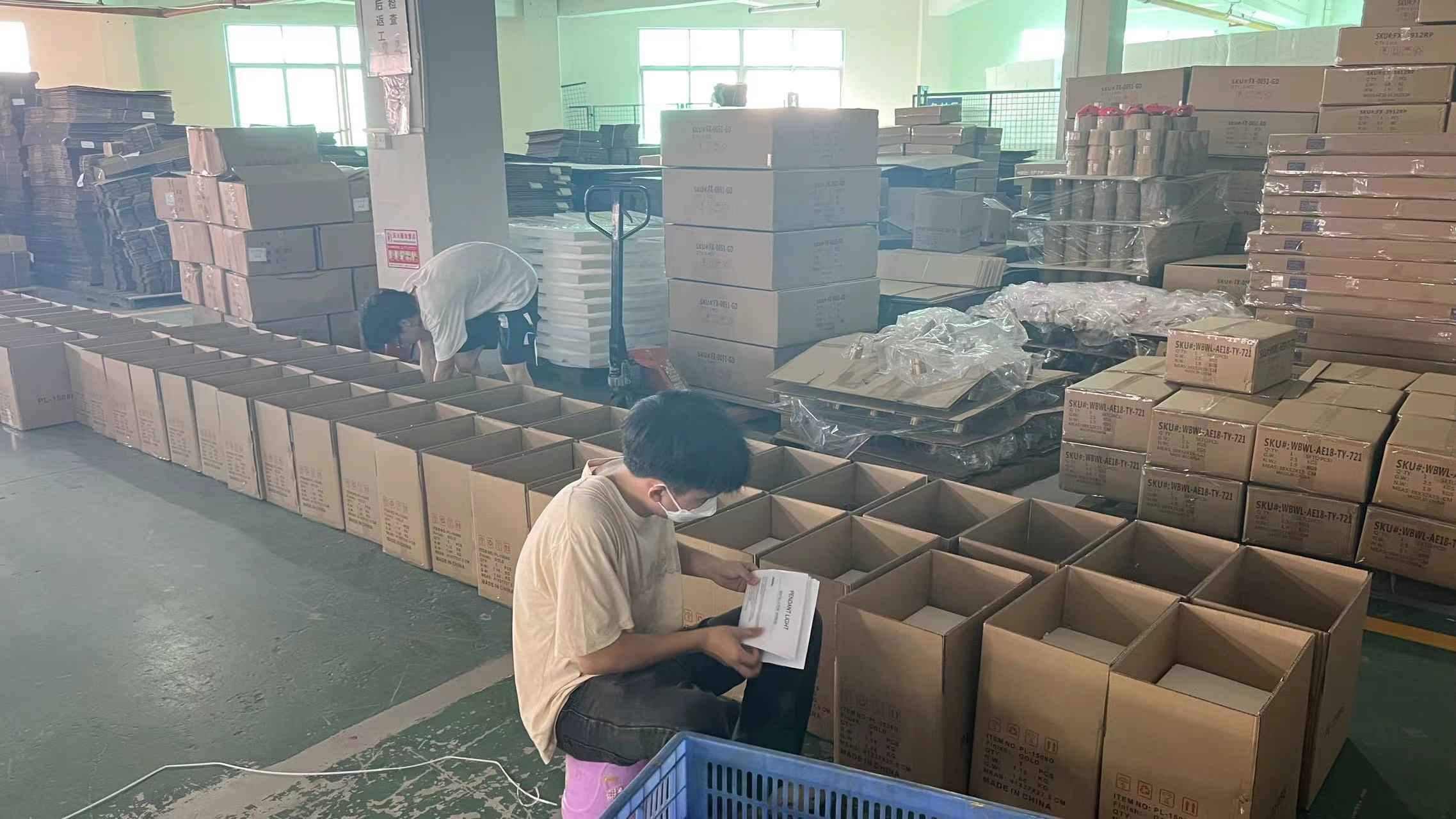
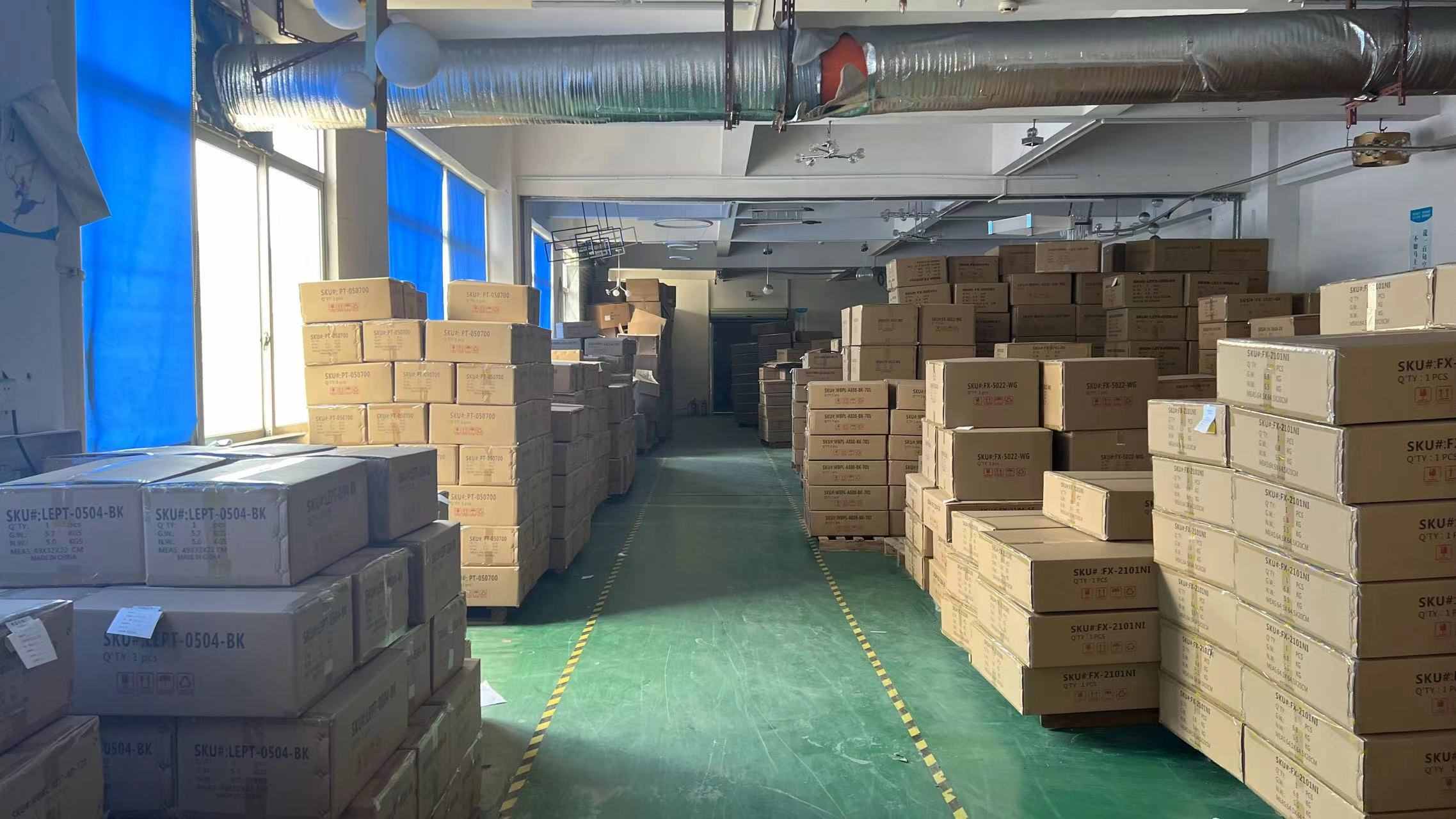
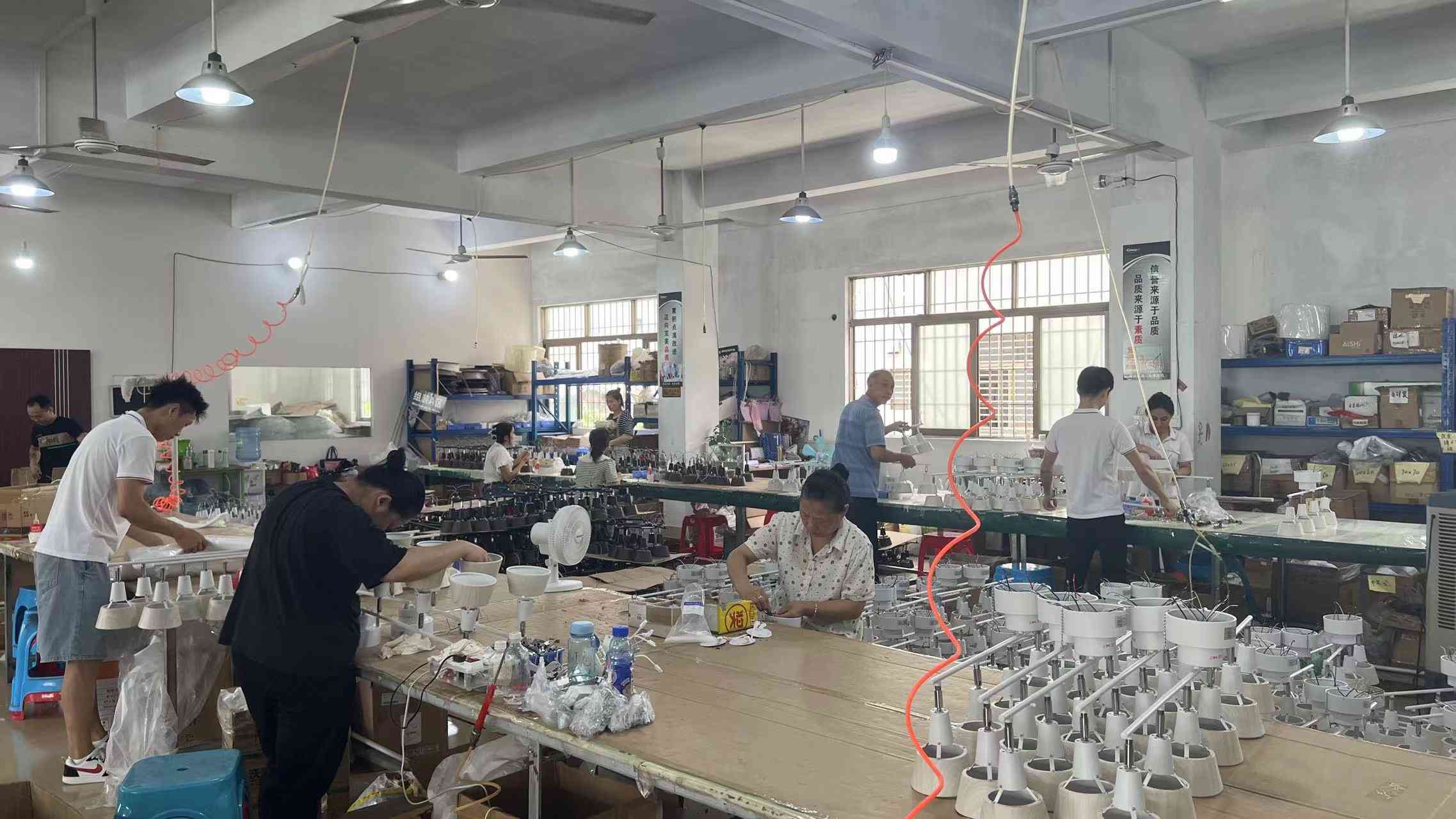
Operating out of Dongguan, the manufacturing heart of Guangdong province, Dongguan CLC Lighting Co., Ltd. has evolved since 2002 into a state-of-the-art facility. We've transitioned from traditional bulb manufacturing to advanced LED production. This growth is built on automated manufacturing processes that reduce assembly variation and improve production efficiency.
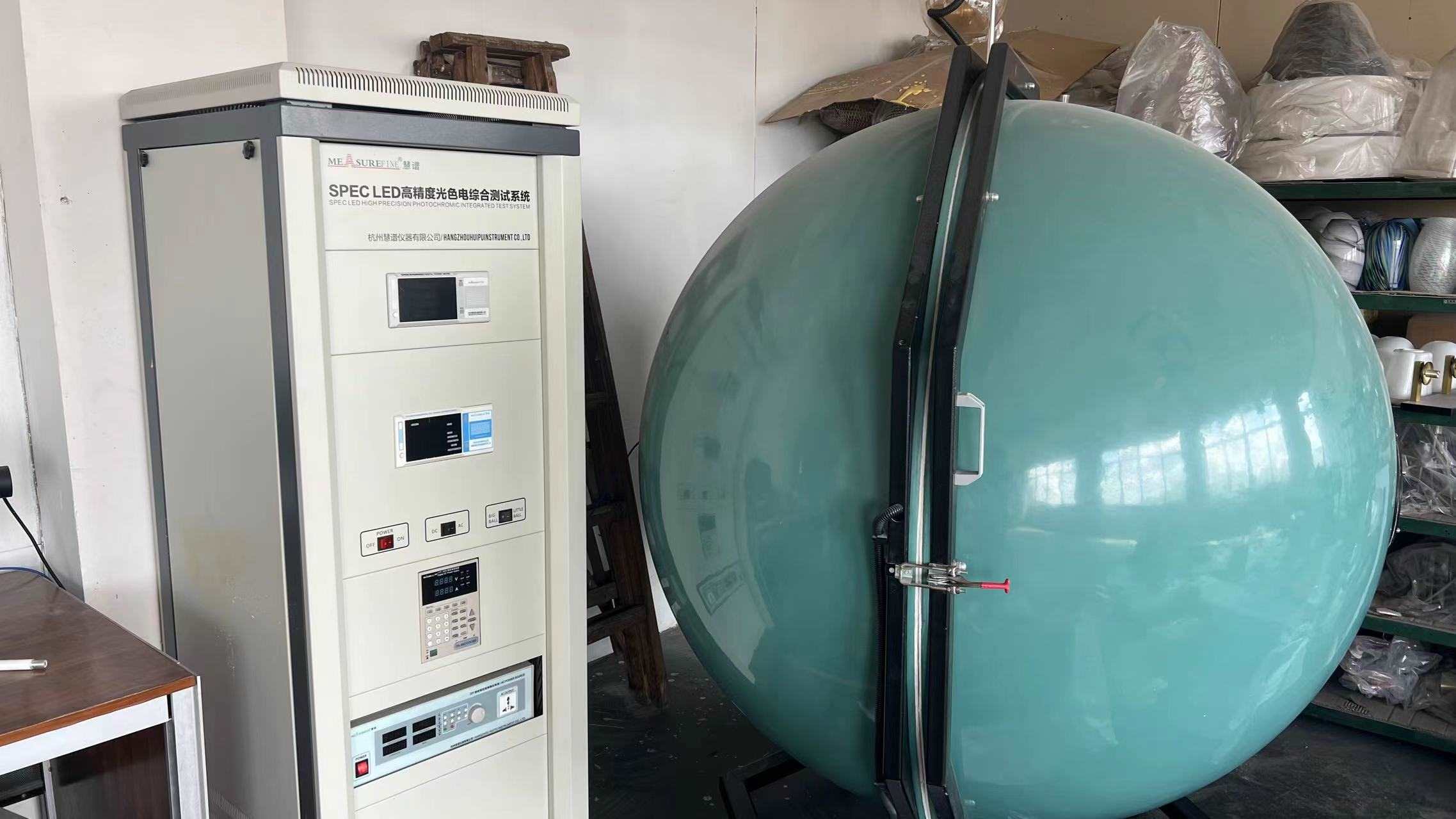
Our integration of Factory 4.0 processes ensures that raw materials—from high-thermal-conductivity aluminum housings to precise constant-current drivers—undergo rigorous testing before entering the assembly lines. Automated SMT placement, robotic wave-soldering, and computer-controlled testing stations work together to minimize human error and keep lead times predictable.
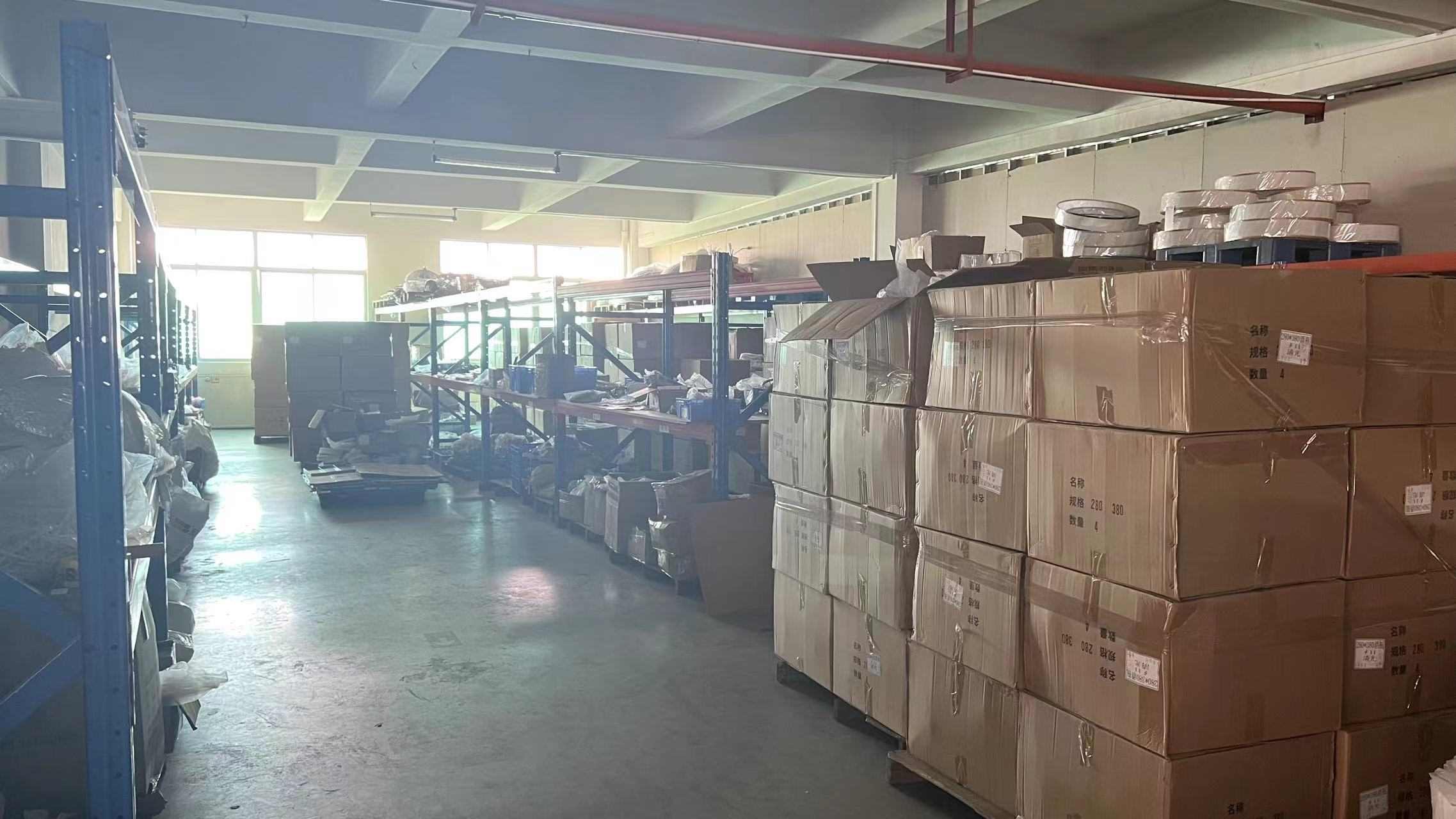
Supply chain resilience is a key strength for our global partners. By maintaining close relationships with component vendors (such as Epistar, San'an, MeanWell, and Lifud) and handling metal fabrication, driver integration, and photometric testing in-house, CLC Lighting manages risks from market fluctuations and raw material shortages.
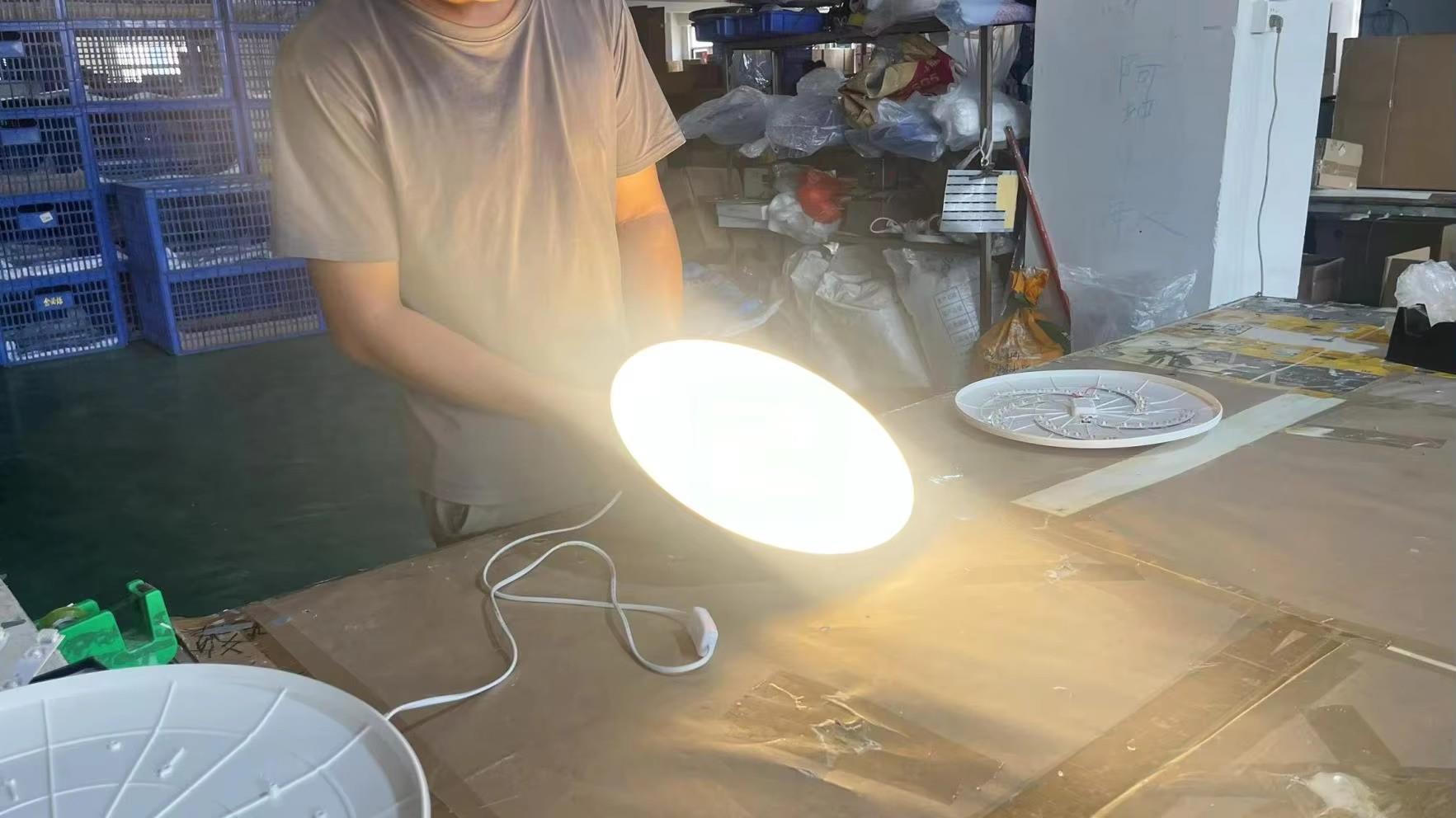
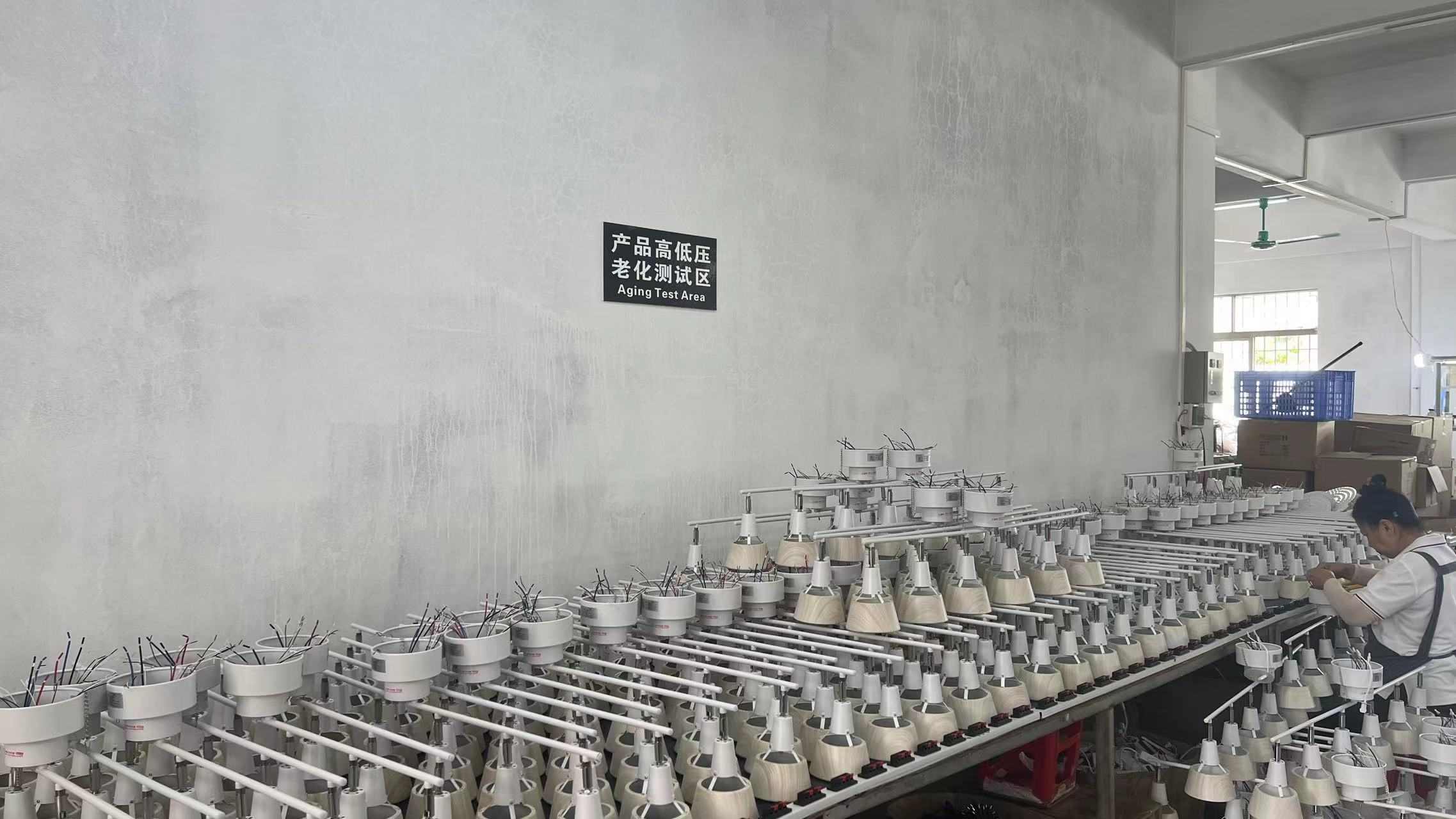
Our commitment to quality control is demonstrated through our automated aging chambers, where every luminaire undergoes active testing under varied voltage stresses. This process helps identify and eliminate early-life component failures before shipment.
How different sectors utilize our warm white systems to enhance spatial function and visual comfort.
In hotels, luxury resorts, and high-end residential projects, warm white light (2700K) creates a welcoming, intimate atmosphere. Incorporating deep-recessed warm white downlights and linear wall grazers helps define interior textures, improve visual comfort, and support physiological relaxation.
Museums and jewelry retailers require strict control over light quality. By utilizing high-CRI (Ra > 95) warm white spotlights, our systems display the natural colors of historical artifacts, precious metals, and gemstones without damaging delicate materials with UV radiation.
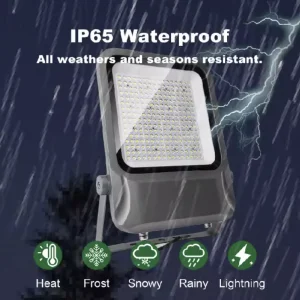
Outdoor facades and secure perimeters rely on high-durability, IP65+ waterproof warm white floodlights. Utilizing warm illumination (3000K) outdoors improves visibility in foggy or rainy conditions, as warm wavelengths experience less scattering in air than cool blue light.
Founded in 2002, Dongguan CLC Lighting Co., Ltd. is a professional lighting manufacturer dedicated to providing high-quality lighting products and comprehensive solutions to partners worldwide. Over two decades of industry experience, our company has grown from a specialized manufacturer of traditional incandescent bulbs, halogen lamps, and CFL energy-saving lamps into a modern enterprise focused on energy-efficient LED technology.
Today, our comprehensive product portfolio serves residential, commercial, decorative, and industrial applications across Europe, North America, South America, the Middle East, and Southeast Asia. To support global distribution networks, CLC Lighting products maintain compliance with major safety and performance certifications, including CE, ETL, cETL, ERP, RoHS, DOE, and CEC.
Our manufacturing capabilities include complete OEM and ODM services. We work closely with trading companies, lighting brands, wholesale distributors, and project contractors. Our engineering team assists at every stage, from initial design concepts and thermal simulations to customized packaging and final quality control.
Key technical considerations, testing procedures, and procurement standards for commercial buyers.
High-durability lighting fixtures and architectural decorative systems built to withstand demanding conditions.