High-efficiency, smart-sensing LED architectural systems optimized for the South African commercial and residential distribution network.
How regional energy factors shape the demand for advanced low-voltage and off-grid cabinet illumination systems.
The South African commercial and residential building sectors are undergoing a significant transition. Driven by ongoing power grid instability (frequent load-shedding stages administered by Eskom), architects, developers, and electrical engineering firms in major hubs like Johannesburg, Cape Town, and Durban are prioritizing **low-voltage (12V/24V DC)** and **rechargeable battery-powered** lighting systems. Traditional direct AC mains lighting under cabinets and in closets is increasingly replaced with systems that can integrate seamlessly with backup inverter packages, solar systems, or operate entirely off-grid.
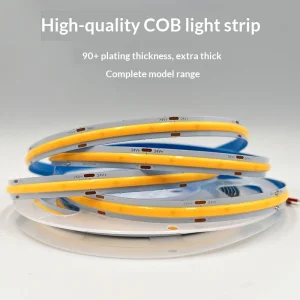
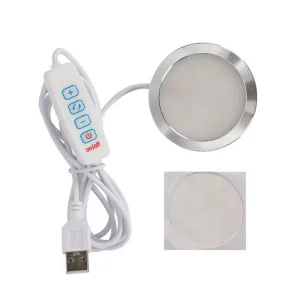
Due to stage-based load shedding, residential properties require cabinet lighting that is compatible with low-voltage DC UPS back-ups. Our 12V and 24V COB LED strips minimize energy consumption while maximizing output, reducing stress on household inverter batteries.
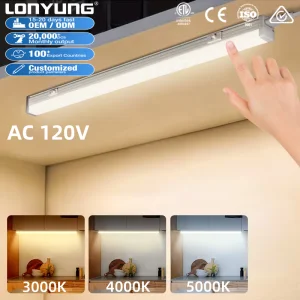
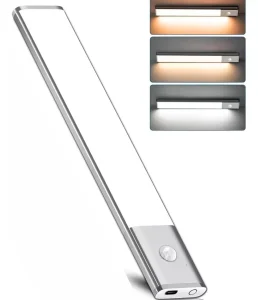
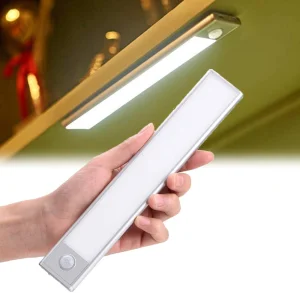
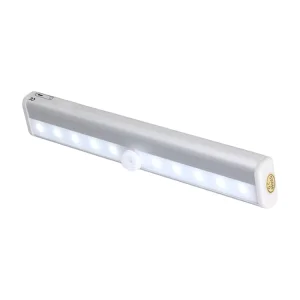
Rechargeable, motion-activated magnetic cabinet lamps have witnessed a surge in demand in South Africa. Acting as both aesthetic accent lights and emergency backup light sources, these units require no wiring and charge via universal USB interfaces.
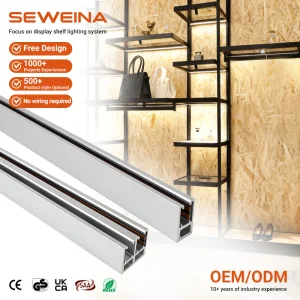
High-end shopping centers, such as Sandton City and the V&A Waterfront, necessitate energy-efficient cabinet lighting for showcases. Low-voltage magnetic track light systems provide modular versatility for flexible merchandising under power limits.
Years Manufacturing Experience
Global Export Markets
SABS & CE Safety Standards Compliant
Monthly Production Capacity
The shift toward smart building integration, mini-profiles, and optimized supply chain management.
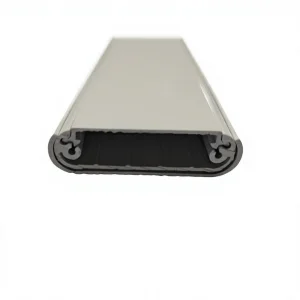
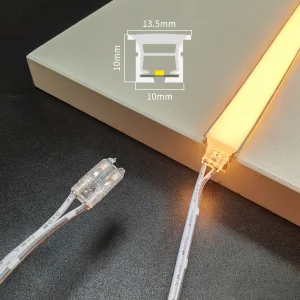
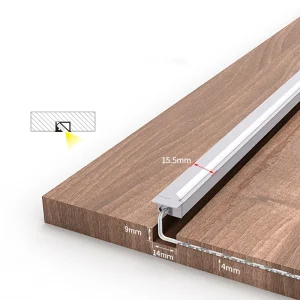
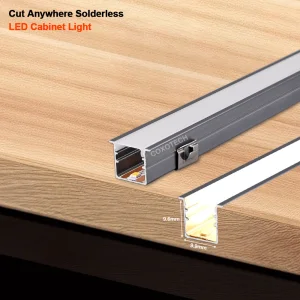
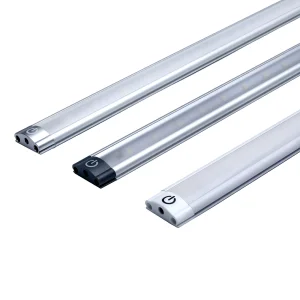
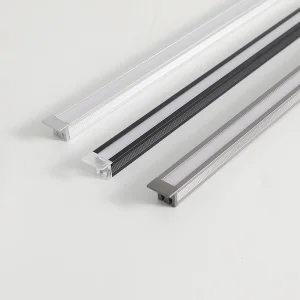
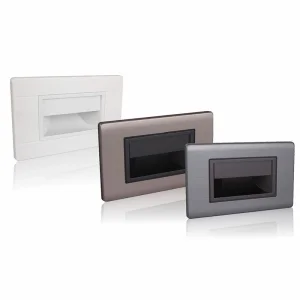
Modern commercial and hospitality lighting design relies heavily on "invisible" sources. Super-thin aluminum profiles (such as 10x10mm channels) and embedded linear lights recess into joinery with minimal physical footprint. The global market is rapidly moving away from standard puck lights toward continuous, dot-free linear COB systems that simulate natural architectural slots.
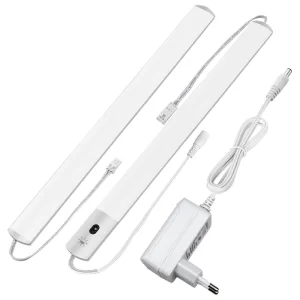
Non-contact interaction is now a standard design standard. Infrared hand-sweep sensors, passive infrared (PIR) body motion detection, and door-opening contact switches are routinely integrated directly into cabinet light housings. This minimizes physical touch, preserves furniture finishes, and reduces power wastage by automatically turning off fixtures when spaces are unoccupied.
For B2B buyers, importing lighting products requires strict compliance with domestic safety regulations. High-quality products must clear certifications such as CE, ETL, cETL, ERP, RoHS, DOE, and CEC. Manufacturers who secure these marks offer lower risk profiles to electrical contractors and project buyers who must comply with SABS (South African Bureau of Standards) local frameworks.
Industrial wholesalers and developers need direct routes to factories. A reliable manufacturing partner must balance material procurement with automated assembly lines to mitigate rising raw material costs and guarantee consistent delivery schedules across global ocean routes.
Based in China’s industrial manufacturing hub, Dongguan CLC Lighting Co., Ltd. has established a comprehensive manufacturing ecosystem designed to meet the demands of global importers, distributors, and large-scale projects.
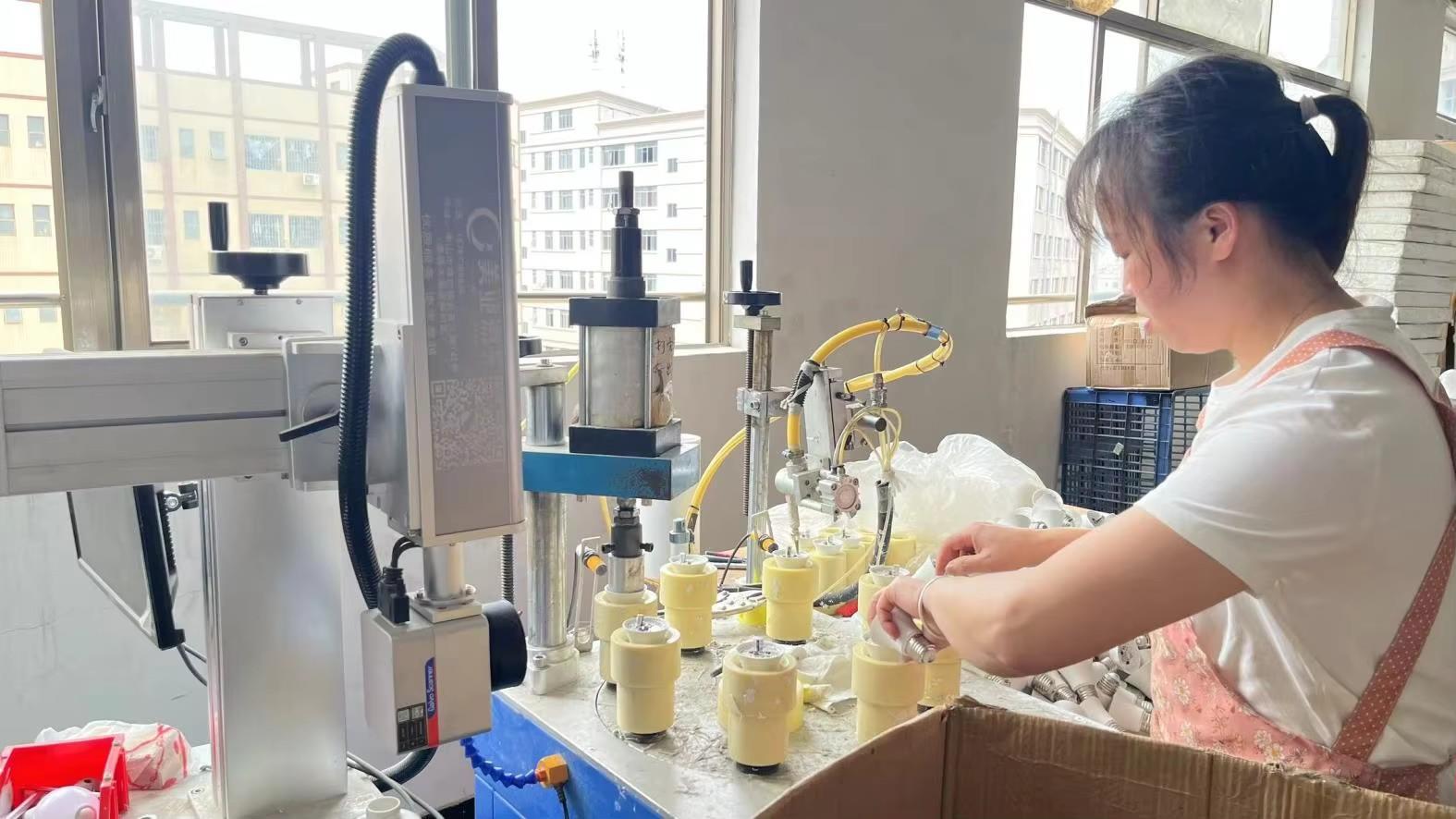
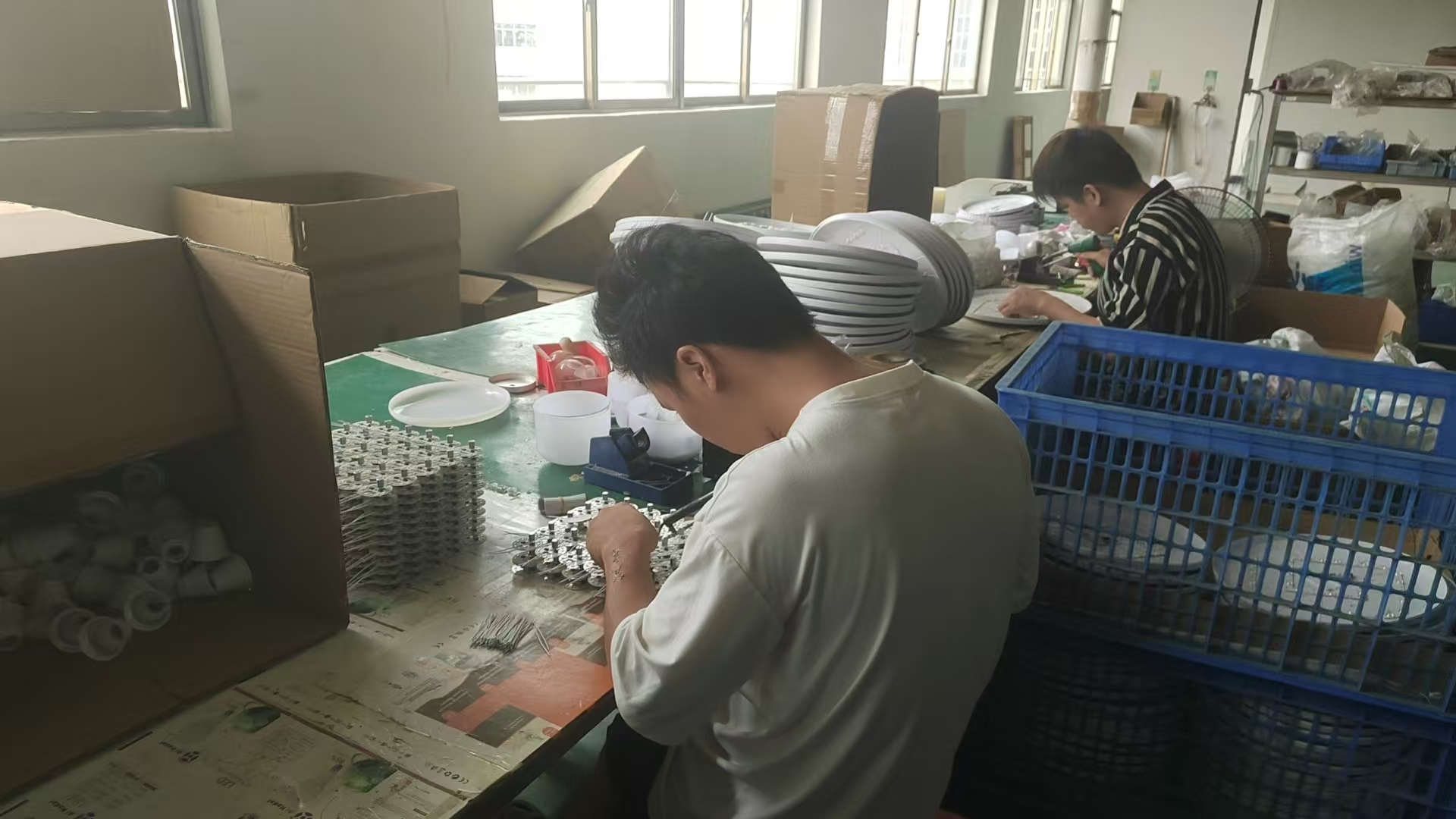
Since starting in 2002 as a producer of conventional lighting, CLC Lighting has transitioned into an innovative LED lighting manufacturer. Our operations integrate raw material sourcing, automatic SMT placement, precision welding, structural assembly, and automated aging testing under a unified quality management framework. This structure provides international buyers with shorter lead times, lower defects, and competitive pricing.
Using automatic assembly and component-level welding ensures mechanical consistency across production batches. This reduces variations in light output, maintains thermal efficiency, and guarantees consistent fixture lifetimes.
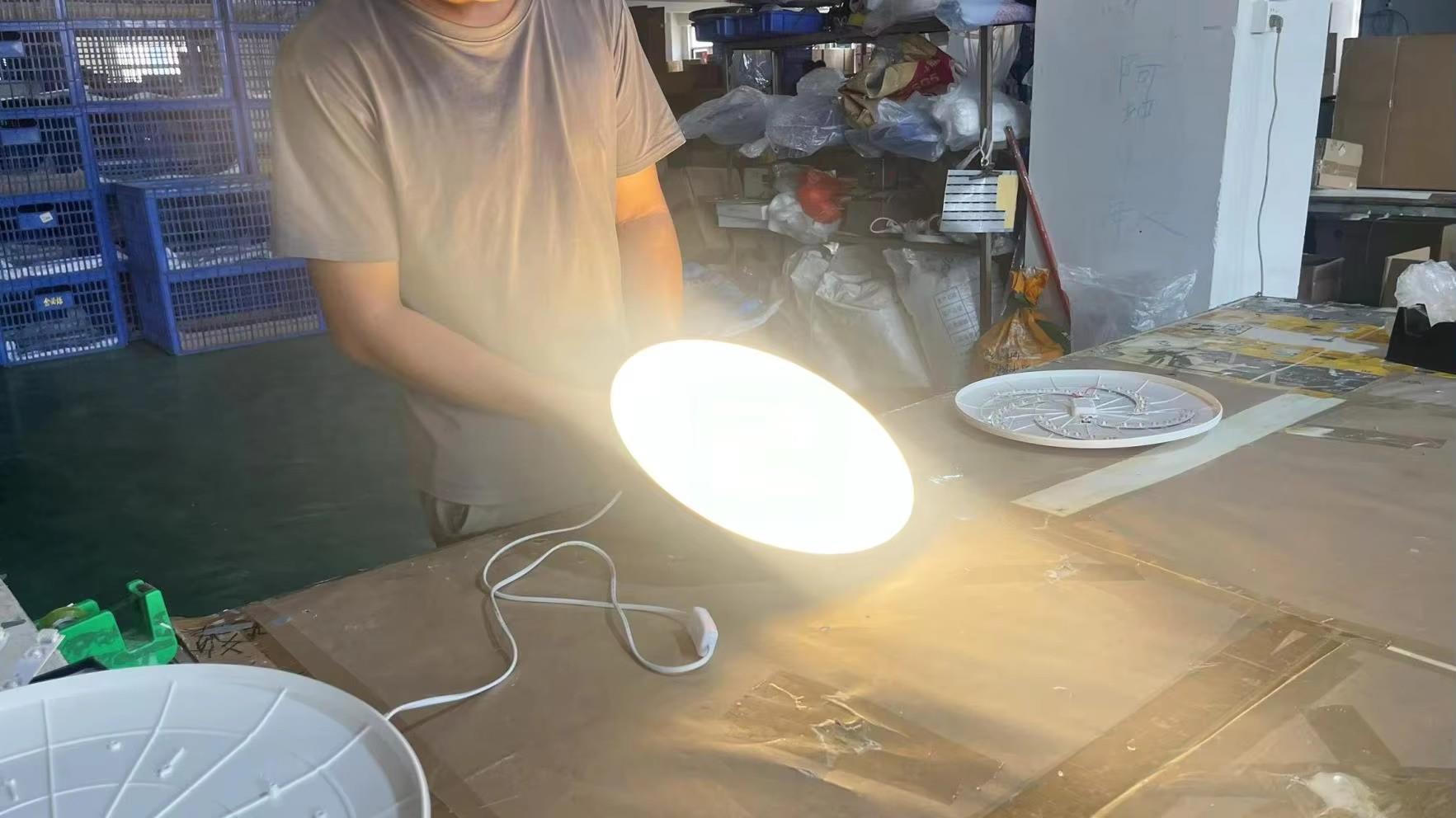
Our products undergo multiple testing phases, including photometric evaluation, high-voltage insulation tests, and continuous thermal aging cycles. This ensures that every shipped item complies with international certifications like ETL, CE, and RoHS.
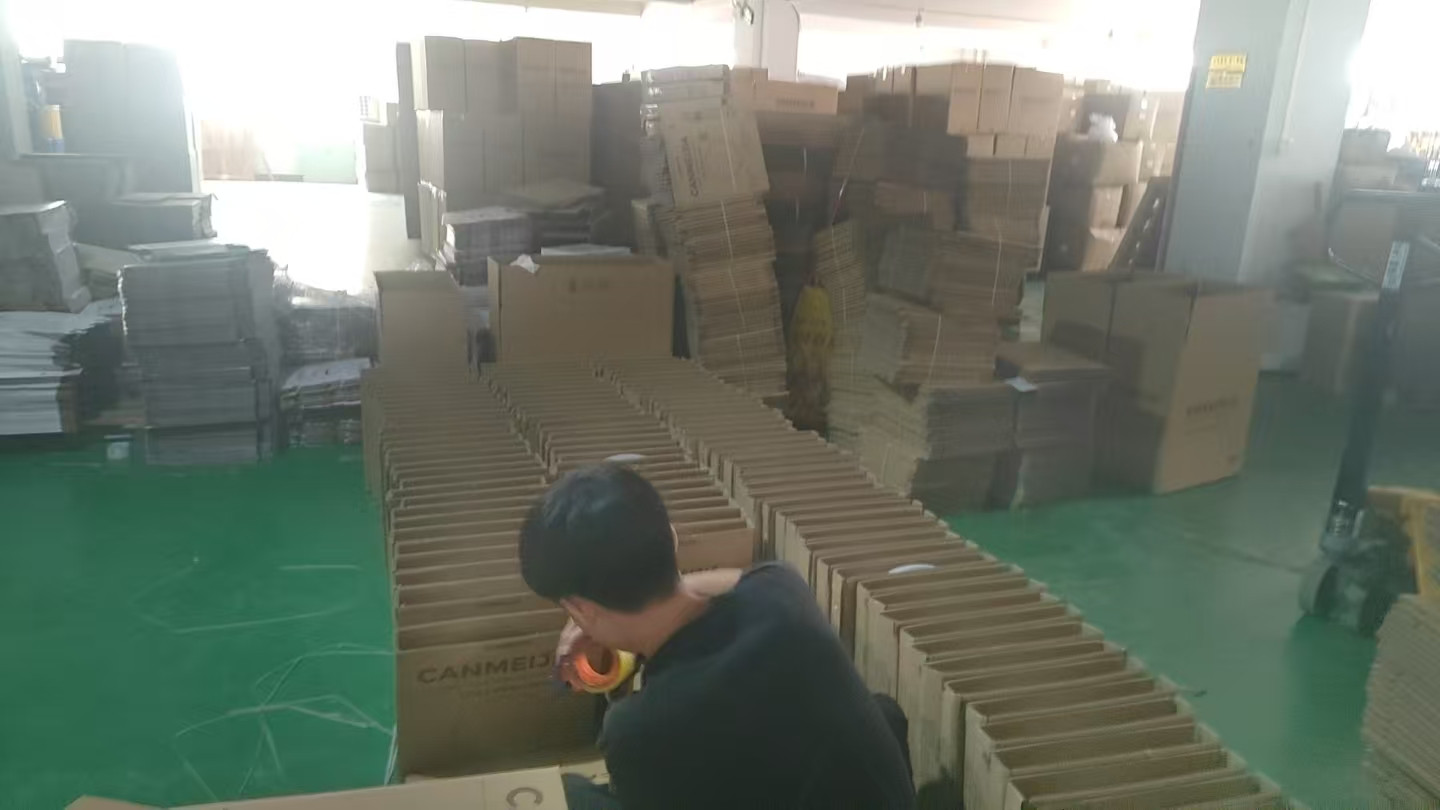
We work with brand owners, wholesalers, and contractors to customize aluminum profile lengths, LED strip densities, CCT options, and sensor layouts. Custom packaging and labeling are tailored to target markets.
A look inside our automated assembly, testing, and packaging facilities in Dongguan, China.
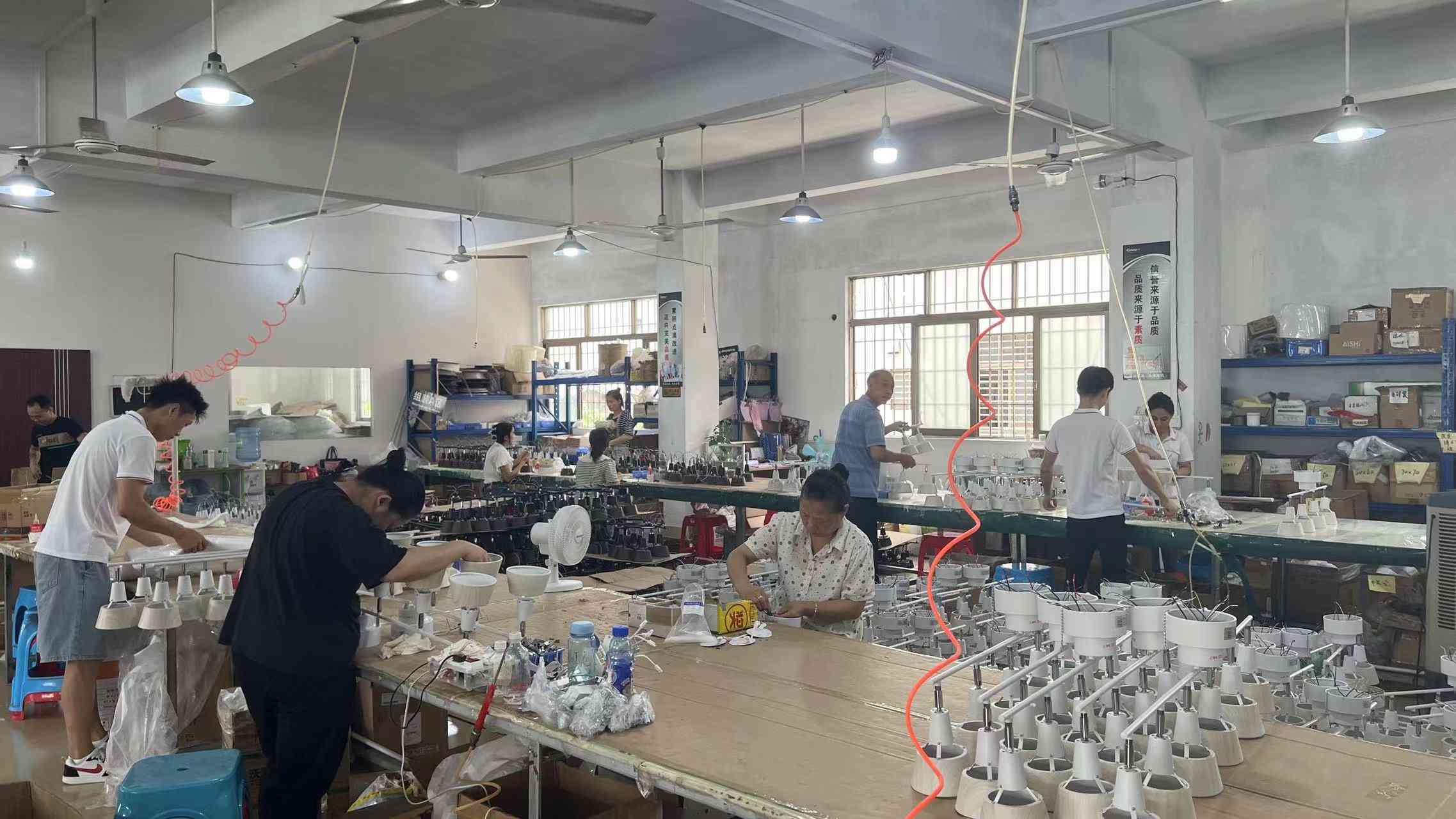
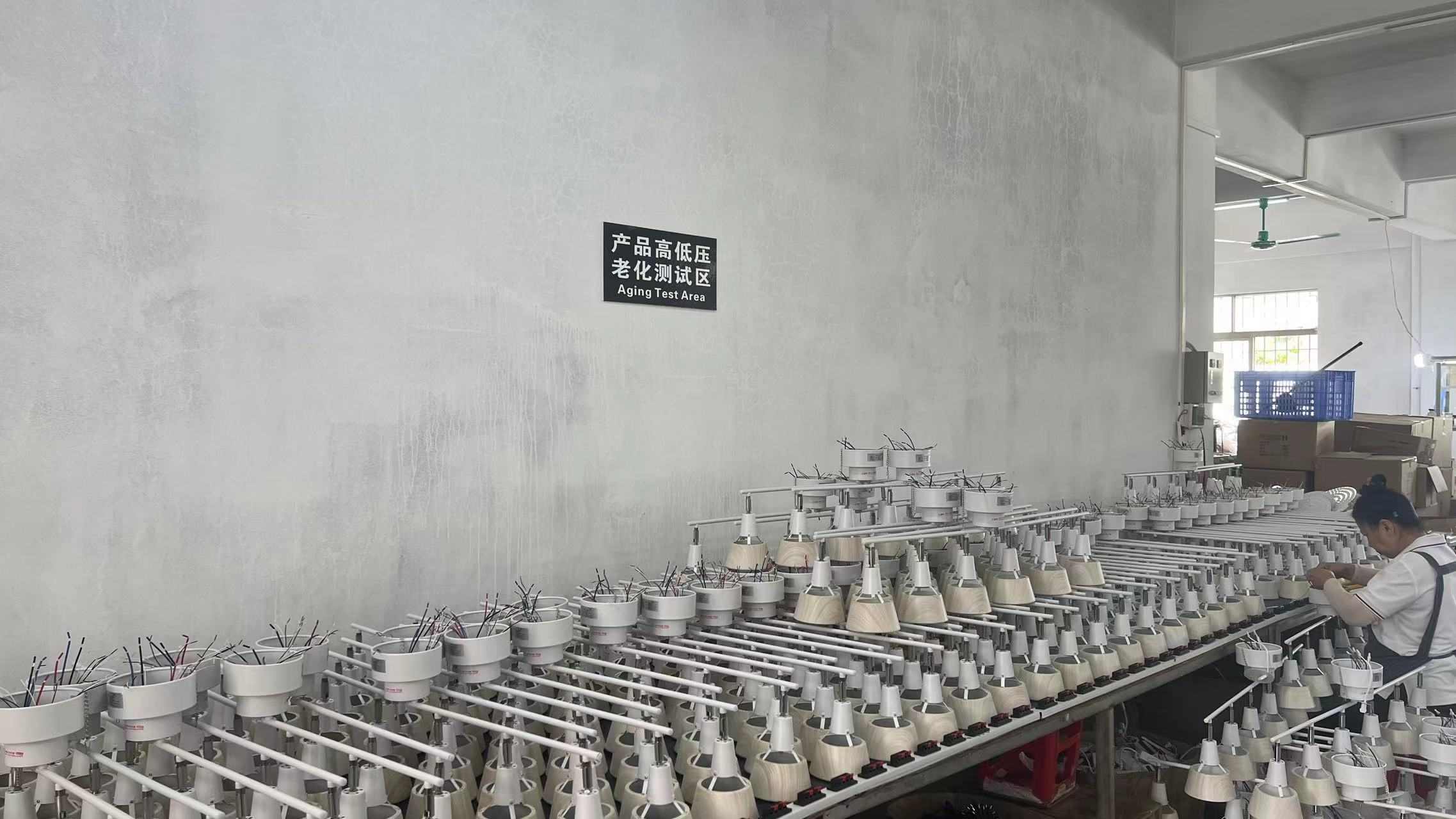
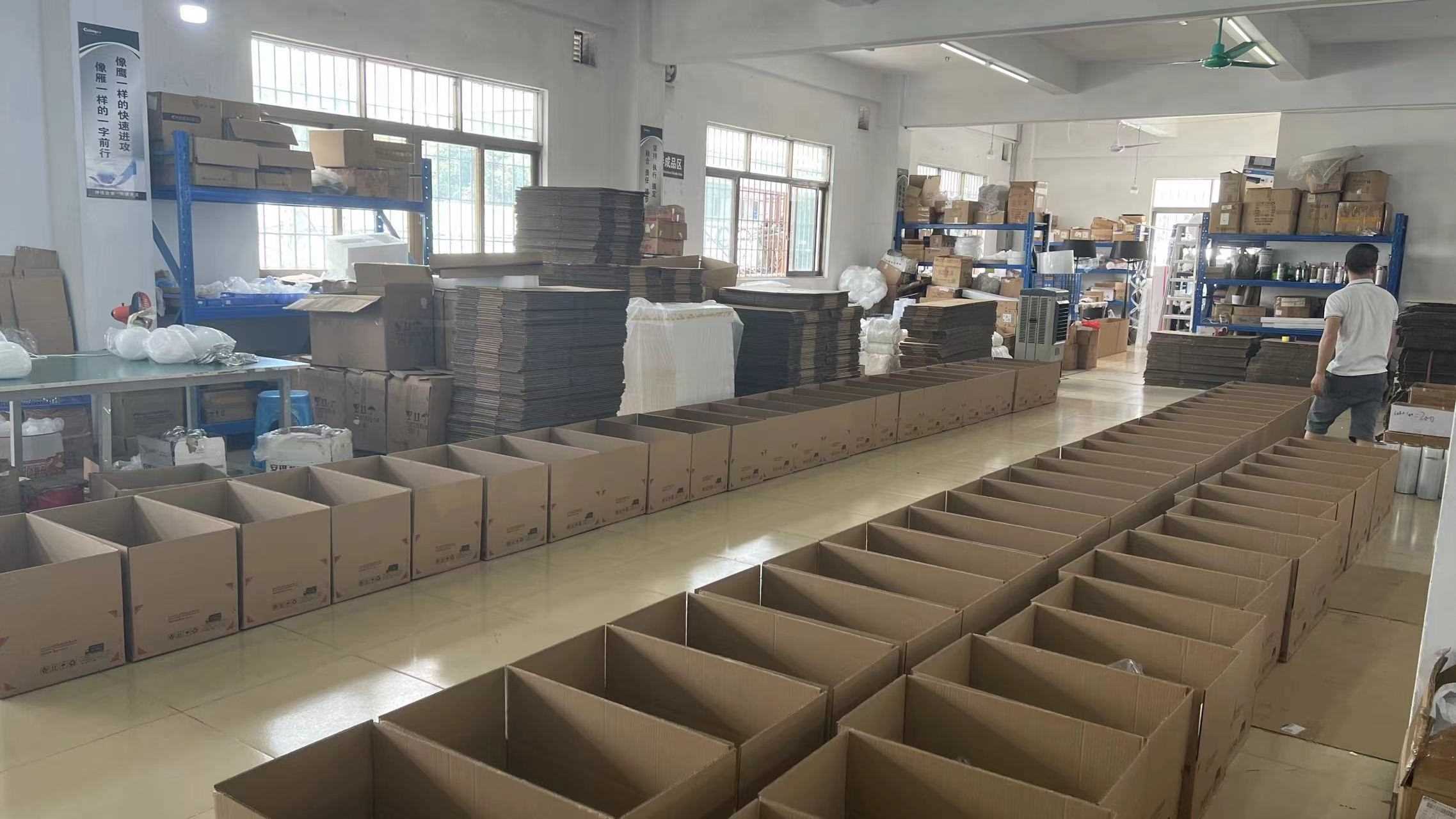
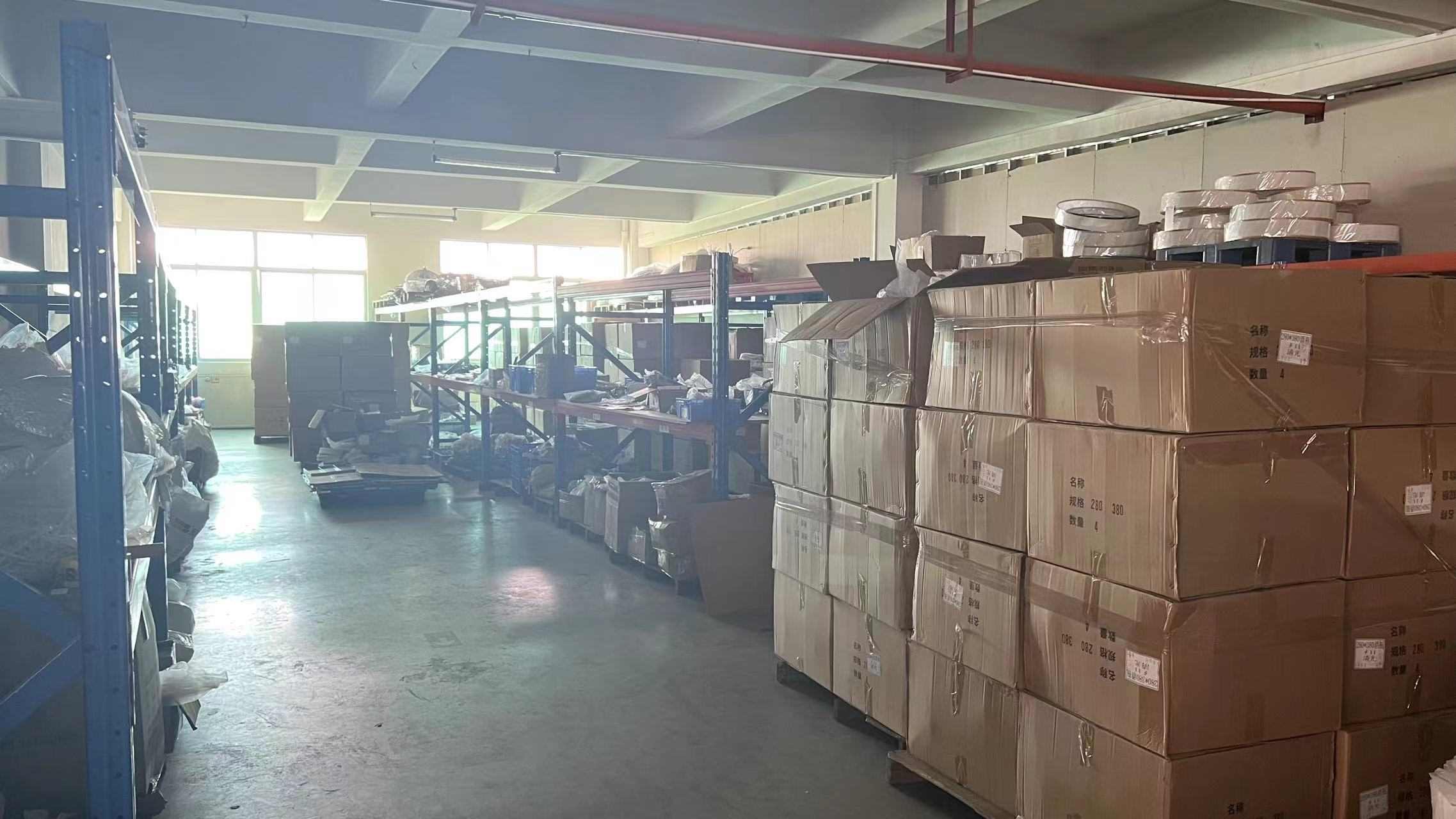
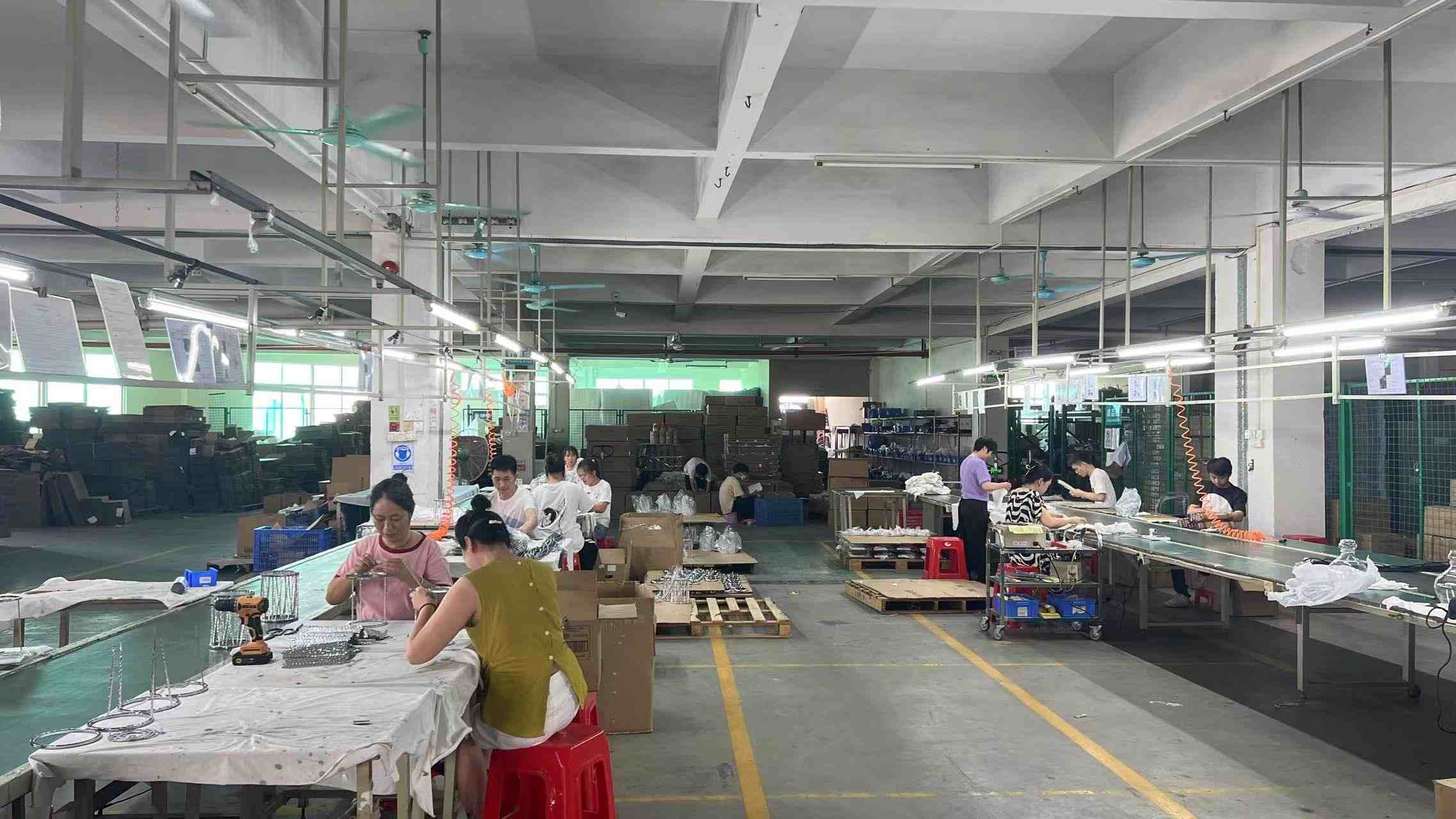
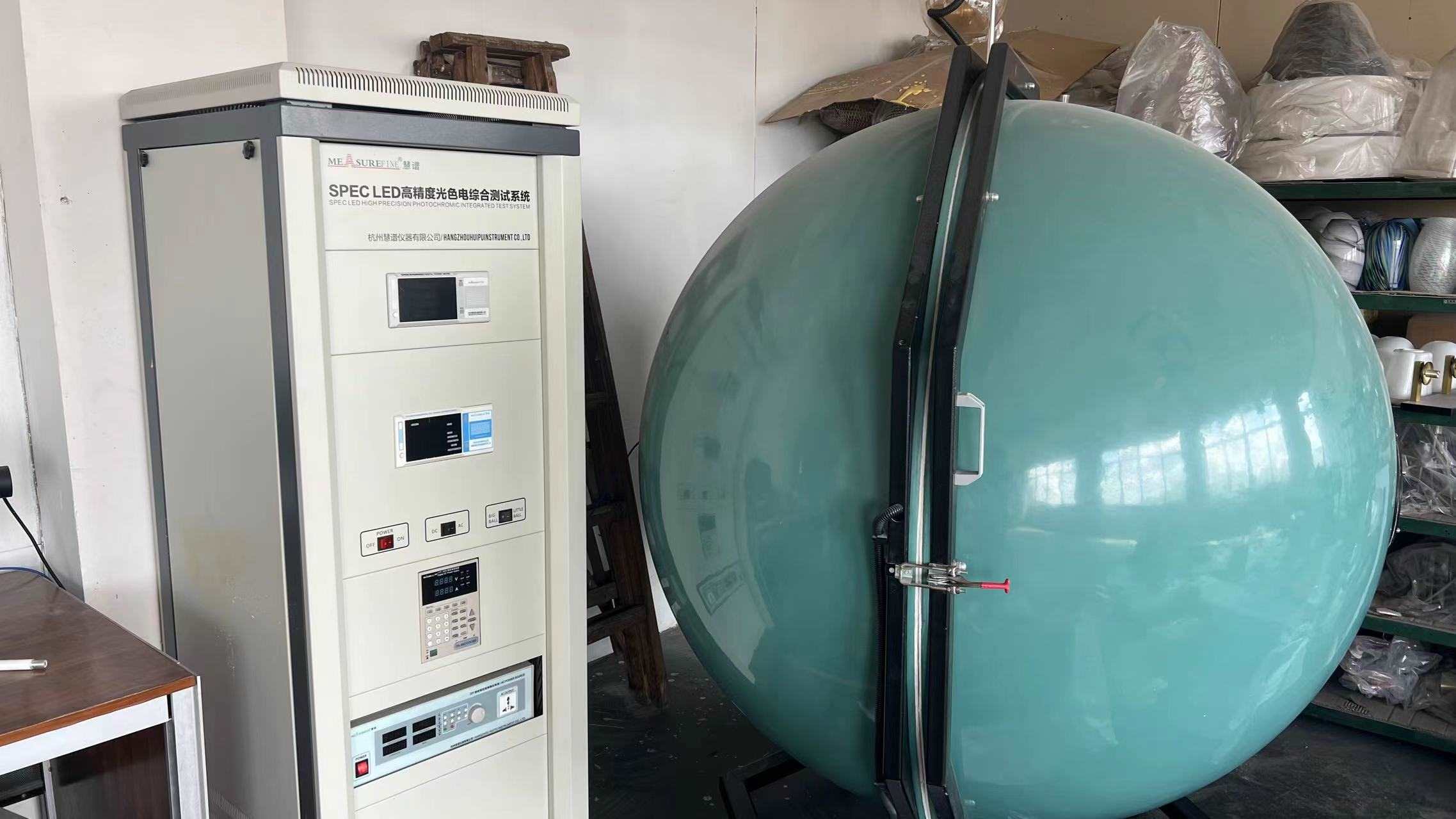
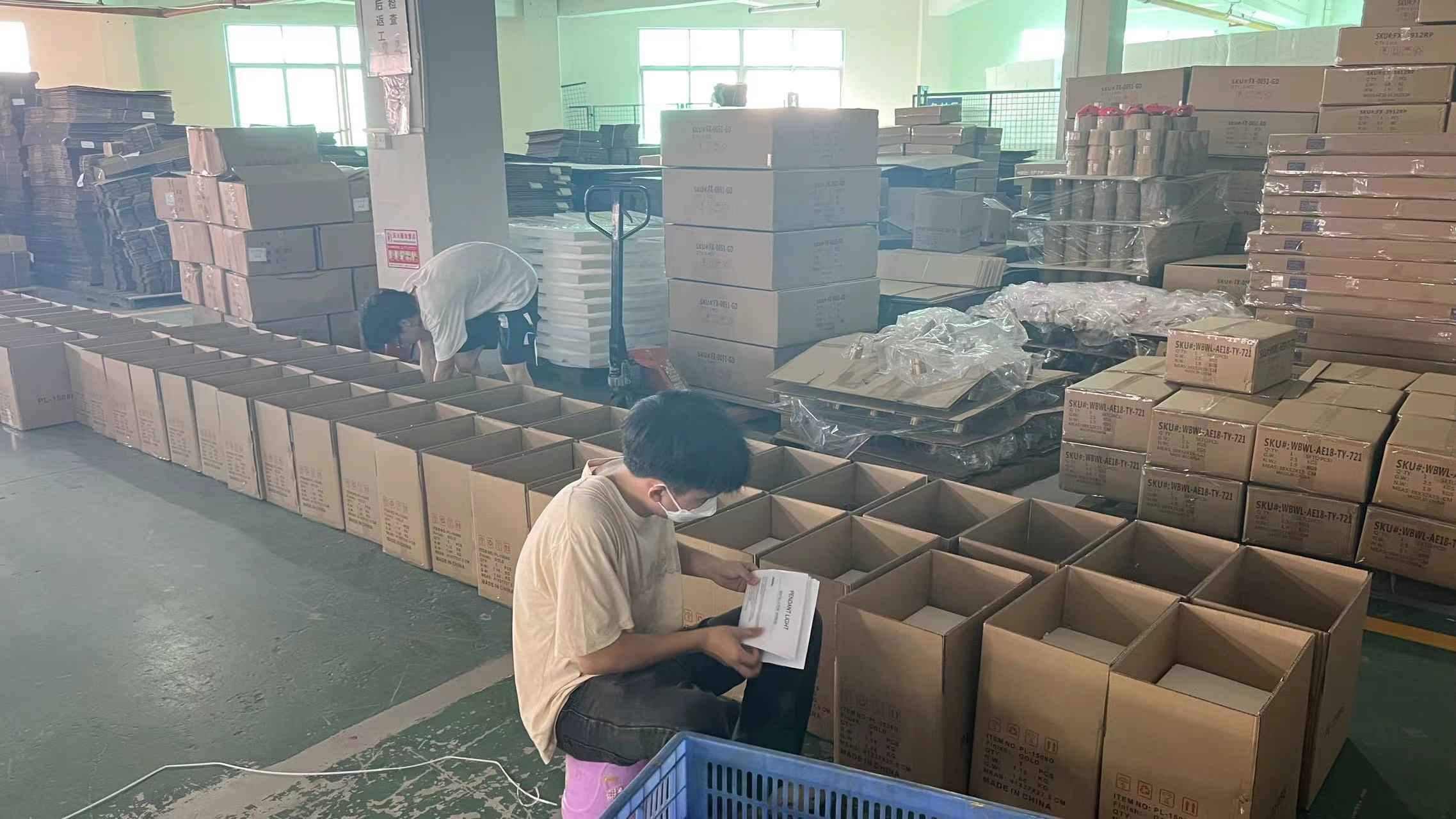
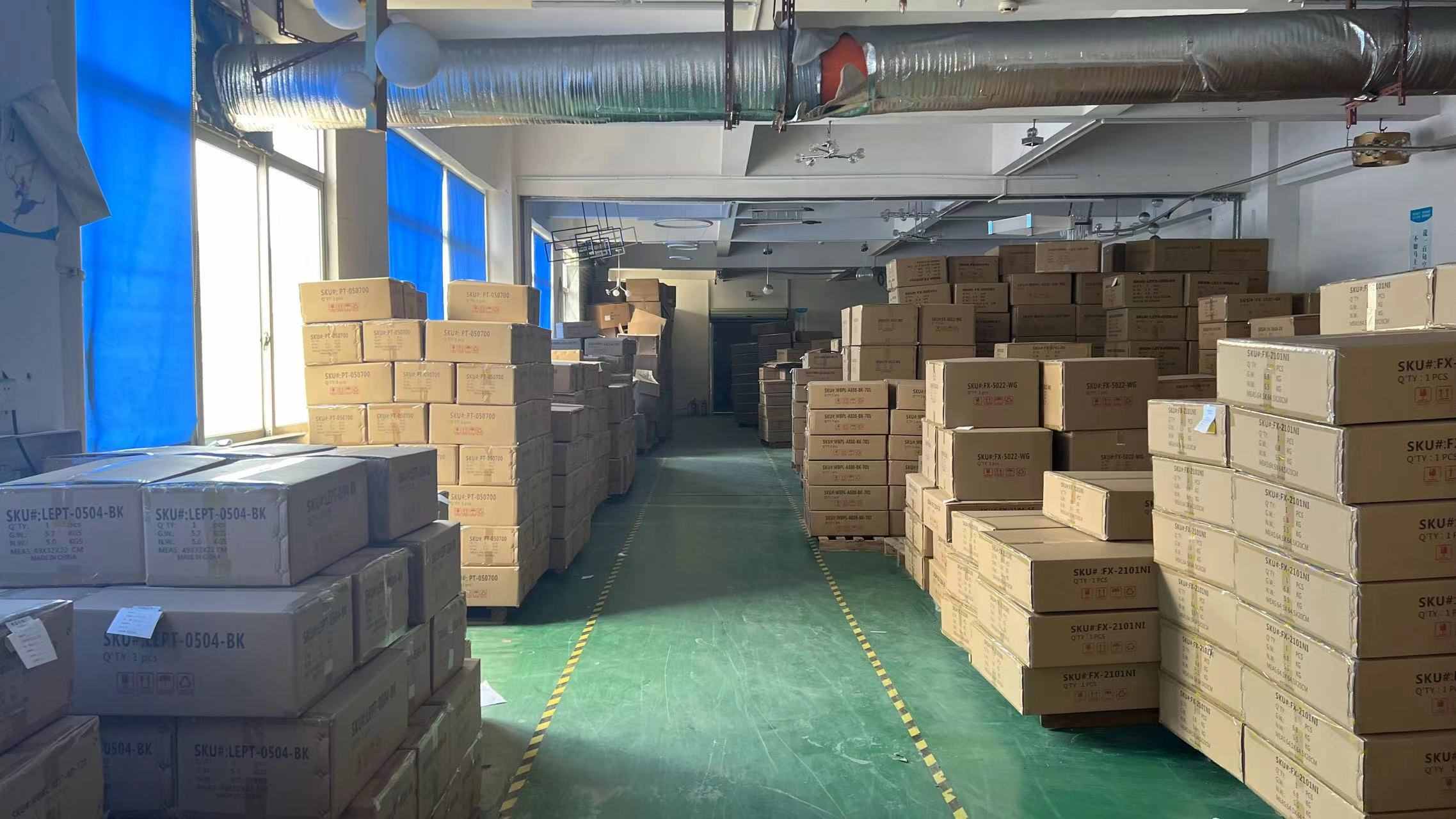
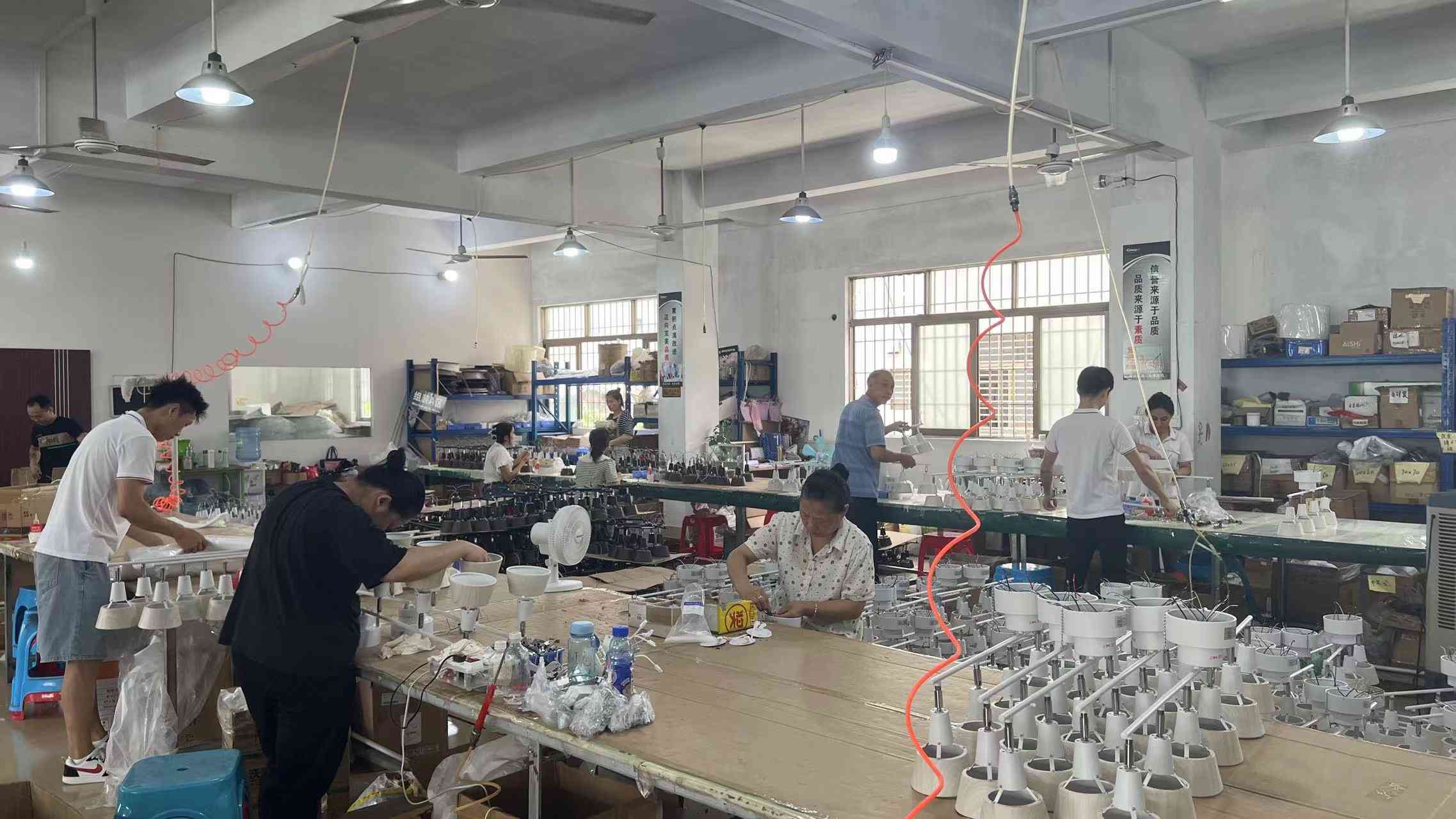
How our cabinet lighting fixtures solve functional and design challenges in key South African contexts.
South African residential designs favor spacious, open-plan kitchens with clean lines. Recessed aluminum profiles paired with 24V COB LED light strips provide continuous illumination along marble counters without visible points of light. Sensor-controlled switches prevent contact with clean surfaces.
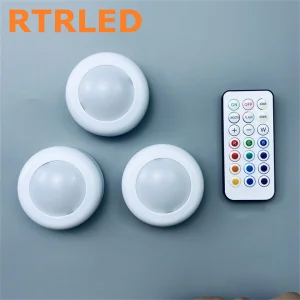
Jewelry and high-value product displays require bright lighting that does not generate excess heat. Our low-voltage magnetic track systems allow retailers to position mini pucks or linear spotlights along the track without tools, maintaining optimal display illumination.
For wardrobe areas during power outages, wireless LED lights with built-in lithium-ion batteries and PIR motion sensors provide autonomous light. They adhere magnetically to mounting plates and can be removed for recharging via USB or used as temporary emergency light sources.
Practical answers for importers, contractors, and retail buyers in the Southern African Development Community (SADC) region.
High-performance under-cabinet fixtures, puck systems, and linear lighting channels.
Get in touch with our engineering team for customized profiles, electrical safety compliance parameters, load-shedding backup optimization options, and SADC shipping schedules.