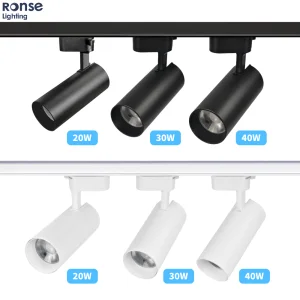
High-efficiency architectural spotlight solutions customized to meet Japan's strict spatial and energy efficiency demands.
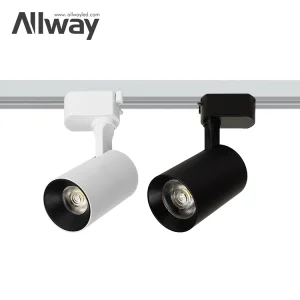
Japan's architectural lighting market is globally recognized for its uncompromising pursuit of precision, energy efficiency, and minimalist design. From the high-end retail districts of Ginza and Omotesando to industrial facilities in Osaka and historical hospitality structures in Kyoto, the demand for sophisticated spotlight solutions has never been higher. Japanese commercial and residential spaces present unique challenges, such as tight spatial limits, strict energy consumption caps under national environmental policies, and specific color-rendering indexes designed to complement traditional aesthetic values.
Local Japanese spotlight manufacturers, such as Endo Lighting, Panasonic, and Toshiba, have established a robust presence by focusing on high-quality optical components, reliable drivers, and integrated smart control systems. However, as international B2B buyers and construction developers seek to balance rising material costs with stringent quality benchmarks, understanding the local commercial landscape becomes essential. High-performance COB (Chip-on-Board) LEDs, advanced narrow-beam angles, and miniature fixtures that blend seamlessly into architectural features are key growth drivers in this market.
To succeed in Japan's architectural lighting space, modern spotlight solutions must achieve a delicate balance: providing high luminous efficacy while maintaining high color fidelity (CRI/Ra > 90) and meeting strict local compliance. The market is shifting from generic illumination to Human Centric Lighting (HCL) and semantic-aware smart systems that respond dynamically to human presence and natural circadian rhythms.
For global enterprises sourcing spotlights for the Japanese market, compliance is the single most critical factor. Japan enforces independent, localized electrical safety and quality standards that differ significantly from European (CE) or North American (UL/ETL) frameworks.
The primary legal framework is the Electrical Appliance and Material Safety Act (DENAN), administered by the Ministry of Economy, Trade and Industry (METI). Under this act, LED luminaires and drivers are categorized under specific safety regimes. Spotlights with integrated drivers or standalone external LED drivers must carry the PSE Mark (Product Safety Electrical Appliance & Material) to be legally sold and installed in Japan.
| Regulatory Code / Standard | Target Parameters | Detailed Compliance Requirement for Spotlights |
|---|---|---|
| PSE (Diamond/Circle) | Electrical Safety & Insulation | Mandatory registration under the DENAN Law. Requires rigorous testing of creepage distances, thermal insulation under abnormal operations, and dielectric strength. |
| JIS C 8105 Series | General Luminaire Construction | Governs optical properties, IP rating validation, thermal management under recessed configurations, and structural integrity during seismic events. |
| VCCI / CISPR 15 | Electromagnetic Interference (EMI) | Restricts RF emission limits for LED electronic drivers to prevent interference with wireless medical devices and communication networks. |
| JIS Z 9110 | Recommended Lighting Levels | Specifies lux thresholds, Unified Glare Ratings (UGR), and lighting uniformity guidelines across Japanese offices, public spaces, and industrial environments. |
Additionally, seismic safety is an essential design consideration for Japanese commercial lighting. The Japanese Industrial Standards (JIS) specify safety wire mechanisms and mechanical interlocking clips for recessed downlights and track spotlight assemblies to prevent fixtures from falling during earthquakes. When partnering with a global manufacturer, ensure their engineering team has experience designing these specific physical mounting mechanisms.
While Japan possesses highly advanced domestic design capabilities, the rising costs of raw materials and limited local capacity have led many developers to adopt a hybrid supply chain model. Sourcing high-performance spotlights directly from established manufacturing hubs in China—such as Dongguan and Shenzhen—and importing them to Japan has become a highly successful strategy for global buyers.
Dongguan's manufacturing ecosystems provide unmatched supply chain depth. From raw aluminum extrusion and precision CNC machining of heat sinks to high-precision SMT (Surface Mount Technology) LED placing, automated assembly, and testing lines, the entire production loop is consolidated within a small geographic area. This proximity enables rapid prototyping, rigorous quality assurance, and significant cost savings.
By combining China’s manufacturing capacity with Japan's strict quality standards, buyers receive the best of both worlds: Japanese-standard reliability paired with highly competitive production costs. This approach provides key advantages, including:
Modify beam angles, customize housing finishes (such as textured white, matte black, or brushed bronze), and select specific LED driver protocols (DALI-2, 0-10V, Triac) tailored to the project requirements.
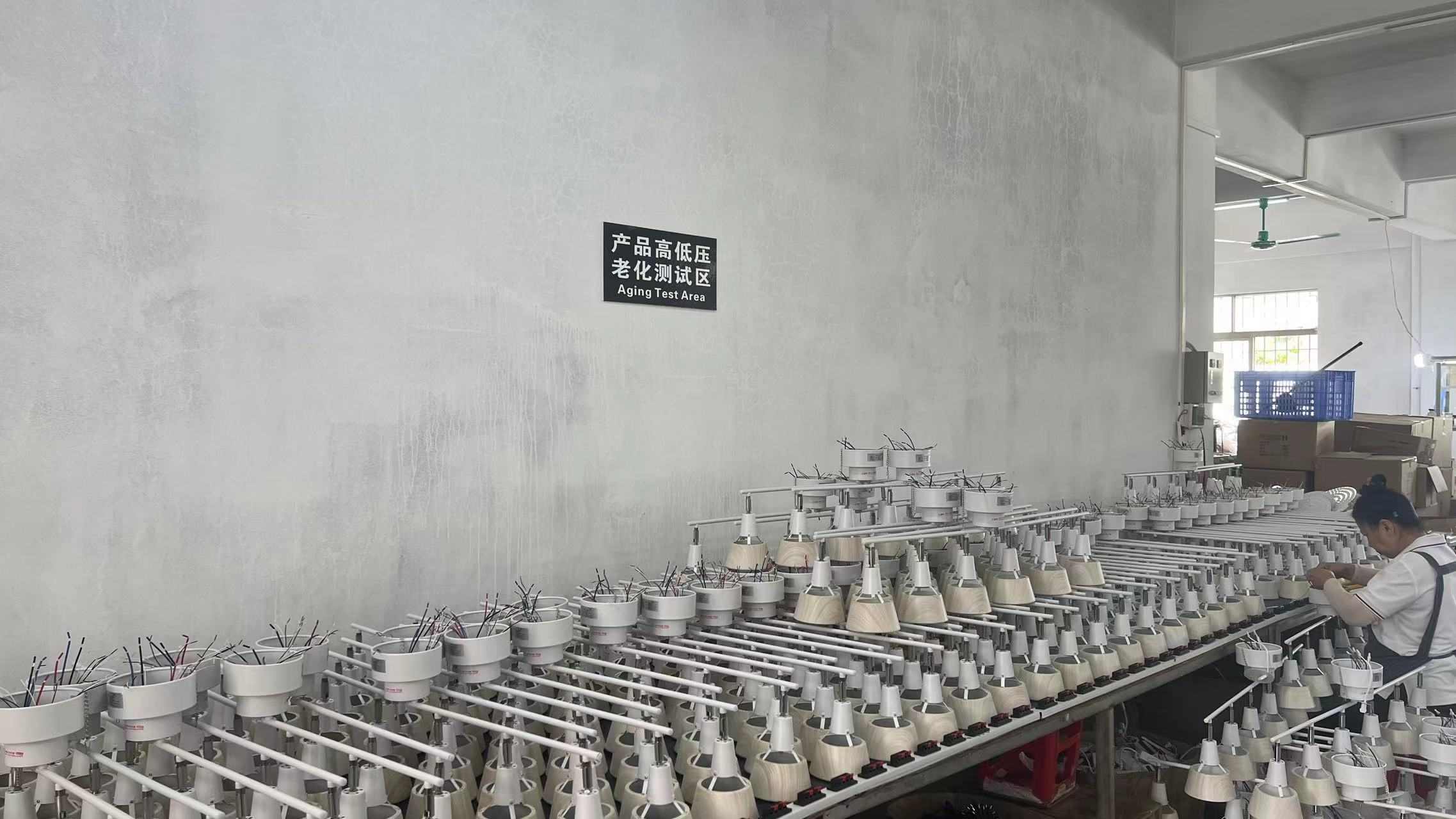
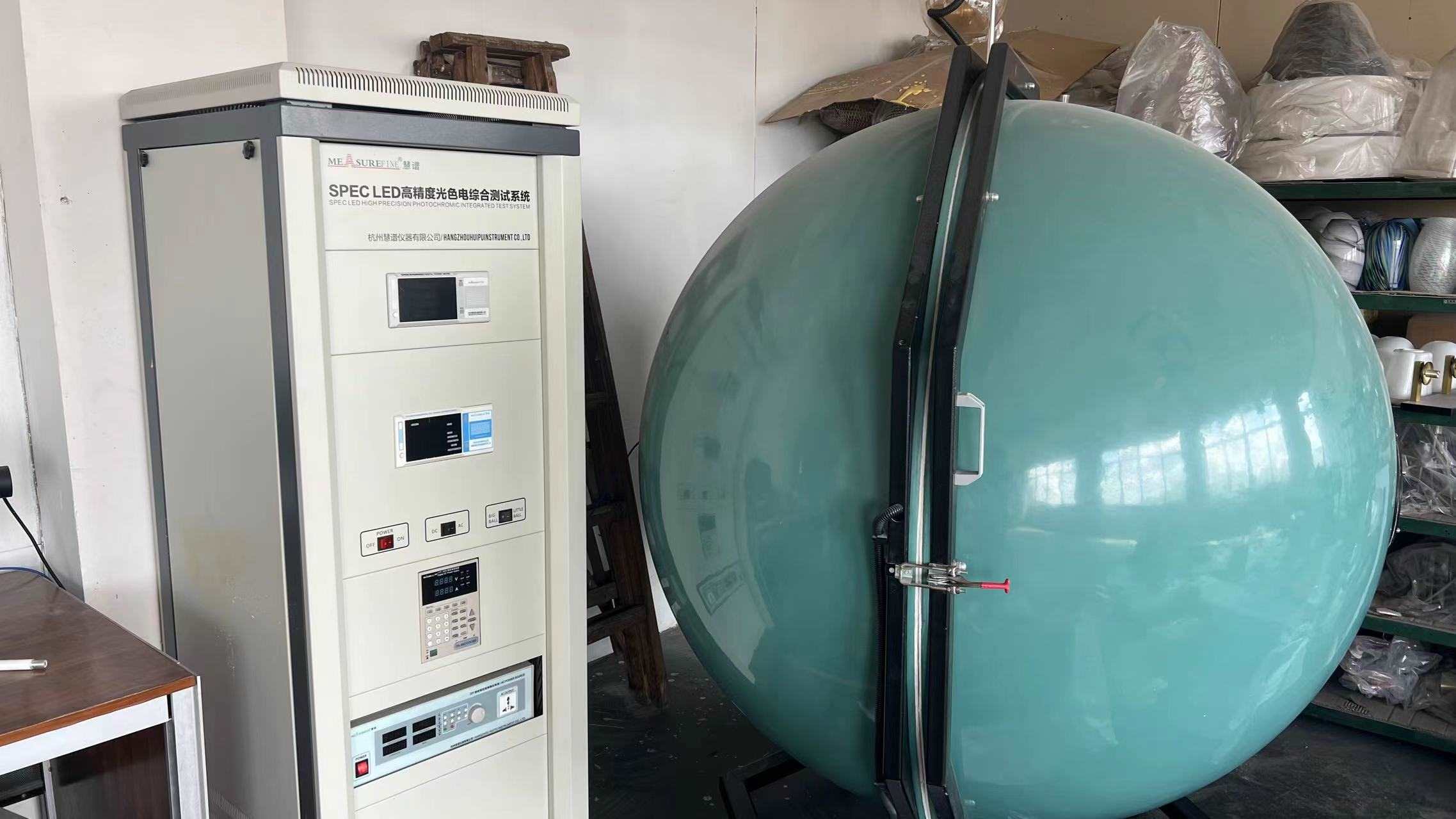
Advanced testing laboratories conduct comprehensive thermal testing under simulated Japanese environmental conditions, high-pot isolation tests, and automated aging routines.
Proximity to Shenzhen and Guangzhou ports enables fast, direct shipping to Japanese ports like Tokyo, Yokohama, Osaka, and Kobe, reducing overall lead times.
Evaluating supplier data sheets goes beyond comparing basic wattage and price. Experienced procurement managers focus on a range of advanced performance metrics:
While a standard Color Rendering Index (CRI/Ra) of 80 is acceptable for basic utility spaces, Japanese commercial projects typically require an Ra of 90 or higher. Additionally, the R9 value (which measures saturated red rendering) is critical. In hospitality and retail, an R9 score above 50 is recommended to prevent skin tones and food from appearing pale. The newer TM-30-15 standard, which uses Fidelity (Rf) and Gamut (Rg) indexes, provides a more comprehensive evaluation of color quality.
High-frequency flickering can cause eye strain, fatigue, and visible interference on security cameras or smartphone screens. To prevent this, LED spotlights must use high-quality drivers with a modulation ripple of less than 1%. Drivers must also feature built-in protection against thermal overload, overcurrent, and voltage surges common in industrial environments.
An LED's lifespan and color consistency are directly linked to its operating temperature. Reliable spotlights utilize premium 6063 die-cast aluminum heat sinks. Proper thermal management keeps the junction temperature of the LED chip well below its maximum threshold, protecting against early lumen degradation and color shifting over time.
Since 2002, delivering high-performance LED spotlight systems and comprehensive OEM/ODM solutions to Japanese and international markets.
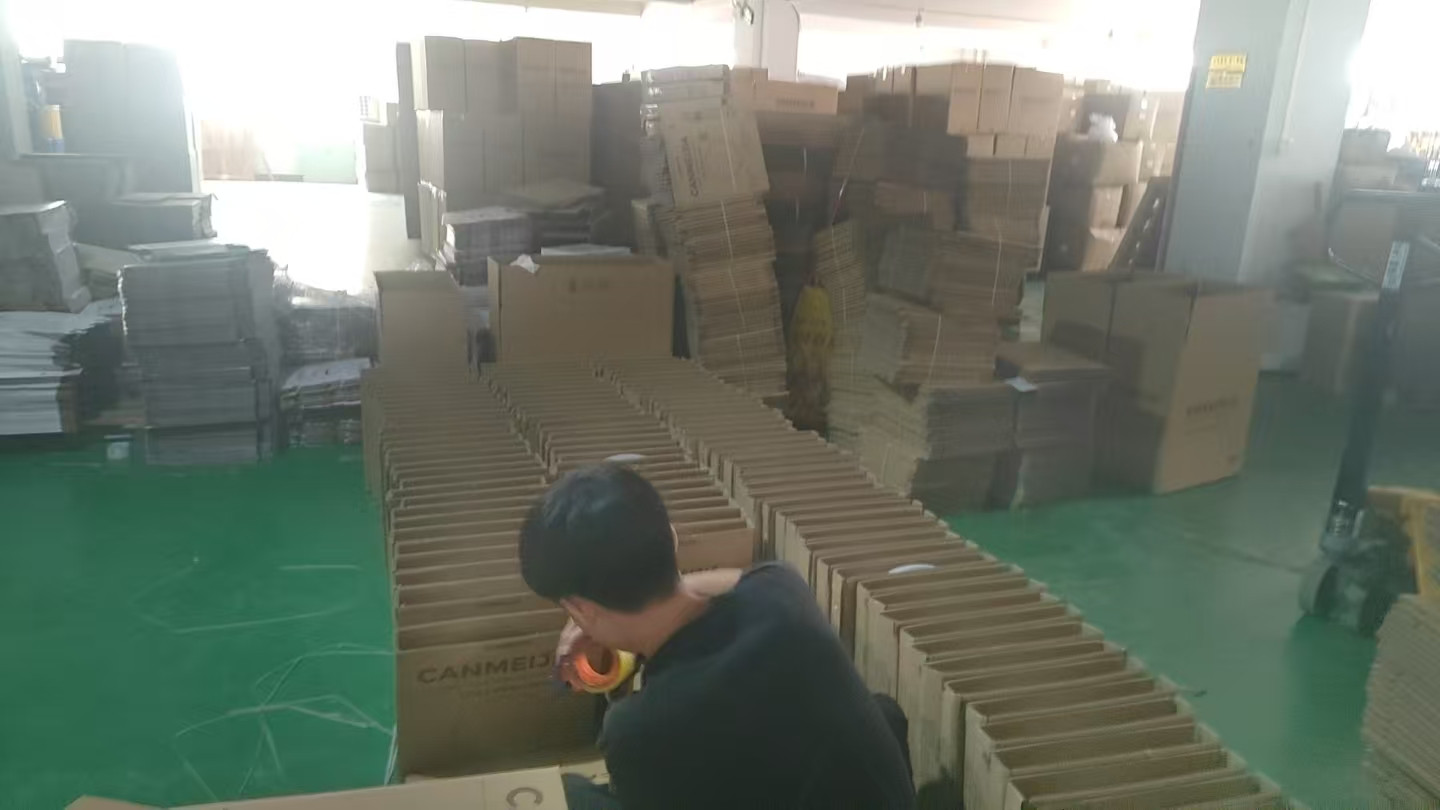
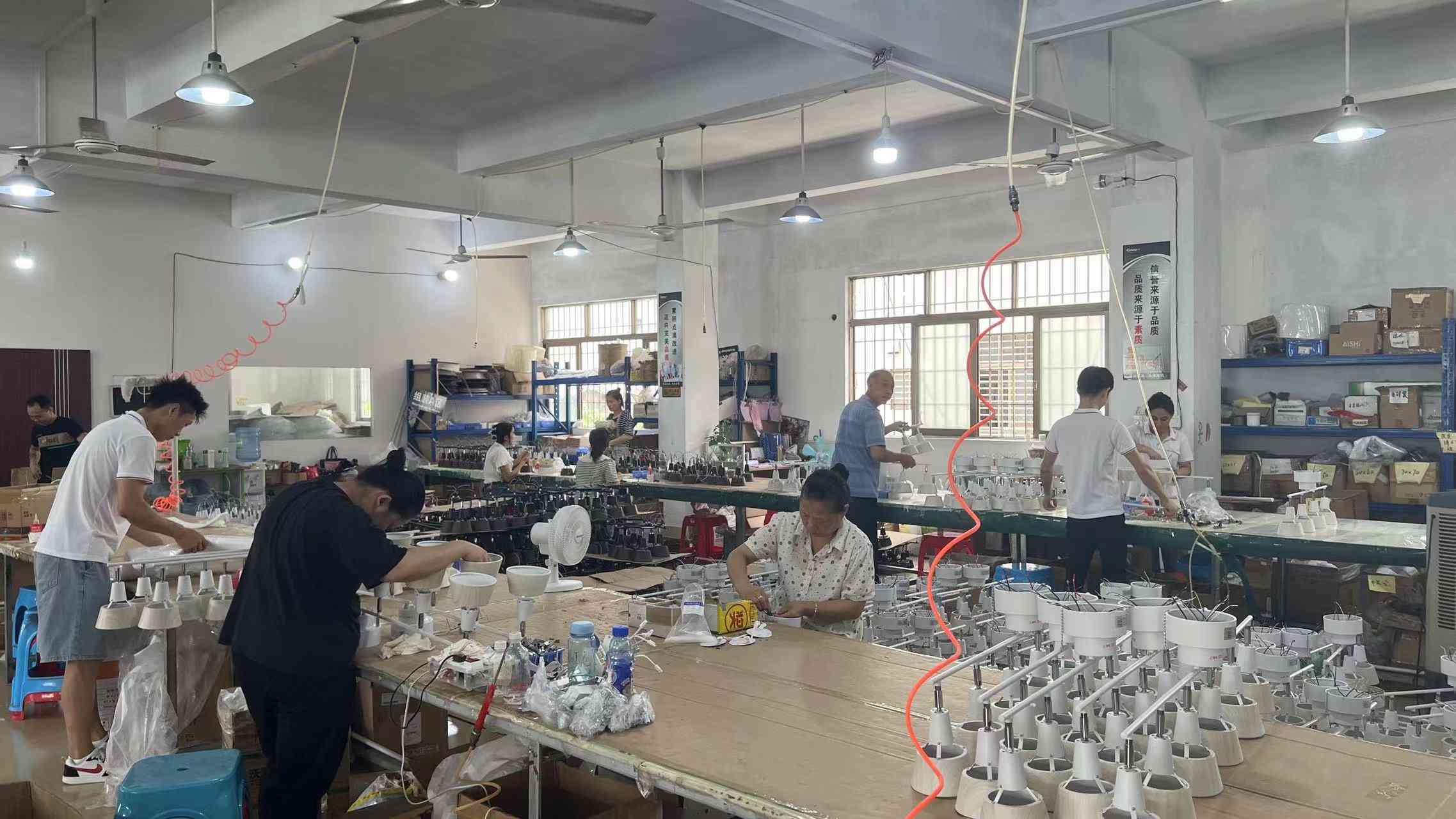
Dongguan CLC Lighting Co., Ltd. is a professional lighting manufacturer dedicated to providing high-quality lighting products and comprehensive lighting solutions to customers worldwide. Since entering the lighting industry in 2002, we have continuously expanded our product portfolio and strengthened our manufacturing capabilities through innovation, advanced technology, and strict quality management.
Starting as a manufacturer specializing in incandescent bulbs, halogen lamps, and CFL energy-saving lamps, CLC Lighting has successfully transformed into a modern lighting enterprise with a strong focus on LED lighting. Today, we offer a wide range of lighting products for residential, commercial, decorative, and industrial applications, serving customers across Europe, North America, South America, the Middle East, Southeast Asia, and other global markets.
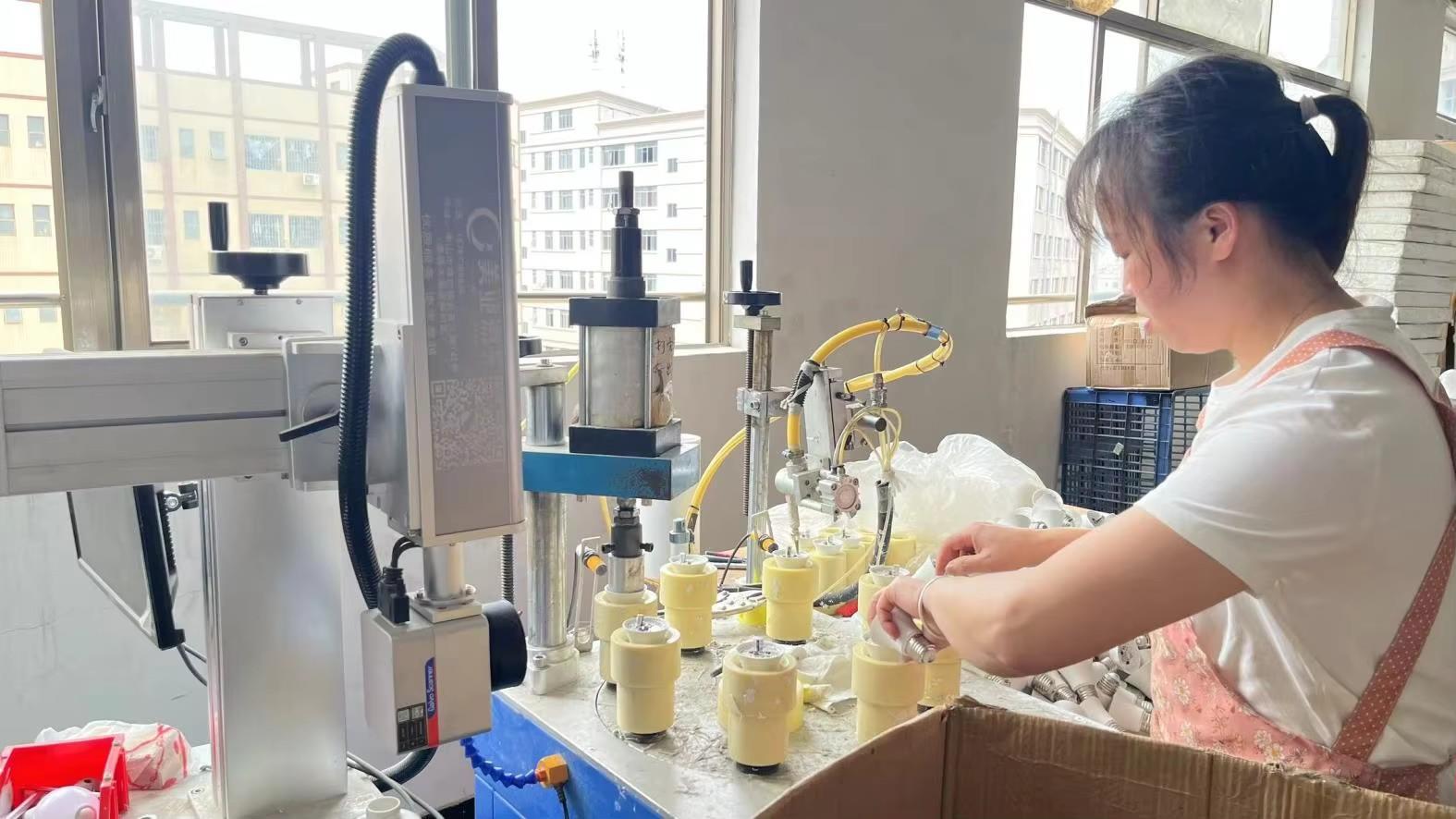
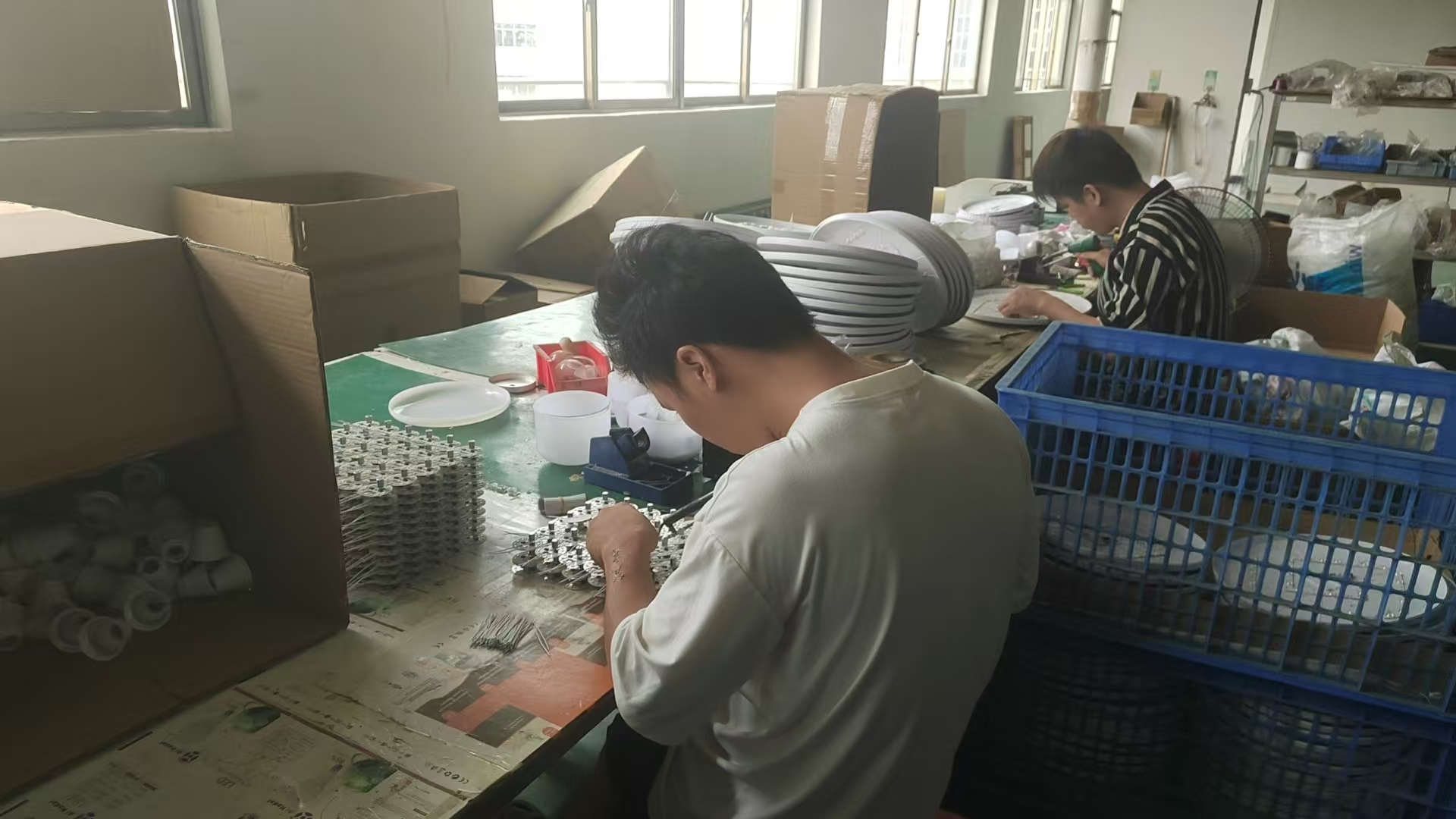
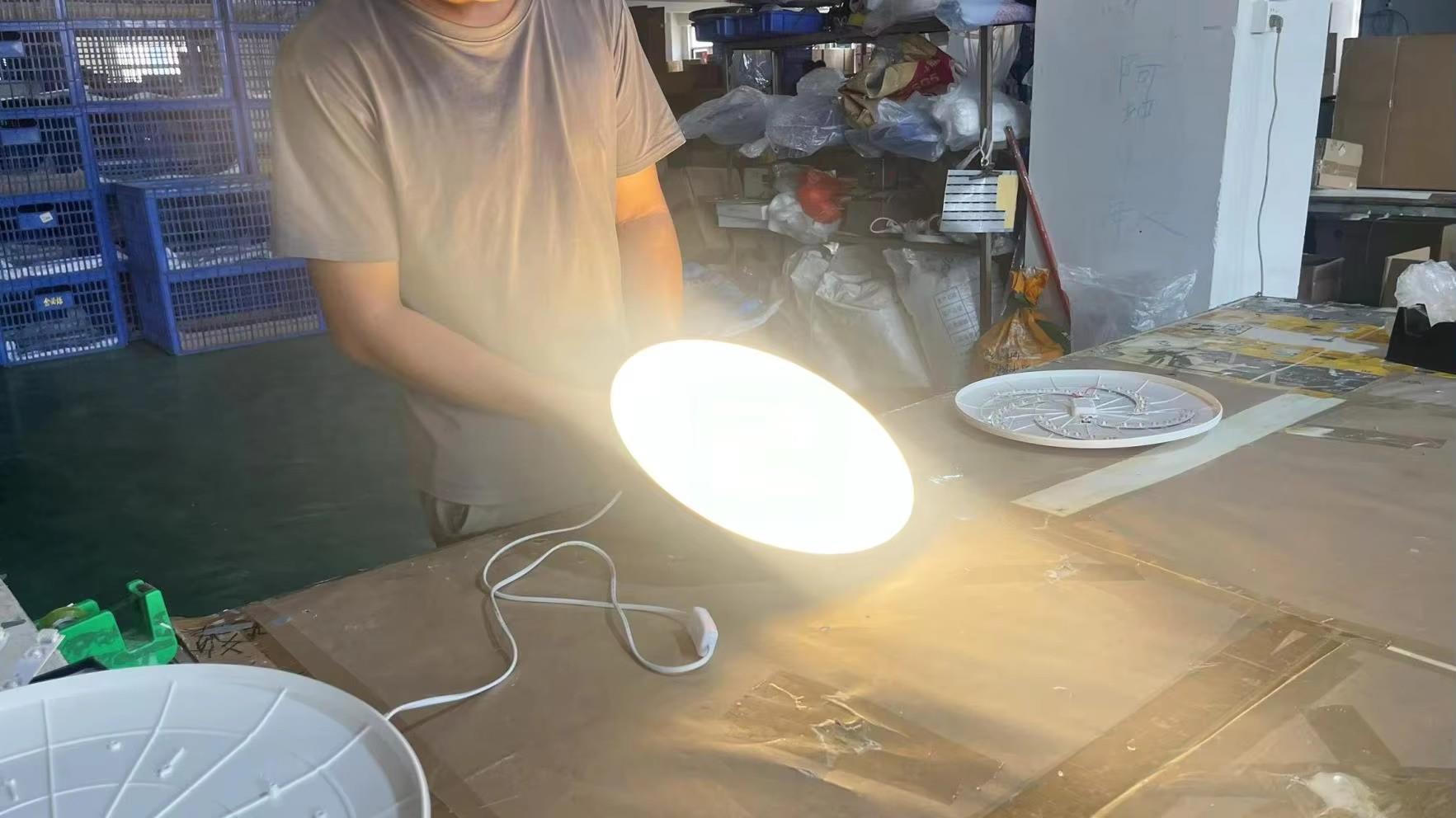
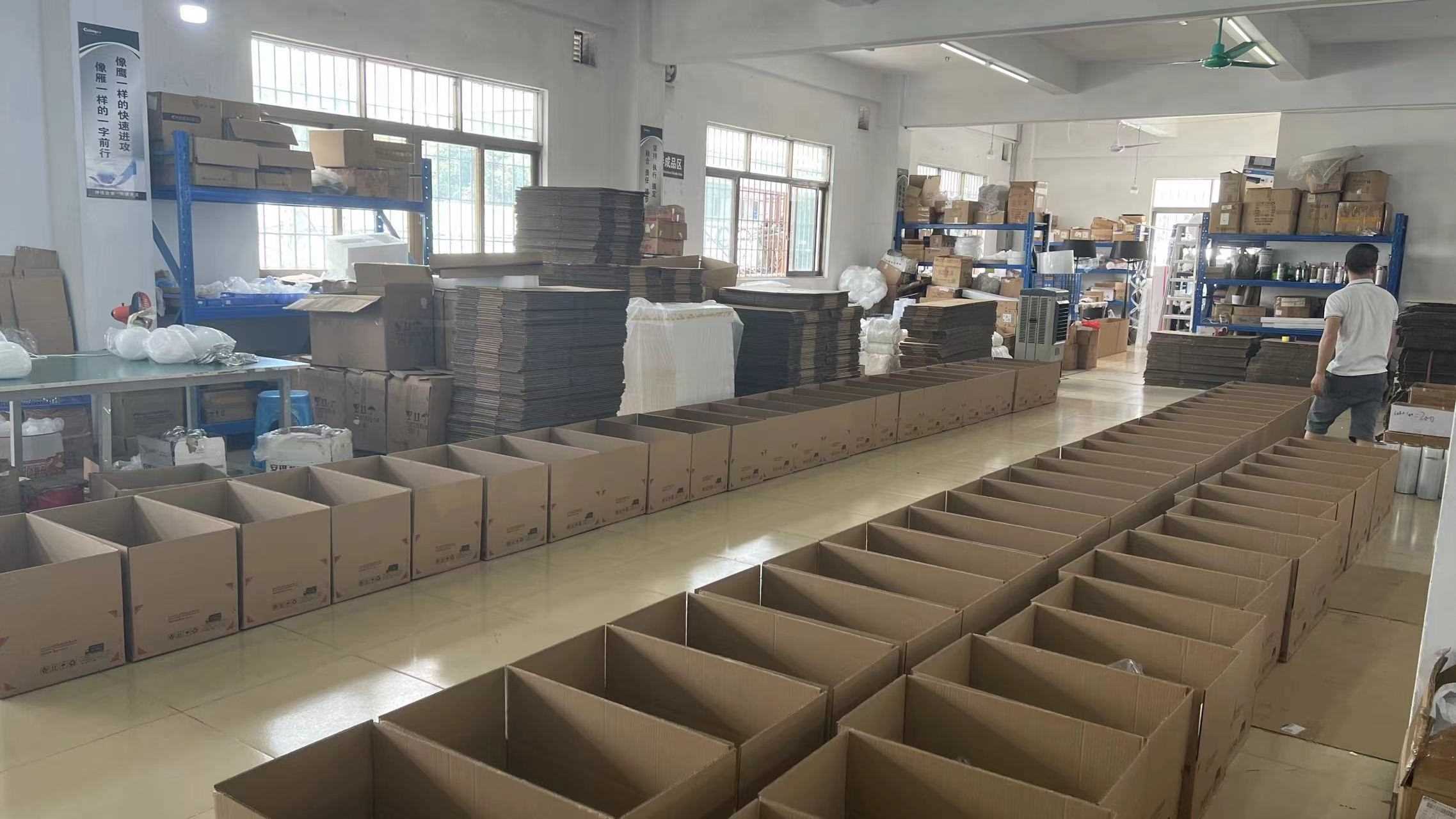
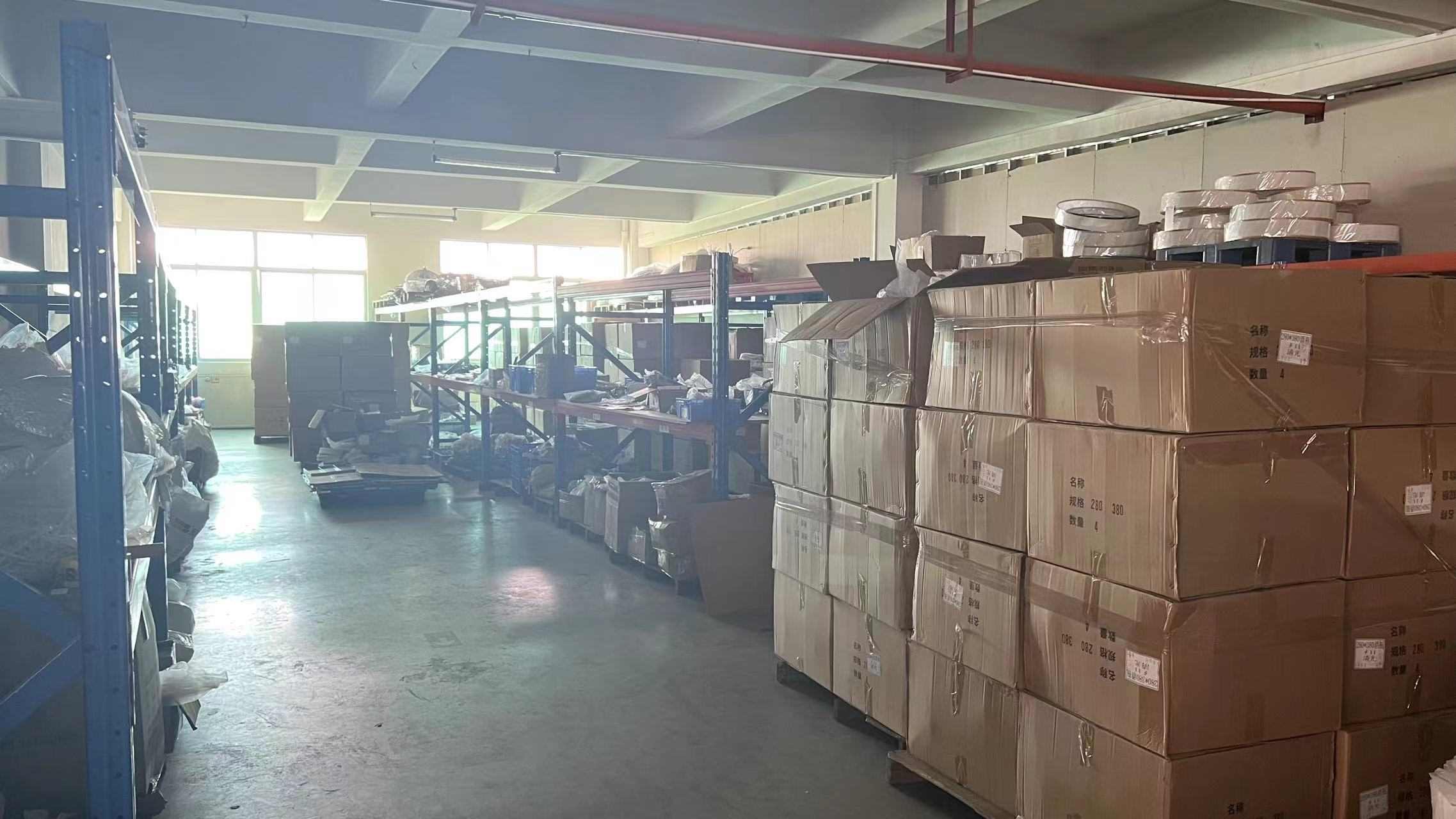
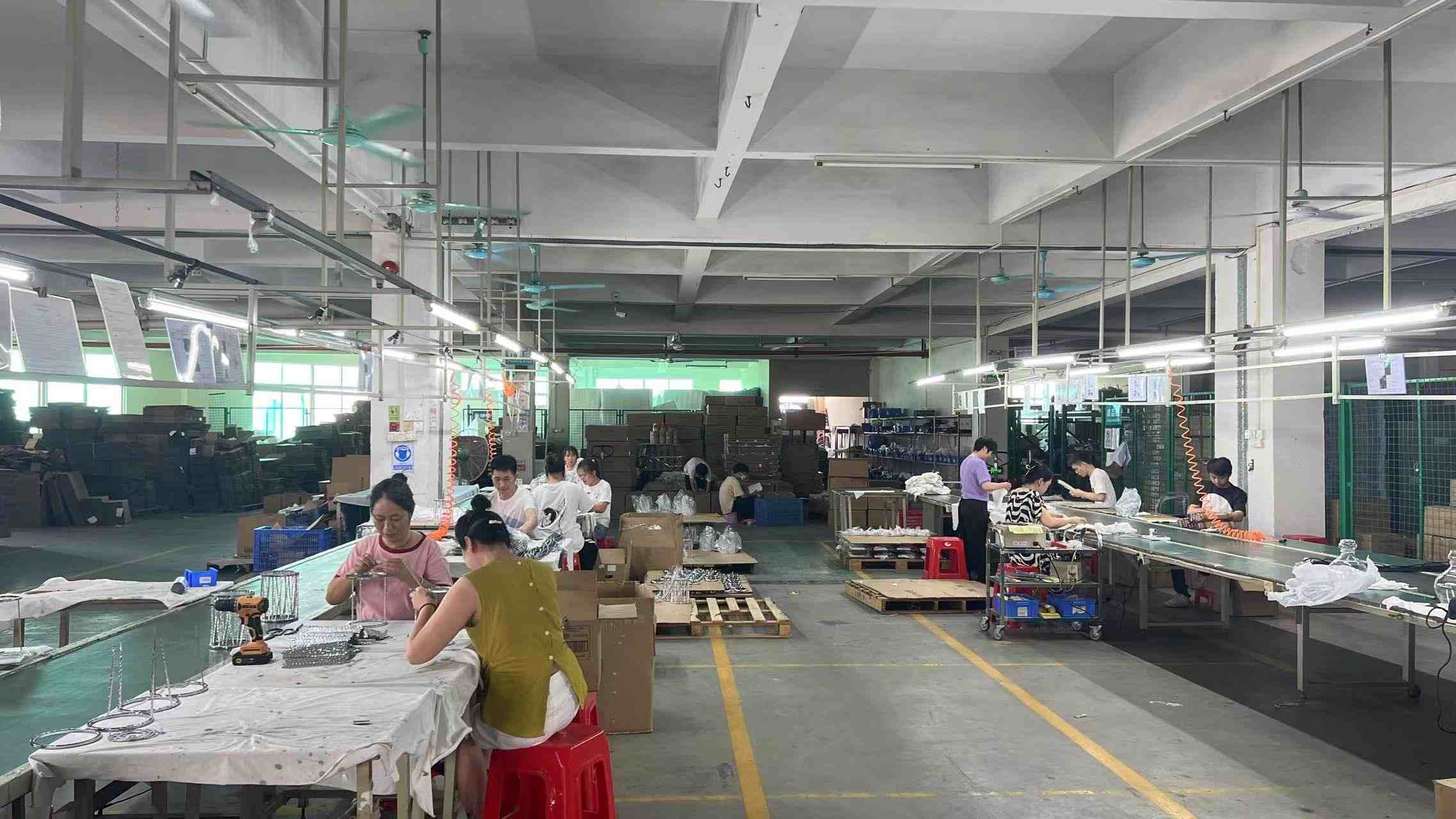
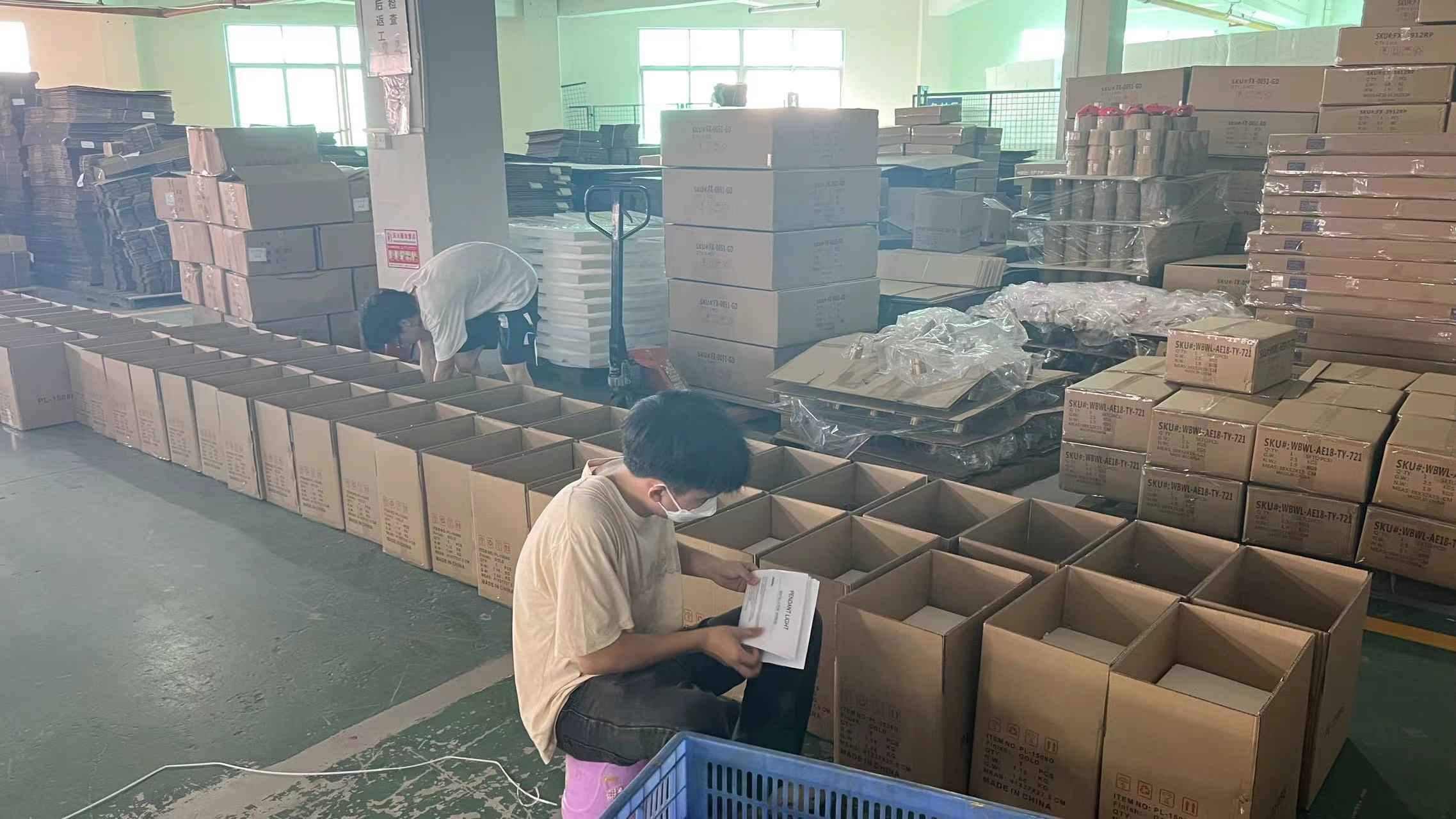
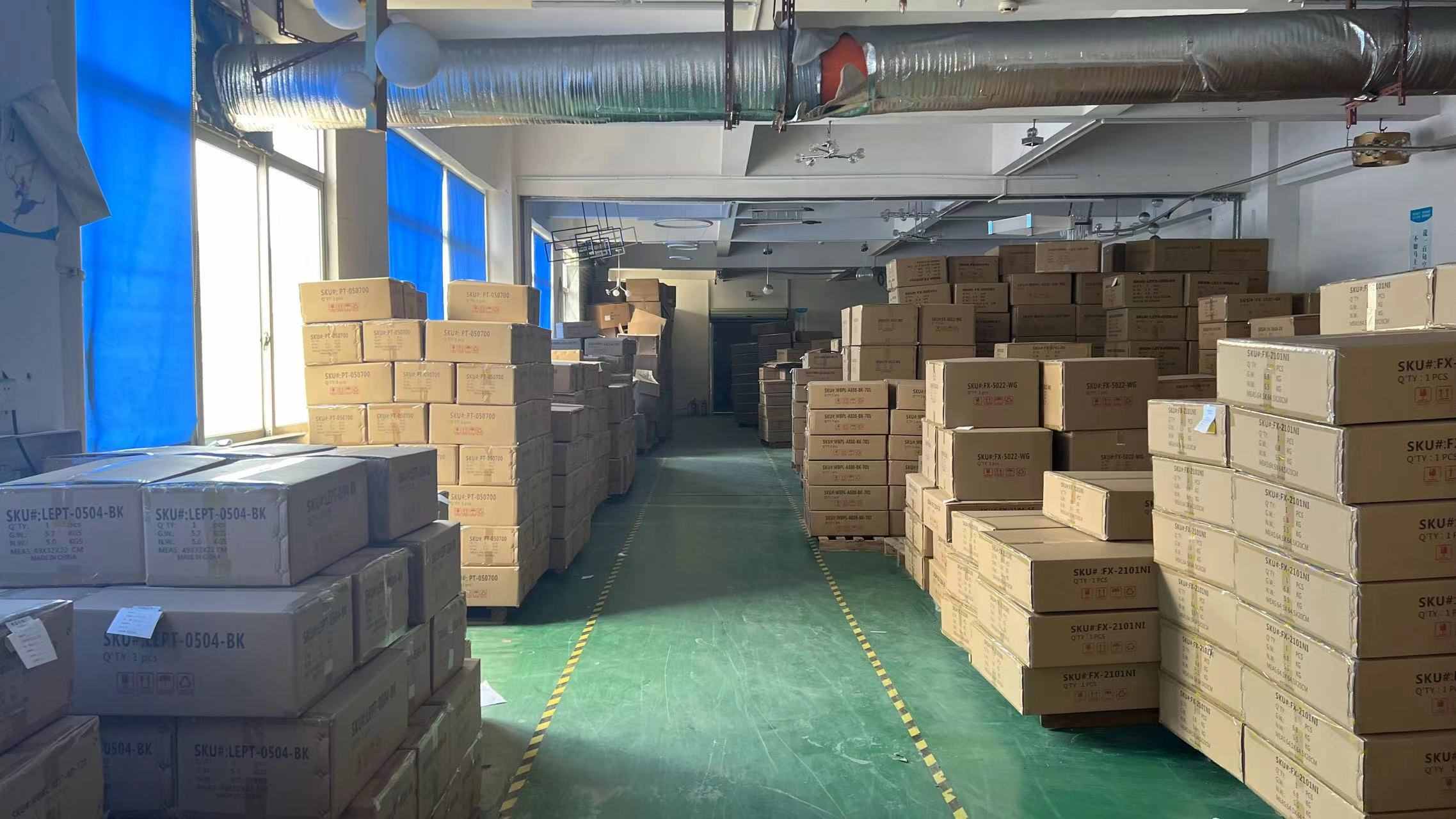
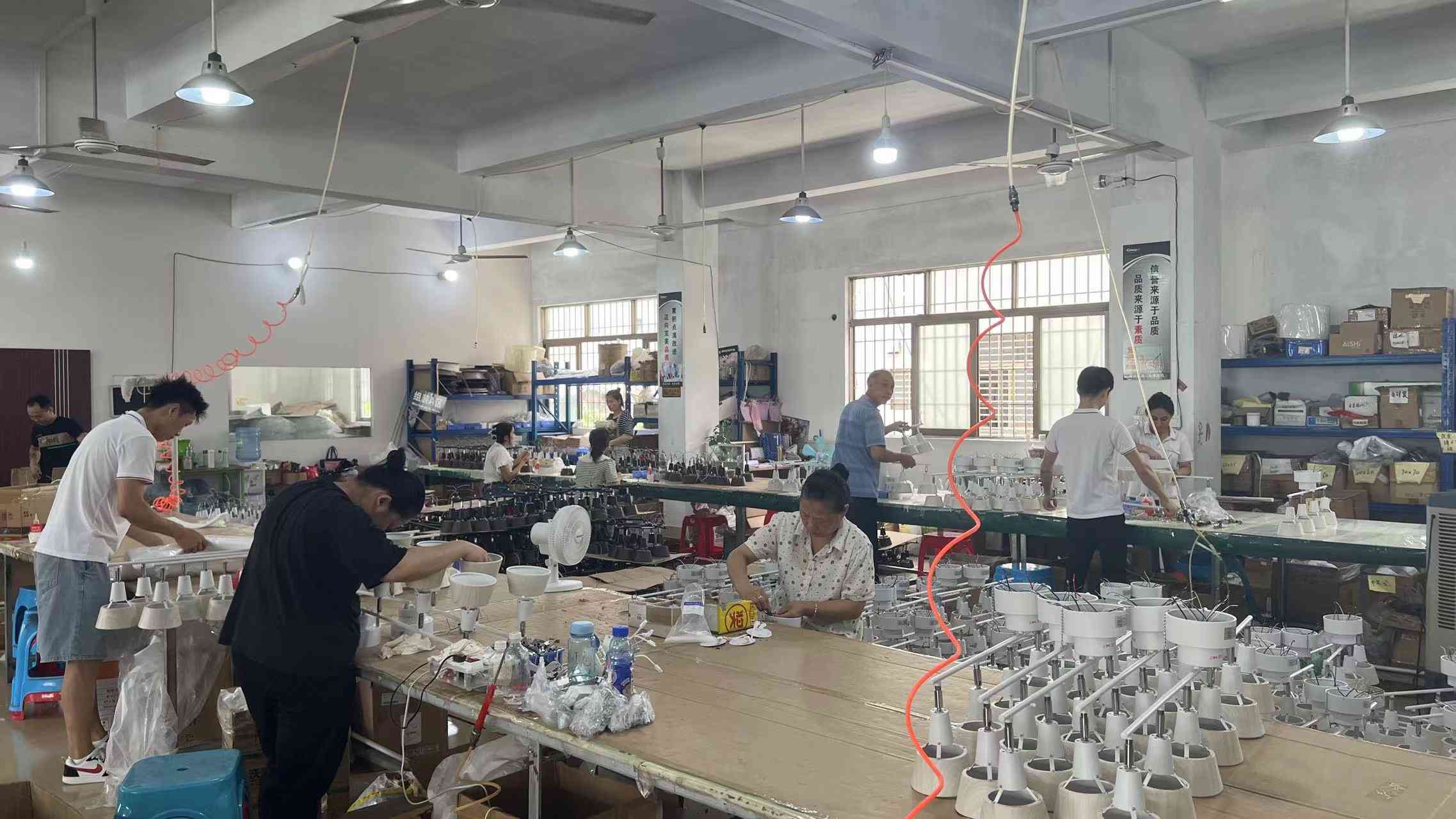
CLC Lighting is equipped with advanced automated production equipment, professional testing facilities, and an experienced team of engineers, technicians, and quality management personnel. From raw material sourcing to final product inspection, every production process is strictly controlled to ensure consistent quality, stable performance, and on-time delivery.
Quality is always our top priority. Our products comply with international safety and energy efficiency standards and have obtained multiple certifications, including CE, ETL, cETL, ERP, RoHS, DOE, CEC, and other market-specific approvals, enabling us to meet the requirements of customers from different countries and regions.
In addition to manufacturing, CLC Lighting provides flexible OEM and ODM services. We work closely with trading companies, lighting brands, wholesalers, distributors, retailers, and project contractors, helping customers develop customized products that match their market demands. Our professional R&D team continuously develops innovative products while supporting customers with product design, packaging customization, and technical consultation.
Our spotlights are designed to meet the aesthetic and functional needs of key Japanese commercial sectors:
Premium retail spaces require precise lighting that highlights textures and colors accurately. High-CRI (Ra > 95) spotlights with narrow, clean beam profiles focus light onto merchandise without spill or glare, creating a sophisticated shopping experience.
Traditional and modern Japanese hotels rely on warm, inviting illumination. Warm-dimming (dim-to-warm) spotlights that shift from 3000K down to a warm 1800K recreate the cozy quality of candlelight, complementing wood and paper architectural elements.
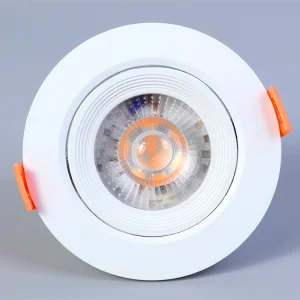
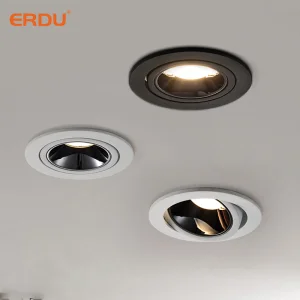
Modern offices prioritize worker well-being and productivity. Low-glare (UGR < 16) recessed downlights integrated into smart building controls provide comfortable illumination that minimizes eye strain and matches natural daylight cycles.
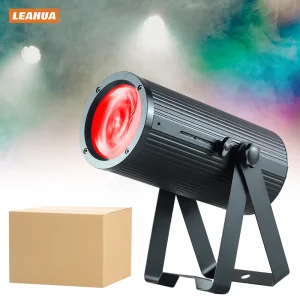
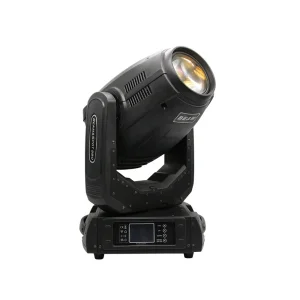
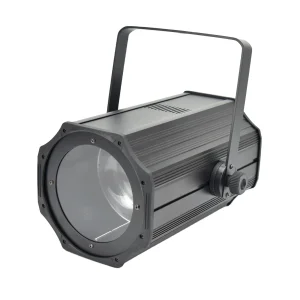
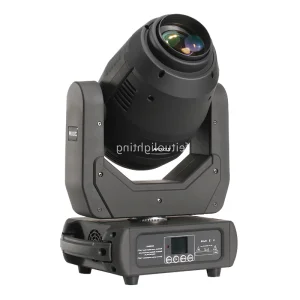
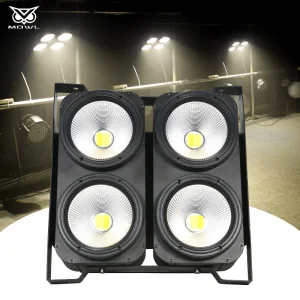
TV studios, event halls, and clubs require specialized high-power spot and wash lighting. Supporting protocols like DMX512 ensures seamless control, flicker-free operation, and smooth color mixing for broadcast and live production.
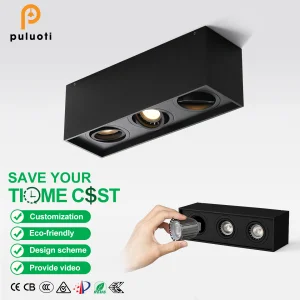
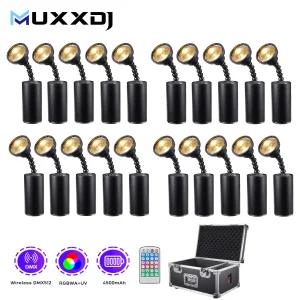
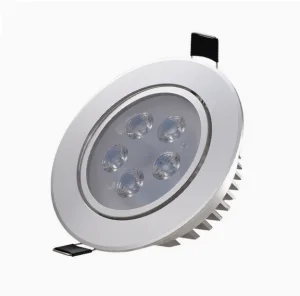
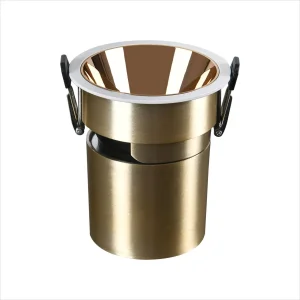
Browse our complete range of certified spotlight systems, featuring high-efficiency chipsets, flexible mounting systems, and customizable finishes.
Common questions from B2B buyers and importers targeting the Japanese commercial lighting market.
PSE Diamond (Specified Electrical Appliances) applies to products with a higher risk of electrical hazard, such as standalone external LED drivers. This certification requires testing by an independent METI-authorized third-party assessment body (such as JET or TUV).
PSE Circle (Non-Specified Electrical Appliances) applies to complete LED luminaires, including recessed downlights and track spotlights with integrated drivers. Manufacturers can perform self-testing or work with an accredited testing laboratory to issue a declaration of conformity, which must be kept on file by the official Japanese importer.
Due to Japan's seismic activity, building codes require all ceiling-mounted fixtures to have secure secondary containment systems. Recessed spotlights must include heavy-duty spring clips, and track spotlights require dual locking mechanisms.
Additionally, for concrete ceiling slabs common in commercial spaces, spotlights must feature safety wire attachment points, allowing them to be secured directly to the building's structural frame.
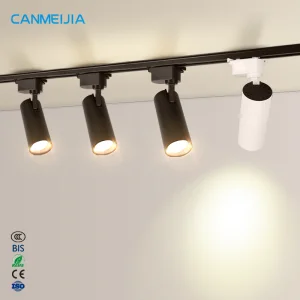
The Standard Deviation of Color Matching (SDCM) measures color variation across LED chips. In high-end retail projects in Japan, multiple spotlights are often installed close together on a single track.
Even small differences in color temperature can be visible to customers. Japanese designers typically specify SDCM < 3 (3-Step MacAdam Ellipse) to ensure uniform, high-quality lighting throughout the space.
Our factory uses a multi-stage quality control process designed to meet JIS and PSE standards. This includes sourcing high-grade thermal materials, performing automated optical tests on every production batch, and conducting 100% high-voltage isolation and aging tests.
We also work closely with Japanese importers to prepare and verify all technical files, test reports, and METI notifications, ensuring smooth import and customs clearance.
Historically, phase-cut (Triac) and 0-10V dimming were the standards in Japan. Today, modern projects are shifting toward DALI-2 (Digital Addressable Lighting Interface) for commercial properties, allowing for individual control of each spotlight.
Wireless protocols, such as Casambi and Bluetooth Mesh, are also growing in popularity, as they allow for easy system reconfiguration without rewiring.