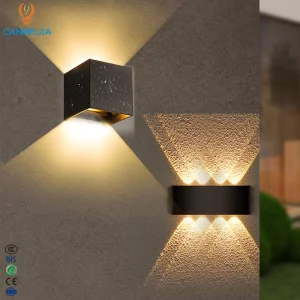
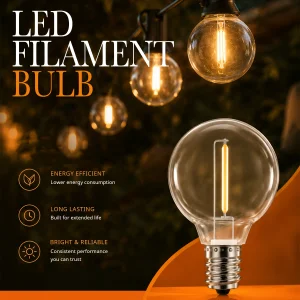
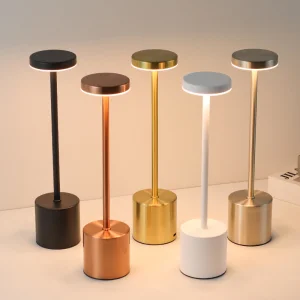
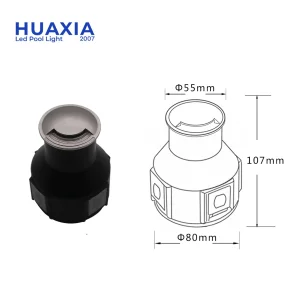
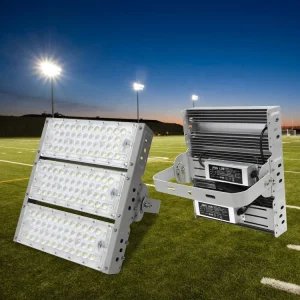
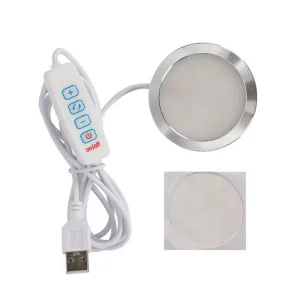
Explore our primary collection of high-performance localized luminaires, engineered for residential warmth, smart convenience, and commercial reliability.
Proximity lighting has transitioned from basic utility bulbs to complex, sensor-integrated spatial-awareness ecosystems. In the current global industrial landscape, proximity lighting—comprising under-cabinet lights, pathfinders, step luminaires, sensor-activated mirrors, and localized ambient devices—serves as the critical link between structural aesthetics and functional efficiency.
Driven by strict energy codes (such as California Title 24, European Union ErP directives, and DLC certifications), developers and homeowners are adopting localized, demand-based lighting. By illuminating only when and where required, smart proximity systems reduce baseline building energy expenditure by up to 40% compared to traditional constant-on solutions.
Modern close-range luminaires combine passive infrared (PIR), microwave Doppler radar, and ambient light sensors to eliminate false triggers. This dual-sensing architecture ensures the fixture performs flawlessly across varying ambient temperatures and physical configurations, making them reliable for dynamic indoor and outdoor environments.
With research emphasizing Circadian Lighting and Human Centric designs, current proximity units feature high Color Rendering Index (CRI > 90) alongside flicker-free dimming. This prevents visual fatigue during task operations and supports the body's natural sleep-wake cycles in residential and hospitality environments.
To maintain competitive advantage in procurement and engineering design, understanding the technology roadmap is vital. We categorize the future of proximity lighting into three operational pillars:
The transition from standalone sensors to interconnected wireless meshes is accelerating. Incorporating low-power protocols like Bluetooth Low Energy (BLE), Zigbee, and Thread (under the unified Matter standard) enables proximity lights to communicate state changes to centralized building automation networks. For example, a cabinet sensor trigger can simultaneously adjust overhead lighting or prompt climate control transitions.
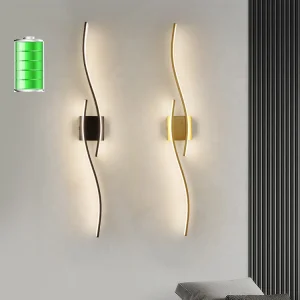
For residential task lights and portable commercial setups, modern designs are removing bulky, proprietary transformers in favor of universal USB-C rechargeable Lithium-ion packages. These configurations often support inductive charging bases, allowing clean, cordless installations across kitchen counters, hotel bedside tables, and modern workspace partitions.
As light sources move closer to the user’s direct line of sight (e.g., under cabinets, vanity mirrors, and wall panels), optical control becomes paramount. Micro-prismatic diffusers, side-lit LED arrays, and specialized lens profiles prevent harsh hotspots and glare, directing uniform illumination onto task surfaces.
Dongguan CLC Lighting Co., Ltd. is a professional lighting manufacturer dedicated to providing high-quality lighting products and comprehensive lighting solutions to customers worldwide. Since entering the lighting industry in 2002, we have continuously expanded our product portfolio and strengthened our manufacturing capabilities through innovation, advanced technology, and strict quality management.
Starting as a manufacturer specializing in incandescent bulbs, halogen lamps, and CFL energy-saving lamps, CLC Lighting has successfully transformed into a modern lighting enterprise with a strong focus on LED lighting. Today, we offer a wide range of lighting products for residential, commercial, decorative, and industrial applications, serving customers across Europe, North America, South America, the Middle East, Southeast Asia, and other global markets.
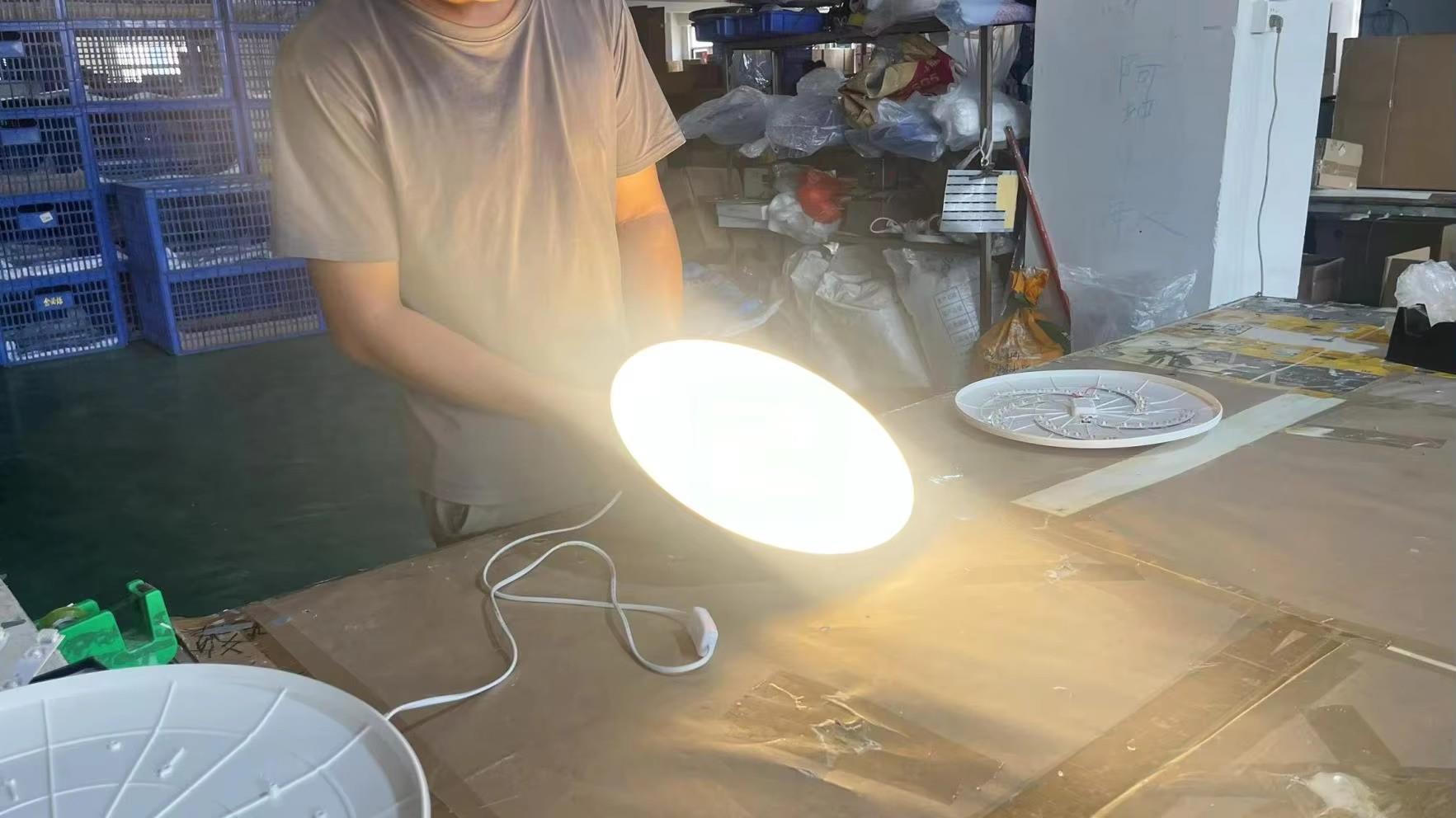
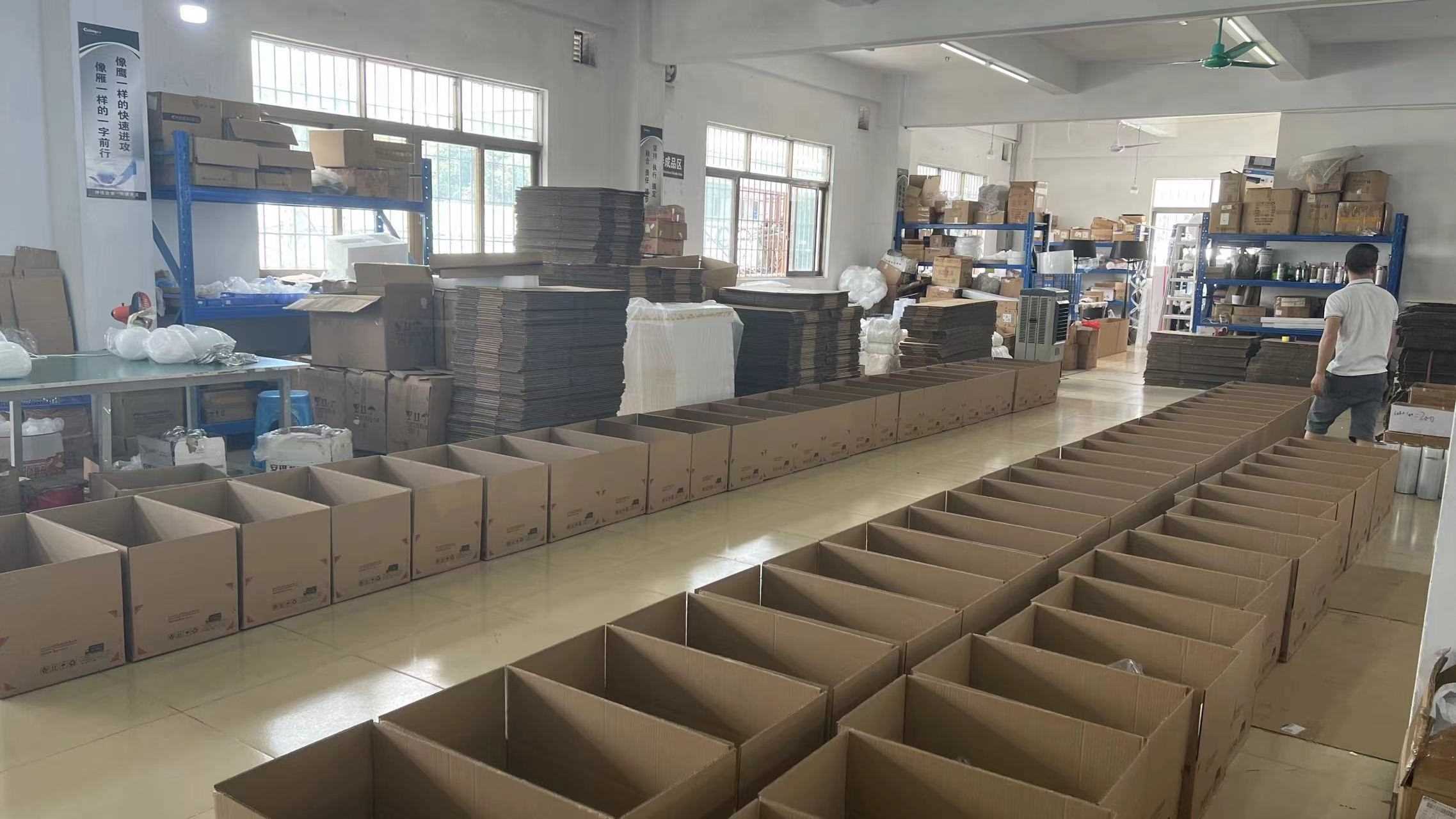
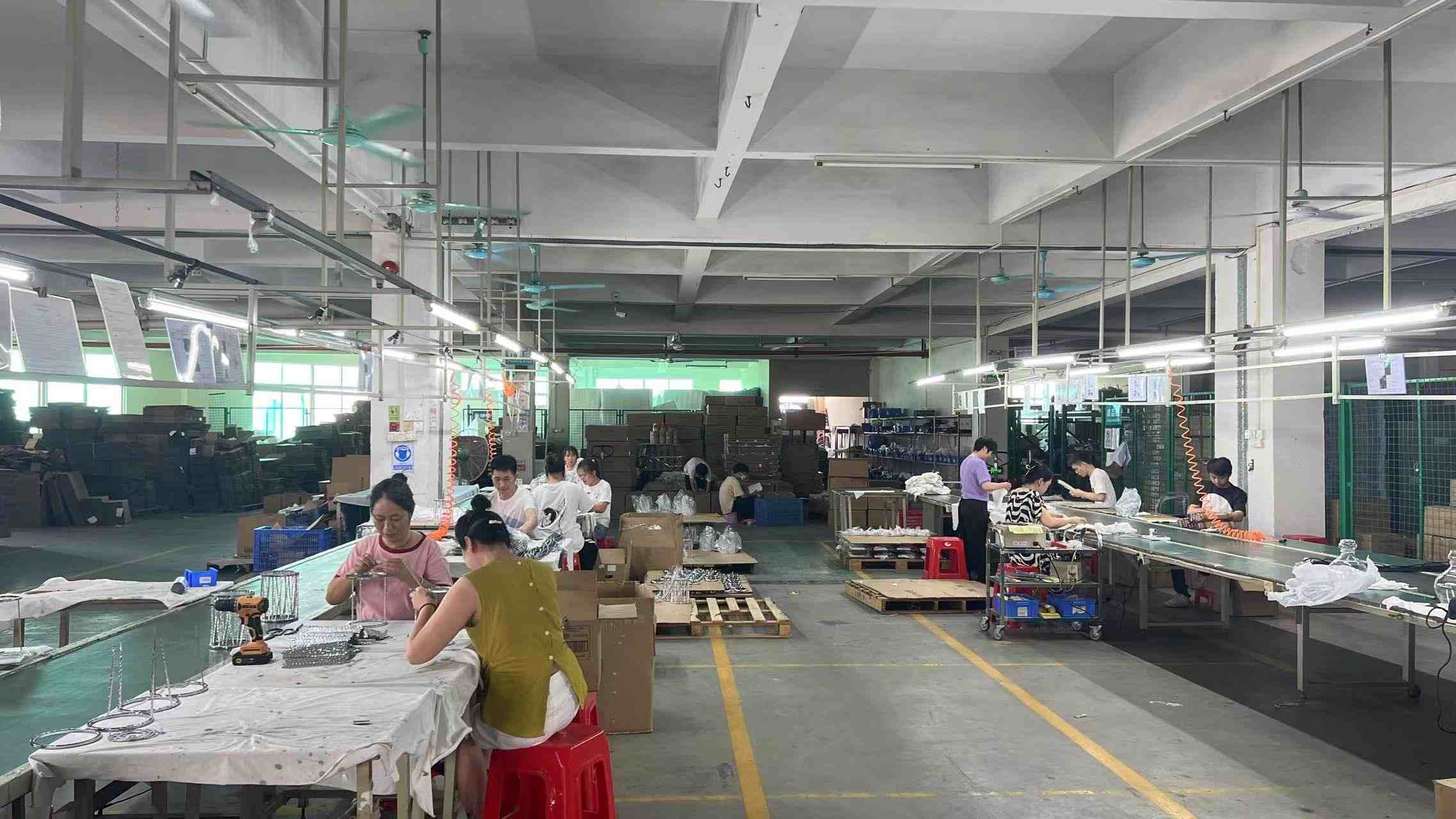
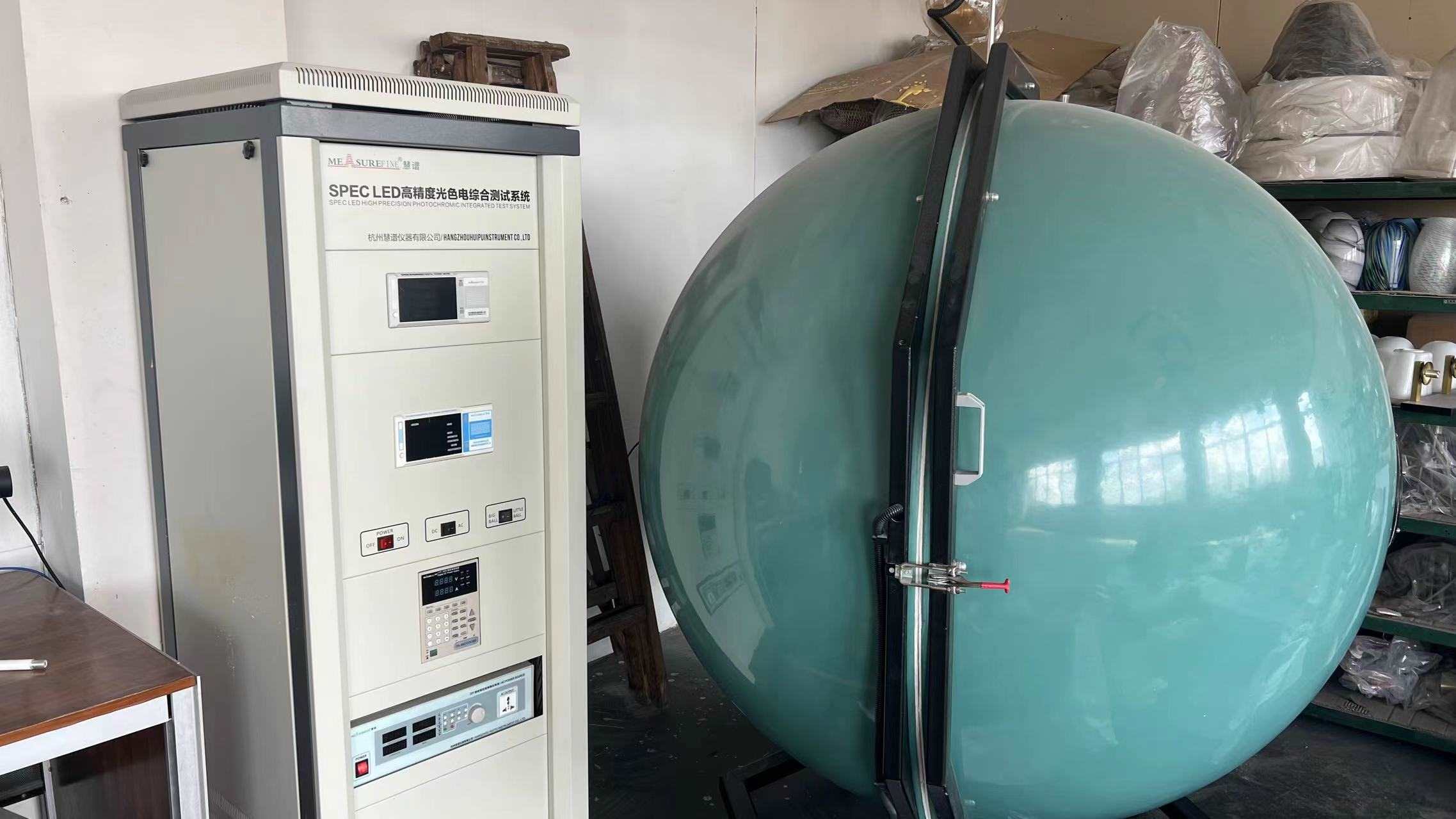
CLC Lighting is equipped with advanced automated production equipment, professional testing facilities, and an experienced team of engineers, technicians, and quality management personnel. From raw material sourcing to final product inspection, every production process is strictly controlled to ensure consistent quality, stable performance, and on-time delivery.
Quality is always our top priority. Our products comply with international safety and energy efficiency standards and have obtained multiple certifications, including CE, ETL, cETL, ERP, RoHS, DOE, CEC, and other market-specific approvals, enabling us to meet the requirements of customers from different countries and regions.
In addition to manufacturing, CLC Lighting provides flexible OEM and ODM services. We work closely with trading companies, lighting brands, wholesalers, distributors, retailers, and project contractors, helping customers develop customized products that match their market demands. Our professional R&D team continuously develops innovative products while supporting customers with product design, packaging customization, and technical consultation.
With competitive pricing, reliable quality, stable production capacity, and excellent customer service, CLC Lighting has established long-term partnerships with customers around the world. Customer satisfaction remains the driving force behind our continuous growth and improvement.
CLC Lighting — Illuminating the Future with Quality and Innovation.









Proximity lighting systems are not one-size-fits-all. Customizing optical arrays and sensor types to specific architectural conditions is key to ensuring performance and safety.
Modern luxury hotels rely on low-level step lights and under-bed proximity sensors to guide guests safely during the night. By keeping light levels below 50 lumens and using warm, amber color temperatures (1800K - 2200K), guests can navigate unfamiliar spaces without disturbing their circadian rhythms.
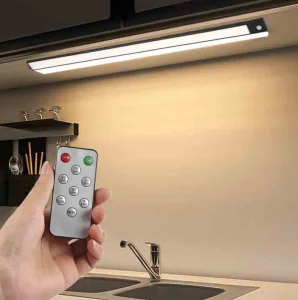
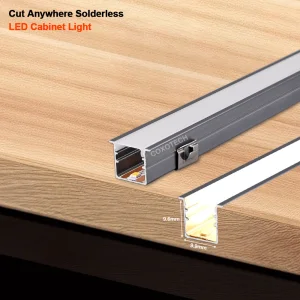
Under-cabinet lighting task zones require uniform illumination to prevent shadows on workspaces. Deploying thin-profile LED strip systems with diffuse polycarbonate lenses ensures a glare-free workspace, while touchless hand-wave sensor controls maintain hygiene during meal preparation.
In retail displays, proximity lights draw customer attention directly to high-value items. Using high-CRI, adjustable spotlights with motion sensors allows displays to illuminate when customers approach, creating an interactive shopping experience while saving energy during low-footfall periods.
Our continuous commitment to engineering excellence, supply chain optimization, and quality assurance is reflected in our key metrics:
Get answers to critical procurement and technical design questions regarding proximity lighting products.
Passive Infrared (PIR) sensors detect shifts in thermal energy caused by human movement, making them highly reliable for direct line-of-sight sensing. Microwave sensors use Doppler radar to emit high-frequency waves, allowing them to detect motion through lightweight barriers like wood or glass. They are ideal for hidden under-cabinet installations but can be sensitive to environmental vibrations.
All our production steps follow ISO 9001 protocols. Our products undergo rigorous testing to secure essential certifications, including ETL/cETL for North American electrical safety, CE and RoHS for Europe, and energy efficiency compliance certificates like DOE, CEC, and ERP.
Our engineering team works with you through a structured development process: 1) We review your mechanical drawings or target parameters; 2) We 3D-print prototype casings and optimize the driver board design; 3) We produce pre-production samples for safety and performance testing; 4) We transition the design to automated production lines once approved.
High CRI (90+) ensures colors are represented accurately, which is essential for kitchens, vanity tables, and display cabinets. Lower CRI levels can distort colors and lead to eye fatigue during close-up tasks.
From USB-rechargeable task lamps to rugged landscape luminaires, discover products designed to meet diverse functional needs.